
Main Courses
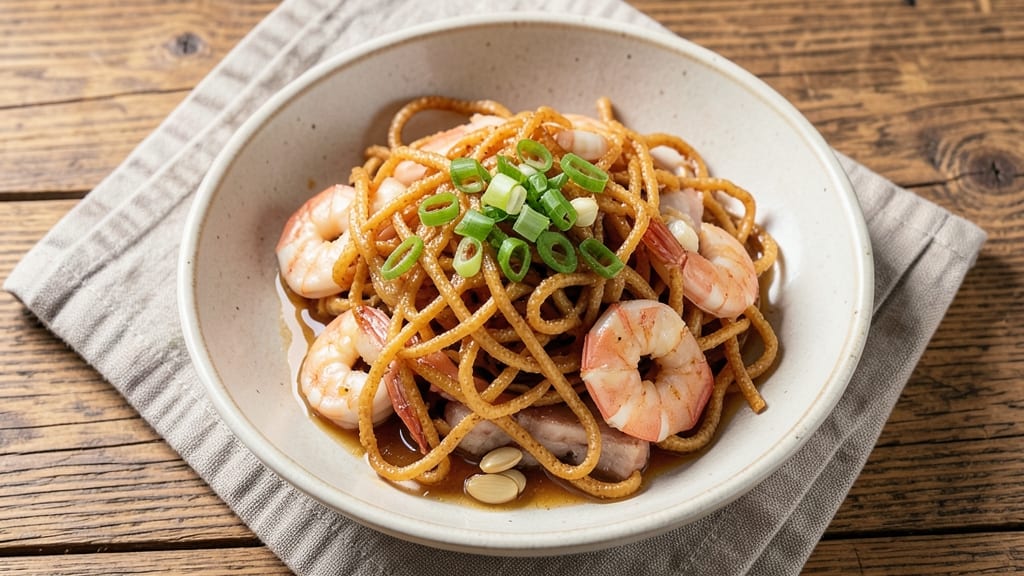
This Chegodilu recipe with rice flour transforms simple ingredients into a Filipino comfort classic—crispy fried egg ribbons wrapped around tender shrimp or pork, all coated in a delicate rice flour batter. The magic lies in the wok-fried technique, where silky egg strands meet crispy edges in perfect harmony.
What makes this dish special is how it balances texture and flavor without complicated steps.
With just rice flour, eggs, and protein of choice, you'll create a restaurant-quality meal that's surprisingly easy to master. The key is patience—letting the batter set properly before frying ensures that signature crunch while keeping the inside tender.
Serve it with a side of tangy sinigang or crispy garlic rice for the full Filipino experience.
Ingredients for chegodilu recipe with rice flour
Crispy egg ribbons and tender protein—this rice flour batter delivers perfect texture every time.
| Ingredient | Amount | Notes |
|---|---|---|
| Rice Flour 🌾 | 1 cup | Fine grind for delicate batter |
| Large Eggs 🥚 | 6 whole | Room temperature for even cooking |
| Shrimp (or Pork Shoulder) 🦐 | 1 lb | Peeled, deveined, cut into strips |
| Green Onions 🧅 | ¼ cup | Thinly sliced, white and green parts |
| Garlic Cloves 🧄 | 4 cloves | Minced for aromatic base |
| Vegetable Oil 🫒 | 2 cups | High smoke point for frying |
| Soy Sauce 🥢 | 2 tbsp | Light or dark for balance |
| Oyster Sauce 🍜 | 1 tbsp | For umami depth |
| Sesame Oil 🌰 | 1 tbsp | Toasted for nutty aroma |
| Salt 🧂 | ½ tsp | Diamond Crystal preferred |
| Black Pepper 🌶️ | ¼ tsp | Freshly ground for heat |
| White Pepper 🌶️ | ¼ tsp | For subtle seasoning |
The rice flour makes all the difference here—fine grind ensures a delicate, lace-like texture rather than dense clumps. Filipino markets or Asian grocery stores carry premium brands like Lotus Foods, but any high-quality rice flour works. For shrimp, opt for medium-sized (16-20 count per pound) to ensure even cooking; larger shrimp may overcook before the egg sets. If using pork shoulder, cut it into thin strips (about 1/4-inch thick) for quick searing. The green onions should be bright white and crisp—avoid wilted stems, which add bitterness.
No shrimp? Pork shoulder or chicken thigh work beautifully—just marinate in 1 tbsp soy sauce plus 1 tsp oyster sauce for 15 minutes before using. Vegetable oil is ideal for high-heat frying, but peanut or canola oil also work. The sesame oil adds aroma, but if you prefer a more neutral flavor, reduce to 1/2 tbsp. For extra umami, 1 tsp fish sauce can replace half the soy sauce (though this would make it non-vegetarian). Diamond Crystal kosher salt dissolves more easily than table salt—use it for seasoning the batter. White pepper pairs better than black here since the dish is light-colored.
Store prepared shrimp or pork in an airtight container for up to 3 days in the fridge, but cook within 24 hours for peak texture. Rice flour keeps indefinitely in a cool, dry place—just reseal the bag tightly after opening. For reheating, pan-fry in 1/2 cup vegetable oil over medium heat for 2-3 minutes until crispy again. Freeze cooked chegodilu in a single layer on parchment before transferring to a bag for up to 1 month—thaw in the fridge overnight before reheating.
Why You'll Love This Recipe
- One-Bowl Wonder: I swear by this recipe when I’m too tired to measure a dozen ingredients. Just whisk rice flour, eggs, and minced garlic—no extra bowls, no fuss. The shrimp (or pork) gets folded in last, and boom, you’re done.
- Crispy-Creamy Magic: That rice flour batter? It’s the secret weapon—crispy on the outside, tender inside, with a texture that’s impossible to resist. The garlic and green onions add just enough punch to make it feel special without trying too hard.
- Leftover Hero: Between us, this dish begs for leftovers. The rice flour keeps it fresh for days, and reheating it in a pan gives it that same satisfying crunch. I’ve fed my whole family for lunch with just half the batch.
- Budget-Friendly Flex: Pork shoulder stretches further than shrimp, and both are cheaper than takeout. Plus, you’re using pantry staples—no fancy ingredients, no wasted money. Honestly, it’s the kind of meal that makes me feel smart about spending.
Step-by-step instructions for wok-fried chegodilu with rice flour
Master the perfect balance of crispy egg ribbons and tender protein in this Korean-inspired dish.
Prepare the Protein and Aromatics
Begin by cutting the 1 lb shrimp (or pork shoulder) into ½-inch strips—uniform size ensures even cooking. Pat them dry with paper towels to remove excess moisture, which prevents the batter from becoming watery. In a small bowl, combine the 4 cloves minced garlic cloves, 0.25 cup thinly sliced green onions, 0.5 tsp salt, 0.25 tsp black pepper, and 0.25 tsp white pepper. Set aside—this aromatic blend will infuse the protein with deep flavor.
Real talk: If using pork shoulder, slice it against the grain for maximum tenderness. For shrimp, leave the shells on during the initial sear to draw out extra flavor, then remove them before adding to the batter. This step ensures your protein stays juicy and packed with flavor.
Create the Rice Flour Batter
In a medium bowl, whisk together the 1 cup rice flour and 2 tbsp soy sauce until fully combined. This creates a fine, airy base for the delicate egg ribbons. In a separate bowl, beat the 6 whole large eggs until frothy but not fully emulsified—you want just enough air to create lightness without overworking the proteins. Gradually pour the beaten eggs into the rice flour mixture while whisking continuously to form a smooth, pourable batter.
Here's the thing—rice flour creates a lighter, crispier texture than wheat flour. If the batter thickens too much, thin it with 1-2 tablespoons of water until it reaches the consistency of heavy cream. The batter should coat the back of a spoon but still flow freely when poured.
Marinate the Protein and Heat the Oil
Toss the protein strips with the garlic-onion mixture, ensuring each piece is evenly coated. Let it marinate for 10-15 minutes while you prepare the wok. Heat 2 cups vegetable oil in a wok or deep skillet over medium-high heat until it reaches 350°F—the oil should shimmer but not smoke. Use a thermometer for precision; overheating will burn the delicate egg ribbons.
I press down gently on the protein with a spatula during the first minute of cooking—this prevents it from curling and ensures even contact with the pan. The oil should sizzle vigorously when you add the protein, indicating it's ready for the batter.
Coat and Fry the Chegodilu
Working in batches to avoid overcrowding, dip each marinated protein strip into the batter, allowing excess to drip off. Carefully lower the coated strips into the hot oil, maintaining 350°F throughout the process. Fry for 2-3 minutes per side until the egg ribbons turn a deep golden brown and the protein reaches an internal temperature of 145°F for shrimp or 150°F for pork.
Don't walk away. The batter cooks faster than you think, and those golden ribbons form in seconds. If the oil temperature drops below 340°F, the egg will absorb oil instead of crisping. Use a fry thermometer to monitor—this is where crispy perfection happens.
Finish with Sauce and Garnish
Transfer the fried chegodilu to a paper towel-lined plate to drain excess oil. In a small bowl, whisk together 1 tbsp oyster sauce, 1 tbsp sesame oil, and 1 tbsp soy sauce to create the finishing sauce. Drizzle generously over the hot chegodilu, tossing gently to coat. Garnish with the remaining green onions for freshness and color.
Serve immediately while the egg ribbons are still crisp and the protein is piping hot. The contrast between the crunchy exterior and silky interior is what makes this dish unforgettable. For extra drama, sprinkle with a pinch of black pepper right before serving to enhance the aromatic profile.
Pro Tips For Making Chegodilu Recipe With Rice Flour
- STIR THE BATTER FAST: Once you mix rice flour, eggs, and water into a thick paste, work it for 30 seconds max—just until smooth. Overmixing turns it gluey, and you’ll end up with chegodilu that sticks like sad wallpaper. I learned this after my first batch turned into a single, inedible lump. Keep a damp cloth handy to wipe the bowl edges clean; every bit counts.
- SALT THE SHRIMP FIRST: Toss shrimp (or pork shoulder) in ½ teaspoon salt per pound before coating them in the rice flour mix. This ensures even seasoning—no dry, bland centers. I used to skip this, and the flavor always felt half-hearted. For pork, let it sit 10 minutes after salting to draw out juices, then pat very dry. Wet protein = soggy chegodilu.
- DON’T OVERCROWD THE PAN: Fry your chegodilu in batches, even if it means two rounds. A packed pan steams the flour instead of crisping it, and you’ll end up with greasy, limp dumplings. I crammed mine once and got a sad, soggy pile—now I space them like sardines on a can. A hot wok or skillet is non-negotiable; if it’s not smoking slightly, turn up the heat.
- GARLIC GIVES FLAVOR BOOST: Mince garlic finely (almost paste-like) and mix it into the rice flour batter before adding eggs. Raw garlic burns easily, but when it’s this small, it infuses without bitterness. I was skeptical until I tried it—now it’s the thing that makes my chegodilu taste like it came from a market stall, not a rushed weeknight. Skip the sautéing step; trust the batter to carry it.
Wine and beer pairings for this chegodilu recipe with rice flour
Filipino Rice Wine
For an authentic touch, pair your chegodilu with lamigan, a traditional Filipino rice wine. This slightly sweet, fermented drink—made from glutinous rice—complements the dish's savory-sweet balance perfectly.
Look for it in Asian grocery stores or online retailers like FilipinoMart. Serve it chilled to highlight its delicate floral notes and subtle effervescence. 🍶
Light Lager Pairing
A crisp San Miguel Light or Caltex Light beer cuts through the richness of the fried egg ribbons while enhancing the dish's umami flavors. These Filipino lagers have a clean, slightly malty profile that won’t overpower the delicate rice flour batter.
The carbonation also helps cleanse your palate between bites. For a non-alcoholic option, try Calpis soda—a tangy Filipino soft drink that adds a refreshing contrast. 🍺
Sake for Depth
If you prefer something more sophisticated, a dry junmai sake like Dassai or Kubota adds an elegant layer to your meal. The subtle sweetness and clean finish of junmai sake harmonize beautifully with the crispy egg ribbons and savory protein.
Serve it slightly warmed to enhance its aromatic qualities and let the flavors meld with the dish. 🍶
Sweet Iced Tea
For a lighter option, serve Filipino sweet iced tea made with barley tea or hibiscus tea sweetened with coconut sugar. The natural sweetness balances the savory notes of the chegodilu, while the tea’s earthy undertones complement the rice flour’s delicate texture.
You can find pre-mixed versions at Asian markets or make your own by steeping hibiscus leaves in hot water and sweetening to taste. 🍵
Spiced Rum Cocktail
For a festive twist, try a rum-based cocktail like Calamansi Rum Punch, made with Calamansi juice (Filipino lime), dark rum, and a splash of soda. The citrusy brightness cuts through the richness of the fried dish, while the rum adds a warm, spiced depth.
Garnish with a lime wheel for extra zing. This pairing is perfect for special occasions or when you want to elevate the meal. 🍹
Nutrition facts
Frequently asked questions
Why does rice flour make the egg ribbons crispier than wheat flour?
Rice flour has a lower moisture content and higher starch concentration, which creates a delicate, lace-like texture when fried. Unlike wheat flour, it doesn't absorb as much oil, resulting in that signature crispy exterior while keeping the interior tender. The fine grind also allows for even cooking and a lighter batter overall.
Can I make chegodilu without shrimp or pork?
Chicken thigh works beautifully—just marinate it in 1 tbsp soy sauce plus 1 tsp oyster sauce for 15 minutes before coating. For a vegetarian option, try firm tofu pressed and sliced into strips, or even hearty mushrooms like shiitake. The technique remains the same, but adjust cooking time slightly for plant-based proteins.
What's the secret to getting perfectly golden egg ribbons?
Maintain oil temperature at 350°F and work in small batches to avoid overcrowding. The batter should be smooth but not too thick—1-2 tbsp water can help if needed. Fry for exactly 2-3 minutes per side until deep golden brown. A fry thermometer is your best friend here—dropping below 340°F will make the egg soggy.
How do I store leftover chegodilu?
Let it cool completely, then store in an airtight container for up to 3 days in the fridge. To reheat, pan-fry in ½ cup vegetable oil over medium heat for 2-3 minutes until crispy again. For freezing, arrange on a tray to solidify, then transfer to a bag for up to 1 month. Thaw overnight in the fridge before reheating.
What's the best way to substitute rice flour if I don't have any?
Use a 1:1 ratio of cornstarch for a similar crispy texture, though the flavor will be neutral. For a closer match, blend ½ cup all-purpose flour + ½ cup cornstarch. Avoid wheat flour alone—it'll make the ribbons denser. If you're in a pinch, arrowroot powder works too, but rice flour remains the gold standard for that delicate texture.