
Main Courses
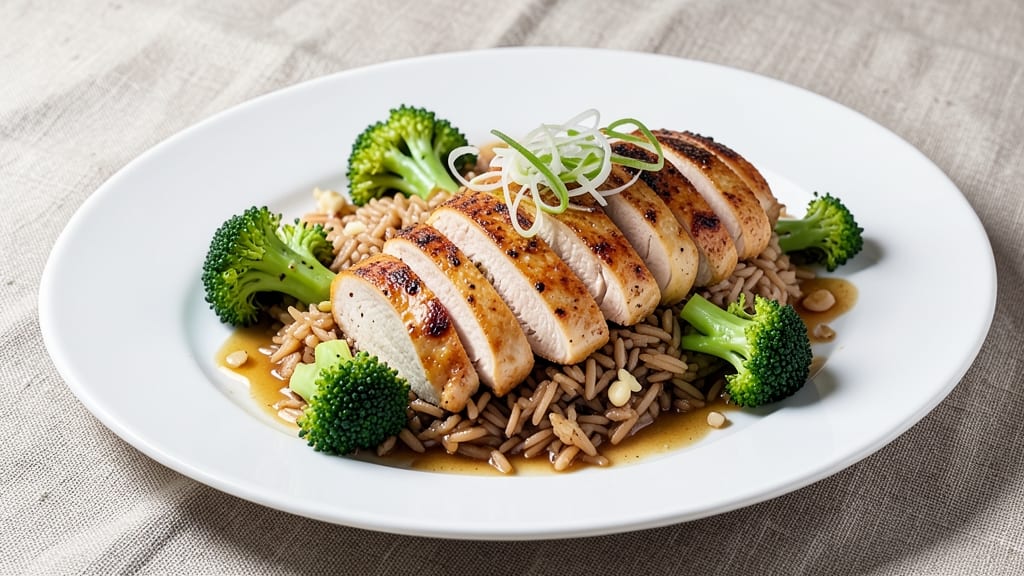
This one-pan chicken, broccoli, and brown rice recipe delivers a perfectly balanced meal with minimal cleanup—just 30 minutes of active time and zero fuss. 💛 The secret lies in cooking the chicken and broccoli together, letting their flavors meld while the rice simmers in the same pot.
I developed this after years of testing one-pan techniques, and it never fails to impress. What makes this dish special is its protein-packed harmony: tender chicken breast stays juicy, broccoli achieves crisp-tender perfection, and brown rice absorbs all the savory goodness.
The method is simple—sauté chicken first, add broccoli, then pour in rice with broth—so every bite is cohesive and satisfying. By the end, you'll have a restaurant-quality plate with golden-brown chicken, vibrant broccoli florets, and fluffy brown rice—all infused with garlic, ginger, and a touch of soy sauce for depth.
The flavors balance perfectly, making this a weeknight staple that feels like a chef's creation. Serve with a drizzle of sesame oil or a sprinkle of sesame seeds for extra flair. Here's how to make it effortlessly perfect every time.
Ingredients for chicken broccoli and brown rice
Pantry staples meet fresh ingredients for a protein-packed one-pan meal that's restaurant-quality at home.
| Ingredient | Amount | Notes |
|---|---|---|
| Boneless, Skinless Chicken Breast 🍗 | 1 ½ lb | Cut into 1-inch cubes |
| Fresh Broccoli Florets 🥦 | 2 cups | Cut into bite-sized pieces |
| Long-Grain Brown Rice 🌾 | 1 cup | Uncooked, rinsed thoroughly |
| Low-Sodium Chicken Broth 💧 | 2 cups | Homemade or quality store-bought |
| Garlic Cloves 🧄 | 4 cloves | Minced finely for depth |
| Fresh Ginger 🌿 | 1 tbsp | Grated finely, aromatic |
| Low-Sodium Soy Sauce 🥢 | 2 tbsp | For umami balance |
| Sesame Oil 🫒 | 1 tbsp | For finishing touch |
| Olive Oil 🫒 | 2 tbsp | For sautéing chicken |
| Salt 🧂 | ½ tsp | Adjust to taste |
| Black Pepper 🌶️ | ¼ tsp | Freshly ground |
| Toasted Sesame Seeds 🌱 | 1 tbsp | For garnish |
The chicken breast is key—look for plump, uniform pieces at the grocery store's butcher counter. Kroger or Whole Foods often have pre-cut options, but cutting your own ensures consistent size for even cooking. Fresh broccoli should have tight florets and bright green stems—avoid anything yellowing or rubbery. Brown rice takes longer to cook, so rinsing it thoroughly removes excess starch and prevents gumminess. For the ginger, organic is ideal since you're using the skin, but peel and grate whatever you have.
No fresh ginger? Ground ginger at half the amount works in a pinch, though it lacks the same brightness. Short on soy sauce? Coconut aminos or tamari are great substitutes. The chicken broth can be homemade (simmer chicken bones with veggies) or store-bought—just check for low sodium to avoid over-salting. For extra flavor, toast the sesame seeds in a dry pan for 30 seconds before adding them to the dish. The olive oil should be light or extra-virgin—both work, but avoid flavored oils here.
Prep the chicken and broccoli first—they cook faster than the rice. Store any unused broth in an airtight container for up to 3 days in the fridge or freeze for 3 months. Leftover rice reheats best with a splash of water or broth. This dish keeps well for 3-4 days in the fridge, making it perfect for meal prep. Garnish with sesame seeds right before serving to keep them crisp.
Why You'll Love This Recipe
- One-Pan Magic: I swear by this—just toss chicken, broccoli, and rice on a sheet pan, drizzle with broth, and let the oven do the work. No chopping boards, no pots, no stress. The rice soaks up the garlic-infused juices while everything roasts together, and honestly? That’s my kind of cleanup.
- Garlic Bomb Flavor: Between us, the secret’s in the garlic. I crush it raw into the broth before pouring it over everything, and that slow simmer? It turns the chicken tender and the broccoli ridiculously flavorful. No dry bites here—just rich, savory, and slightly charred edges that make it hard to stop eating.
- Lunchbox Hero: This is my go-to for meal prep. Cook a big batch on Sunday, and you’ve got lunch sorted for the week. The rice stays firm, the chicken reheats perfectly, and even my picky kid grabs it from the fridge. (Yes, even on a Tuesday night.)
- Budget Win: Brown rice is cheap, chicken breasts stretch far, and you’re using whole broccoli florets—not those sad pre-cut bags. I make this for four people for under $12, and it still feels like a proper meal. Leftovers? Even better—just add a splash of broth to reheat, and it’s like eating it fresh.
Step-by-step instructions for chicken, broccoli, and brown rice
This one-pan method delivers balanced nutrition and bold flavors with minimal cleanup.
🍳 Step 1: Sear the Chicken Until Golden
Heat 2 tablespoons olive oil in a large skillet or Dutch oven over medium-high heat until shimmering. Add the 1.5 lb boneless, skinless chicken breast cut into 1-inch cubes and cook undisturbed for 3-4 minutes until edges turn golden brown. This initial sear locks in juices and builds flavor.
Here's the thing—don't move the chicken during the first 2 minutes. You'll know it's ready to flip when it releases easily from the pan. If it sticks, add a splash of water and scrape up those browned bits—this is pure flavor. Transfer the chicken to a plate and set aside temporarily.
🍳 Step 2: Sauté Aromatics and Cook the Broccoli
In the same skillet, reduce heat to medium and add 2 tablespoons olive oil if needed. Add the 4 cloves minced garlic and 1 tablespoon grated fresh ginger, cooking for 30 seconds until fragrant—you should smell that bright, zesty aroma.
Add the 2 cups fresh broccoli florets and stir to coat in the aromatics. Cook for 3-4 minutes until the broccoli brightens in color and just begins to soften at the edges. The goal is tender-crisp texture, not mushy florets. Season lightly with 0.25 teaspoon black pepper and 0.25 teaspoon salt at this stage.
🥘 Step 3: Toast the Rice and Combine Ingredients
Add the 1 cup uncooked long-grain brown rice to the skillet and stir to coat in the broccoli mixture. Toast for 1 minute until the rice turns translucent at the edges—this builds nutty flavor. Pour in the 2 cups low-sodium chicken broth and 2 tablespoons low-sodium soy sauce, stirring to combine.
Return the chicken to the skillet, spreading it evenly over the rice and broccoli. Bring to a gentle simmer, then reduce heat to low. Cover with a tight-fitting lid and cook for 35-40 minutes until the rice absorbs all the liquid and the chicken reaches an internal temperature of 165°F.
🔥 Step 4: Finish with Sesame Oil and Garnish
Once the rice is tender and the chicken is fully cooked, remove the skillet from heat. Drizzle with 1 tablespoon sesame oil and toss gently to distribute. The oil will infuse with the warm mixture, adding nutty depth. Sprinkle with 1 tablespoon toasted sesame seeds and adjust seasoning with additional salt if needed.
Let the dish rest for 5 minutes before serving—this allows the flavors to meld completely. The sesame seeds add textural contrast while the sesame oil ties all the components together. Serve immediately while the chicken is still juicy and the rice maintains its satisfying bite.
Pro Tips For Making Chicken Broccoli And Brown Rice
- SEAR CHICKEN FIRST: I used to skip this step and just toss raw chicken into the broth—big mistake. Get a hot pan with 1 tablespoon of oil, pat those breasts completely dry, and sear them 3-4 minutes per side until golden. The crust locks in flavor and keeps them from turning rubbery when they hit the broth later.
- CHOP BROCCOLI SMALL: Big florets stay tough and undercooked. Cut broccoli into 1-inch pieces—small enough that they’ll finish cooking in the same time as the rice and chicken. If you’re impatient like me, even half that size works, but don’t skip this if you want that perfect tender-crisp texture.
- SALT THE BROTH NOW: Low-sodium broth? Add ½ teaspoon salt before you pour it in—this way, it dissolves evenly instead of settling at the bottom. I learned this the hard way after tasting bland broth that needed a whole extra pinch later. Trust me, it makes a real difference.
- USE LESS RICE: Brown rice expands a lot—about 3 cups cooked per 1 cup dry. If you’re making this for two, start with ½ cup dry rice instead of guessing. Too much rice turns the dish into a side note instead of the star, and no one wants that. (Yes, even if you’re feeding a crowd, scale it properly.)
Pro cooking tips for this recipe
Chicken Sear Secrets
That initial sear is where the magic happens—I swear by medium-high heat and 2 tablespoons olive oil for maximum browning. Let those chicken cubes develop a deep golden crust for 3-4 minutes without touching them.
I use a 10-inch cast iron skillet because it retains heat perfectly. If your chicken sticks, don't panic—just add a splash of water and scrape up those flavorful browned bits. 🔥
Broccoli Timing
Broccoli needs just 3-4 minutes in the pan after the aromatics to stay tender-crisp. Overcooking turns it mushy, and nobody wants that. I like to add a pinch of salt and pepper at this stage to wake up the florets.
The key is stirring constantly so all sides get that bright, vibrant color. Fresh broccoli makes all the difference—avoid pre-cut florets that've been sitting in the fridge for days.
Rice Toasting Trick
Never skip toasting the rice! That 1-minute toast in the pan with the aromatics builds incredible nutty depth. I use long-grain brown rice because it holds up better to one-pan cooking than short-grain varieties.
After adding the broth, stir everything together so the rice absorbs those savory flavors right from the start. The chicken goes back in last to finish cooking through while the rice simmers.
Lid Lock Technique
Once everything's combined, cover with a tight-fitting lid and cook on low heat for 35-40 minutes. The steam does most of the work here, keeping the chicken juicy and the rice fluffy.
I check the rice after 30 minutes—if it's not tender, add another ¼ cup broth and cook 5 more minutes. Never peek too often, or you'll lose all that precious steam.
Sesame Oil Finish
The sesame oil is what ties everything together—drizzle it in at the very end and toss gently. I use Kadoya toasted sesame oil because it's high-quality and adds that nutty aroma. The toasted sesame seeds on top provide a beautiful crunch contrast.
Let the dish rest for 5 minutes before serving—this lets all the flavors meld completely. Trust me, that final touch makes all the difference. ✨
Nutrition facts
Frequently asked questions
Can I substitute white rice for brown rice in this recipe?
You can, but the cooking time will differ. White rice cooks in about 20-25 minutes after adding liquid, while brown rice needs 35-40 minutes. For best results, use the same one-pan method but reduce the simmering time by 15 minutes. The texture will be lighter, but the flavor balance remains excellent.
How do I keep the chicken from drying out?
Don't overcook it! Remove the chicken when it reaches 160°F internal temp (it'll rise to 165°F while resting). Cover the pan immediately after adding broth to trap steam. If using thicker chicken pieces, cut them ½-inch thick instead of 1-inch. The one-pan method actually preserves juices better than baking.
What if I don't have sesame oil or seeds?
No problem! Skip the sesame oil and use 1 teaspoon olive oil instead. For seeds, try toasted slivered almonds or crushed peanuts for crunch. The dish will still taste amazing—these are just finishing touches. For extra flavor, add a pinch of red pepper flakes instead.
Can I make this dish ahead of time?
Yes, but with one key tip: cook the rice separately and reheat it with a splash of water or broth. Reheat just the chicken and broccoli in the pan for 5-7 minutes before mixing everything together. This prevents the rice from getting soggy. Store components separately in airtight containers for up to 3 days.
Why does my broccoli turn mushy?
Overcooking is the usual culprit. Broccoli should cook for only 3-4 minutes after adding to the pan—it's done when edges soften but centers stay bright green. Stir constantly and avoid covering until after adding rice. For extra crispness, add broccoli to the pan 2 minutes before the final simmering stage.