
Sauces & Condiments
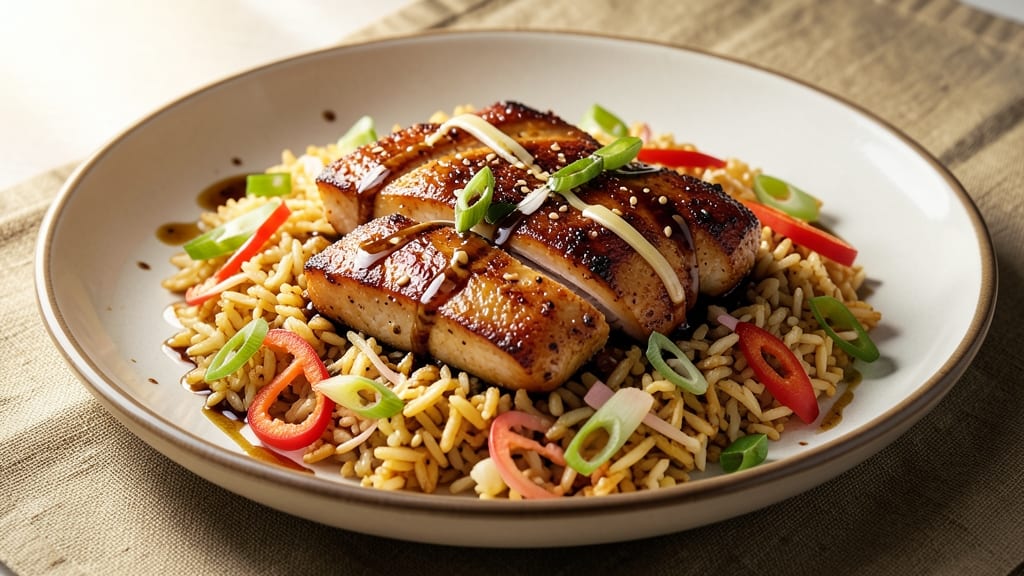
This chicken fried rice marinade recipe is the umami-packed foundation that transforms simple ingredients into restaurant-quality wok perfection. 🔥 The secret lies in balancing soy sauce's deep savoriness with fresh ginger's bright heat, creating a marinade that tenderizes chicken while building layers of flavor.
I developed this after years of perfecting my fried rice technique—it's the one sauce that makes all the difference.
The marinade combines simple pantry staples: soy sauce for that signature umami depth, minced garlic and ginger for aromatic punch, and a touch of sesame oil for nutty richness. Cornstarch helps create a light, velvety coating that caramelizes beautifully during cooking.
Let the chicken marinate for at least 30 minutes (or overnight for maximum flavor penetration), and you'll get perfectly tender pieces with a flavorful crust.
What sets this marinade apart is its ability to elevate any fried rice dish—whether you're cooking for a crowd or a weeknight dinner. The sauce works equally well for stir-frying or quick pan-searing, delivering that perfect balance of savory, slightly sweet, and aromatic notes.
Store any leftovers in the refrigerator for up to 5 days, or freeze for longer storage.
This isn't just another soy sauce marinade—it's the professional-grade base that turns home-cooked fried rice into something truly special. The technique is straightforward, but the results are restaurant-quality every time. Let's get started on creating your perfect wok foundation.
Ingredients for chicken fried rice marinade
Nine simple ingredients blend into a restaurant-worthy marinade that turns plain chicken into wok perfection.
| Ingredient | Amount | Notes |
|---|---|---|
| Light Soy Sauce 🥢 | ½ cup | High-quality, low-sodium preferred |
| Dark Soy Sauce 🥢 | 1 tbsp | For deeper color and flavor |
| Fresh Ginger 🧄 | 2 tbsp | Finely grated, aromatic |
| Garlic Cloves 🧄 | 4 cloves | Minced, fresh preferred |
| Sesame Oil 🫒 | 1 tbsp | Toasted, for nutty aroma |
| Cornstarch 🌾 | 2 tbsp | For velvety coating |
| Rice Vinegar 🍶 | 1 tbsp | Balances flavors, mild acidity |
| Honey 🍯 | 1 tbsp | Or maple syrup for vegan |
| Ground White Pepper 🌶️ | ½ tsp | Freshly ground for warmth |
| Vegetable Oil 🫒 | 1 tbsp | For blending and searing |
The soy sauces are non-negotiable—Kikkoman light and dark soy are my go-tos, but any high-quality brands work. Fresh ginger and garlic? Don’t skimp—the aromatic punch is what separates home cooking from restaurant-level flavor. For ginger, grab the organic root from the produce section—it’s worth the extra buck for that bright, zesty kick. If you’re using pre-minced garlic, toast it first in the oil for deeper flavor. Sesame oil should smell nutty and toasted—not rancid. Trader Joe’s or Whole Foods have the best quality at reasonable prices.
No dark soy sauce? Swap 1 tbsp of molasses or 1 tsp of sugar into the light soy for color. Fresh ginger too spicy? Peel it first—that’s where most of the heat lives. Out of honey? Maple syrup or agave work 1:1. The cornstarch is your secret weapon—it creates that crispy, caramelized crust when seared. Bob’s Red Mill is my preferred brand, but any fine cornstarch will do. For extra umami, add 1 tsp of fish sauce (if not vegetarian) or 1 tsp of soy-based vegan fish sauce.
This marinade keeps for 5 days in the fridge sealed in an airtight container, or 3 months in the freezer in ice cube trays for single-use portions. Double the batch—it’s perfect for stir-fries, dumplings, or even as a dipping sauce. Let it sit at room temp for 10 minutes before using for best results. Pro tip: Add a splash of hot water when blending to emulsify the cornstarch for a silky texture.
Why You'll Love This Recipe
- Pantry Magic: I swear by this marinade—no specialty items, just what’s already lurking in your cabinet. Light and dark soy sauce swap out for expensive sauces, while garlic and ginger add depth with zero fuss.
- Umami Bomb: That sesame oil hit? Chef’s kiss. It’s the secret weapon turning simple rice into something dangerously addictive. Honestly, the first time I tasted it, I doubled the recipe on purpose.
- Lunchbox Hero: Pack it cold or reheat it hot—this marinade works for takeout-style bowls, stir-fries, or even a quick fried rice hack. My college kid still texts me asking for the recipe after three years.
- Budget Stretch: A few cents’ worth of soy sauces and ginger stretch into meals for days. I’ve fed a houseful with leftovers, and nobody ever complains—just empty plates and happy faces. (Yes, even on a Tuesday night.)
Step-by-step instructions for chicken fried rice marinade
This umami-packed marinade transforms simple chicken into restaurant-quality fried rice starters.
👨🍳 Step 1: Grate and Mince the Aromatics
Use a microplane to grate the 2 tbsp fresh ginger into a fine paste—this ensures maximum surface area for flavor infusion. For the 4 cloves garlic, I like to use the flat side of my chef's knife to crush them first, then finely mince. The goal is to create a smooth, even texture that blends seamlessly with the other ingredients.
Here's the thing—fresh ginger and garlic make all the difference. Pre-minced versions often contain preservatives that dull the flavor. Take your time with this step; it's where the foundation of your marinade's complexity begins. Once you have both aromatics finely textured, transfer them to a mixing bowl.
🍳 Step 2: Whisk Soy Sauces and Sweet Elements
In the same bowl, add the 0.5 cup light soy sauce and 1 tbsp dark soy sauce—this combination gives you both the salty depth of light soy and the rich, caramelized color of dark soy. Stir in the 1 tbsp honey and 1 tbsp rice vinegar next. The honey adds subtle sweetness that balances the saltiness, while the vinegar introduces a bright acidity that cuts through the richness.
I always whisk these ingredients together first before adding anything else. This ensures the soy sauces and sweet elements fully emulsify. You'll notice the mixture darken slightly as the honey and vinegar integrate—this is exactly what you want. The marinade should look smooth and cohesive at this stage.
🥘 Step 3: Build the Thickening Base
In a separate small bowl, whisk together the 2 tbsp cornstarch with 1 tbsp sesame oil until completely dissolved. This creates a smooth slurry that will later give your marinade that signature velvety coating when applied to chicken. The sesame oil adds nutty depth that complements the soy flavors perfectly.
Now, gradually pour this cornstarch mixture into your soy sauce blend while whisking continuously. You want to avoid any lumps forming—this is where most people mess up. Keep whisking until the mixture thickens slightly and becomes glossy. The texture should be like a thin batter, coating the back of your spoon. This is your marinade's thickening agent that will create that perfect wok-seared crust later.
🔥 Step 4: Finish with Pepper and Oil
Add the 0.5 tsp ground white pepper and 1 tbsp vegetable oil to the marinade. The pepper adds warmth without the sharpness of black pepper, while the vegetable oil helps the marinade cling better to the chicken. Give it one final stir to combine everything thoroughly.
At this point, your marinade should be a beautiful amber color with a smooth, slightly thick consistency. If it's too thick, add 1-2 teaspoons of water to adjust. The perfect marinade should coat the back of a spoon but still be pourable. This balance ensures maximum flavor penetration while creating that coveted crispy crust when seared.
⏰ Step 5: Rest Before Using (Don't Skip!)
Transfer the completed marinade to an airtight container and let it rest at room temperature for at least 30 minutes—I prefer 1 hour if possible. This resting period allows all the flavors to meld together and the cornstarch to fully hydrate. The longer it sits, the more complex the flavor profile becomes.
Real talk: I've seen people skip this step and use the marinade immediately. Big mistake. The resting time is what transforms this from a good marinade to a great one. When you're ready to use it, simply toss your chicken pieces in the marinade, coating them thoroughly. For best results, marinate the chicken for at least 30 minutes before cooking—this ensures maximum flavor penetration and that perfect crust when you wok-sear it.
Pro Tips For Making Chicken Fried Rice Marinade
- Minced, Not Chopped: Ginger and garlic in fried rice marinades need to disappear completely—no visible specks. Use a fine grater for ginger (peel first) and smash garlic cloves flat with the side of your knife before mincing. I used to leave tiny chunks, and they’d sit like little bitter landmines in every bite.
- Balance Soy Sauce Colors: Dark soy sauce is for color, not flavor—use just 1 teaspoon per cup of light soy. Too much turns your marinade muddy and overpoweringly salty. Taste as you go: the light soy carries the umami punch, while dark soy just gives that glossy, restaurant-style sheen.
- Toast the Garlic First: Sauté minced garlic in sesame oil for 30 seconds before adding soy sauces. This prevents it from turning bitter and adds a nutty depth that cuts through the saltiness. Skip this, and your marinade will taste raw and sharp—like someone forgot to cook the garlic.
- Marinate for 15 Minutes: Chicken absorbs flavors fast, but 15 minutes lets the soy sauces tenderize the meat while the ginger and garlic infuse properly. Dump it in the morning, and you’ll get a bland, watery result—no one wants soggy fried rice later.
Make-ahead tips for leftovers
Prep Ahead Strategy
Make this marinade up to 3 days in advance and store it in an airtight container in the fridge. The flavors deepen over time as the soy sauce and aromatics meld together beautifully.
I often double the batch on Sundays so I'm ready for quick weeknight fried rice dinners. The cornstarch keeps the marinade stable without clumping, making it perfect for meal prep. 💡
Chicken Prep Timeline
Cut your chicken into 1-inch cubes and store them in a separate airtight container with the marinade. I recommend marinating for at least 4 hours (overnight is even better) for maximum tenderness.
The longer the chicken sits, the more the marinade penetrates, creating that perfect balance of juicy interior and crispy exterior. Label your containers with dates to track freshness. ⏰
Freezer-Friendly Portions
Divide the marinade into ice cube trays for single-use portions. Once frozen solid, transfer the cubes to a freezer bag. This method works perfectly for individual fried rice servings or quick stir-fry chicken.
Thaw overnight in the fridge before using - no microwave required. I keep these in my freezer for those unexpected cravings or when I need to throw together a meal fast. ❄️
Marinated Chicken Storage
After marinating, store the chicken in its marinade in the fridge for up to 2 days before cooking. The marinade acts as a natural preservative while keeping the chicken incredibly flavorful. For longer storage, transfer the marinated chicken to a freezer bag with any leftover marinade.
Cook directly from frozen - no thawing needed! This is my go-to method for busy weeknights when I need fried rice in a flash. 💪
Reheating Tips
When reheating marinated chicken, use a non-stick skillet over medium-high heat with 1 tbsp vegetable oil. Add the chicken and cook for 3-4 minutes per side until heated through. The residual marinade will create a beautiful caramelized crust.
For extra flavor, add 1 tsp of the original marinade to the pan while reheating. This brings back that restaurant-quality taste you love. 🔥
Fridge-to-Wok Ready
Keep your marinated chicken in the fridge in a sealed container with a splash of the marinade. This prevents drying out while keeping everything ready for that perfect wok sear.
I like to portion the chicken into quart-sized containers with enough marinade to coat the bottom - this makes it easy to grab exactly what I need for each serving. The key is to keep it cold until you're ready to cook to maintain that crispy texture. 🍳
Nutrition facts
Frequently asked questions
Can I use this marinade for other proteins besides chicken?
This umami-packed marinade works beautifully with shrimp, tofu, or even beef strips for stir-fries. The soy-ginger base translates perfectly across proteins—just adjust marinating times (shrimp needs only 15-20 minutes while beef benefits from 2-4 hours). For seafood, reduce the marinating time to avoid over-tenderizing.
What's the difference between light and dark soy sauce in this recipe?
The light soy sauce provides the salty, savory depth while the dark soy sauce adds that signature caramelized color and slightly sweeter, molasses-like flavor. Using both creates the perfect balance—deep umami flavor with visual appeal. If you're out of dark soy, substitute with 1 tbsp molasses mixed into the light soy sauce.
How do I fix a marinade that's too thick or too thin?
For a thick marinade, stir in 1-2 teaspoons of warm water until smooth. If it's too thin, whisk in ½ teaspoon of cornstarch mixed with 1 teaspoon of water to thicken. The ideal consistency should coat the back of a spoon but still be pourable—this ensures both flavor penetration and that perfect wok crust.
Can I make this marinade without cornstarch?
Yes, but you'll miss that signature crispy crust. For a cornstarch-free version, replace it with 1 tbsp arrowroot powder or 1 tsp potato starch. The marinade will be slightly thinner, but still delicious. Just be aware the chicken may be less crispy when cooked—great for steamed or poached dishes where texture isn't as critical.
Why does my chicken turn out dry when using this marinade?
Over-marinating (beyond 8 hours) or using too much acid (vinegar) can break down proteins and cause dryness. For best results, marinate chicken for 30 minutes to 4 hours max. Also ensure you're using 1-inch chicken cubes—larger pieces need proportionally longer marinating times. Always pat chicken dry before cooking to promote better browning.