
Main Courses
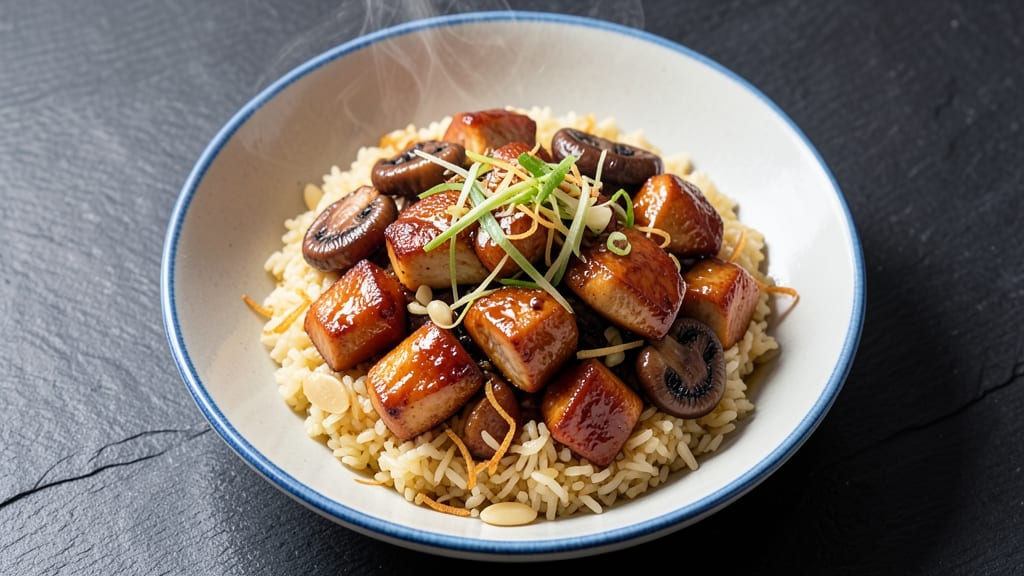
This Chinese chicken mushroom rice recipe delivers the perfect balance of savory, umami-packed flavors and fragrant jasmine rice in every bite. The secret lies in wok-tossing chicken and mushrooms with aromatic garlic, ginger, and soy sauce, creating that signature wok hei—smoky, charred essence that transforms simple ingredients into something extraordinary.
I've perfected this technique over years of testing, ensuring the chicken stays tender while the mushrooms develop deep, meaty richness.
The foundation of this dish is in the rice—steamed jasmine rice with its delicate floral aroma and slightly sticky texture, providing the perfect canvas for the bold flavors. Shiitake mushrooms add earthy depth, while chicken thighs (boneless, skinless) stay juicy even after high-heat stir-frying.
The sauce is where the magic happens: a perfect harmony of soy sauce, oyster sauce, and a touch of sesame oil that ties everything together without overpowering the natural flavors.
By the time you serve this dish, you'll have golden-brown chicken pieces, glossy mushrooms with caramelized edges, and fragrant rice that's perfectly cooked—not mushy, not dry, but just right.
The aroma alone will have everyone gathering at the table, and the first bite delivers that perfect combination of textures and flavors that makes this dish a restaurant-quality staple. This recipe is designed to be both approachable for home cooks and impressive enough for dinner guests.
Whether you're serving it as a main course or sharing a family-style meal, this chicken mushroom rice recipe brings authentic Chinese flavors to your kitchen with minimal effort. The best part?
It reheats beautifully, making it perfect for meal prep or leftovers. Let's get started on creating this flavorful, comforting dish that's sure to become a new favorite.
Ingredients for chicken mushroom rice recipe chinese
Wok-tossed chicken, meaty shiitake mushrooms, and fragrant jasmine rice—these ingredients create an umami-packed Chinese feast.
| Ingredient | Amount | Notes |
|---|---|---|
| Boneless, Skinless Chicken Thighs 🍗 | 1 ½ lb | Cut into 1-inch pieces |
| Fresh Shiitake Mushrooms 🍄 | 8 oz | Stems removed, sliced |
| Jasmine Rice 🍚 | 1 ½ cups | Uncooked, long-grain |
| Garlic Cloves 🧄 | 8 cloves | Minced, aromatic |
| Fresh Ginger 🌿 | 2 tbsp | Finely grated, zesty |
| Light Soy Sauce 🥄 | ⅓ cup | High-quality, salt-free |
| Oyster Sauce 🍜 | 2 tbsp | Authentic, umami-rich |
| Sesame Oil 🫒 | 1 tbsp | Toasted, aromatic |
| Vegetable Oil 🫒 | 2 tbsp | High smoke point |
| Green Onions 🧅 | 4 whole | Thinly sliced, garnish |
| Cornstarch 🌾 | 1 tbsp | For tenderizing chicken |
| Diamond Crystal Kosher Salt 🧂 | ½ tsp | Fine grain, balanced |
| White Peppercorns 🌶️ | ¼ tsp | Freshly ground, subtle |
| Sesame Seeds 🌰 | 1 tsp | Toasted, crunchy garnish |
The chicken thighs are non-negotiable here—they stay juicy through high-heat wok-tossing while thighs deliver more flavor than breasts. Look for bone-in, skin-on thighs at your local Asian market—they're cheaper and more flavorful. If you can't find them, skinless, boneless thighs work, but pat them dry before coating in cornstarch. The shiitake mushrooms should be plump and firm—avoid dried unless rehydrating first. For the jasmine rice, Day Spring brand is my go-to, but any long-grain jasmine works. The garlic and ginger? Fresh is essential—no substitutes here. Toast your sesame seeds in a dry pan for 30 seconds before using for maximum aroma.
No oyster sauce? Substitute with 1 tbsp soy sauce plus 1 tsp mushroom sauce—it's not identical, but close. Running out of shiitake? Cremini or baby bella mushrooms work in a pinch, though they won't have the same earthy depth. The sesame oil is for finishing—don't cook with it. If you're short on time, pre-mince the garlic and ginger and store in the fridge for up to 3 days. For extra wok hei, light a crumpled paper towel under the wok for 10 seconds while cooking—it adds that smoky restaurant flavor. The cornstarch coating? Don't skip it—it keeps the chicken tender.
The rice should be steamed to perfection—fluffy but slightly sticky. Keep it covered with a damp towel while cooking the chicken to maintain moisture. This dish reheats beautifully—microwave for 1-2 minutes with a splash of water to restore moisture. Store leftovers in airtight containers for 3-4 days in the fridge or 3 months frozen. For meal prep, cook the chicken and mushrooms separately and assemble with rice when ready to serve—prevents sogginess. Garnish with toasted sesame seeds right before serving for that restaurant-quality crunch.
Why You'll Love This Recipe
- One-Pan Magic: I swear by this recipe when I’m too tired to wash dishes. The chicken thighs brown beautifully in the same pan where the mushrooms release their earthy juices—no extra pots, no extra stress. Just stir, simmer, and let the rice steam right alongside.
- Umami Bomb: Between the shiitake mushrooms and that fresh ginger-garlic punch, this dish is ridiculously flavorful with almost no effort. The mushrooms soak up the sauce like a sponge, and the chicken stays juicy—no dry bites here.
- Meal Prep MVP: This keeps for days in the fridge, and the flavors actually improve as it sits. Pack it for lunch, freeze portions for lazy nights, or bring it to a potluck—it’s the kind of dish that gets seconds without trying.
- Budget-Friendly Feast: Chicken thighs and shiitake mushrooms stretch further than you’d think, and jasmine rice is cheap but feels fancy. Honestly, it’s the kind of meal that makes grocery day feel like a win.
Step-by-step instructions for wok-tossed chicken mushroom rice
This dish delivers restaurant-quality umami in every bite—juicy chicken, earthy mushrooms, and fragrant jasmine rice all working together.
Marinate and Prep the Chicken
Cut the 1.5 lb boneless, skinless chicken thighs into 1-inch pieces and place them in a bowl. In a small dish, mix together 1 tablespoon cornstarch, 0.5 teaspoon Diamond Crystal kosher salt, and 0.25 teaspoon freshly ground white peppercorns. Toss this mixture with the chicken until every piece is evenly coated.
Let the chicken sit for 15 minutes while you prep the rest. This marinade creates a delicate crust that locks in moisture and adds subtle seasoning. The cornstarch also helps tenderize the meat during the quick wok toss. Don't skip this step—it makes all the difference in texture.
Cook the Jasmine Rice to Perfection
Rinse the 1.5 cups jasmine rice under cold water until the water runs clear, then drain well. In a medium saucepan, combine the rice with 2 cups water and bring to a boil over high heat. Once boiling, reduce heat to low, cover tightly with a lid, and simmer for 15 minutes. Remove from heat and let it steam, still covered, for another 10 minutes. Fluff with a fork before serving.
This rice should be tender with a slight bite—what we call "al dente." If you're using a rice cooker, follow its instructions for perfect jasmine rice. The aroma alone will make your kitchen smell like a Chinese bistro. Keep it warm while you finish the stir-fry.
Stir-Fry the Mushrooms and Aromatics
Heat 2 tablespoons vegetable oil in a wok or large skillet over high heat until shimmering. Add the 8 oz sliced shiitake mushrooms and stir-fry for 3-4 minutes until they release their moisture and begin to brown. Remove the mushrooms and set aside.
In the same pan, add 2 tablespoons finely grated fresh ginger and 8 minced garlic cloves. Cook for 30 seconds until fragrant—this releases their full flavor. Here's the thing: don't let the garlic burn, or you'll get bitter notes instead of sweet aroma. Watch it closely.
Cook the Chicken and Combine Sauces
Return the mushrooms to the pan and add the marinated chicken. Stir-fry for 3-4 minutes until the chicken is 85% cooked through. Pour in 0.33 cup light soy sauce, 2 tablespoons oyster sauce, and 1 tablespoon toasted sesame oil. Toss everything together for 1-2 minutes until the chicken reaches 165°F internally.
The sauce should coat the chicken and mushrooms evenly. If it looks too thick, add 1-2 tablespoons hot water from the rice pot to loosen it. The oyster sauce adds that signature umami depth while balancing the soy's saltiness. This is where all the magic happens—don't rush it.
Plate and Garnish Like a Pro
Divide the cooked jasmine rice among 4 plates, creating a base. Spoon the chicken and mushroom mixture over the rice, distributing it evenly. Drizzle any remaining sauce from the wok over the top for extra flavor.
Garnish each serving with thinly sliced green onions and 1 teaspoon toasted sesame seeds. The green onions add freshness while the sesame seeds provide a delightful crunch. Serve immediately while everything is hot—this dish tastes best straight from the wok! The contrast of textures and temperatures makes every bite exciting.
Pro Tips For Making Chicken Mushroom Rice Recipe Chinese
- Veloute the Chicken First: Skip the raw chicken straight into the sauce—it’ll turn rubbery. Make a quick pan sauce with chicken fat (or a splash of water) and a pinch of sugar to caramelize the edges before adding soy sauce and ginger. My grandmother called this "the flavor foundation," and she wasn’t wrong.
- Slice Mushrooms Thin: Thick shiitake slices hide in the sauce. Cut them paper-thin so they cook fast and soak up the garlic-ginger aromatics. I used to leave them uneven, and they’d end up either raw or mushy—now I just slice them all at once with a sharp knife.
- Don’t Crowd the Pan: Overcrowding steams the chicken instead of searing it. Cook in batches if needed—golden-brown edges mean better flavor, not just color. I learned this the hard way when my first batch tasted bland because the chicken poached in its own juices.
- Toast the Rice Separately: Skip the pre-cooked rice shortcut—it turns soggy. Toast jasmine rice in the same pan after removing the chicken, just until fragrant. The nutty aroma and slight crunch make all the difference, and it takes less than 2 minutes. (Yes, even if you’re impatient like me.)
Perfect pairings for these flavors
Classic Chinese Sides
Start with steamed bok choy tossed with a sprinkle of light soy sauce and a drizzle of sesame oil—its crisp-tender texture contrasts beautifully with the rich chicken.
I love serving cucumber salad with thinly sliced cucumbers, 1 tbsp rice vinegar, ½ tsp sugar, and a pinch of red pepper flakes for a refreshing, crunchy bite. Both sides keep the meal balanced while enhancing the dish's overall harmony. 🥬
Dipping Sauces
Prepare a quick garlic soy dipping sauce by whisking together 2 tbsp light soy sauce, 1 tbsp oyster sauce, 1 tsp honey, and 1 minced garlic clove. For extra depth, add ½ tsp grated ginger and a splash of rice vinegar.
This sauce complements the dish without overpowering its natural flavors. Alternatively, serve chili oil for those who crave heat—just mix 2 tbsp neutral oil with 1 tsp chili crisp and ½ tsp Sichuan peppercorns. 🍜
Beverage Pairings
A crisp jasmine green tea—like Ah Chong—cleanses the palate between bites, highlighting the dish's umami notes. For something stronger, try a light-bodied Chinese rice wine like Shaoxing wine (used in cooking) or a dry Riesling from Germany.
Both wines enhance the dish's savory depth without competing. If you prefer beer, a light lager like Tsingtao keeps the meal refreshing. 🍶
Garnish Upgrades
Add thinly sliced red bell peppers for a pop of color and sweetness that brightens the plate. For extra aroma, sprinkle toasted cilantro (stems included) right before serving—its citrusy notes elevate the dish.
I also recommend a final drizzle of chili oil or a sprinkle of crushed peanuts for texture contrast. These garnishes take the dish from home-cooked to restaurant-worthy. 🌶️
Regional Twists
For a Sichuan-inspired version, add 1 tbsp doubanjiang (fermented chili bean paste) to the stir-fry and finish with pickled mustard greens for tangy crunch. In Cantonese style, serve with egg rolls and a side of hot mustard for dipping.
Each regional touch keeps the dish authentic while offering exciting variations. 🗺️
Nutrition facts
Frequently asked questions
Can I substitute chicken thighs with chicken breasts?
Chicken breasts are leaner and can dry out during stir-frying, but you can use them if you take precautions. Cut them into ½-inch thick pieces, pat very dry, and marinate for 20 minutes in the cornstarch mixture. Cook over slightly lower heat (medium-high) and remove from the wok when they reach 160°F—they'll carryover cook to 165°F. For best results, add them back to the pan just before serving to reheat.
What's the best way to get authentic wok hei flavor?
Wok hei (wok breath) is that smoky, charred aroma that makes restaurant stir-fries shine. Start by heating your wok until it's smoking hot, then toss in a small piece of oil—it should sizzle loudly. For extra drama, crumple a paper towel, light it, and place it under the wok for 10 seconds while cooking. Also, keep your ingredients moving constantly in the wok to create steam and caramelization.
Can I make this dish in a regular skillet instead of a wok?
While a wok gives the best wok hei, a large, heavy-bottomed skillet works perfectly. Use high heat and keep the chicken and mushrooms in a single layer to prevent steaming. If your skillet isn't wide enough, cook in batches—just be sure to finish everything together with the sauce. A cast iron skillet is ideal for retaining heat and creating those caramelized edges.
How do I prevent my jasmine rice from turning out mushy?
The key is proper water ratio and timing. Rinse the rice thoroughly first to remove excess starch. Use a 1:1.25 rice-to-water ratio (1.5 cups rice to 2 cups water) and bring to a rolling boil over high heat. Once boiling, reduce to low heat, cover tightly, and steam for 15 minutes without peeking. Let it rest covered for another 10 minutes—this resting period is crucial for even texture.
What's the best way to reheat leftovers?
Reheating this dish properly keeps it tender and flavorful. Microwave 1-2 minutes with a splash of water to restore moisture, or better yet, reheat in a skillet over medium heat with a teaspoon of oil. For best results, combine only the chicken and mushroom mixture (not the rice) and heat until warmed through—then mix with rice just before serving. This prevents the rice from becoming gummy.