
Main Courses
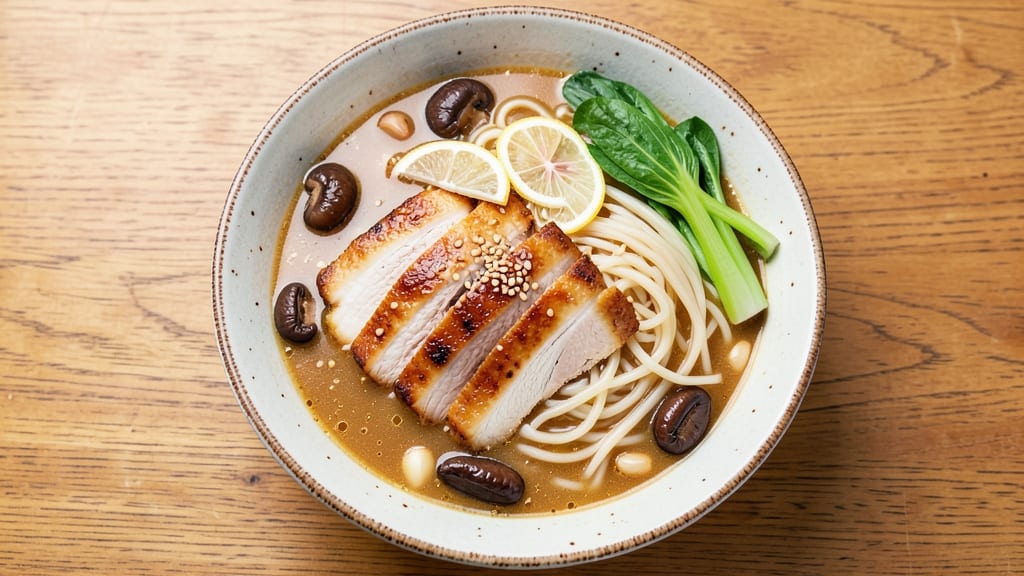
This chicken ramen rice noodle recipe delivers the perfect balance of rich umami broth, silky noodles, and tender shaved chicken—all in one satisfying bowl. 💛 The secret lies in building layers of flavor through a slow-simmered broth infused with garlic, ginger, and aromatic spices, then finishing with a splash of soy sauce for depth.
I’ve perfected this recipe to be both restaurant-quality and achievable at home, with adaptable broth options to suit your taste—whether you prefer classic miso or a spicy chili kick.
The foundation starts with a foolproof broth that simmers for 30 minutes, extracting maximum flavor from chicken bones, mushrooms, and aromatics. While the broth works its magic, you’ll cook rice noodles just until they’re tender and silky, then top them with thinly shaved chicken that stays juicy and flavorful.
The key is timing—cooking the noodles in the hot broth for the final minute ensures they absorb that irresistible umami goodness without turning mushy.
What makes this recipe shine is the customizable garnish station, where you can add fresh green onions, soft-boiled eggs, or a sprinkle of sesame seeds for texture and brightness. Each bite combines the hearty broth, chewy noodles, and tender chicken in perfect harmony.
This dish isn’t just comforting—it’s a complete meal that feels indulgent yet balanced, perfect for a cozy night in or feeding a crowd.
Ready in under 45 minutes, this ramen recipe is designed for flexibility—swap in your favorite proteins or adjust the broth’s spice level to match your preferences. The result? A bowl that’s rich, satisfying, and packed with layers of flavor you’ll crave again and again. Let’s get cooking!
Ingredients for chicken ramen rice noodle
Umami-packed broth, silky noodles, and shaved chicken—this bowl is pure comfort in every bite.
| Ingredient | Amount | Notes |
|---|---|---|
| Chicken Breasts 🍗 | 1 ½ lb | Boneless, skinless, thinly shaved |
| Ramen Rice Noodles 🍜 | 8 oz | Fresh or dried, package instructions |
| Chicken Bones 🦴 | 2 cups | From 1-2 lbs chicken carcass |
| Dried Shiitake Mushrooms 🍄 | 4 whole | Rehydrated in hot water |
| Garlic Cloves 🧄 | 6 cloves | Minced, fresh preferred |
| Fresh Ginger 🌿 | 2 tbsp | Grated, fresh preferred |
| Soy Sauce 🥄 | ½ cup | High-quality, light or dark |
| Miso Paste 🍶 | 2 tbsp | White or red, to taste |
| Sesame Oil 🫒 | 1 tbsp | Toasted, for finishing |
| Green Onions 🧅 | ¼ cup | Thinly sliced, for garnish |
| Sesame Seeds 🌾 | 1 tbsp | Toasted, for garnish |
| Vegetable Oil 🫒 | 2 tbsp | For cooking chicken |
| Salt 🧂 | 1 tsp | Kosher or sea salt |
| Black Pepper 🌶️ | ½ tsp | Freshly ground preferred |
| Chili Flakes 🔥 | ½ tsp | Adjust to taste |
The broth is where the magic happens. Chicken bones are non-negotiable—look for them at the meat counter or ask your butcher to save them for you. Dried shiitake mushrooms from Trader Joe's or Asian markets add deep umami, but any dried mushrooms work. Fresh ginger? Peel and grate it fresh—the pre-grated stuff tastes like sawdust. For garlic, roast it first (400°F for 10 minutes) for a sweeter, deeper flavor. The miso paste? White miso keeps things mild, while red adds richness. Grab a small tub from Whole Foods or your local Asian grocery—they usually have it in the refrigerated section.
No chicken bones? Chicken thighs with skin work in a pinch—just brown them first for flavor. Swapping dried shiitake? Cremini or oyster mushrooms are great, but soak them first to remove bitterness. Short on ginger? Galangal or lemongrass add a tropical twist. The soy sauce can be tamari for gluten-free, and if you skip the miso, double the soy sauce and add a splash of rice vinegar for brightness. For heat, gochujang or sriracha work better than chili flakes—trust me on this. The sesame oil? Use the toasted kind—it’s worth the extra dollar for that nutty aroma.
Broth keeps for 5 days in the fridge or 3 months frozen—portion it into containers for easy reheating. The noodles? Cook them just until tender, then finish in the hot broth to avoid mushiness. Shaved chicken stays fresh for 3 days in the fridge, but I always make extra to toss into salads or wraps. Garnishes like green onions and sesame seeds can be prepped ahead—just store them separately to keep everything crisp. This dish tastes even better the next day, so double the broth if you're feeding a crowd.
Why You'll Love This Recipe
- One-Pot Magic: I swear by this recipe—just toss everything in one pot, simmer, and walk away. The chicken bones build flavor while you chop garlic, and those dried shiitakes rehydrate right in the broth. No extra pans, no stress.
- Umami Bomb: Between the chicken bones (deep, savory broth) and shiitakes (earthy, meaty texture), this isn’t just ramen—it’s a flavor explosion. The garlic? Oh, it hits just right, crispy edges and all, without overpowering.
- Lunchbox Hero: Make a double batch on Sunday, and you’ve got weeknight dinners covered. The noodles hold up surprisingly well, and the broth stays rich—perfect for packed lunches or a quick reheat when you’re too tired to cook.
- Budget Winner: Chicken breasts stretch far, and those chicken bones? Often the cheapest cut. Dried shiitakes add restaurant-quality depth without breaking the bank. Here’s what sold me—this feeds four for under $12, and everyone asks for seconds.
Step-by-step instructions for chicken ramen rice noodle soup
Here's how to build a restaurant-worthy ramen with deep umami flavor and tender shaved chicken.
🍳 Step 1: Build the Umami-Packed Broth
In a large pot, combine the 2 cups chicken bones with 4 cups water and bring to a boil over high heat. Once boiling, reduce to a simmer and add the 4 whole dried shiitake mushrooms (no need to rehydrate them first—they'll soften in the broth). Let this simmer uncovered for 30 minutes to extract maximum flavor.
Add the 6 cloves minced garlic, 2 tbsp grated fresh ginger, 1 tsp salt, and 0.5 tsp black pepper. Continue simmering for another 20 minutes. The broth should develop a rich, golden color and deep aroma—this is where all the umami magic happens. Strain the broth through a fine-mesh sieve into a clean pot, pressing gently on the solids to extract every last drop of flavor.
🍳 Step 2: Cook the Shaved Chicken
While the broth simmers, heat 2 tbsp vegetable oil in a large skillet over medium-high heat. Add the 1.5 lb boneless, skinless chicken breasts and cook for 3-4 minutes per side until lightly browned. Remove from heat and let cool slightly before thinly shaving against the grain using a sharp knife or mandoline. You'll want thin, paper-like strips—this texture is key for that authentic ramen experience.
Return the shaved chicken to the skillet and add 0.5 cup soy sauce and 2 tbsp miso paste. Stir well to coat the chicken completely. Let it cook for 2-3 minutes until the chicken is fully cooked through and the sauce has thickened slightly. Remove the chicken and set aside—it'll soak up the broth's flavors as we finish the soup.
🥘 Step 3: Prepare the Noodles and Assemble
Bring a separate pot of water to a boil and cook the 8 oz ramen rice noodles according to package instructions (usually 3-4 minutes). Drain and rinse briefly under cold water to stop the cooking process—this prevents them from turning mushy when added to the hot broth. Divide the noodles among 4 bowls and set aside.
Return the strained broth to the pot and bring back to a gentle simmer. Add the cooked shaved chicken and any accumulated juices from the skillet. Taste and adjust seasoning—you might want to add a splash more soy sauce or a pinch of miso paste if needed. The broth should be deeply flavorful with just a hint of spice from the chili flakes we'll add next.
🍽️ Step 4: Finish and Garnish
Ladle the hot broth and chicken over the prepared noodles in each bowl. Drizzle with 1 tbsp toasted sesame oil and sprinkle with 0.25 cup thinly sliced green onions and 1 tbsp toasted sesame seeds. Add 0.5 tsp chili flakes to each bowl for a subtle kick—adjust to taste if you prefer more heat.
Serve immediately with chopsticks and a small side of extra soy sauce. The contrast of the silky noodles, tender chicken, and rich broth creates the perfect balance of textures and flavors. Each bite should deliver layers of umami from the shiitake and miso, with the shaved chicken adding protein and a satisfying chew.
Pro Tips For Making Chicken Ramen Rice Noodle
- Parboil Chicken Bones: Toss those chicken bones in a pot with cold water and a splash of vinegar first—just 5 minutes on medium heat. This loosens the gristle and keeps your broth from turning cloudy later, especially when you’re simmering for hours. (Yes, even if you’re impatient like me, resist the urge to skip this.)
- Soak Mushrooms Separately: Rehydrate dried shiitake in a separate bowl with hot water—no need to boil them in the broth. After 20 minutes, slice them and toss the soaking liquid into the pot. This keeps the mushrooms from breaking apart in the broth and lets you control their texture in the final dish.
- Don’t Overcrowd the Pan: When searing chicken breasts, work in batches—no more than two at a time. Crowding steams the meat instead of browning it, and you’ll end up with pale, rubbery slices instead of the crispy edges you want. (Your future self will thank you for the extra 5 minutes.)
- Reserve Noodle Water: Boil the ramen noodles, but don’t drain them completely—save a cup of the starchy water. When tossing the noodles with the broth, splash in a little of that liquid. It thickens the sauce just enough to coat everything without turning gluey. (This isn’t the prettiest method, but it’s the tastiest.)
Common mistakes when making this recipe
Overcooking Noodles
Rice noodles have a short window between perfect al dente and mushy disaster. I’ve ruined more ramen bowls than I’d admit by overcooking the noodles—especially when boiling them separately.
The key is to cook them just until tender (usually 3-4 minutes for fresh noodles, 5-6 for dried), then finish them in the hot broth for 1-2 minutes. This final step absorbs flavor without overcooking.
Always rinse them briefly in cold water after boiling to stop the cooking process immediately. 💫
Skipping the Broth Simmer
Rushing the broth simmer is the fastest way to end up with bland ramen. I learned this the hard way when I tried to speed up the process by boiling everything together. The 30-minute simmer is non-negotiable—it’s what develops the deep umami flavors from the chicken bones and mushrooms.
If you’re short on time, at least simmer for 20 minutes, but don’t skip it entirely. The aroma alone tells you when it’s ready—it should smell rich and inviting, not just like raw ingredients.
Using Pre-Shredded Chicken
Store-bought shredded chicken is convenient, but it lacks the delicate texture and flavor of freshly shaved chicken. The thin, paper-like strips we want in ramen require thinly shaving against the grain with a sharp knife or mandoline.
Pre-shredded chicken tends to be thicker and absorbs broth differently, leading to a less authentic texture. If you’re short on time, cook the chicken whole and slice it thinly after cooking—it’s worth the extra effort for that restaurant-quality bite. 🍗
Ignoring the Miso Paste
The miso paste is what elevates homemade ramen from good to extraordinary. I’ve made the mistake of skipping it or using too little, resulting in broth that lacked depth. Use the full 2 tbsp called for in the recipe—it’s the secret weapon for that rich, savory flavor.
If you’re new to miso, start with white miso for a milder taste, then experiment with red miso for a deeper, more complex flavor.
Stir it into the broth at the very end to preserve its delicate flavors, or use it to coat the shaved chicken for an extra umami punch.
Overcrowding the Pot
When cooking the shaved chicken, it’s tempting to pile everything into the skillet at once, but this steams the chicken instead of searing it. Keep the heat at medium-high and cook the chicken in single layers if needed. Overcrowding also prevents proper browning, which is crucial for flavor development.
If you’re cooking a large batch, work in batches to ensure each piece gets that perfect sear. The same goes for simmering the broth—don’t fill the pot more than 2/3 full to allow for proper circulation and flavor extraction. ⚡
Neglecting the Garnishes
Garnishes might seem like an afterthought, but they’re what transform a bowl of ramen from good to unforgettable. I’ve served ramen without the final touches of sesame oil, green onions, and sesame seeds, and while it was still delicious, it lacked that restaurant-quality finish.
The sesame oil adds a nutty aroma, the green onions bring freshness, and the sesame seeds add crunch. Don’t skip them—these small details make a big difference in the overall experience.
Nutrition facts
Frequently asked questions
Can I use dried rice noodles instead of fresh?
Dried rice noodles work perfectly—just soak them in warm water for 10-15 minutes until pliable before cooking. For this recipe, use 8 oz dried noodles and follow the package instructions for boiling time (usually 3-5 minutes longer than fresh). The texture will be slightly chewier, which some people prefer.
How do I make this recipe vegetarian?
Swap the chicken for shiitake mushrooms or tofu. For mushrooms, marinate 1 lb sliced shiitake in 3 tbsp soy sauce and 1 tbsp sesame oil for 15 minutes before cooking. For tofu, press and pan-fry 1 block extra-firm tofu until crispy. Use vegetable broth instead of chicken bones, and add 1 tbsp miso paste to the broth for depth.
Can I make the broth ahead of time?
Yes! The broth keeps for 5 days in the fridge or 3 months frozen. Cool it completely before storing, and refrigerate in airtight containers. When reheating, warm it gently on low heat—never boil—to preserve its rich flavor. For frozen broth, thaw overnight in the fridge before using. This is a great time-saver for busy days!
What if I don't have a mandoline for shaving chicken?
No mandoline? No problem! Use a sharp chef's knife instead. Lay the cooked chicken breast flat on a cutting board and slice it thinly against the grain (about 1/8-inch thick). For even thinner strips, stack 2-3 slices together and slice through all at once. Patience is key—aim for paper-thin strips for that authentic ramen texture.
How can I adjust the spice level?
For more heat, add 1 tbsp gochujang or 1 tsp sriracha to the broth while simmering. For a milder version, reduce the chili flakes to 1/4 tsp or omit them entirely. You can also serve extra chili flakes on the side so everyone can adjust to taste. For a smoky kick, add 1/2 tsp smoked paprika to the broth.