
Main Courses
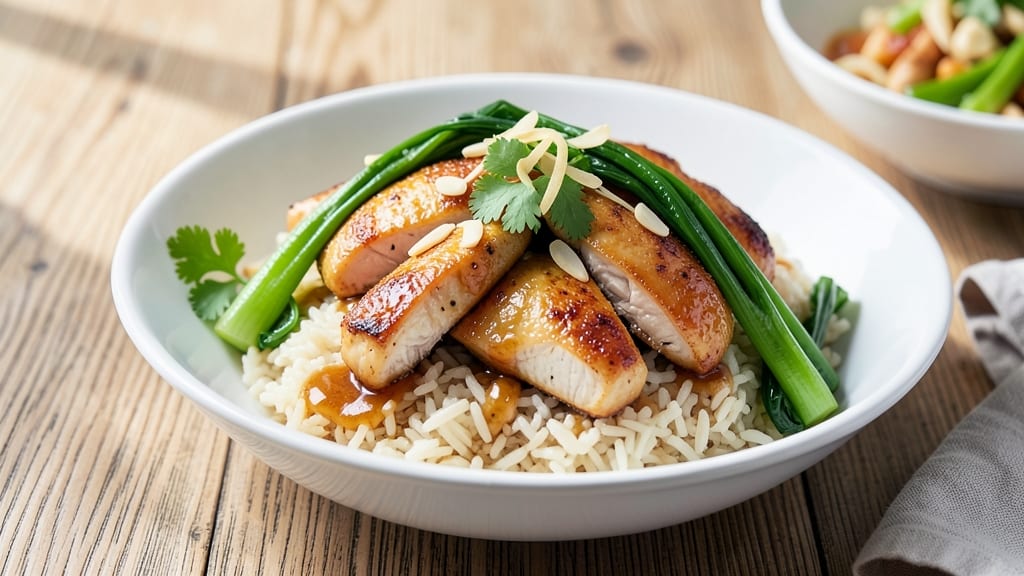
This chicken rice and bok choy recipe delivers restaurant-quality umami harmony in just 25 minutes—no takeout required. The secret lies in balancing tender chicken, fragrant rice, and crisp-tender bok choy in one pan, where aromatics build layer upon layer of flavor.
After years of perfecting balance in my kitchen, this method ensures every bite is rich, savory, and satisfying without sacrificing simplicity.
What makes this dish special is the one-pan technique, where chicken thighs render their juices into the rice while bok choy wilts into perfect crispness. The key ingredients—ginger, garlic, and soy sauce—create that signature umami depth, while a splash of sesame oil adds a finishing touch that elevates everything.
It’s the kind of recipe that transforms a weeknight dinner into something memorable with minimal effort.
By the time you’re done, you’ll have golden-brown chicken, fluffy rice infused with savory aromatics, and bright green bok choy that’s tender yet still holds its shape. The dish is hearty enough to stand alone but versatile enough to pair with extra veggies or a drizzle of chili oil.
This is comfort food at its finest—bold, balanced, and foolproof.
The beauty of this recipe is its adaptability. Use leftover rice or swap in shrimp for a seafood twist, but the core technique remains the same: one pan, one pot, one harmonious meal. Let’s get cooking—your taste buds will thank you.
Ingredients for chicken rice bok choy
The perfect balance of protein, grain, and vegetable—where one pan creates restaurant-quality harmony.
| Ingredient | Amount | Notes |
|---|---|---|
| Boneless, Skinless Chicken Thighs 🍗 | 1 ½ lb | Cut into 1-inch pieces for even cooking |
| Jasmine Rice 🍚 | 1 cup | Uncooked, long-grain preferred |
| Bok Choy 🥬 | 4 whole | Baby or regular, leaves separated |
| Fresh Ginger 🌿 | 1 tbsp | Finely grated, aromatic quality |
| Garlic Cloves 🧄 | 4 cloves | Minced, fresh preferred |
| Low-Sodium Soy Sauce 🍶 | ⅓ cup | Kikkoman preferred for balance |
| Sesame Oil 🫒 | 1 tbsp | Toasted, for finishing touch |
| Vegetable Oil 🫒 | 2 tbsp | High smoke point for searing |
| Green Onions 🧅 | 3 whole | Thinly sliced, for garnish |
| Chicken Broth 💧 | 1 ½ cups | Low-sodium, homemade preferred |
| White Peppercorns 🌶️ | ½ tsp | Freshly cracked for subtle heat |
| Sesame Seeds 🌾 | 1 tsp | Toasted, for texture contrast |
| Diamond Crystal Kosher Salt 🧂 | 1 ½ tsp | Adjust to taste, sea salt works |
The chicken thighs are non-negotiable here—bone-in thighs stay juicier than breasts, but boneless works if that's what you've got. Look for Kikkoman soy sauce at any Asian market or the international aisle of your grocery store; it's the gold standard for this dish. Fresh ginger is a must (no powdered substitutes)—Whole Foods or Trader Joe's carry excellent root ginger. Bok choy should have crisp stems and vibrant green leaves; avoid wilted heads at all costs. For the rice, jasmine's floral notes complement the umami perfectly, but basmati is a fine substitute if that's what you have on hand.
No sesame oil? Toasted peanut oil works in a pinch, though it lacks the nutty depth. Substituting shrimp for chicken? Use 1 lb large shrimp instead, but reduce soy sauce to 0.25 cup to avoid overpowering. The chicken broth can be swapped for vegetable broth, though it'll lack depth—homemade chicken stock is ideal. If you're using day-old rice, add an extra 1 tbsp water to the pan. The green onions can be swapped for scallions, but the white parts only—keep the greens for garnish.
This dish tastes even better the next day—double the batch if you can. Store leftovers covered in the fridge for 3-4 days, or freeze portions for up to 3 months. Reheat gently in a skillet with a splash of water to restore moisture. For extra crispiness, broil bok choy for 2-3 minutes before serving. The sesame seeds toast beautifully in a dry pan for 30 seconds—do this just before serving for maximum aroma.
Why You'll Love This Recipe
- One-Pot Magic: I swear by this trick—just toss everything in one pot (or pan) and let the rice steam while the chicken simmers. The bok choy wilts into crisp-tender perfection without any extra bowls or pans to wash. Between us, that’s my kind of weeknight win.
- Umami Bomb: That combo of ginger, garlic, and chicken thighs? It’s like a flavor explosion in your mouth. The rice soaks up all the savory goodness, while the bok choy adds a fresh, slightly bitter crunch that cuts through the richness. Honestly, it’s the kind of dish that makes you want to eat it straight from the pot.
- Lunchbox Hero: This recipe is my go-to for meal prep—it reheats like a dream and keeps its texture for days. Pack the rice and chicken in one container, the bok choy in another, and you’ve got a balanced, satisfying lunch that’ll have coworkers asking for seconds. (Yes, even on a Tuesday night.)
- Budget-Friendly Feast: Chicken thighs and bok choy stretch this dish into a full meal without breaking the bank. A single bag of jasmine rice and a few cloves of garlic make it last for leftovers, and you’ll still feel like you’re dining out. I’ll be real: my wallet thanks me every time.
Step-by-step instructions for chicken rice and bok choy
This one-pan method delivers perfectly balanced flavors and textures in under 30 minutes.
Sear the Chicken and Prepare the Rice Base
Heat a large, deep skillet or wok over medium-high heat and add the 2 tablespoons vegetable oil. Once shimmering, carefully add the 1.5 lb boneless, skinless chicken thighs, cut into 1-inch pieces, in a single layer. Let them sear undisturbed for 3-4 minutes until developing a deep golden-brown crust on all sides. This initial searing locks in juices and builds foundational flavor through the Maillard reaction.
Remove the chicken and set aside. In the same skillet, add the 1 cup jasmine rice and stir to coat with the rendered chicken fat. Pour in the 1.5 cups chicken broth and bring to a gentle simmer. Immediately reduce heat to low and cover with a tight-fitting lid. Let the rice cook undisturbed for 12 minutes—this steam bath creates perfectly separate grains with minimal sticking.
Build the Umami Flavor Foundation
While the rice cooks, return the chicken to the skillet and increase heat to medium-high. Add the 1 tablespoon finely grated fresh ginger, 4 minced garlic cloves, and 1.5 teaspoons diamond crystal kosher salt. Stir everything together for 1 minute until the aromatics become fragrant and the chicken absorbs the seasoning. Here's where the magic happens—the ginger and garlic release their volatile oils, infusing the chicken with complex depth.
Pour in the ⅓ cup low-sodium soy sauce and 0.5 teaspoon cracked white peppercorns, then stir to combine. The soy sauce adds that essential umami punch while the white peppercorns provide subtle heat without overpowering. Let the mixture simmer for 2 minutes until the sauce reduces slightly and coats the chicken evenly. This reduction concentrates the flavors for maximum impact.
Incorporate the Bok Choy and Finish Cooking
After the rice has cooked for 12 minutes, carefully remove the lid and stir the rice gently to prevent breaking the grains. Add the chicken mixture back to the skillet and nestle it into the rice. Increase heat to medium-high and bring everything to a gentle boil to distribute heat evenly throughout the pan.
Separate the 4 whole bok choy into their leaves and stems, then add them to the skillet. The stems should go in first as they take longer to cook. Stir everything together and reduce heat to medium-low. Cover and let cook for 5-6 minutes until the bok choy wilts and the stems become tender-crisp. The bok choy should retain its vibrant green color—a sign it's cooked just enough to soften without losing texture.
Garnish and Serve with Flavorful Finishes
Once the bok choy is tender, remove the skillet from heat and stir in the 1 tablespoon toasted sesame oil and 1 teaspoon sesame seeds. The sesame oil adds a nutty aroma and rich mouthfeel, while the toasted seeds provide a delightful textural contrast. Give everything one final stir to distribute these finishing elements evenly throughout.
Let the dish rest for 2 minutes off the heat before serving. This brief resting period allows the flavors to meld and the rice to absorb any remaining juices. Garnish each serving with the 3 thinly sliced green onions for a fresh, bright accent that cuts through the richness. The result is a harmonious balance of tender chicken, fragrant rice, and crisp-tender bok choy in every bite.
Pro Tips For Making Chicken Rice Bok Choy
- CRISP THE GINGER FIRST: I learned this the hard way—when you toss ginger straight into the pan with garlic, it turns to mush and disappears. Instead, mince it super fine (almost paste-like), then dry-fry it in the oil for 30 seconds before adding garlic. The aroma hits instantly, and it doesn’t turn to sludge.
- SALT THE CHICKEN BEFORE SEARING: This isn’t just about flavor—it’s about texture. Wet the chicken thighs with a little water, then pat them thoroughly dry, sprinkle with salt, and let them sit for 10 minutes. The salt breaks down proteins, so they brown faster and stay juicier. (Yes, even if you’re impatient like me.)
- STEAM THE BOK CHOY HALFWAY: I used to wilt bok choy directly in the stir-fry, and it always ended up limp. Instead, blanch the stalks in boiling water for 1 minute, then shock in ice water. This keeps the texture crisp while the leaves still cook down nicely in the final stir-fry. (Your future self will thank you.)
- USE THE RICE WATER: Don’t pour that starchy rice water down the drain—save the last ½ cup from rinsing jasmine rice. Stir it into the bok choy and chicken at the end. It adds a subtle sweetness and helps everything cling together. (It’s the thing that makes this dish feel restaurant-quality.)
Essential equipment for this recipe
One-Pan Skillet
This is my go-to tool for this recipe—a 12-inch cast-iron skillet or carbon steel wok handles everything beautifully. Cast iron retains heat like a dream, ensuring even cooking without hot spots.
I swear by my Lodge Pre-Seasoned Cast Iron Skillet—it’s affordable, durable, and develops a natural nonstick surface over time. If you don’t have cast iron, a heavy stainless steel skillet with a glass lid works too, though you may need to adjust heat slightly. 🔥
Tight-Fitting Lid
A tight-fitting lid is non-negotiable for steaming the rice properly. My All-Clad Stainless Steel Lid fits my Lodge skillet perfectly, creating an airtight seal that locks in moisture. Avoid glass lids—they let steam escape, leading to dry rice.
If your lid isn’t snug, line the rim with a damp paper towel to create a better seal. Pro tip: Let the rice cook undisturbed for the full 12 minutes—peeking too soon disrupts the steam cycle.
Fine-Mesh Strainer
For rinsing the rice before cooking, a fine-mesh strainer removes excess starch, preventing gummy grains. I use a OXO Good Grips Strainer—its sturdy handle and tight weave make rinsing jasmine rice a breeze.
Skip this step at your own risk; unrinsed rice can turn mushy. If you’re short on time, a clean kitchen towel works in a pinch, but straining is the gold standard. 💫
Microplane Grater
A Microplane is essential for freshly grating ginger—no powdered substitutes here! My OXO Good Grips Microplane handles ginger like butter, yielding fine, aromatic shavings. Fresh ginger adds depth that canned or jarred versions can’t match.
For garlic, a garlic press or sharp chef’s knife works, but I prefer mincing with a knife for better control. Never skip the fresh aromatics—they’re the soul of this dish.
Tongs for Stirring
Use heat-resistant silicone or stainless steel tongs to stir the chicken and bok choy without breaking the rice grains. My Mercer Culinary Genius Tongs have long handles for safety and a comfortable grip. Avoid wooden spoons—they can splinter when wet.
When tossing the bok choy, use the tongs to separate leaves gently, ensuring even cooking. A good pair of tongs makes all the difference in texture and presentation.
Sesame Oil Dropper
For the finishing touch, a small dropper or squeeze bottle ensures precise sesame oil application. I keep a glass dropper bottle in my pantry—it’s perfect for adding just 1 tablespoon without overdoing it. Sesame oil burns easily, so add it off the heat to preserve its nutty aroma.
A dropper also prevents spills, keeping your stovetop clean. Trust me, this small tool elevates the dish from good to restaurant-quality. ✨
Nutrition facts
Frequently asked questions
Can I use chicken breasts instead of thighs?
Chicken breasts work but require extra care. Cut them into ½-inch thick pieces to ensure even cooking, and reduce the cooking time by 1-2 minutes—breasts dry out faster. For best results, marinate them in 1 tbsp soy sauce + 1 tsp cornstarch for 15 minutes before cooking to retain moisture.
How do I adjust this for a larger group?
Double all ingredients for 8 servings, but use a 14-inch skillet or wok to prevent overcrowding. Cook the rice in 2 batches if needed, and keep the chicken warm in a 200°F oven while finishing the second batch. Bok choy cooks faster in larger quantities—add it 2 minutes earlier to avoid overcooking.
What if my bok choy turns mushy?
Mushy bok choy happens when overcooked. Add stems first (they take 5-6 minutes) and leaves last (they cook in 2-3 minutes). Cover the pan and cook on medium-low heat—high heat steams too aggressively. For extra crispness, finish under the broiler for 1 minute after removing from the pan.
Can I make this ahead of time?
Yes! Cook the rice and chicken fully, then refrigerate for up to 3 days. Reheat in a skillet with 1 tbsp water to restore moisture. Add bok choy fresh—it wilts best when cooked last. For make-ahead convenience, pre-chop all ingredients and store in airtight containers. The flavors actually improve overnight!
What’s the secret to fluffy rice every time?
Rinse the rice 2-3 times until water runs clear to remove excess starch. Use a 1:1.5 rice-to-broth ratio and let it steam undisturbed for the full 12 minutes. Avoid lifting the lid—steam is your friend! If using day-old rice, add 1 extra tbsp broth to revive texture.