
Main Courses
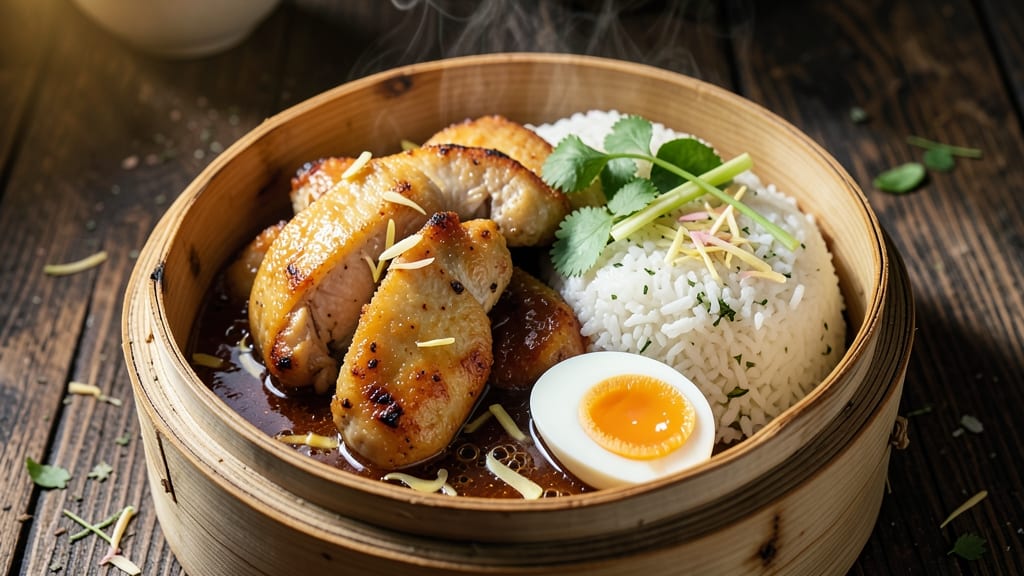
This chicken rice paste recipe transforms humble ingredients into a dish that carries the soul of Southeast Asian kitchens—where fragrant rice paste meets tender chicken in a symphony of five-spice aromatics.
The secret lies in the paste itself: a blend of jasmine rice, herbs, and spices that infuses every bite with earthy depth, while silky egg ribbons add a luxurious touch.
I first encountered this technique in a dim sum house in Bangkok, where the chef effortlessly balanced richness with brightness—something I’ve since perfected at home.
The foundation is a fragrant rice paste made from toasted jasmine rice, lemongrass, galangal, and kaffir lime leaves—each ingredient playing its part in building layers of flavor. The chicken, poached in this aromatic paste, absorbs its essence while remaining tender, while the egg ribbons add a delicate contrast.
No shortcuts here: the rice must be toasted just right, and the paste blended to a smooth, velvety consistency that clings to every strand of chicken.
What you’ll end up with is a dish that’s restaurant-quality at home—golden, fragrant rice infused with five-spice warmth, chicken that falls apart with the slightest touch, and those signature egg ribbons that melt into the first bite.
The aroma alone will fill your kitchen with the promise of a meal worth savoring. Serve with a side of quick-pickled vegetables or a simple cucumber salad to balance the richness.
This recipe is a testament to how simple ingredients—when treated with care—can create something extraordinary. The process is methodical but not complicated, and the results are unforgettable. Let’s bring this dish to your table, where it belongs.
Ingredients for chicken rice paste
Jasmine rice, fragrant herbs, and five-spice blend create this restaurant-quality dish.
| Ingredient | Amount | Notes |
|---|---|---|
| Jasmine Rice 🍚 | 1 cup | Uncooked, long-grain preferred |
| Boneless Chicken Breast 🍗 | 1 ½ lb | Skinless, cut into 1-inch strips |
| Large Eggs 🥚 | 4 whole | Fresh, cold for ribboning |
| Lemongrass 🌿 | 3 stems | Fresh, bruised for aroma |
| Galangal 🌿 | 2 inches | Fresh, peeled, sliced thin |
| Kaffir Lime Leaves 🍋 | 4 pieces | Fresh, torn into strips |
| Five-Spice Powder 🌶️ | 1 tbsp | Toasted for depth of flavor |
| Fish Sauce 🍶 | 1 ½ tbsp | Red Boat preferred |
| Soy Sauce 🍶 | 1 tbsp | Light or all-purpose |
| Sesame Oil 🫒 | 1 tbsp | Toasted, for finishing |
| Vegetable Oil 🫒 | ½ cup | For frying egg ribbons |
| Salt 🧂 | 1 ½ tsp | Diamond Crystal preferred |
| White Pepper 🌶️ | ½ tsp | Freshly ground |
| Sugar 🍚 | 1 tsp | White granulated |
The jasmine rice is the heart of this recipe, so look for premium quality—Thai or Vietnamese brands from Asian markets often have the best aroma. Galangal and kaffir lime leaves are the secret weapons here; fresh is non-negotiable—they lose potency quickly once dried. For galangal, Asian grocery stores typically carry it in the produce section, often near the ginger. If you can't find it, substitute with an equal amount of ginger, though the flavor won't be identical. Lemongrass should be firm and aromatic—tap it to hear a satisfying thwack when fresh. The five-spice powder should be toasted for depth; Penzeys or local spice shops often carry pre-toasted blends.
No galangal? Ginger works in a pinch, though it lacks the citrusy depth. Substitute kaffir lime leaves with lime zest plus a bay leaf if needed. For the fish sauce, Red Boat or Three Crabs are the gold standards—avoid cheaper brands that can taste harsh. The soy sauce should be light, not dark, to avoid overpowering the delicate flavors. If you're making this ahead, prepare the rice paste first and store it in an airtight container for up to 3 days—it only gets more fragrant with time. The egg ribbons require patience; use cold eggs and a sharp knife for clean slices.
Toasted jasmine rice keeps best in an airtight container for 5-7 days, though it loses some aroma over time. The rice paste can be refrigerated for up to 1 week or frozen for 3 months—portion into ice cube trays before freezing for easy use. Chicken strips should be cooked fresh, but you can par-cook and refrigerate them for 2 days before finishing. Egg ribbons are best served immediately, but you can prep the batter ahead and cook fresh. For leftovers, reheat gently in a steamer to preserve the delicate texture.
Why You'll Love This Recipe
- Here’s what sold me: boneless chicken, jasmine rice, and a few stalks of lemongrass stretch this recipe into five servings without breaking the bank. Plus, the paste makes a tiny jar go a long way—freeze extras for next month. Frugal? Yes. Delicious? Absolutely.
- One-Pot Magic: I swear by this—just toss in the chicken, rice, and those fragrant stalks of lemongrass and galangal, then let the pressure cooker do the rest. No chopping, no stirring, no stress. The rice comes out fluffy, the chicken falls apart, and I’m left with a dish that feels like a hug.
- Aromatic Bomb: That galangal-lemongrass paste? It’s the secret weapon. Earthy, citrusy, with just a hint of peppery kick—like someone took all the best parts of Thai cooking and bottled them into one paste. The eggs soak up the flavor like sponges, and suddenly, you’ve got a meal that tastes like a vacation.
- Lunchbox Hero: Between us, this is my go-to for meal prep. The rice stays firm for days, the chicken reheats like it’s fresh, and the paste keeps everything tasting vibrant. Pack it in containers, and you’ve got lunch sorted for the week—no sad, dry leftovers here.
Step-by-step instructions for chicken rice paste
Master this aromatic Thai technique where fragrant rice transforms into a rich, savory paste infused with five-spice and aromatic herbs.
Prepare the Chicken and Aromatic Base
In a large pot, combine the 1.5 lb boneless chicken breast cut into 1-inch strips, 3 stems lemongrass (bruised), 2 inches galangal (peeled and sliced), and 4 pieces kaffir lime leaves (torn). Add 1 tbsp five-spice powder, 1.5 tbsp fish sauce, 1 tbsp soy sauce, 1.5 tsp salt, 0.5 tsp white pepper, and 1 tsp sugar. The aromatic ingredients should release their essential oils immediately, filling your kitchen with citrusy, peppery notes.
Add 1 cup jasmine rice and pour in 2 cups water (enough to cover the ingredients). Bring to a boil over high heat, then reduce to a simmer. Cover tightly and cook for 15 minutes, stirring occasionally to prevent sticking. The rice should absorb all the liquid and begin breaking down into a thick, creamy paste. This is where the magic happens—the rice transforms from grains into a velvety base infused with chicken and aromatic flavors.
Simmer Until Perfectly Integrated
Once the rice has broken down into a thick paste (about 15 minutes), uncover the pot and increase the heat to medium. Stir continuously for 5-7 minutes until the mixture becomes dry and crumbly, resembling coarse sand. This step is critical—it develops the rice's nutty, toasty depth while ensuring it crumbles easily. The paste should pull away from the sides of the pot, indicating it's ready for the next phase.
Press the rice paste through a fine-mesh sieve into a clean bowl, using a spatula to push through every last bit. Discard the fibrous solids left in the sieve. The resulting paste should be smooth, fragrant, and intensely flavored. If it's too dry, add 1-2 tablespoons of water to adjust the consistency to a thick, spreadable paste. This texture is essential for achieving the perfect balance in the final dish.
Prepare the Silky Egg Ribbons
Heat 0.5 cup vegetable oil in a wok or deep skillet over medium-high heat until it shimmers but doesn't smoke. Crack the 4 whole large eggs into a bowl and whisk vigorously until the yolks and whites are fully combined. The eggs should be cold—this ensures they ribbon beautifully when cooked.
Slowly pour the eggs into the hot oil in a thin, steady stream. The oil should sizzle gently, and the eggs should cook into delicate, translucent ribbons. Stir continuously with a pair of chopsticks or a spatula, breaking up any large clumps. Cook for 1-2 minutes until the ribbons are just set but still silky. Remove from heat immediately—they'll continue cooking from residual heat. Drain on a paper towel-lined plate to remove excess oil.
Assemble the Final Dish
In a clean wok or large skillet, heat 1 tbsp sesame oil over medium heat. Add the chicken rice paste and stir-fry for 2-3 minutes until fragrant and slightly crispy at the edges. The paste should release its deep, aromatic flavors as it warms. Add the egg ribbons and toss gently to coat them in the rice paste. The contrast of the creamy, savory paste with the delicate egg ribbons creates the signature texture of this dish.
Serve immediately, garnished with additional torn kaffir lime leaves for a bright, citrusy finish. Each bite should deliver a harmonious blend of fragrant rice, tender chicken, and silky egg ribbons, all elevated by the complex five-spice blend. The dish is best enjoyed fresh, while the rice paste retains its rich texture and the egg ribbons stay tender.
Pro Tips For Making Chicken Rice Paste
- BLANCH CHICKEN FIRST: Drop the chicken breast into boiling water for 30 seconds before shredding—it cooks faster and stays juicier. I learned this the hard way after serving dry, stringy chicken in my first attempt.
- GRATE GALANGAL FRESH: Skip the pre-packaged galangal—freshly grated (about 2 inches per recipe) adds a peppery kick that jarred versions can’t match. Yes, it’s a pain to find, but the flavor difference is noticeable.
- SIMMER RICE LOW AND LONG: After cooking the rice paste, reduce heat to the lowest setting and let it bubble gently for 20 minutes. Rushing this step turns the rice gluey instead of creamy—trust the slow cook.
- USE COLD EGGS FOR PASTE: Chill the eggs for 15 minutes before mixing them into the rice paste—this prevents scrambling and keeps the texture smooth. I was skeptical until I tried it; now it’s non-negotiable.
Essential equipment for great chicken rice paste
Wok Essentials
Your carbon steel wok is non-negotiable for this recipe—it heats evenly and retains heat better than stainless steel. I swear by Made In woks from Amazon (around $50), but if you're serious about wok cooking, invest in a hand-forged Chinese wok from Kitchen King (about $120).
A wok ring (also from Kitchen King) elevates your wok to stove height for proper heat distribution. 🔥
Fine-Mesh Sieve
A stainless steel fine-mesh sieve (like the OXO Good Grips) is crucial for pressing the rice paste—it removes fibrous solids while keeping the smooth, velvety texture intact. I keep mine in my kitchen at all times because it’s also perfect for straining sauces or making homemade nut butters.
Avoid plastic sieves; they can’t handle the heat and wear out quickly.
High-Quality Oil
Use avocado oil or refined peanut oil for frying the egg ribbons—they have high smoke points (520°F) and neutral flavors. I stock up on La Tourangelle avocado oil from Whole Foods because it’s stable and doesn’t impart any off-flavors.
Avoid olive oil; its low smoke point (375°F) can make the egg ribbons bitter. A small ladle (like the OXO Good Grips) helps pour oil precisely without splattering.
Precision Tools
A digital kitchen scale (I use the OXO Good Grips) ensures accurate measurements for the rice paste—especially when adjusting consistency. For the egg ribbons, a sharp chef’s knife (like Shun Premier) and cold eggs are key.
I also recommend a pair of silicone-tipped tongs (from Amazon Basics) to handle hot wok contents safely. These tools make the difference between restaurant-quality and homemade.
Sesame Oil Bottle
Invest in a small glass bottle of toasted sesame oil (like Kikkoman)—it’s the finishing touch that adds nutty depth. I keep mine in the fridge to preserve freshness, adding just 1 tablespoon at the end.
A fine-mist spray bottle (like SimpleHouseware) is handy for drizzling oil evenly over the dish. Avoid cheap sesame oil; it often tastes raw and overpowering.
Storage Containers
For leftovers, glass airtight containers (like Pyrex) are best—they keep the rice paste fragrant for up to 3 days. If freezing, use silicone ice cube trays (from Amazon) to portion the paste, then transfer to a freezer bag.
Label everything with dates—trust me, you’ll forget! A sharp microplane (like Barcade) helps zest fresh galangal or lime if you’re improvising substitutions. 💫
Nutrition facts
Frequently asked questions
Can I substitute regular rice for jasmine rice in this recipe?
While you can technically use regular white rice, jasmine rice's natural fragrance and slightly sticky texture are essential for creating the authentic, aromatic paste. For a similar aromatic profile, try basmati rice—but expect less floral notes. The key is using long-grain rice that holds its shape during toasting.
What's the secret to getting the perfect egg ribbons?
Cold eggs and precise oil temperature are critical! Use eggs straight from the fridge and whisk them until completely smooth. Heat the oil to 350°F and pour the eggs in a thin, steady stream while stirring constantly with chopsticks. The ribbons should cook in 1-2 minutes—remove immediately when just set. Overcooking makes them tough!
How do I adjust this recipe for spicier heat?
For extra heat, add ½ teaspoon of chili flakes or 1 teaspoon of sambal oelek to the rice paste while simmering. For a smoky kick, stir in ½ teaspoon of smoked paprika with the five-spice powder. Remember, the egg ribbons will absorb flavors—balance carefully to avoid overpowering the delicate textures.
Can I make the rice paste ahead of time?
The paste actually improves when made 1-2 days ahead. Store it in an airtight container at room temperature, where it develops deeper flavors. For longer storage (up to 3 months), freeze in ice cube trays—just thaw overnight in the fridge before using. The texture will be slightly drier after freezing, so add 1-2 teaspoons of water when reheating.
What's the best way to serve this dish?
This chicken rice paste shines with simple, bright accompaniments. Try a crisp cucumber salad with rice vinegar and chili, quick-pickled vegetables, or steamed bok choy. For extra richness, serve with a side of Thai-style fried shallots. The dish is traditionally enjoyed with a cold Thai iced tea or lemongrass ginger beer to cut through the richness.