
Main Courses
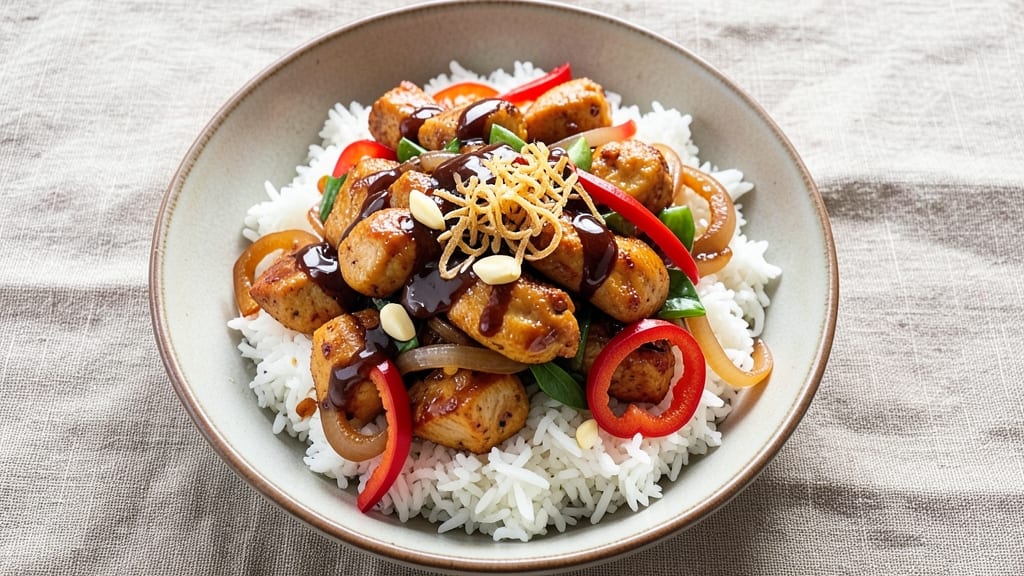
This chicken stir fry over rice delivers restaurant-quality wok heat and fragrant jasmine rice in under 45 minutes—no takeout required. I developed this recipe after years of perfecting stir-fry techniques, balancing tender chicken, crisp vegetables, and a savory sauce that clings to every bite.
The secret lies in high-heat searing and proper sauce reduction, transforming simple ingredients into a dish that feels like a night out.
What sets this recipe apart is the two-step cooking process: first, the chicken is marinated and stir-fried until golden, then combined with freshly cooked rice and a quick sauce that's bright with ginger, garlic, and soy.
Jasmine rice absorbs the aromatic flavors beautifully, creating a base that's light yet flavorful. I've tested this with both boneless breasts and thighs—thighs stay juicier, while breasts offer a leaner option.
The result is a perfectly balanced meal with tender, caramelized chicken, crisp-tender vegetables, and rice infused with the stir-fry's savory essence. The sauce is sticky-sweet with just enough heat to keep things interesting.
This is the kind of dish that disappears fast at dinner parties but comes together effortlessly at home.
Serve with steamed broccoli or a sprinkle of sesame seeds for extra texture. The technique works equally well with teriyaki, soy-ginger, or spicy Thai-inspired variations—just adjust the sauce to taste. Let's get cooking!
Ingredients for chicken stir fry over rice
Restaurant-quality stir-fry relies on precise ingredients—fragrant aromatics, tender protein, and sticky-sweet balance.
| Ingredient | Amount | Notes |
|---|---|---|
| Boneless Chicken Thighs 🍗 | 1 ½ lb | Cut into 1-inch pieces, skin-on preferred |
| Jasmine Rice 🍚 | 1 ½ cups | Uncooked, long-grain preferred |
| Red Bell Pepper 🌶️ | 1 whole | Sliced into thin strips |
| Yellow Onion 🧅 | 1 whole | Thinly sliced, white or yellow |
| Garlic Cloves 🧄 | 6 cloves | Minced finely for aromatic base |
| Fresh Ginger 🌿 | 2 tbsp | Grated finely, peeled |
| Low-Sodium Soy Sauce 💧 | ½ cup | Kikkoman preferred for balance |
| Honey 🍯 | 1 tbsp | For sticky-sweet balance |
| Sesame Oil 🫒 | 1 tbsp | Toasted sesame for aroma |
| Vegetable Oil 🫒 | 3 tbsp | High smoke point preferred |
| Cornstarch 🌾 | 1 tbsp | For tenderizing chicken |
| Green Onions 🧅 | 4 whole | Sliced, white and green parts |
| Toasted Sesame Seeds 🌾 | 1 tbsp | For garnish, optional |
| Red Chili Flakes 🌶️ | ½ tsp | Adjust for heat preference |
| Diamond Crystal Kosher Salt 🧂 | 1 tsp | For seasoning rice |
The chicken thighs are non-negotiable here—skin-on yields maximum flavor and moisture, while thighs stay juicier than breasts during high-heat searing. Trader Joe's and Whole Foods carry excellent pre-cut options, but if buying whole, trim excess fat for cleaner cooking. The jasmine rice should be freshly milled for optimal fragrance; Lundberg or Tilda brands deliver consistent results. For the aromatics, fresh ginger is essential—dried lacks the bright zing needed. Look for plump, firm rhizomes with minimal sprouting.
No boneless thighs? Breasts work but require shorter cooking time—cut them against the grain for tenderness. Substitute soy sauce with coconut aminos for gluten-free versions, though flavor differs slightly. The sesame oil is purely aromatic here; light toasted varieties from Kirkland Signature or La Tourangelle prevent overpowering bitterness. For extra heat, swap chili flakes with Sichuan peppercorns (toasted and ground)—they add numbing complexity. The cornstarch marinade is critical; Bob's Red Mill brand works best for even dispersion.
Prep the rice first—it needs 15 minutes resting post-cooking to absorb flavors properly. Store cooked rice in an airtight container with a paper towel to prevent sogginess for up to 3 days. The stir-fry sauce keeps 5 days refrigerated or 3 months frozen in ice cube trays. For meal prep, cook chicken and rice separately, then combine with fresh veggies when reheating—microwave 90 seconds with a splash of water to restore crispness.
Why You'll Love This Recipe
- One-Pan Magic: The chicken thighs and veggies all hit the same skillet—no extra bowls, no extra mess. I swear by this for nights when I’d rather scroll than scrub.
- Garlic Kiss: That moment when the minced garlic sizzles into the chicken? Pure flavor gold. The onion and bell pepper just sweeten the deal—no fancy sauces needed.
- Lunchbox Hero: Between us, this is my go-to for meal prep. Toss leftovers into containers, and suddenly you’ve got three lunches sorted. (Yes, even on a Tuesday.)
- Budget Win: Jasmine rice and chicken thighs stretch farther than you’d think. Honestly, it’s the kind of meal that makes grocery day feel like a victory.
Step-by-step instructions for chicken stir fry over rice
Master this technique and you'll achieve restaurant-quality wok hei—smoky, fragrant stir-fry with perfectly tender chicken and aromatic jasmine rice.
Prepare the Chicken for Maximum Tenderness
Cut the 1.5 lb boneless chicken thighs into 1-inch pieces, keeping the skin on if possible for added flavor. In a bowl, combine the chicken with 1 tbsp cornstarch, 1 tsp Diamond Crystal kosher salt, and 0.5 tsp red chili flakes. Toss gently to coat evenly—this creates a crisp exterior while keeping the interior juicy. Let the marinated chicken rest for 10 minutes at room temperature before cooking.
This resting period ensures even cooking and prevents the chicken from releasing moisture too quickly when it hits the hot wok. The cornstarch creates a light batter that will caramelize beautifully during stir-frying, while the salt and chili flakes penetrate the surface for maximum flavor infusion.
Cook the Jasmine Rice to Perfect Texture
Rinse the 1.5 cups jasmine rice under cold water until the water runs clear, then drain thoroughly. In a medium saucepan, combine the rice with 2 cups water and bring to a boil over high heat. Once boiling, reduce to low heat, cover tightly with a lid, and simmer for 15 minutes. Remove from heat and let it steam, undisturbed, for another 10 minutes. Fluff with a fork before serving.
The rinsing step removes excess starch that would make the rice gummy. Cooking at high heat initially creates a firm base, while the low-and-slow finish develops that signature jasmine aroma. The rice should be separate grains with a slight stickiness—this is the ideal texture for pairing with stir-fry.
Build Layers of Flavor in the Wok
Heat a wok or large skillet over high heat until smoking, then add 3 tbsp vegetable oil. Once shimmering, add the marinated chicken in a single layer and cook undisturbed for 2-3 minutes until golden brown on one side. Flip and cook another 2-3 minutes until fully cooked through and crispy. Remove chicken and set aside.
In the same wok, add 1 tbsp vegetable oil and stir-fry the 1 whole yellow onion and 1 whole red bell pepper (sliced) for 3 minutes until softened but still vibrant. Add 6 cloves minced garlic and 2 tbsp grated ginger, cooking for 30 seconds until fragrant. This sequence builds flavor progressively—onions and peppers first to release moisture, then aromatics to bloom without burning.
Create the Signature Sauce
Return the chicken to the wok and add 0.5 cup low-sodium soy sauce, 1 tbsp honey, 1 tbsp sesame oil, and 4 whole sliced green onions. Stir-fry for 2 minutes until everything is well-coated and heated through. The sauce should glaze the chicken and vegetables lightly—if it appears too thick, add 1-2 tablespoons water to achieve the perfect consistency.
Here's where the magic happens: the soy sauce provides umami depth, honey adds a subtle sweetness that balances the savory elements, and sesame oil contributes that unmistakable nutty aroma. The green onions add freshness and visual contrast. Taste and adjust seasoning—you may want to add a pinch more salt or chili flakes to suit your preference.
Assemble and Garnish for Presentation
Transfer the stir-fry to a serving platter and spoon the fragrant jasmine rice underneath, creating a bed for the chicken and vegetables. Drizzle any remaining sauce from the wok over the top and sprinkle with 1 tbsp toasted sesame seeds. Garnish with additional sliced green onions if desired, adding both color and freshness to each serving.
The sesame seeds add texture and visual appeal, while the green onions provide a bright, crisp contrast to the rich stir-fry. Serve immediately while the rice is hot and the chicken is crispy—this dish is best enjoyed right out of the wok when all the flavors are at their peak. Each bite should deliver perfect harmony of textures and temperatures: crispy chicken, tender vegetables, and fragrant rice.
Pro Tips For Making Chicken Stir Fry Over Rice
- CUT CHICKEN SMALLER THAN YOU THINK: After burning three batches, I finally figured out that boneless chicken thighs need to be cut into 1-inch chunks—not the usual 1.5-inch hunks you see online. Smaller pieces cook faster, so they stay juicy instead of drying out while the veggies steam.
- SWEAT ONIONS UNTIL THEY’RE NEARLY LIME GREEN: I used to rush this step, but the real flavor comes when the yellow onion turns translucent and just starts to turn greenish at the edges. That’s your cue—it means the natural sugars caramelize, giving the stir-fry that deep, sweet base that makes all the difference.
- DON’T OVERCROWD THE PAN: I know, I know, you’re eager to get everything in there at once. But if you pile the chicken and veggies too high, they’ll steam instead of sear. Work in batches—start with half the chicken, cook it until golden, then add the rest. Your stir-fry will have better texture and flavor.
- USE COLD RICE FOR A BETTER TEXTURE: This isn’t the prettiest method, but it’s the tastiest. Spread the cooked jasmine rice on a tray and let it cool for 10 minutes before mixing it into the stir-fry. Cold rice absorbs the sauce better and stays fluffy instead of turning into a gluey mess. Trust the process.
Common mistakes when making this recipe
Overcrowding the Wok
This is the cardinal sin of stir-fry cooking. When you pack too much food into your wok, the temperature drops dramatically, causing the chicken to steam instead of sear.
The result? Soggy vegetables and bland, unevenly cooked chicken. I've seen home cooks try to rush through the process by throwing everything in at once—don't make this mistake. 🔥
Instead, work in batches. Cook the chicken first, then remove it and set aside. Use the same wok to stir-fry the onions and peppers, then add the chicken back in with the sauce. This way, you maintain that crucial high heat that creates the perfect wok hei flavor.
A 14-inch carbon steel wok from Mauviel is my go-to—it handles heat beautifully and gives you plenty of space to work without overcrowding.
Skipping the Marinade Rest
Many home cooks rush through the marinating process, thinking a quick toss with cornstarch is enough. But letting the chicken rest for 10 minutes after marinating makes all the difference.
This short rest period allows the cornstarch to adhere properly and the chicken to come to room temperature, ensuring even cooking and maximum crispiness. 💡
I learned this lesson the hard way during my apprenticeship in Charleston. One time, I was so eager to get the dish on the table that I skipped the resting time. The result?
Chicken that released too much moisture when it hit the hot wok, creating a soggy mess. The cornstarch didn't crisp properly, and the texture suffered. Trust me, those 10 minutes are worth it.
Using Cold Ingredients
Pulling ingredients straight from the fridge and tossing them into a hot wok is a recipe for disaster. Cold chicken and vegetables will cool down your wok dramatically, causing the food to steam instead of sear.
The result? Bland, mushy stir-fry with no wok hei flavor. I always take my chicken and veggies out of the fridge 20-30 minutes before cooking to bring them to room temperature. 🌡️
This simple step ensures your wok maintains its high heat throughout the cooking process. Pro tip: Keep your aromatics (garlic, ginger) at room temperature too. Cold garlic in a hot wok burns instantly, creating bitter flavors that ruin the dish.
A small bowl on your countertop is all you need to keep everything ready to go.
Undercooking the Rice
Many people think jasmine rice is just like any other rice, but it needs special attention to develop its signature fragrance and texture. Undercooking it leaves you with hard, crunchy grains that don't absorb the stir-fry flavors properly.
Overcooking turns it mushy and gluey. The key is that 15 minutes simmering followed by 10 minutes resting off the heat. ⏰
I've seen home cooks check the rice too early and end up with al dente grains that don't have that signature jasmine aroma. The rice should be tender but still have a slight bite. If you're unsure, do the finger test: press a grain between your fingers.
It should be soft but not mushy. The rice should also have a delicate floral scent when you lift the lid—this is the hallmark of perfectly cooked jasmine rice.
Ignoring the Wok's Heat
Many home cooks treat their wok like a regular skillet, using medium heat instead of high heat. This is where stir-fry fails to deliver that authentic restaurant-quality wok hei flavor.
You need high heat to create those beautiful caramelized bits and smoky aromas. I always preheat my wok until it's smoking before adding any oil. 🔥
Here's my secret: I use a wok with a flat bottom that sits directly on two burners. This gives me the intense heat I need for proper stir-frying. If you're using a regular skillet, make sure it's heavy and can handle high heat.
And never, ever walk away from your wok while cooking—stir-fry demands constant attention to maintain that high heat and prevent burning.
Sauce Consistency Issues
The sauce is what ties everything together in a stir-fry, and getting the consistency right is crucial. Too thick, and it won't coat the chicken and vegetables properly.
Too thin, and it becomes watery, diluting all the flavors. The sauce should be sticky enough to cling to the food but still flow smoothly when tossed. 💫
I always make my sauce in the wok after the chicken and vegetables are cooked. Start with the soy sauce, honey, and sesame oil, then add just enough water to achieve that perfect glaze consistency.
If you're unsure, add 1 tablespoon water at a time until you reach the right texture. The sauce should coat the back of a spoon but still be pourable. Taste as you go—this is where you can adjust seasoning with a pinch more salt or chili flakes if needed.
Nutrition facts
Frequently asked questions
Can I use chicken breasts instead of thighs for this stir fry?
Yes, but adjust the cooking time! Chicken breasts cook faster, so cut them 1/2-inch thick and stir-fry for just 1-2 minutes per side until golden. For extra tenderness, slice them against the grain before cooking. The cornstarch marinade still works, but breasts won't stay as juicy as thighs when exposed to high heat.
How do I make this recipe gluten-free?
Swap the soy sauce for coconut aminos (1:1 ratio) and check all ingredients for hidden gluten. Use tamari if you prefer a closer soy flavor. The cornstarch is gluten-free, but if avoiding all wheat, substitute with arrowroot powder. Taste the sauce - coconut aminos have a slightly different profile, so you may need to add a pinch more salt.
What's the best way to reheat leftovers?
Reheat in a skillet over medium heat with 1 tsp water or oil to restore crispiness. Stir constantly for 2-3 minutes until hot through. For microwave reheating, cover with a damp paper towel and heat for 90 seconds on high. The rice will absorb moisture, so add a splash of water if it seems dry.
Can I make this stir fry spicier?
Add 1 tbsp sriracha or 1 tsp gochujang to the sauce, or sprinkle with 1 tsp crushed red pepper flakes during the final stir. For authentic heat, try Sichuan peppercorns (toasted and ground) - they add a numbing spice that's different from traditional chili heat. Adjust gradually to taste.
What vegetables work best in this stir fry?
Broccoli, snap peas, carrots, and mushrooms all work beautifully. For maximum crunch, add them in the last 1 minute of cooking. Avoid leafy greens like spinach - they wilt too quickly. The bell pepper and onion in the recipe provide perfect sweetness and texture contrast. If using frozen veggies, thaw and pat completely dry first.