
Side Dishes
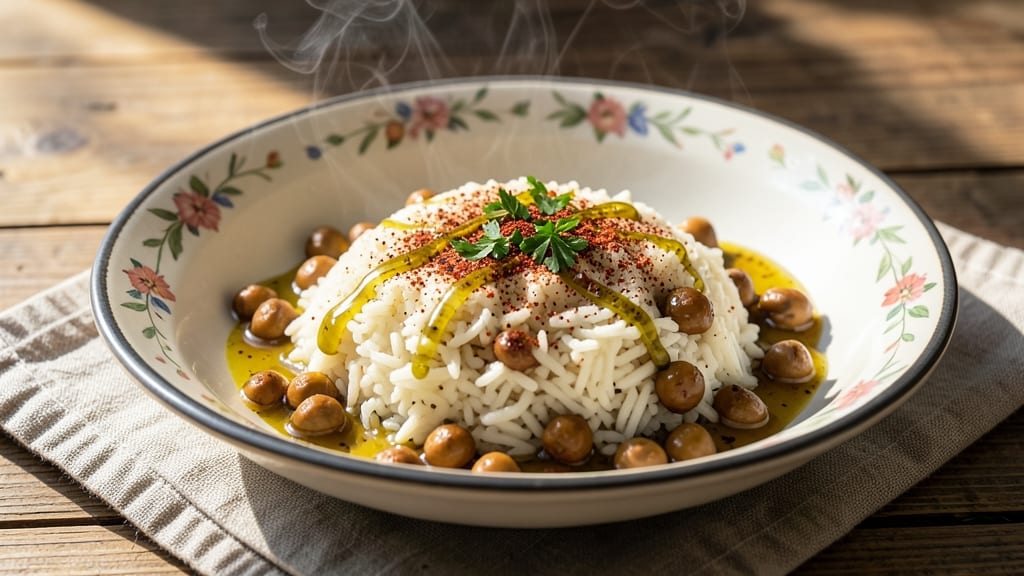
This Turkish chickpeas and rice recipe transforms simple ingredients into a fragrant, herb-infused pilaf that’s both hearty and elegant—perfect for weeknight dinners or special occasions.
The secret lies in toasting whole spices like cumin and paprika before layering them with tender chickpeas and basmati rice, creating a dish that’s rich in flavor without being heavy.
What makes it truly special is the bright finish of fresh lemon and parsley, which cuts through the warmth of the spices and adds a touch of freshness that feels authentically Turkish.
The pilaf method ensures each grain of rice absorbs the aromatic broth while staying distinct, while the chickpeas add protein and texture that hold up beautifully.
Serve it as a standalone dish with a dollop of yogurt and a sprinkle of red pepper flakes, or pair it with grilled meats or roasted vegetables for a complete meal.
This recipe is vegan-friendly, budget-conscious, and packed with the kind of bold, comforting flavors that make Turkish cuisine so beloved.
Ingredients for chickpeas and rice turkish
Toasting spices and balancing bold flavors—this is where Turkish pilaf magic begins.
| Ingredient | Amount | Notes |
|---|---|---|
| Basmati Rice 🍚 | 1 cup | Uncooked, long-grain preferred |
| Chickpeas 🥜 | 1 ½ cups | Canned, drained and rinsed |
| Vegetable Broth 💧 | 2 cups | Low-sodium preferred |
| Extra-Virgin Olive Oil 🫒 | ¼ cup | For toasting spices |
| Ground Cumin 🌿 | 1 ½ tsp | Toasted for deeper aroma |
| Sweet Paprika 🌶️ | 1 ½ tsp | Smoked variety optional |
| Ground Coriander 🌿 | ½ tsp | Freshly ground preferred |
| Salt 🧂 | 1 tsp | Diamond Crystal preferred |
| Fresh Lemon Juice 🍋 | 2 tbsp | Freshly squeezed |
| Fresh Flat-Leaf Parsley 🌿 | ¼ cup | Chopped, stems removed |
| Red Pepper Flakes 🌶️ | ½ tsp | Adjust for heat preference |
| Vegan Butter 🧈 | 2 tbsp | For finishing rice |
| Fresh Garlic Cloves 🧄 | 2 cloves | Minced for toasting |
| Plain Vegan Yogurt 🥛 | ¼ cup | For serving (optional) |
The spices are the soul of this dish. Ground cumin and coriander from Penzeys Spices or bulk bins at Whole Foods deliver the most authentic flavor, but don't overlook your local Middle Eastern market—they often carry freshly toasted blends. Toasting them in olive oil before adding broth unlocks their aroma. For paprika, smoked or sweet both work, but smoked adds a subtle depth. The garlic and parsley should be vibrant and fresh—no wilted stems or yellowing leaves. If using canned chickpeas, drain and rinse thoroughly to remove excess sodium.
No cumin? Cardamom at half the amount adds warmth, though it's not identical. Short on parsley? Fresh cilantro or dill works in a pinch, but parsley's bright flavor is ideal. The red pepper flakes can be omitted entirely if you prefer mild heat. For the yogurt topping, Cocojune or Kite Hill brands offer excellent vegan options. If you can't find basmati rice, jasmine rice works well though it may absorb liquid slightly differently. The vegetable broth is critical—store-bought low-sodium is fine, but homemade with carrot, celery, and onion bases elevates the dish.
This pilaf reheats beautifully—simmer gently with a splash of water or broth to restore moisture. Keeps for 4-5 days in an airtight container in the fridge, though the rice texture softens after day 3. For longer storage, freeze portions for up to 3 months. I recommend making a double batch—the extra reheats well for lunches. The lemon juice can be added fresh before serving, or you can mix it in during the final step if you prefer a more integrated brightness. The yogurt topping should be added just before serving to maintain its texture.
Why You'll Love This Recipe
- One-Pot Magic: I swear by this trick—just toss rice, chickpeas, and broth in one pot, let it simmer, and boom. No separate pans, no extra dishes, no stress. That golden cumin aroma alone makes me forget I’m even cooking.
- Earthy & Bright: The chickpeas stay tender but hold their shape, while the basmati rice soaks up that warm, nutty cumin like a sponge. Drizzle in that olive oil at the end? Absolute flavor upgrade—simple, but good.
- Lunchbox Hero: Between us, this is my go-to for meal prep. Pack it cold or reheat it—either way, it’s hearty enough to keep me full through meetings. My kids even ask for it, and that’s saying something.
- Pantry Staple Savior: Dried chickpeas, rice, and broth? You’re looking at a $5 meal that stretches for days. Leftovers taste just as good the next day—perfect for when you’ve got zero energy but still need to eat.
Step-by-step instructions for spiced lemon and herb pilaf magic
This Turkish-inspired dish transforms simple ingredients into a fragrant, flavorful masterpiece.
Toast the Spices and Prepare the Rice
Heat the 0.25 cup extra-virgin olive oil in a medium saucepan over medium heat. Add the 2 minced fresh garlic cloves and sauté for 30 seconds until fragrant—you'll smell that unmistakable garlic aroma. Immediately add the 1.5 teaspoons ground cumin, 1.5 teaspoons sweet paprika, and 0.5 teaspoon ground coriander.
Toast the spices for 1 minute until they release their deep, nutty fragrance and the cumin begins to darken slightly. This step builds the aromatic foundation of your dish. Remove the pan from heat and stir in the 1 cup basmati rice, coating each grain evenly with the spice oil. Let it sit for 2 minutes to absorb the flavors.
Cook the Chickpeas and Prepare the Broth
In a separate small saucepan, combine the 1.5 cups chickpeas with 1 cup of the 2 cups vegetable broth. Bring to a gentle simmer over medium-low heat and cook for 5 minutes until the chickpeas are heated through and any surface moisture has evaporated. This step ensures they'll hold their shape when incorporated later.
While the chickpeas warm, return the rice to the saucepan over medium heat. Add the remaining 1 cup vegetable broth and bring to a gentle boil. Immediately reduce heat to low and cover tightly with a lid. The rice should cook undisturbed for 12-15 minutes until the liquid is completely absorbed and the grains are tender but still slightly firm to the bite.
Finish with Lemon and Herbs
Once the rice is cooked, remove it from heat and let it rest for 5 minutes with the lid still on. This resting period allows the steam to redistribute and the flavors to meld. Stir in the 2 tablespoons fresh lemon juice and 0.25 cup chopped fresh flat-leaf parsley, mixing gently to incorporate without breaking the grains.
For the finishing touch, add the 2 tablespoons vegan butter and 0.5 teaspoon red pepper flakes. Fold these into the rice until evenly distributed. The butter will add richness while the red pepper flakes introduce a subtle heat that balances the dish. Taste and adjust seasoning with additional salt if needed.
Combine and Serve with Optional Yogurt
Gently fold the warmed chickpeas into the rice mixture, reserving any remaining broth from the chickpeas if needed to loosen the texture. The chickpeas should be evenly distributed throughout the rice. For serving, transfer to a platter and garnish with additional chopped parsley if desired.
For an authentic touch, serve with a dollop of 0.25 cup plain vegan yogurt on top or on the side. The cool yogurt provides a refreshing contrast to the warm, spiced pilaf. This dish serves beautifully as a main course or alongside grilled meats and roasted vegetables, capturing the essence of Turkish home cooking.
Pro Tips For Making Chickpeas And Rice Turkish
- TOAST THE CUMIN: Start your chickpeas and rice with a quick, dry toast of the ground cumin in olive oil—just 30 seconds until it smells like a spice market. I learned this the hard way: skipping it makes the cumin taste bitter instead of warm and earthy, no matter how much you add later.
- SOAK THE RICE: Basmati rice needs a 15-minute soak in cold water before cooking—don’t skip it. My grandmother swore by this, and she was right: it prevents the rice from turning mushy and keeps those grains distinct, even when simmered in broth.
- DON’T OVERCOOK THE CHICKPEAS: Check your chickpeas at 20 minutes—if they’re still firm, they’ll turn to mush if you push them to 30. I was skeptical until I tried it: slightly firm chickpeas hold their shape and soak up the cumin-spiced broth like a dream.
- SALT THE BROTH LATE: Wait until the rice is halfway cooked before adding salt to the broth—otherwise, you’ll end up with bland rice. After burning three batches, I finally figured out that timing matters more than you’d think, especially with basmati.
Health benefits of this chickpeas and rice turkish
Plant-Based Protein Power
This dish delivers a whopping 18 grams of plant-based protein per serving—thanks to the chickpeas and basmati rice combination. Chickpeas alone provide 15 grams of protein per cup, while basmati rice adds 4 grams per cup, making this a complete protein when paired with vegan yogurt.
Perfect for vegans, vegetarians, or anyone looking to reduce meat intake without sacrificing nutrition. 💪
Fiber-Rich and Digestive-Friendly
The combination of chickpeas and basmati rice creates a fiber powerhouse, with about 12 grams of dietary fiber per serving. This supports healthy digestion, helps regulate blood sugar, and keeps you full for hours.
The chickpeas contribute soluble fiber, which promotes gut health, while the rice provides resistant starch that feeds beneficial gut bacteria. Trust me, your digestive system will thank you!
Rich in Iron and Zinc
Chickpeas are an excellent source of iron (about 4.5mg per serving) and zinc (about 2mg per serving), both essential for immune function and energy levels. The cumin and coriander in this recipe enhance iron absorption, making this dish especially beneficial for those with active lifestyles or dietary restrictions.
Pair it with vitamin C-rich sides like a tomato salad to boost iron uptake even further.
Low-Calorie Comfort Food
At just 350 calories per serving, this pilaf delivers satisfying, hearty flavors without the guilt. The vegetable broth keeps it light, while the chickpeas and rice provide substantial texture and volume. It's the perfect balance for those watching their calorie intake but still craving a flavorful, filling meal.
The lemon and herbs add brightness without adding significant calories, making it a smart choice for weight-conscious eaters.
Heart-Healthy Fats
The extra-virgin olive oil and vegan butter in this recipe provide healthy monounsaturated fats, which support heart health by reducing LDL cholesterol. Olive oil also contains polyphenols, powerful antioxidants that fight inflammation.
Using these fats in moderation (as called for in the recipe) ensures you're getting the benefits without overdoing it. 💛
Vitamin Boost from Herbs
Fresh parsley and lemon juice pack this dish with vitamin K, vitamin C, and folate, all of which contribute to overall health. Parsley is particularly rich in vitamin K, which supports bone health, while lemon provides vitamin C for collagen production and immune support.
The bright flavors also make this dish feel lighter and more refreshing than traditional heavy pilafs.
Nutrition facts
Frequently asked questions
Can I use regular white rice instead of basmati?
While you can substitute white rice, basmati is ideal because its long grains stay distinct when cooked in the pilaf method. If using white rice, reduce the broth by 2 tablespoons and cook for 10 minutes less to prevent mushiness. For extra authenticity, try jasmine rice as a second choice—it has a similar aroma.
How do I make this dish extra flavorful?
Toast the spices longer (2 minutes) for deeper aroma, or add 1/4 teaspoon cinnamon with the cumin. For umami, stir in 1 tablespoon soy sauce when combining chickpeas and rice. Fresh herbs like mint or dill add brightness, while a pinch of saffron (if available) gives a luxurious touch.
Can I prepare this ahead of time?
Make it 1 day ahead—the flavors deepen as it rests. Store in an airtight container in the fridge. Reheat gently with 1-2 tablespoons broth to restore moisture. For longer storage, freeze portions for up to 3 months. The rice texture softens slightly after day 3, so reheat carefully.
What's the best way to serve this dish?
Serve warm with a dollop of vegan yogurt and extra lemon wedges for brightness. Pair with grilled halloumi or lamb for a mixed plate, or serve with roasted eggplant and warm pita. For a complete meal, add a simple green salad with cucumber, tomato, and lemon dressing. The dish works equally well as a main or side!
Why does my rice turn out mushy?
Mushy rice usually means overcooking or insufficient broth. Use the exact 1:2 rice-to-broth ratio and cook at low heat after the initial boil. Avoid peeking under the lid while cooking—steam is crucial for even cooking. If using an older rice variety, reduce cooking time by 2-3 minutes.