
Main Courses
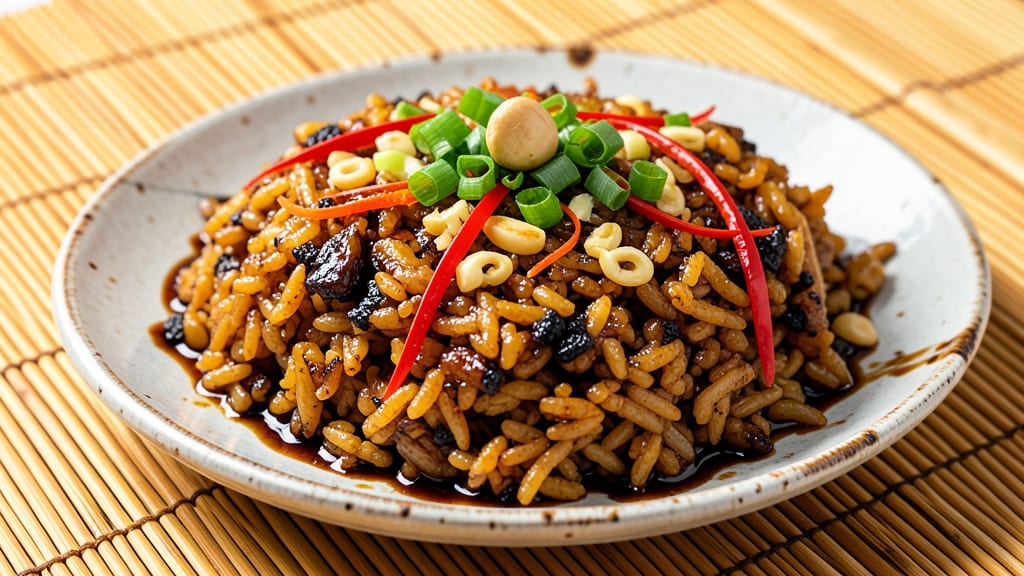
This Chinese fried glutinous rice delivers the perfect balance of crispy golden edges and sticky-chewy centers that make every bite irresistible. 🔥 The secret lies in using day-old glutinous rice that fries up with a satisfying crunch while maintaining that signature melt-in-your-mouth texture.
This technique transforms simple rice into a restaurant-worthy dish that's surprisingly easy to master at home.
What sets this recipe apart is the two-step frying method that creates that coveted contrast between crispy exterior and tender interior. Start with a high-heat sear in oil to develop the golden crust, then finish with a quick toss in the wok to maintain that chewy heart.
The result? Bite-sized pieces that stay crispy even after being tossed in savory sauces or served with proteins like char siu or shrimp. It's the kind of dish that turns a simple rice meal into a showstopper.
Ingredients for chinese fried glutinous rice
Four cups of day-old glutinous rice and a handful of pantry staples transform into crispy-chewy bites.
| Ingredient | Amount | Notes |
|---|---|---|
| Day-Old Glutinous Rice 🍚 | 4 cups | Cooked, cooled, and broken into bite-sized pieces |
| Vegetable Oil 🫒 | ½ cup | High smoke point for frying |
| Sesame Oil 🌿 | 1 tbsp | For aroma, not for frying |
| Garlic Cloves 🧄 | 4 cloves | Minced finely for flavor |
| Green Onions 🧅 | ¼ cup | Sliced thinly, whites and greens separated |
| Soy Sauce 🍶 | 2 tbsp | Light or dark, to taste |
| Oyster Sauce 🍲 | 1 tbsp | For umami depth |
| Sesame Seeds 🌰 | 1 tbsp | Toasted lightly for garnish |
| Salt 🧂 | ½ tsp | Adjust to taste |
| White Pepper 🌶️ | ¼ tsp | Ground freshly for subtle heat |
| Char Siu or Shrimp 🍤 | 1 cup | Optional protein topping, diced |
The rice is the star—day-old glutinous rice (also called sweet rice) is non-negotiable. Look for sticky rice or mochi rice at Asian markets or the international aisle. If you can't find it, jasmine rice works in a pinch, but the texture won't be identical. Break the rice into bite-sized pieces before frying for even cooking. For the oil, vegetable or peanut oil with a high smoke point is ideal—avoid olive oil as it burns too easily. The sesame oil adds aroma but isn't used for frying; add it at the very end for that signature nutty scent.
No sesame seeds? Toasted peanuts or sunflower seeds work as a crunchy garnish. Short on oyster sauce? A splash of fish sauce plus a pinch of sugar mimics the umami-sweet balance. For the protein topping, char siu (Chinese BBQ pork) or shrimp are classic, but grilled chicken or tofu keep it vegetarian. The key to crispiness is frying in small batches—overcrowding steams the rice instead of crisping it. If you don’t have a wok, a large skillet with high sides works just as well.
Store leftover fried rice in an airtight container for up to 3 days—it reheats beautifully in a dry skillet over medium heat. For longer storage, freeze portions for up to 3 months. To revive, toast in a dry pan for 2-3 minutes before serving. The rice loses crispiness when reheated with moisture, so keep it dry and crisp it up fresh. Garnish with extra sesame seeds or green onions right before serving to preserve freshness.
Why You'll Love This Recipe
- Uses Day-Old Rice: I swear by this trick—no waste, just better texture. That slightly stale rice? It soaks up the sesame oil like a sponge, giving it that perfect chewy-crisp bite instead of turning mushy.
- One-Pan Magic: Honestly, this is my "I can't be bothered to wash another pan" dish. Toss the rice in the wok with garlic and onions, let it sizzle, and boom—done. The oil separates itself from the mess.
- Crowd-Pleaser Crunch: Between us, this is the dish that makes people actually ask for seconds. That garlic-sesame punch cuts through the rice’s stickiness, and the green onions add this fresh, bright finish that makes it feel fancy without trying.
- Budget Breakfast Hack: I make a whole batch on Sundays and keep it in the fridge. Cold or reheated, it’s a 5-minute fix for lunches, a quick snack, or even a late-night craving. Plus, glutinous rice stays cheap and lasts forever.
Step-by-step instructions for Chinese fried glutinous rice
Here's how to achieve that perfect balance of crispy edges and chewy centers every time.
🔥 Step 1: Heat the Oil to the Right Temperature
Place a large wok or deep skillet over medium-high heat and add the 0.5 cup vegetable oil. Let it heat for 3-4 minutes until it shimmers but doesn't smoke—you want it hot enough to create a crispy crust but not so hot it burns the rice. I test by dropping in a small piece of rice; it should sizzle and turn golden within 10 seconds. This is your signal the oil is ready.
Here's the thing—using day-old rice is crucial. Freshly cooked rice releases too much moisture and won't crisp properly. The rice should be completely cool and broken into bite-sized pieces (about ½-inch chunks) before you start. If it's still warm, spread it on a tray and let it cool completely.
👨🍳 Step 2: Fry the Rice in Batches for Even Browning
Working in batches of about 1 cup at a time, add the day-old glutinous rice to the hot oil. Don't overcrowd the pan—you want the rice pieces to have room to crisp rather than steam. Stir gently with a spatula or wooden spoon for 2-3 minutes until the edges turn golden brown and the rice pieces develop a crispy exterior while maintaining a soft, chewy center.
This is where the magic happens: the high heat creates that perfect contrast between the crispy crust and tender interior. If you see the rice turning too dark too quickly, reduce the heat slightly to medium and cook more slowly. The goal is golden brown, not burnt. Remove the fried rice to a paper towel-lined plate to drain excess oil between batches.
🍳 Step 3: Sauté Aromatics and Seasonings
Once all the rice is fried, return the wok to medium heat and add the 4 cloves minced garlic cloves and the white parts of the 0.25 cup sliced green onions. Cook for 30 seconds until the garlic turns fragrant and just begins to color—don't let it brown or it'll turn bitter. Add the fried rice back to the wok and toss to combine.
Now add the 2 tbsp soy sauce, 1 tbsp oyster sauce, 0.5 tsp salt, and 0.25 tsp white pepper. Stir everything together for 1-2 minutes until the rice is evenly coated and the flavors meld. The rice should look glossy from the sauces, which helps create that perfect texture. If it looks dry, add 1-2 teaspoons of water to help steam the rice slightly and distribute the seasonings.
🥘 Step 4: Finish with Protein and Garnish
Add the 1 cup diced char siu or shrimp to the wok and stir for 1-2 minutes until heated through. The protein should be warmed completely but not overcooked—just enough to meld with the rice. For shrimp, this means 1-2 minutes until they turn opaque; for char siu, just until warmed through.
Remove from heat and stir in the 1 tbsp sesame oil and the green parts of the 0.25 cup sliced green onions. Sprinkle with the 1 tbsp toasted sesame seeds right before serving. The sesame oil adds that nutty aroma that takes this dish to the next level. Serve immediately while the rice is still crispy—it won't stay that way for long!
Pro Tips For Making Chinese Fried Glutinous Rice
- PREHEAT WOK DRY: I learned this the hard way—cold oil means soggy rice. Heat your wok until a drop of water sizzles and evaporates instantly before adding oil. The rice needs that initial shock of heat to crisp properly, not steam.
- BREAK RICE CLUMPS: Glutinous rice sticks like glue. Spread the day-old rice on a tray and break it apart with your fingers or a fork before frying—no clumps means even browning and better texture. (Yes, even if it feels tedious.)
- LOW-HEAT GARLIC: After burning three batches, I finally figured out: garlic belongs in last. Sauté it on the lowest heat for 10 seconds after the rice is mostly done—just enough to perfume, not char. Overcooking turns it bitter.
- SESAME OIL FINISH: Sounds weird, but it works: toss in sesame oil after the rice is off the heat. The residual warmth lets the aroma bloom without burning. A splash at the end makes all the difference—don’t skip it.
Regional styles of this recipe
Cantonese Style
In Cantonese cuisine, this dish is often called "golden fried rice" and is a staple in dim sum and street food culture. The key difference is the addition of diced preserved radish (about ½ cup) for a sweet, crunchy contrast.
I like to use light soy sauce and finish with a drizzle of chili oil for heat. Serve it with char siu pork and a side of pickled vegetables for that classic Cantonese flavor profile. 🌶️
Sichuan Spicy Twist
Sichuan chefs take fried glutinous rice to another level by adding dried chili peppers and Sichuan peppercorns to the oil. Toss in 1 tbsp chili crisp and ½ tsp ground Sichuan pepper after frying the rice. For extra heat, add 1 tsp doubanjiang (fermented chili bean paste) with the sauces.
Garnish with crushed peanuts instead of sesame seeds for a nutty crunch. This version is fiery but balanced with the rice's natural sweetness.
Taiwanese Egg Fried Rice
Taiwanese-style fried glutinous rice often includes beaten eggs for a rich, custardy texture. After frying the rice, push it to one side of the wok and scramble 2 eggs in the remaining oil. Mix everything together, then add 1 tbsp dark soy sauce for deeper color.
Top with crispy fried shallots and cilantro for a fragrant finish. This version is heartier and perfect for breakfast or brunch.
Modern Vegan Adaptation
For a plant-based version, skip the char siu and shrimp, and use mushroom stems or tofu instead. Boost umami with 1 tbsp vegan oyster sauce and 1 tsp miso paste. Add ½ cup shredded carrots and ¼ cup corn kernels for color and texture.
Garnish with toasted pumpkin seeds and green onions for freshness. The crispy texture still shines while keeping it entirely plant-forward. 🌱
Thai-Inspired Sweet Chili
Thai chefs sweeten the deal with sweet chili sauce and lime zest. After seasoning the rice, stir in 1 tbsp sweet chili sauce and 1 tsp lime zest. Top with crushed peanuts, cilantro, and lime wedges for serving.
For protein, use grilled tofu or shrimp. The tangy-sweet balance makes this a perfect street food-inspired twist. Serve with a side of Thai iced tea for the full experience.
Japanese Mochi-Inspired
In Japan, glutinous rice is often used in mochi, but this fried version is a fun fusion. After frying, toss the rice with 1 tbsp mirin and ½ tsp soy sauce for a subtle sweetness. Top with pickled ginger and bonito flakes for a umami kick.
Garnish with sesame seeds and serve with miso soup on the side. The texture stays crispy while the flavors lean into Japanese comfort food traditions. 🍡
Nutrition facts
Frequently asked questions
Why does the recipe specify day-old glutinous rice?
Freshly cooked glutinous rice releases too much moisture, making it impossible to achieve that perfect crispy crust. Day-old rice has dried out slightly, allowing it to develop a golden-brown exterior while keeping a chewy interior. If you only have fresh rice, spread it on a tray and let it dry completely before frying.
Can I use regular rice instead of glutinous rice?
While you can try jasmine or long-grain rice, the texture won't be the same. Glutinous rice's natural stickiness creates that signature chewy bite, while regular rice will turn out dry and crumbly. For a closer substitute, use a mix of jasmine rice and a little cornstarch (1 tsp per cup) to mimic the stickiness.
How do I prevent the fried rice from turning soggy?
Overcrowding the pan is the #1 mistake! Fry in small batches with plenty of oil to ensure even browning. Also, avoid adding sauces until the very end—too much liquid will steam the rice instead of keeping it crisp. If you need extra moisture, add just 1-2 teaspoons of water at the end and toss immediately.
What's the best protein to add for extra flavor?
Classic options include char siu pork or shrimp, but you can also use diced chicken, tofu, or even leftover roasted vegetables. For a Cantonese twist, try crispy fried shallots or preserved radish. The key is to add protein at the very end so it heats through without overcooking—just 1-2 minutes is all you need!
Can I make this ahead of time?
Yes! Store leftovers in an airtight container for up to 3 days, but they won't stay crispy. To revive, reheat in a dry skillet over medium heat for 2-3 minutes until crispy again. For longer storage, freeze portions for up to 3 months—just toast in a dry pan before serving to restore that satisfying crunch.