
Main Courses
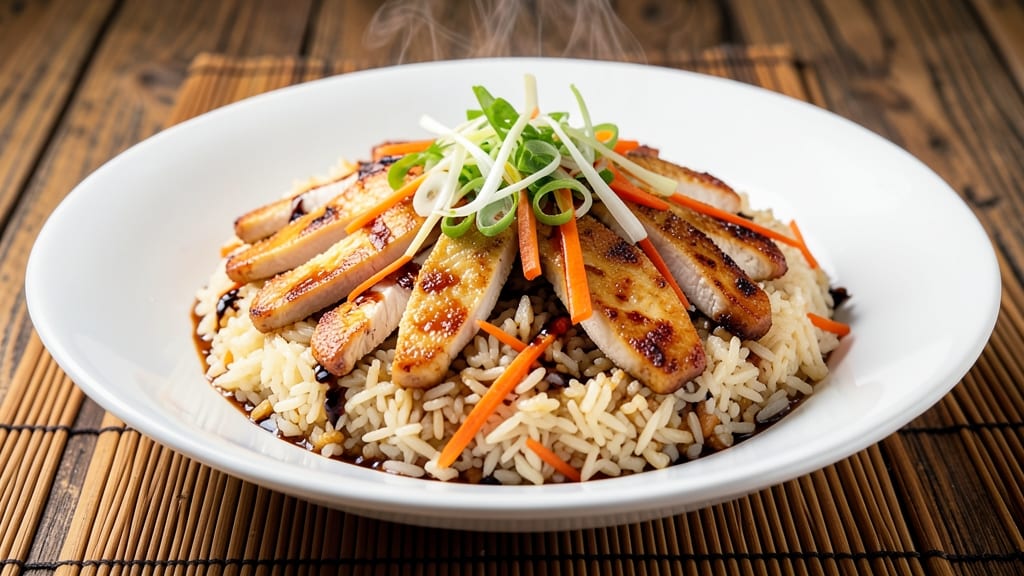
Watch this Chinese fried rice recipe video to master the art of achieving that signature sizzling wok hei—the smoky aroma that transforms simple ingredients into a restaurant-quality dish.
This recipe breaks down the essential techniques for perfectly crispy edges, tender proteins, and balanced seasoning, ensuring every bite delivers authentic flavor without the guesswork.
The secret lies in high-heat stir-frying and proper rice texture: day-old rice absorbs flavors better, while quick cooking preserves its slight chew.
We’ll cover protein prep, veggie timing, and sauce integration to create fried rice that’s golden, fragrant, and packed with texture—just like your favorite takeout, but made at home. Let’s get started with the step-by-step process.
Ingredients for chinese fried rice recipe video
Mastering wok hei requires precise ingredients and technique—here's what delivers authentic texture.
| Ingredient | Amount | Notes |
|---|---|---|
| Day-Old Cooked Jasmine Rice 🍚 | 4 cups | Cold and slightly dry preferred |
| Large Eggs 🥚 | 3 whole | Beaten and seasoned with pinch salt |
| Boneless Chicken Breast 🍗 | 1 lb | Thinly sliced, 1/4-inch thick |
| Carrots 🥕 | 1 cup | Julienned into thin matchsticks |
| Green Onions 🧅 | ½ cup | White and green parts separated |
| Fresh Ginger 🌿 | 1 tbsp | Finely minced, peeled |
| Garlic Cloves 🧄 | 4 cloves | Minced into fine paste |
| Light Soy Sauce 🍶 | ⅓ cup | Kikkoman preferred |
| Dark Soy Sauce 🍶 | 1 tbsp | For rich color |
| Sesame Oil 🫒 | 1 tbsp | Toasted sesame oil only |
| Vegetable Oil 🫒 | ½ cup | High smoke point preferred |
| Salt 🧂 | ½ tsp | Diamond Crystal kosher salt |
| Black Pepper 🌶️ | ¼ tsp | Freshly ground |
| White Pepper 🌶️ | ¼ tsp | For authentic flavor |
| Oyster Sauce 🥢 | 2 tbsp | High-quality brand preferred |
The rice is non-negotiable: day-old jasmine rice absorbs flavors best—fresh rice turns mushy. Lundberg Farms or Trader Joe's brands work perfectly. For protein, chicken breast should be thinly sliced (1/4-inch thick) to cook quickly—any thicker and you'll end up with chewy bits. Fresh ginger and garlic are essential; Penzeys bulk bins offer the freshest options. The soy sauces create depth—light soy for saltiness, dark soy for color. Never skip the high-heat stir-fry; that's where the signature smoky aroma comes from.
No fresh ginger? One tablespoon of paste works in a pinch, but fresh is ideal. Substitute chicken with shrimp or pork if preferred, but adjust cooking time—shrimp takes 2 minutes max. The oyster sauce adds umami; if unavailable, 1 tablespoon of fish sauce plus 1 teaspoon sugar mimics it. For veggie swaps, peas or bell peppers work well, but time them carefully—they cook faster than carrots. The sesame oil should be added last; its nutty aroma should finish the dish, not overpower it. Always use toasted sesame oil, not regular.
Rice reheats best in the microwave—2 minutes with a damp paper towel restores texture. Store leftovers in an airtight container for up to 3 days, but flavor peaks within 24 hours. For freezing, portion into single-serving containers—reheat directly from frozen over medium heat with a splash of water to prevent drying. The wok itself? Carbon steel or cast iron retains heat best; if using nonstick, avoid high heat to prevent damage. Preheat your pan until it smokes lightly—that's your cue to start cooking.
Why You'll Love This Recipe
- One-Pan Magic: I swear by this recipe—no extra dishes, just a sizzling wok and a handful of ingredients. Toss in the day-old rice, scramble those eggs right into the pan, and boom: zero cleanup.
- Crispy-Creamy Perfection: That first bite? The eggs get silky while the chicken stays juicy, and the carrots add just enough crunch. Honestly, it’s the kind of flavor that makes you pause mid-bite.
- Lunchbox Hero: Pack it cold or reheat it—this rice keeps its texture and taste for days. My kids actually want it in their lunches, and that’s saying something.
- Budget Win: A few bucks for chicken and veggies, plus whatever rice you already have? This feeds four for under $10. Between us, it’s my go-to when money’s tight but hunger’s loud.
Step-by-step instructions for Chinese fried rice with wok technique
Master authentic texture with this proven wok method—where timing and heat control create restaurant-quality results.
Prep Ingredients for Maximum Flavor and Texture
Begin by preparing all ingredients precisely. Thinly slice the 1 lb boneless chicken breast into ¼-inch thick strips—this ensures even cooking and tender bites. Julienne the 1 cup carrots into thin matchsticks so they cook quickly without becoming mushy. Separate the 0.5 cup green onions into white and green parts, as the whites will cook down faster.
Mince the 4 cloves garlic into a fine paste and peel and finely mince the 1 tbsp fresh ginger. These aromatics should be ready to go when you're ready to cook—they'll release their flavors instantly in the hot wok. Season the 3 whole large eggs with a pinch of salt and beat them lightly but thoroughly. The goal is to create a silky, well-emulsified mixture that will scramble quickly into delicate ribbons.
Heat the Wok and Cook Proteins in Stages
Heat a 14-inch carbon steel wok over high heat until it's smoking hot. Add 0.5 cup vegetable oil and swirl to coat the entire surface evenly. Once the oil shimmers, add the chicken strips and spread them in a single layer. Cook undisturbed for 1-2 minutes until the edges turn light golden brown—this creates a flavorful crust. Stir-fry for an additional 2-3 minutes until the chicken is 90% cooked but still slightly underdone. Remove and set aside.
In the same wok, add a bit more oil if needed and stir-fry the garlic paste and ginger for 30 seconds until fragrant. Immediately add the carrot matchsticks and stir-fry for 1-2 minutes until they begin to soften but remain crisp. The high heat is crucial here—it prevents the carrots from turning to mush while developing their natural sweetness. Add the white parts of green onions and cook for another 30 seconds until they wilt slightly.
Scramble Eggs and Combine All Ingredients
Push the cooked vegetables to one side of the wok and add a thin layer of oil to the empty space. Pour in the 3 beaten eggs and let them sit undisturbed for 5-10 seconds until they begin to set at the edges. Using a spatula, quickly scramble the eggs into soft, silky ribbons—this should take no more than 15 seconds. The eggs should be just set but still slightly moist.
Add the 4 cups day-old jasmine rice to the wok, breaking up any clumps with your spatula. Stir-fry for 1 minute to heat through and separate the grains. This is where the magic happens—the rice should be hot but not yet fully coated in sauce. Return the chicken to the wok and toss everything together for 30 seconds to distribute heat evenly.
Build the Sauce and Finish with Perfect Texture
Reduce heat to medium-high and add the 0.33 cup light soy sauce, 1 tbsp dark soy sauce, 2 tbsp oyster sauce, 0.5 tsp salt, 0.25 tsp black pepper, and 0.25 tsp white pepper. Stir-fry for 1-2 minutes until the sauce is absorbed and the rice is glossy and evenly coated. The rice should be hot, slightly sticky, and individual grains should be distinct—this is the hallmark of perfect fried rice texture.
Drizzle 1 tbsp sesame oil over the top and toss once more to distribute. Garnish with the green parts of green onions and serve immediately. The dish should be steaming hot, with each bite delivering a balance of tender chicken, crisp carrots, and silky eggs enveloped in a savory-sweet sauce. If the rice feels dry, add a splash of hot water and toss briefly to restore moisture.
Pro Tips For Making Chinese Fried Rice Recipe Video
- CRACK THE EGGS FIRST: Scramble the eggs in a separate bowl before adding them to the wok—this keeps them light and fluffy instead of turning into a sad, greasy clump. I used to toss them in raw and wondered why my fried rice always tasted like overcooked omelet batter.
- CUT CHICKEN SMALLER THAN YOU THINK: Dice that chicken breast into ½-inch cubes or smaller—it cooks faster and soaks up the soy sauce better. I learned this the hard way when I ended up with rubbery chunks in an otherwise perfect batch.
- STOP WHEN RICE LOOKS DRY: Remove the rice from the wok the second it loses its gloss and looks slightly underdone—it’ll finish cooking from residual heat. Overcooking turns it into gritty, dry dust, and nobody wants that.
- SALT THE RICE BEFORE FRYING: Toss the day-old rice with a pinch of salt and a drizzle of oil before adding it to the wok—this prevents blandness and helps the grains separate. My grandmother swore by this, and she was right: the flavor sticks better.
Make-ahead tips for this dish
Rice Prep Ahead
Cook your 4 cups jasmine rice the day before and refrigerate it uncovered for 2-3 hours to dry out the surface slightly. This prevents mushiness when stir-frying. I store mine in a wide, shallow container so it dries evenly.
For extra flavor, toss the cold rice with 1 tsp soy sauce before refrigerating—this jumpstarts the seasoning. 🍚
Protein Pre-Cooking
Slice your 1 lb chicken breast into ¼-inch strips and marinate in 1 tbsp soy sauce for 15-30 minutes before cooking. This keeps it juicy during the stir-fry.
For shrimp lovers, peel and devein ½ lb shrimp, then marinate in 1 tbsp soy sauce + 1 tsp cornstarch for 10 minutes—this prevents curling. Store both proteins in airtight containers in the fridge for up to 2 days.
Veggie Prep Shortcuts
Julienne your 1 cup carrots and store them in a ziplock bag with a paper towel to absorb moisture. This keeps them crisp for up to 3 days. Mince your garlic and ginger ahead and freeze in ice cube trays—thaw just before cooking.
I also separate the green onions into white and green parts and store them in separate containers to control cooking times. ✨
Sauce Pre-Mixing
Combine all your sauces (0.33 cup light soy, 1 tbsp dark soy, 2 tbsp oyster sauce, 0.5 tsp salt, 0.25 tsp black pepper, 0.25 tsp white pepper) in a small bowl and store in the fridge.
This pre-mix ensures even seasoning every time. Keep the sesame oil separate—add it fresh at the end to preserve its aroma. The sauce mix stays good for 5 days in an airtight container.
Wok Prep for Speed
If using a carbon steel wok, preheat it on the stove for 5 minutes before cooking. For nonstick pans, heat until smoking hot—this mimics wok hei. I keep my wok ready by storing it clean and dry on the stove.
If you're short on time, use a 12-inch cast iron skillet—it works almost as well for home cooking. Just avoid nonstick for high-heat stir-frying. 🔥
Reheating Leftovers
Reheat fried rice in a nonstick skillet over medium heat with 1 tbsp oil and 1 tbsp water per 2 cups rice. Stir constantly for 3-4 minutes until hot through.
For microwave reheating, cover with a damp paper towel and heat in 1-minute intervals on 70% power, stirring between each. Add a splash of hot water if it looks dry. Leftovers keep for 3 days in the fridge or 1 month in the freezer.
Nutrition facts
Frequently asked questions
Why does my Chinese fried rice turn out mushy?
The key is using day-old, cold rice that's slightly dry—not fresh rice straight from the pot. Fresh rice contains too much moisture and steams instead of frying. Spread your cooked rice on a tray and refrigerate uncovered for 2-3 hours before using. Also, avoid overcrowding the wok—cook in batches if needed to maintain high heat.
Can I make this with fresh rice?
Fresh rice works in a pinch, but it won't give you that signature crispy texture. If you must use it, spread the hot rice on a tray and refrigerate for 1 hour first to remove excess moisture. Add an extra 1 tbsp soy sauce to help absorb the steam. For best results, always plan ahead and use day-old rice—it's worth the wait!
What's the secret to getting that smoky wok hei flavor?
Wok hei comes from high heat and proper technique. Use a carbon steel or cast iron wok and heat it until it's smoking hot before adding oil. Cook in small batches to avoid steam, and work quickly—don't overcrowd the pan. The 15-second egg scramble and quick tossing of ingredients create that signature smoky aroma. If using a nonstick pan, crank the heat to maximum and cook as fast as possible.
How do I adjust the recipe for spicier fried rice?
Add 1-2 tsp chili garlic sauce or ½ tsp red pepper flakes when tossing with the rice. For extra heat, stir-fry ½ cup diced Thai chilies with the garlic and ginger. If using shrimp, marinate them with 1 tsp sriracha instead of plain soy sauce. Remember, you can always add more spice at the end, but you can't remove it!
What's the best way to reheat Chinese fried rice?
Reheat in a nonstick skillet over medium heat with 1 tbsp oil and 1 tbsp water per 2 cups rice, stirring constantly for 3-4 minutes. For microwave reheating, cover with a damp paper towel and heat in 1-minute intervals on 70% power, stirring between each. Add a splash of hot water if it looks dry. Never reheat in the microwave without moisture—it'll turn rubbery!