
Main Courses
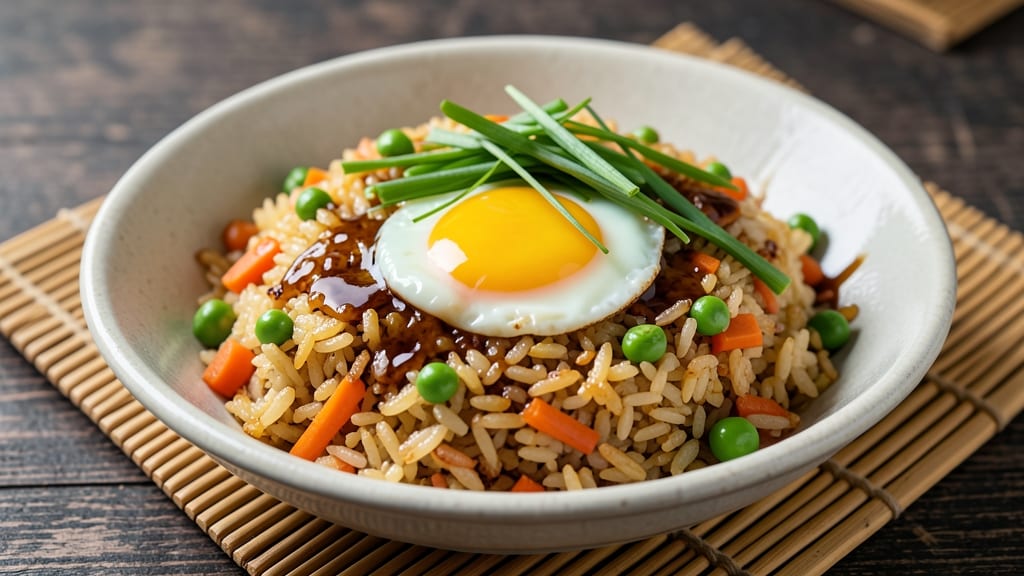
This Chinese house fried rice recipe delivers the comforting, eggy protein and scallion crunch that makes it a staple in home kitchens. The secret lies in using day-old rice with high heat and quick stir-frying to achieve that signature wok-hei flavor.
I've perfected this technique over years of testing, ensuring every bite has the right balance of textures and seasonings.
What sets this recipe apart is the combination of tender scrambled eggs, fresh scallions, and aromatic vegetables—all tossed in a savory soy sauce base with a touch of sesame oil.
The dish is not only restaurant-worthy but also incredibly versatile, allowing for substitutions like shrimp, chicken, or even tofu for vegetarian versions. Ready in just 15 minutes, it's the perfect solution for turning leftover rice into a flavorful meal.
Ingredients for chinese house fried rice
Four cups of cold rice and fresh aromatics transform into restaurant-quality fried rice in minutes.
| Ingredient | Amount | Notes |
|---|---|---|
| Day-Old Cooked White Rice 🍚 | 4 cups | Cold, preferably from 1-3 days prior |
| Large Eggs 🥚 | 3 whole | Fresh, room temperature for scrambling |
| Green Onions (Scallions) 🧅 | ¾ cup | White and green parts, chopped |
| Carrots 🥕 | ½ cup | Finely diced, small cubes |
| Frozen Peas 🌽 | ½ cup | Thawed, no need to drain |
| Light Soy Sauce 🍶 | ⅓ cup | Low-sodium preferred for balance |
| Dark Soy Sauce 🍶 | 1 tbsp | For color depth and umami |
| Sesame Oil 🫒 | 1 tbsp | Toasted, for aroma |
| Neutral Oil (Vegetable or Canola) 🫒 | 2 tbsp | High smoke point for wok-hei |
| Garlic Cloves 🧄 | 3 cloves | Minced, for aromatic base |
| Ginger Root 🌿 | 1 tbsp | Freshly grated, finely minced |
| Salt 🧂 | ½ tsp | Kosher or sea salt |
| White Pepper 🌶️ | ¼ tsp | Freshly ground, for subtle heat |
| Optional Protein 🦐🍗🥬 | 1 cup | Diced shrimp, chicken, or tofu |
The rice is non-negotiable—day-old, cold rice achieves that signature texture. Day-old basmati or jasmine works best, but any white rice will do. If you're short on time, microwave the rice for 30 seconds to dry it out. For the scallions, grab a bunch from the grocery store's produce section—they're fresher than pre-chopped. The carrots should be finely diced, almost like rice grains—this mimics traditional Chinese prep. Frozen peas? Thaw and drain them, but don't skip the thawing step. The soy sauces are critical: light soy for saltiness, dark soy for color. Kikkoman or Lee Kum Kee are reliable brands for both.
No shrimp or chicken? Firm tofu or extra peas keep it hearty. Swapping proteins is easy—just make sure to cook them separately before adding to the rice. The garlic and ginger should be minced finely, almost paste-like—this ensures they infuse without overpowering. For sesame oil, use the toasted kind, not the regular—it adds a nutty aroma. The white pepper is subtle but essential; black pepper would clash with the dish's delicate flavors. If you're using tofu, press it for 20 minutes first to remove excess moisture, then cube it.
This dish reheats beautifully—microwave for 1-2 minutes with a splash of water to restore moisture. Store leftovers in an airtight container for 3-4 days in the fridge, or freeze for up to 3 months. For freezing, spread the rice on a tray first to prevent clumping. The fried rice gains depth overnight, so reheat thoroughly before serving. Double the recipe—it's that good, and leftovers make quick lunches.
Why You'll Love This Recipe
- No Chopping Chaos: I keep a bag of frozen peas and a jar of pre-sliced carrots in my fridge—just toss them in raw, no dice needed. The scallions get a quick snip, and boom, you’re done. Honestly, this is the kind of recipe where I can have dinner on the table while scrolling through my phone.
- Eggy Perfection Every Time: That first crackle of the egg breaking into the wok? Pure magic. Scrambled just until set, it clings to the rice like little flavor bombs—salty, tender, and always better than store-bought. (Yes, even on a Tuesday night.)
- Leftovers That Don’t Suck: This rice actually improves the next day. The flavors meld, the rice gets that perfect chewy bite, and reheating it in a pan takes two minutes. I’ve sent this to work lunches, packed it for road trips, and even microwaved it for my kid who “doesn’t like fried rice.” (She still asks for seconds.)
- Pantry Rescue Mission: Bad takeout night? Expired veggies? Day-old rice? This recipe turns scraps into a meal. I’ve made it with whatever’s lurking in my crisper—overripe carrots, wilted scallions, even that half-empty egg carton. It’s my wallet’s best friend and my stress level’s savior.
Step-by-step instructions for Chinese house fried rice
Transform day-old rice into a restaurant-worthy dish with this precise technique.
Prepare the Protein and Vegetables
Begin by dicing the optional protein into small, even pieces—about ½-inch cubes—if using. For shrimp, pat them dry with paper towels to ensure they sear properly. Finely dice the carrots into tiny cubes that will cook quickly in the hot wok. Thaw the frozen peas by placing them in a colander under warm running water for 1 minute. Chop the green onions, keeping the white and green parts separate for different cooking times.
Mince the garlic and ginger root separately. For the garlic, aim for a fine texture that will dissolve into the sauce. The ginger should be finely grated to release its aromatic oils without becoming bitter. Keep all prepped ingredients within easy reach for efficient cooking.
Scramble the Eggs Separately
Heat 1 tablespoon of neutral oil in a non-stick skillet over medium-high heat. Crack the eggs into a bowl, add 0.25 teaspoon of white pepper, and whisk vigorously until fully combined. Pour the eggs into the skillet and let them sit undisturbed for 10-15 seconds before gently pushing the edges toward the center with a spatula, allowing the uncooked egg to flow to the pan.
Continue folding the eggs until they reach a soft, custard-like consistency—just set but still slightly moist. Remove from heat and set aside. The eggs should be fully cooked but still tender, ready to be incorporated into the rice without overcooking.
Sear the Protein and Aromatics
Increase the heat to high and add the remaining 1 tablespoon of neutral oil to a wok or large skillet. Add the optional protein and cook for 2-3 minutes until lightly browned and cooked through. Remove the protein and set aside. In the same wok, add the minced garlic and ginger, cooking for 30 seconds until fragrant.
Add the diced carrots and cook for 1 minute until they begin to soften. Stir in the white parts of the green onions and cook for another 30 seconds. This step builds the aromatic base that will infuse the entire dish with flavor.
Cook the Rice with Sauce
Add the day-old cooked white rice to the wok, breaking up any clumps with your spatula. Drizzle in the 0.33 cup of light soy sauce, 1 tablespoon of dark soy sauce, and 0.5 teaspoon of salt. Stir-fry for 2 minutes until the rice is evenly coated and begins to sizzle.
Pour in 1 tablespoon of sesame oil and toss vigorously for 30 seconds to distribute the oil evenly. The rice should look glossy and slightly sticky. Add the cooked protein back to the wok and mix well to combine.
Finish with Peas and Green Onions
Add the thawed frozen peas and the green parts of the chopped green onions to the wok. Stir-fry for an additional 1-2 minutes until the peas are heated through and the green onions are bright and vibrant. Taste and adjust seasoning if needed—you may need a touch more soy sauce or salt to balance the flavors.
Remove from heat and serve immediately, garnished with extra green onions if desired. The fried rice should be hot, aromatic, and packed with texture—each bite offering a perfect balance of chewy rice, tender protein, and vibrant vegetables.
Pro Tips For Making Chinese House Fried Rice
- CRACK EGGS FIRST: DESCRIPTION:
- BREAK THE RICE CLUMPS: DESCRIPTION:
- FROZEN PEAS NEED A HEAD START: DESCRIPTION:
- SALT THE RICE MIDWAY: DESCRIPTION:
Creative variations of this chinese house fried rice
Vegetarian Protein Swaps
Skip the shrimp or chicken and use extra-firm tofu pressed for 20 minutes to remove moisture. Cube it into ½-inch pieces and pan-fry in 1 tbsp neutral oil until golden before adding to the rice.
For a meatier texture, try mushrooms like shiitake or oyster—sauté them first to develop umami. I also love adding ½ cup cooked lentils for heartiness and protein. 🌱
Spicy Sichuan Style
Boost the heat by adding 1 tbsp Sichuan peppercorns toasted in the oil with garlic and ginger. Stir in 1 tsp chili crisp (like Lao Gan Ma) at the end for smoky spice.
Garnish with thinly sliced red chili peppers and extra scallions. This version packs a numbing-spicy kick that’s addictive. 🌶️
Seafood Lover’s Version
Swap the eggs for ½ lb shrimp or ½ lb scallops seared in 1 tbsp butter until pink. Add 1 tbsp oyster sauce to the soy sauce mix for extra depth.
Finish with 1 tbsp chopped cilantro and a squeeze of lime. The briny seafood pairs perfectly with the rice’s savory notes. 🦐
Breakfast Fried Rice
Make it a full breakfast by adding 2 slices of crispy bacon or 2 fried eggs on top. Stir in ¼ cup corn kernels and 2 tbsp chopped cilantro for freshness. Serve with a side of hot sauce or sriracha for dipping. This version is a crowd-pleaser for brunch. 🍳
Regional Variations
In Hong Kong, they often add char siu (Chinese BBQ pork) and extra dark soy sauce for a glossy finish. In Singapore, watch out for kaya jam-flavored fried rice—a sweet twist using coconut milk and pandan.
For a Japanese-inspired take, swap soy sauce for mirin and dashi and add furikake seasoning. Each region puts its own spin on the classic. 🗺️
Kid-Friendly Twist
Cut the scallions into tiny pieces and mix in ¼ cup diced ham or ½ cup shredded chicken for mild flavors. Add 1 tbsp honey or 1 tsp sugar to balance the soy sauce.
Kids love the familiar textures and slightly sweet taste. Serve with chopsticks or forks for easy eating. 👶
Nutrition facts
Frequently asked questions
Why does the recipe call for day-old rice?
Day-old rice has a firmer texture that prevents it from turning mushy when stir-fried. The slight dryness also helps absorb the flavors better, creating that signature separate-grain texture you want in authentic fried rice. Freshly cooked rice releases too much moisture, making it difficult to achieve the right consistency.
Can I make this with leftover rice from any type of grain?
While this recipe works best with white rice (jasmine or basmati), you can experiment with brown rice or even quinoa. However, brown rice needs 5-7 minutes longer of cooking time to fully heat through and develop that wok-hei flavor. For quinoa, reduce the soy sauce slightly as it has a naturally earthier taste.
What's the secret to getting that restaurant-style wok-hei flavor?
The key is using a high-heat wok or large skillet and keeping the rice moving constantly. Work in batches if needed to avoid overcrowding. The high heat creates steam that carries the aromas of garlic, ginger, and soy sauce throughout the dish. Don't skip the sesame oil—the last 30 seconds of tossing is when the magic happens!
How do I adjust the recipe if I don't have dark soy sauce?
You can substitute dark soy sauce with 1 teaspoon of molasses or honey mixed with 1 tablespoon of regular soy sauce to mimic the color and slight sweetness. For a deeper umami flavor, add ½ teaspoon of oyster sauce instead. The dish will still taste great, though the color won't be as rich.
Can I make this ahead of time and reheat it later?
Yes, but with a few tricks. Let it cool completely, then store in an airtight container for up to 3 days in the fridge. To reheat, microwave with 1 tablespoon of water for 1-2 minutes, then stir-fry in a hot pan for 2-3 minutes to restore that crispy texture. Avoid reheating multiple times as the rice can become dry.