
Desserts
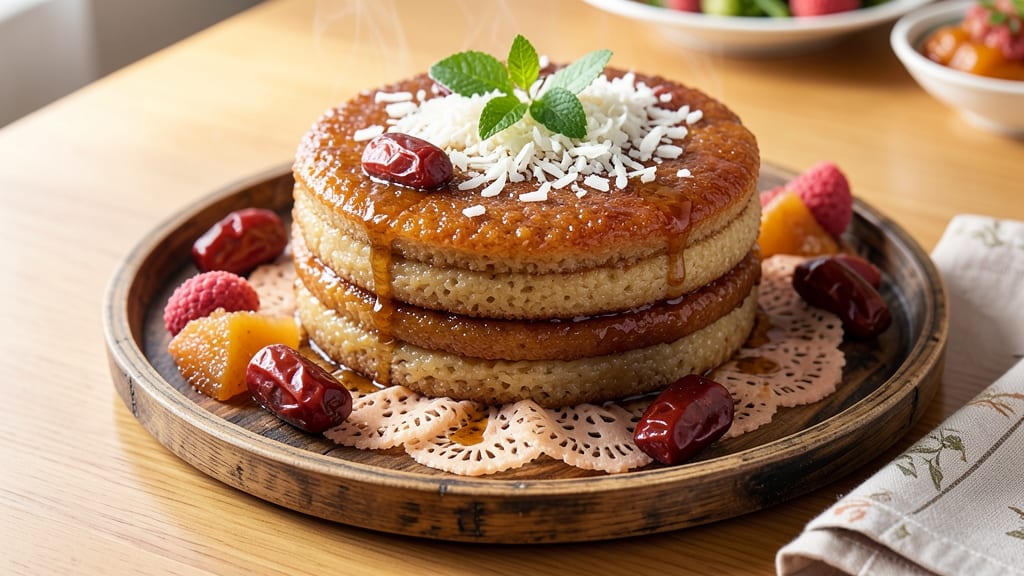
This Chinese New Year sweet rice cake recipe delivers the perfect gluten-free, chewy texture that symbolizes prosperity and good fortune. 🌟 The sticky, layered cake—traditionally made with glutinous rice flour—is infused with subtle sweetness and steamed to golden perfection, creating a dessert that’s as meaningful as it is delicious.
What makes this recipe special is its cultural significance: each bite represents a year of growth and abundance. The batter combines simple ingredients like glutinous rice flour, sugar, and water, then is steamed or pan-fried for that signature sticky, slightly chewy consistency.
Whether you stick to the classic version or experiment with matcha or red bean fillings, this cake brings festive joy to your celebrations.
Ingredients for chinese new year sweet rice cake
Six ingredients create this gluten-free masterpiece—simple yet rich with tradition and sweetness.
| Ingredient | Amount | Notes |
|---|---|---|
| Glutinous Rice Flour 🌾 | 2 cups | High-quality, fine-milled preferred |
| Granulated Sugar 🍚 | 1 ½ cups | White or brown sugar works |
| Water 💧 | 1 ¼ cups | Room temperature preferred |
| Vegetable Oil 🫒 | ¼ cup | Light, neutral flavor preferred |
| Baking Powder 🍞 | 1 tsp | Aluminum-free preferred |
| Salt 🧂 | ½ tsp | Fine sea salt preferred |
| Red Bean Paste 🌱 | 1 ½ cups | Store-bought or homemade |
| Sesame Seeds 🌰 | ¼ cup | Toasted for enhanced flavor |
| Matcha Powder 🍵 | 2 tbsp | Optional, ceremonial grade |
| Lotus Seeds 🌸 | ½ cup | Dried, soaked overnight |
| Dried Longan 🍈 | ½ cup | Chopped, for festive texture |
| Coconut Milk 🥥 | ½ cup | Full-fat for richness |
The glutinous rice flour is non-negotiable—it’s what gives this cake its signature chewy texture. Bob’s Red Mill or King Arthur brands are excellent choices, but check for 100% pure glutinous rice flour (not a blend). The red bean paste adds natural sweetness and a vibrant color; Asian grocery stores carry high-quality versions, or you can make your own by cooking azuki beans with sugar. For the matcha, Ippodo Tea ceremonial grade ensures vibrant green color without bitterness. If you can’t find it, omit it—this isn’t a mandatory ingredient, just a delicious variation.
No red bean paste? Sweetened black sesame paste works beautifully, though the color will differ. Running short on lotus seeds? Dried mango or lychee adds a similar chewy texture and festive touch. The coconut milk can be swapped for full-fat canned coconut milk**—just shake the can well before measuring. For a lighter texture, reduce the water by 2 tbsp, but don’t skip it entirely—this is a steam-based recipe, and moisture is key. If you’re using matcha, sift it first to avoid lumps, and store any leftovers in an airtight container away from light.
This batter keeps for 2 days in the fridge, covered with a damp towel to prevent drying. For best results, steam or pan-fry immediately after mixing. Leftover batter can be frozen for up to 3 months**—thaw overnight in the fridge before cooking. The finished cake stays fresh for 5 days at room temperature, wrapped tightly in plastic wrap. For a restaurant-quality finish, brush the top with a light syrup of equal parts sugar and water before serving.
Why You'll Love This Recipe
- No Fuss, No Mess: I swear by this recipe because it’s actually simple—just mix the glutinous rice flour, sugar, and water into a smooth batter, then steam it in a pan. No rolling, no shaping, no stress. My first attempt was lumpy, but now I just whisk until it’s silky, and it comes out golden every time.
- Sweet with Depth: That balance of caramelized sugar and the chewy texture from glutinous rice? Chef’s kiss. The baking powder gives it a subtle lift, so it’s not just a dense block—it’s got this gentle crunch when you cut into it. Honestly, my kids ask for seconds before I even finish serving.
- Year-Round Staple: I make these for Lunar New Year, but they’re my go-to for breakfast all year. Toast them lightly for a crispy edge or serve warm with tea—no one cares when they’re this good. (Yes, even on a Tuesday night.)
- Budget-Friendly Luxury: A single batch costs me pennies but feels like a treat. The ingredients are cheap, and the leftovers last forever—freeze slices and reheat them in seconds. Between us, I’ve fed a crowd for under $10 with this recipe. That’s a win.
Step-by-step instructions for Chinese new year sweet rice cake
Master this traditional recipe with precise layering and steaming techniques.
👨🍳 Step 1: Prepare the Matcha-Infused Batter
In a large mixing bowl, whisk together the 2 cups Glutinous Rice Flour, 1.5 cups Granulated Sugar, 1 tsp Baking Powder, and 0.5 tsp Salt until completely combined. Create a well in the center and pour in the 1.25 cups Water and 0.25 cup Vegetable Oil. Mix vigorously until you achieve a smooth, thick batter with no lumps remaining.
In a separate small bowl, whisk the 2 tbsp Matcha Powder with 0.5 cup Coconut Milk until fully dissolved. Gently fold this vibrant green mixture into the batter, ensuring even distribution. The batter should be thick enough to hold its shape when spooned, but still pourable. If it's too thick, add 1-2 teaspoons of Water to reach the right consistency.
🥘 Step 2: Layer the Cake with Festive Fillings
Lightly grease a 6-inch round cake pan with vegetable oil and line the bottom with parchment paper. Pour half of the matcha batter into the pan and spread it evenly with a spatula, creating a thin, even layer. Sprinkle 0.25 cup toasted Sesame Seeds evenly over this layer, pressing them gently into the batter.
Add 0.5 cup soaked Lotus Seeds and 0.5 cup chopped Dried Longan on top of the sesame seeds, distributing them evenly. Then spread the remaining batter over the fillings, creating a smooth top layer. Finally, spoon 1.5 cups Red Bean Paste in a circular pattern on top, creating a decorative swirl pattern that will be visible when sliced.
🔥 Step 3: Steam to Perfection
Place the prepared pan in a steamer basket lined with parchment paper, ensuring the water doesn't touch the pan. Bring 2 cups of water to a rolling boil in the steamer pot and place the basket inside. Cover with a tight-fitting lid and steam over medium-high heat for 45-50 minutes. The cake is done when a toothpick inserted into the center comes out clean and the top appears slightly domed.
I recommend checking the cake at the 40-minute mark—the edges should be set but the center should still have a slight wobble. If the top browns too quickly, tent it loosely with aluminum foil during the last 10 minutes of steaming. Remove from heat and let the cake cool completely in the pan before unmolding.
⏰ Step 4: Rest and Serve for Optimal Texture
Once completely cooled, carefully transfer the cake to a serving plate by running a thin knife around the edges of the pan. Let it rest at room temperature for at least 1 hour before slicing. This resting period allows the layers to properly set and the flavors to meld together, resulting in clean slices with distinct layers.
When ready to serve, cut the cake into 6 equal wedges using a sharp knife. Each slice should reveal the beautiful layers of matcha-infused batter, sesame seeds, lotus seeds, longan, and red bean paste. Serve at room temperature with a dusting of additional matcha powder or a drizzle of coconut milk for an elegant presentation.
Pro Tips For Making Chinese New Year Sweet Rice Cake
- STEAM AT LOW HEAT: Your rice cake batter will rise unevenly if you blast it with high heat—think slow and steady. After shaping, cover the pan with foil and steam on the lowest setting for 30-40 minutes. I learned this the hard way when my first batch turned out dense and rubbery because I rushed it.
- SIFT THE FLOUR FIRST: Glutinous rice flour loves to clump, and lumps in your batter mean uneven texture. Sift it twice with baking powder into a large bowl before mixing—yes, even if the package says "pre-sifted." This prevents gummy spots and makes folding the sugar easier.
- DON’T OVERMIX THE BATTER: Once you fold in the sugar and water, stop stirring the second everything looks just combined. Overworking the batter introduces air bubbles that burst during steaming, leaving holes. My grandmother’s trick: Use a spatula to gently fold in a figure-eight motion until no dry flour remains.
- USE COLD WATER FOR SHAPING: Wet your hands with cold water before handling the batter—it keeps the rice cake from sticking and makes shaping cleaner. Warm hands make the dough too soft, leading to messy edges. (Pro move: Keep a small bowl of ice water nearby for touch-ups.)
Pro cooking tips for chinese new year sweet rice cake
Steaming Mastery
Steaming is the soul of this recipe—get it right, and you’ll achieve that signature chewy yet tender texture. Use a bamboo steamer basket (like the OXO Good Grips brand) lined with parchment paper to prevent sticking.
Bring 2 cups of water to a rolling boil before placing the cake inside—this ensures even heat distribution. If your steamer doesn’t have a tight seal, add a damp towel over the lid to lock in moisture. 🌿
Pan-Frying Secrets
For a crispy exterior, pan-fry the cake after steaming. Heat 1 tablespoon vegetable oil in a non-stick skillet (I love my Calphalon 10-inch) over medium heat. Cook for 2-3 minutes per side until golden brown.
This technique adds a delightful contrast to the soft interior—perfect for those who love texture play. Flip carefully using a thin spatula to avoid crumbling.
Batter Consistency
The batter should be thick enough to hold its shape when spooned but still pourable—like pancake batter but slightly denser. If it’s too thick, add 1 teaspoon of water at a time until it reaches the right consistency.
Overmixing will introduce air bubbles, which can cause the cake to collapse during steaming. Mix just until the dry ingredients are fully incorporated and no lumps remain. 💧
Layering Like a Pro
Spread the batter evenly in the pan—uneven layers will cause the cake to shift during steaming. Use a small offset spatula to create a smooth, thin base layer. When adding fillings, distribute them evenly so every slice has a balanced mix of textures.
Press the sesame seeds gently into the batter to ensure they stick—this prevents them from sinking to the bottom during cooking.
Resting for Clean Slices
Never skip the 1-hour rest—this is non-negotiable for clean slices. The cake needs time for the layers to set and the moisture to redistribute. If you’re impatient, chill the cake in the fridge for 30 minutes to speed up the process.
Slice against the grain of the layers for the most visually appealing (and delicious) results. A sharp serrated knife** works best—it glides through the cake without tearing.
Nutrition facts
Frequently asked questions
Why is this dessert called "sweet rice cake" for Chinese New Year?
The name "sweet rice cake" (年糕, niángāo) symbolizes growth and prosperity in Chinese culture. The word "gāo" (糕) sounds like "high" or "tall," representing aspirations for the coming year. Eating it during the Lunar New Year brings good luck and sweetness to future endeavors.
Can I make this without a steamer?
Use a large pot with a tight-fitting lid and a heatproof plate or rack elevated above the water. Line the plate with parchment paper, place your cake pan on top, and ensure the water doesn't touch it. Alternatively, bake at 350°F (175°C) for 40-45 minutes in a preheated oven.
How do I store leftover sweet rice cake?
Wrap tightly in plastic wrap and store at room temperature for up to 5 days. For longer storage, freeze slices in an airtight container for 3 months. To reheat, steam for 5 minutes or pan-fry until warm—this restores its chewy texture.
What if my cake turns out too dense or dry?
Oversteaming or insufficient moisture causes this. Next time, reduce steaming time by 5 minutes and ensure your batter is slightly thicker. Add 1 tbsp water to the pan before steaming to create extra steam. For dryness, brush warm slices with coconut milk before serving.
Can I make this cake without matcha?
Skip the matcha and use the full 2 cups coconut milk instead. For extra flavor, add 1 tsp vanilla extract or 1 tbsp pandan extract** to the batter. The cake will still be delicious—just a different color and taste profile!