
Main Courses
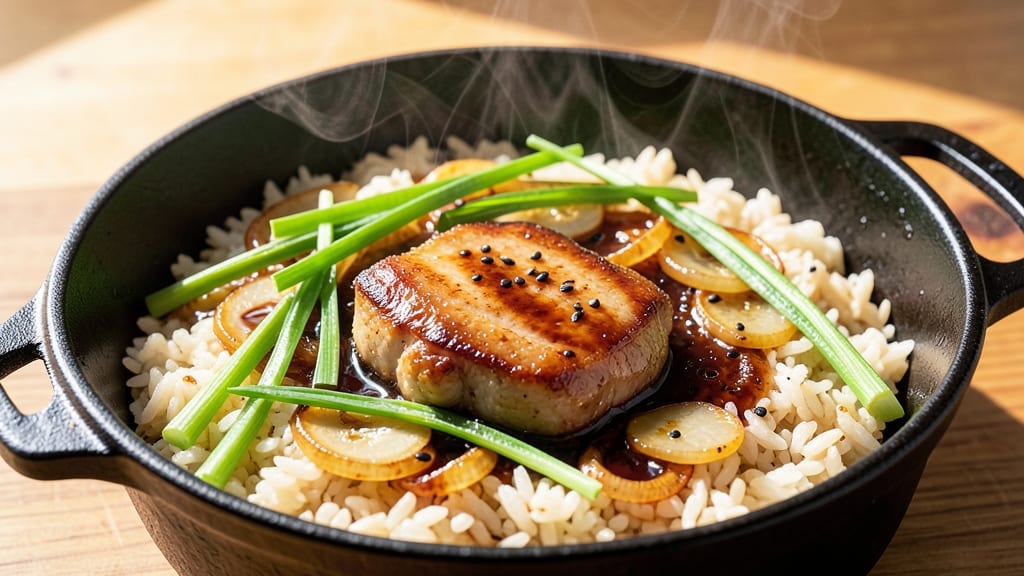
This Chinese pot rice recipe transforms simple ingredients into a fragrant, one-pan masterpiece that captures the heart of home-style Chinese cooking. The secret lies in caramelizing celery and aromatics—creating a golden, savory base that infuses every grain of rice with deep, layered flavor.
Unlike restaurant versions, this method delivers restaurant-quality results in just one pot, with minimal cleanup and maximum impact.
What sets this dish apart is the balance of textures and flavors: tender rice grains, crisp-tender caramelized celery, and a subtle umami depth from soy sauce and ginger. The technique is straightforward—simmering the rice in a rich broth until perfectly tender while building flavor through slow cooking.
It’s the kind of dish that feels both comforting and impressive, perfect for weeknights or special occasions.
The final result is a fragrant, golden pot of rice where every bite carries the essence of traditional Chinese home cooking. The caramelized celery adds a touch of sweetness and crunch, while the rice absorbs the aromatic broth, creating a dish that’s both hearty and delicate.
Serve it as a main course with steamed vegetables or alongside a simple stir-fry for a complete meal.
This recipe is versatile enough to adapt to vegetarian preferences by swapping pork for mushrooms or tofu, while still delivering that signature Chinese pot rice experience. The simplicity of the method makes it accessible, but the depth of flavor ensures it stands out.
Ready to bring the warmth of a Chinese home kitchen to your table?
Ingredients for chinese pot rice
Transform simple pantry staples into fragrant Chinese pot rice with caramelized celery and aromatic broth.
| Ingredient | Amount | Notes |
|---|---|---|
| Jasmine Rice 🍚 | 1 ½ cups | Uncooked, long-grain preferred |
| Celery Stalk 🧅 | 3 whole | Thinly sliced, light green preferred |
| Yellow Onion 🧅 | 1 whole | Medium size, thinly sliced |
| Fresh Ginger 🌿 | 1 ½ tbsp | Finely grated, peeled |
| Light Soy Sauce 🍶 | ½ cup | High-quality, low-sodium preferred |
| Chicken Broth 💧 | 2 cups | Homemade or low-sodium preferred |
| Vegetable Oil 🫒 | 2 tbsp | Neutral flavor, high smoke point |
| Garlic Cloves 🧄 | 4 cloves | Minced, fresh preferred |
| Sesame Oil 🫒 | 1 tbsp | Toasted, for finishing |
| Salt 🧂 | 1 tsp | Diamond Crystal kosher salt |
| White Pepper 🌶️ | ¼ tsp | Freshly ground preferred |
| Green Onion 🧅 | 2 whole | Thinly sliced, for garnish |
| Pork Belly 🥩 | 4 oz | Diced, optional for vegetarian omit |
The jasmine rice is the foundation—its floral notes pair perfectly with the umami depth of soy and ginger. Look for long-grain varieties at Asian markets or the international aisle of major supermarkets like Whole Foods or Trader Joe's. The celery should be crisp and pale green; avoid any with brown spots or wilted ends. Pork belly, if using, should be sourced from a trusted butcher or pre-diced at Costco for even cooking. Fresh ginger is non-negotiable here—it provides the signature warmth. Penzeys or bulk bins at H Mart offer the best quality.
No pork belly? Mushrooms or tofu work beautifully—just increase the cooking time slightly. The light soy sauce should be high-quality; Lee Kum Kee or Kikkoman are reliable brands. For extra depth, toast the sesame oil in the pot before adding broth—this releases its nutty aroma. Diamond Crystal kosher salt is preferred for its clean flavor, but any fine sea salt works. If you're short on time, pre-minced garlic (from the refrigerated section) saves steps without sacrificing flavor. The broth can be swapped for vegetable broth for a fully vegetarian version, though chicken broth adds richness.
Rice keeps best in an airtight container for 3-4 days in the fridge, though flavor peaks on day two. For longer storage, freeze portions in single-serving containers for up to 3 months. Reheat gently with a splash of water—microwaving can make the rice dry. The caramelized celery adds best when served fresh, but you can store it separately in the fridge for 2 days. Garnish with green onions just before serving to preserve their vibrant color and crisp texture.
Why You'll Love This Recipe
- One-Pot Magic: I swear by this recipe because it’s literally one pot—no fancy tools, no extra bowls. Just rice, veggies, and a splash of soy sauce simmering together while I chop the rest of dinner. The celery and onion caramelize right into the rice, so you’re not left with a mess of separate dishes.
- Umami Bomb: That light soy sauce? It’s the secret weapon here. The ginger and onion build a warm, savory base, but the soy ties it all together with this deep, slightly salty richness that makes every bite feel like a hug. Honestly, I’ve made it without extra seasoning and still craved seconds.
- Lunchbox Hero: Between us, this rice keeps perfectly for days—fridge or freezer, no fuss. Pack it cold for lunches, or reheat it with a quick stir-fry for dinner. My kid’s school lunches are always the envy of the class when I send this along. (Yes, even on a Tuesday night.)
- Pantry Staple: You’re already using stuff you have—jasmine rice, a stalk of celery, an onion. No specialty ingredients, no last-minute grocery runs. I’ll be real: I’ve made this with whatever was in my fridge, and it’s still solid. Budget-friendly and foolproof? That’s my kind of recipe.
Step-by-step instructions for Chinese pot rice with caramelized celery
Master this aromatic one-pan technique for perfectly fragrant rice with tender pork belly and crisp celery.
Prepare the Aromatics and Pork Belly
Heat the 2 tablespoons vegetable oil in a heavy-bottomed pot or Dutch oven over medium-high heat. Add the 4 ounces diced pork belly and cook for 5-6 minutes until the edges begin to crisp and the fat starts to render. This slow rendering creates rich flavor that infuses the entire dish.
Remove the pork belly and set aside. In the same pot, add the 3 whole thinly sliced celery stalks, 1 whole thinly sliced yellow onion, and 1.5 tablespoons finely grated fresh ginger. Cook for 4-5 minutes until the celery softens slightly and the onion becomes translucent. Here's where the magic begins - the celery will caramelize beautifully as it cooks.
Build the Flavor Base
Add the 4 cloves minced garlic cloves and cook for 30 seconds until fragrant. Immediately pour in the 0.5 cup light soy sauce and scrape up any browned bits from the bottom of the pot. These bits, called fond, contain concentrated flavor that elevates the entire dish.
Stir in the 1.5 cups jasmine rice and coat it thoroughly with the soy sauce mixture. This ensures each grain absorbs the maximum flavor during cooking. The rice should look glossy and well-coated, not dry.
Cook the Rice to Perfect Texture
Pour in the 2 cups chicken broth and bring to a gentle simmer. The liquid should just cover the rice - you want it to be shallow enough that the rice can develop a slight crust on top. Sprinkle with 1 teaspoon salt and 0.25 teaspoon white pepper, then cover tightly with a lid.
Reduce heat to low and cook for 15 minutes without disturbing. After this initial cooking time, you'll notice the rice has absorbed most of the liquid but still has a slight steam rising from the pot. This indicates the rice is cooking evenly and developing its characteristic texture.
Finish and Garnish
Return the pork belly to the pot and stir gently to distribute it throughout the rice. Drizzle with 1 tablespoon toasted sesame oil and mix lightly. The sesame oil adds a nutty aroma and beautiful golden sheen to the finished dish.
Cover and cook for another 10-12 minutes until the rice is tender and the liquid has been completely absorbed. You'll know it's done when the rice pulls away slightly from the edges of the pot and has a delicate crust on top. Remove from heat and let it sit covered for 5 minutes to steam through.
Serve with Fresh Garnishes
Fluff the rice gently with a fork, then garnish with the 2 whole thinly sliced green onions. The green onions add a fresh, bright contrast to the rich, savory flavors of the dish. Serve immediately while the rice is still hot and fragrant.
This Chinese pot rice delivers perfect texture - tender rice with a subtle crust, caramelized celery that adds sweetness, and pork belly that melts in your mouth. The aromatics create layers of flavor that make every bite satisfying and complex.
Pro Tips For Making Chinese Pot Rice
- STIR THE RICE WET: Don’t wait until the rice is dry to add liquid—start with a splash of water or broth as soon as the pot hits heat. I used to add everything first and scramble later, but this keeps the rice from sticking to the bottom like glue. Think of it as prepping a steam bath from the start.
- JULIENNE THE GINGER: Thinly slice that ginger—no need for matchsticks, but don’t chop it into paste. A 1/8-inch matchstick size lets it infuse flavor without turning the rice bitter. I learned this the hard way after burning my mouth on overpowering ginger chunks.
- LOW AND SLOW AFTER BOIL: Once the rice starts boiling, drop the heat to the lowest setting that keeps a gentle simmer. High heat after boiling turns pot rice into a sad, mushy mess. Trust me, even if it feels like forever, patience here means fluffy grains every time.
- SAUTE ONIONS UNTIL GOLD: Cook the onions until they’re deep golden, not just translucent—this builds the flavor base. I used to rush this step, and the rice tasted bland. If they’re still pale, keep them in the pot another 2-3 minutes; the difference is night and day.
Essential equipment for perfect results
Heavy-Bottomed Pot
Your heavy-bottomed pot or Dutch oven is non-negotiable for even heat distribution. I swear by a Le Creuset Dutch oven—it retains heat beautifully and prevents hot spots that can burn your rice. A 5-quart capacity is perfect for this recipe, accommodating the rice and broth without overcrowding.
If you don’t have one, a stainless steel pot with thick bottom (like All-Clad) works too. Avoid thin aluminum pots—they heat unevenly and can scorch your aromatics. 🌡️
Wooden Rice Spoon
A wooden rice spoon is a game-changer for fluffing the rice without crushing it. I prefer a bamboo-handled spoon with a wide, flat head—it’s gentle on the rice and won’t scratch your pot. For a budget-friendly option, OXO’s wooden rice paddle is a great choice.
Pro tip: Soak your wooden spoon in hot, soapy water for 10 minutes before first use to prevent warping. Never use metal utensils when the rice is hot, as they can cause the pot to warp over time.
Fine-Mesh Strainer
If you’re prepping ingredients like celery or green onions ahead, a fine-mesh strainer is essential for rinsing rice. I use a stainless steel strainer from Oxo—it’s durable and rinses easily. For rinsing 1.5 cups jasmine rice, run it under cool water until the water runs clear.
This removes excess starch, preventing gummy rice. Skip this step if you’re using pre-washed rice, but I’ve found rinsing makes a noticeable difference in texture. 💧
Tongs for Pork Belly
For handling diced pork belly, a pair of heat-resistant silicone tongs (like OXO Good Grips) gives you a secure grip without piercing the meat. These tongs also protect your hands from splatters when searing.
If you’re frying the pork separately, a slotted spoon works too—just be gentle to avoid breaking up the diced pieces. Avoid metal tongs, as they can leave marks on the pork’s surface.
Lid with Handle
A tight-fitting lid with a handle is critical for trapping steam during cooking. I recommend a glass or metal lid that fits snugly on your pot—Le Creuset lids are a perfect match for their Dutch ovens.
If your lid doesn’t seal well, wrap the rim with a damp paper towel before placing it on to create an airtight seal. This ensures even cooking and prevents the rice from drying out. 🔥
Sesame Oil Dropper
A sesame oil dropper makes finishing your dish effortless. I use a small glass dropper bottle (like those from Amazon Basics) to drizzle 1 tablespoon toasted sesame oil over the rice just before serving. This adds a delicate nutty aroma without overpowering the dish.
If you don’t have a dropper, a clean spoon works, but it’s messier. Store sesame oil in a cool, dark place—it’s sensitive to light and heat.
Nutrition facts
Frequently asked questions
Can I use short-grain rice instead of jasmine?
Short-grain rice will work, but it won't give you the same fluffy texture. For this recipe, jasmine rice is ideal because its long grains stay separate and absorb the aromatic broth beautifully. If you must use short-grain, consider adding an extra 1/4 cup broth to prevent stickiness, and stir the rice gently during the last 5 minutes of cooking.
How do I make this vegetarian?
Swap the pork belly for 4 ounces mushrooms (shiitake or oyster work best) or firm tofu, cubed. Increase cooking time by 3-4 minutes to ensure the mushrooms soften. For extra umami, add 1 teaspoon soy sauce to the mushrooms before cooking. The rest of the recipe stays the same—just focus on caramelizing the celery for that signature sweetness.
Why does my rice turn out mushy?
Mushy rice usually means too much liquid or stirring too often. Use a heavy-bottomed pot and reduce heat to low after the initial simmer. Avoid lifting the lid during cooking—steam is your friend! If the rice seems dry, add 2 tablespoons broth and cover for 3-5 minutes to steam through. Always let the rice rest covered for 5 minutes after cooking.
Can I make this ahead of time?
Yes! This dish reheats beautifully. Store in an airtight container in the fridge for up to 3 days. To reheat, sprinkle with 1 tablespoon water per cup of rice, cover, and microwave on medium heat for 2-3 minutes. For best texture, finish with a drizzle of sesame oil and fresh green onions. The flavors actually deepen overnight, making it even more aromatic!
What’s the secret to caramelizing the celery?
The key is patience and heat control! Cook the celery over medium heat (not high) for 4-5 minutes until it softens but doesn’t burn. Add a pinch of salt to draw out moisture, which helps the celery break down and caramelize. If it starts to brown too quickly, reduce heat slightly. The result should be tender with golden edges—this adds natural sweetness that balances the savory rice.