
Salads
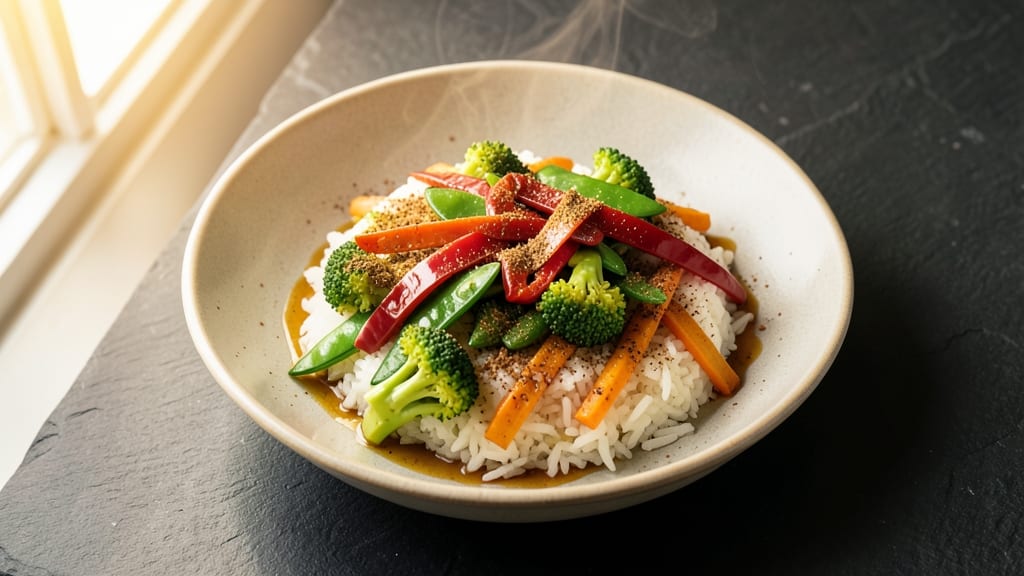
This Chinese rice and vegetables recipe delivers restaurant-quality wok-tossed crunch with fragrant five-spice aroma in under 25 minutes. The secret lies in high-heat stir-frying that locks in vibrant colors and crisp textures while balancing sweet, savory, and aromatic notes.
I developed this version after years of testing—it's the one that finally convinced my family to eat their vegetables without complaint.
What makes this dish special is the perfect harmony of textures: crisp-tender vegetables, lightly charred edges, and fluffy jasmine rice that soaks up the fragrant sauce. The five-spice blend adds depth without overpowering, while a touch of soy and sesame oil creates that signature umami richness.
This is comfort food that feels both familiar and exciting—ideal for weeknight dinners or meal prep.
Ingredients for chinese rice and vegetables
Jasmine rice and crisp vegetables come together with aromatic five-spice for a restaurant-style wok dinner.
| Ingredient | Amount | Notes |
|---|---|---|
| Jasmine Rice 🍚 | 1 ½ cups | Uncooked, long-grain preferred |
| Carrots 🥕 | 1 lb | Baby or julienned for even cooking |
| Bell Peppers 🌶️ | 2 whole | Red/yellow, sliced into strips |
| Broccoli Florets 🥦 | 1 ½ cups | Cut into bite-sized pieces |
| Snow Peas 🌱 | 1 cup | Pods only, trimmed |
| Five-Spice Powder 🌶️ | 1 tbsp | Store-bought or homemade blend |
| Light Soy Sauce 🥢 | 3 tbsp | Low-sodium preferred |
| Sesame Oil 🫒 | 1 tbsp | Toasted for authentic flavor |
| Garlic Cloves 🧄 | 4 cloves | Minced, fresh preferred |
| Ginger Root 🌿 | 1 tbsp | Fresh, grated |
| Vegetable Oil 🫒 | 2 tbsp | High smoke point for wok |
| Green Onions 🧅 | 3 whole | Sliced, white and green parts |
| Sesame Seeds 🥜 | 1 tbsp | Toasted for garnish |
| Salt 🧂 | ½ tsp | Diamond Crystal preferred |
| White Pepper 🌶️ | ¼ tsp | Freshly ground for heat |
The jasmine rice is non-negotiable here—it needs to be long-grain and uncooked for that signature fluffiness. Lundberg Farms or Tilda are my go-tos, but any good-quality brand works. For the vegetables, freshness matters most—look for bright, firm produce with no soft spots. Baby carrots and snow peas are perfect, but if you're using full-size carrots, julienne them for even cooking. The bell peppers should be red or yellow for natural sweetness, not green—they're less sweet and more bitter. Broccoli florets should be cut into bite-sized pieces so they cook quickly without turning mushy.
No five-spice powder? Mix 1 tsp cinnamon, 1 tsp star anise, 1 tsp fennel seeds, 0.5 tsp cloves, and 0.5 tsp ginger for a quick substitute. Light soy sauce can be swapped for dark soy sauce at half the amount if you want deeper color, but it'll be more salty. Fresh ginger and garlic are ideal, but powdered works in a pinch—just use half the amount. The sesame oil is what gives this dish its signature aroma, so don't skip it. Kadoya or La Choy are reliable brands. If you're short on time, pre-cut veggies from the grocery store save prep work—just make sure they're fresh, not wilted or pre-cooked.
Rice keeps best in an airtight container in the fridge for 4-5 days, but it's better reheated the next day. The stir-fried veggies? Eat within 2 days for best texture. I always make extra rice—it reheats perfectly for lunch the next day. For storage, keep the veggies and rice separate until ready to reheat. To revive texture, microwave with a splash of water and cover for 30 seconds. The five-spice blend stays potent for 6 months in a sealed jar, so make a big batch if you love this flavor profile.
Why You'll Love This Recipe
- One-Pan Magic: I swear by this recipe because it’s all on one sheet pan—rice, veggies, and all. No pots clattering, no rice sticking to the bottom, just stir-fry everything together and let the steam do the work. Honestly, the less dishes, the better.
- Crunchy-Creamy Balance: That first bite of jasmine rice still tender but firm, with snow peas snapping and bell peppers adding sweetness? It’s the kind of contrast that makes you go back for seconds. The carrots caramelize just enough to give it depth without overpowering.
- Lunchbox Hero: Between us, this is my go-to for meal prep. Pack it in containers, and it stays fresh for days—no soggy broccoli here. My kids (and my lunchbox-loving coworkers) actually finish their portions, which is basically a miracle in this house.
- Budget Stretch: Jasmine rice and seasonal veggies? Affordable, but it feels like a restaurant dish. I can stretch this into four servings for under $10, and it’s still satisfying enough to feel like a treat. Leftovers reheat beautifully—just add a splash of water.
Step-by-step instructions for wok-tossed Chinese rice and vegetables
Here's how to create a fragrant, crunchy stir-fry that balances perfect rice with vibrant vegetables.
Prepare the Jasmine Rice
Rinse the 1.5 cups jasmine rice under cold water until the water runs clear—this removes excess starch that would make the rice mushy. Drain well in a fine-mesh strainer for 5 minutes, then transfer to a bowl. Add the 0.5 teaspoon salt and toss gently to distribute evenly. This salting step enhances flavor while preventing the rice from becoming bland during cooking.
Use a 1:1.5 rice-to-water ratio—measure 2.25 cups water for the 1.5 cups rice. Combine the rice, water, and a pinch of additional salt in a pot with a tight-fitting lid. Bring to a boil over high heat, then immediately reduce to low, cover, and simmer for 15 minutes. Turn off the heat and let it steam for another 10 minutes. The rice should be tender with a slight bite—fluffy but not dry.
Prep and Stir-Fry the Vegetables
Slice the 2 whole bell peppers into ½-inch strips, trim the 1 lb carrots into julienne matchsticks, and cut the 1.5 cups broccoli florets into bite-sized pieces. Keep the 1 cup snow peas whole and trim the ends. Slice the 3 whole green onions into 1-inch pieces, reserving the tops for garnish. Mince the 4 garlic cloves and grate the 1 tablespoon ginger root—both should be finely chopped for even distribution of flavor.
Heat a wok or large skillet over high heat until it's smoking hot. Add the 2 tablespoons vegetable oil and swirl to coat. Toss in the carrots first and stir-fry for 2 minutes until they begin to soften. Add the bell peppers and broccoli, cooking for another 3 minutes while stirring constantly. The vegetables should retain their vibrant color but begin to blister slightly at the edges.
Season and Combine with Rice
Push the vegetables to one side of the wok and add the minced garlic and ginger to the empty space. Stir-fry for 30 seconds until fragrant—this prevents the garlic from burning, which would make the dish bitter. Add the snow peas and stir-fry for 1 minute until they brighten in color.
In a small bowl, whisk together the 1 tablespoon five-spice powder, 3 tablespoons light soy sauce, and 1 tablespoon sesame oil. Pour this mixture over the vegetables in the wok and toss everything together for 1 minute. The aroma should be rich and slightly sweet, with a hint of warmth from the five-spice. Add the cooked rice to the wok and fold gently to combine, using tongs to prevent breaking the grains.
Finish and Garnish
Continue cooking for 2-3 minutes until the rice is heated through and the vegetables are evenly coated in the sauce. The dish should have a glossy sheen from the sesame oil and soy sauce. Taste and adjust seasoning—add a splash of water if the sauce is too thick or a bit more soy sauce if it needs more saltiness.
Transfer the stir-fry to serving plates and garnish with the toasted sesame seeds and reserved green onion tops. The final dish should be a vibrant mix of colors with crisp-tender vegetables, fragrant rice, and a well-balanced five-spice aroma. Serve immediately while hot and steaming.
Pro Tips For Making Chinese Rice And Vegetables
- STIR-FRY IN BATCHES: Don’t dump all your veggies in at once—crowding steams them instead of searing. Start with the hardest veg (carrots, cut into matchsticks) for 2 minutes, then add bell peppers and broccoli in stages. Snow peas go in last—overcook them, and they turn mushy. (Yes, even if you’re impatient like me.)
- CUT UNIFORMLY OR REGRET IT: Carrots and bell peppers should be the same size—about ½-inch thick slices or thin matchsticks. Broccoli florets? Trim the stems and cut them into ½-inch pieces too. I learned this the hard way when my broccoli stayed crunchy while the carrots turned to mush.
- USE A WOK (OR A LID): Skip the wide pan—it spreads heat too thin. A wok (or a deep skillet with a lid) concentrates the heat where it matters. If you don’t have one, crank the burner to high and keep the lid off until the veggies hit the wok—then cover for 1-2 minutes to steam just enough to soften without killing the crunch.
- SALT THE RICE WHILE IT COOKS: Jasmine rice absorbs flavor like a sponge. Add a pinch of salt (or a splash of soy sauce) to the water—it’ll make the rice taste brighter, not bland. I skip this, and my rice always feels flat compared to when I do. (Your future self will notice.)
Perfect pairings for chinese rice and vegetables
Classic Garnishes
Freshly toasted sesame seeds add crunch and visual appeal—heat 1 tbsp in a dry skillet for 30 seconds until golden, then sprinkle over the dish. Thinly sliced green onions (white and green parts) bring brightness and freshness. For extra flair, add cilantro leaves if you love their citrusy note. 🌱
Dipping Sauces
A simple soy-ginger dip elevates every bite. Mix 2 tbsp soy sauce, 1 tbsp rice vinegar, 1 tsp honey, 1 tsp grated ginger, and a pinch of white pepper.
For heat lovers, add ½ tsp chili crisp—it cuts through the richness beautifully. Serve in small bowls on the side. 🥢
Protein Additions
Turn this into a complete meal by adding 1 cup cooked shrimp or 6 oz sliced chicken breast during the final 2 minutes of stir-frying. For vegetarian versions, toss in ½ cup cubed tofu (pressed and pan-fried first) or ¼ cup chopped water chestnuts for texture.
Always cook proteins separately to avoid overcooking the veggies. 🍤
Beverage Pairings
Jasmine tea—especially Tie Guan Yin—complements the five-spice aroma perfectly. For alcohol lovers, a crisp dry Riesling or light lager cleanses the palate between bites. Avoid heavy beers or sweet wines that would clash with the dish's balance. 🍶
Regional Twists
In Sichuan province, add 1 tsp chili bean paste and ½ tsp Sichuan peppercorns for a fiery kick. For Cantonese style, swap five-spice for 1 tsp hoisin sauce and top with crispy fried shallots. Both versions keep the same core technique but adjust for local flavor profiles. 🗺️
Meal Prep Upgrades
Store components separately: refrigerate cooked rice in one airtight container and veggies in another. When reheating, microwave the veggies with 1 tsp water for 1 minute, then mix with rice and a splash of soy sauce.
For extra flavor, add ½ tsp five-spice powder while reheating. This preserves texture better than reheating everything together. ⏰
Nutrition facts
Frequently asked questions
Can I use any type of rice for this recipe?
Jasmine rice is ideal for its fragrant aroma and slightly sticky texture, but you can substitute with brown rice or long-grain white rice. For brown rice, increase cooking time by 10-15 minutes and use 1.75 cups water instead. The texture will be nuttier but still delicious. Avoid short-grain rice like sushi rice—it becomes too mushy when stir-fried.
How do I prevent the vegetables from turning mushy?
High heat is key! Use a wok or large skillet on maximum heat until smoking, and stir-fry in small batches if needed. Cut vegetables into even, bite-sized pieces so they cook uniformly. Start with harder veggies (carrots, broccoli) first, then add softer ones (bell peppers, snow peas) later. Overcrowding the pan steams instead of sears—keep it moving!
What can I substitute if I don't have five-spice powder?
Mix ½ tsp cinnamon, ½ tsp cloves, ½ tsp fennel seeds, and ¼ tsp star anise for a DIY blend. For a simpler approach, use 1 tsp garlic powder + ½ tsp ginger powder + pinch of salt. If you love heat, add ¼ tsp red pepper flakes. The five-spice gives depth—substitutes won't be identical but still flavorful.
Can I make this recipe ahead of time?
Yes! Cook the rice and stir-fry separately, then store in airtight containers for up to 3 days. Reheat veggies with 1 tsp water for 1 minute in the microwave, then mix with rice and a splash of soy sauce. For best texture, add ½ tsp five-spice powder while reheating. Avoid reheating everything together—it makes veggies soggy.
Why does my stir-fry taste bland?
Most likely, the vegetables weren't cooked long enough to develop flavor. Stir-fry until they're tender-crisp (about 3-5 minutes total) and taste before serving. Add more soy sauce (up to 1 extra tbsp) or a splash of rice vinegar for brightness. Fresh garlic/ginger is crucial—don't skip it! If using pre-cut veggies, rinse and pat dry to remove excess moisture.