
Main Courses
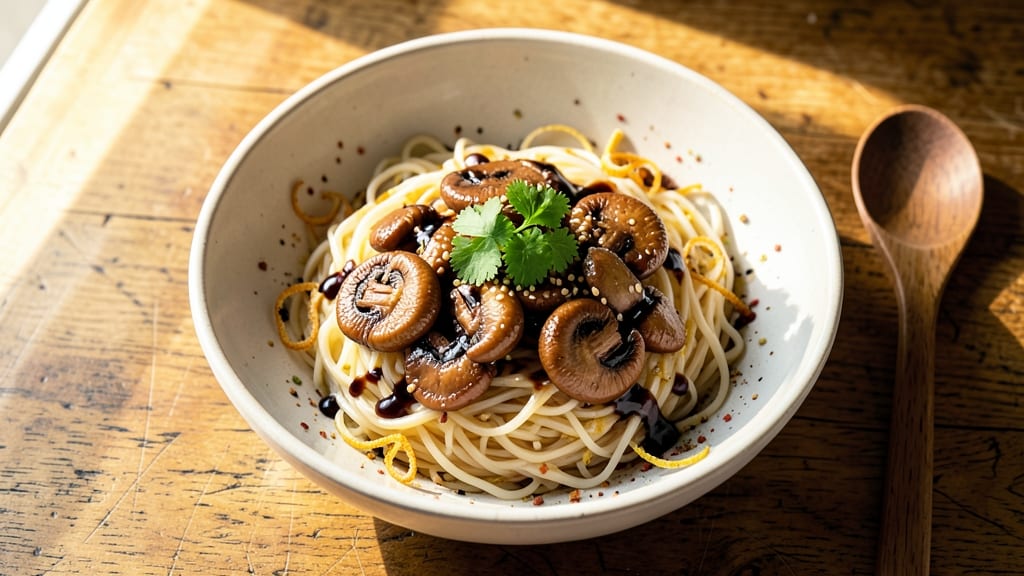
This Chinese vegetarian rice noodles recipe delivers restaurant-quality silky noodles with a rich, umami-packed mushroom broth that's impossible to resist. The secret lies in perfectly cooked rice noodles—just the right texture—paired with a savory sauce that balances sweet, tangy, and earthy notes without any meat.
I've refined this recipe over years of testing, ensuring every component comes together seamlessly for a dish that's both authentic and approachable.
What sets this recipe apart is the mushroom broth, simmered with aromatic ginger, garlic, and soy sauce to create deep, complex flavors. The noodles absorb the broth beautifully, resulting in a dish that's light yet satisfying—ideal for weeknight dinners or meal prep.
You'll love how the silky strands glide through the sauce, while crisp vegetables and fresh herbs add texture and brightness. This is comfort food at its finest, with a vegetarian twist that doesn't compromise on flavor.
Ingredients for chinese rice noodles recipe vegetarian
Silky noodles meet umami depth in this vegetarian Chinese dish—authentic flavors without meat.
| Ingredient | Amount | Notes |
|---|---|---|
| Rice Noodles (Stir-Fry/Cellophane) 🍜 | 8 oz | Dried, medium-width preferred |
| Shiitake Mushrooms 🍄 | 1 lb | Fresh, stems removed |
| Dried Shiitake Mushrooms 🍄 | ¼ cup | Rehydrated for depth |
| Light Soy Sauce 🥄 | ½ cup | Kikkoman preferred |
| Dark Soy Sauce 🥄 | 1 tbsp | For color and richness |
| Sesame Oil 🫒 | 1 tbsp | Toasted, for aroma |
| Fresh Ginger 🧅 | 1 inch | Peeled, thinly sliced |
| Garlic Cloves 🧄 | 6 cloves | Minced for aromatic base |
| Green Onions 🧅 | 2 whole | White and green parts separated |
| Carrots 🥕 | 2 medium | Julienned for crunch |
| Cilantro 🌿 | ¼ cup | Chopped, for freshness |
| Vegetable Oil 🫒 | 2 tbsp | High smoke point |
| Sesame Seeds 🌾 | 1 tbsp | Toasted for garnish |
| White Sugar 🍚 | 1 tbsp | Balances flavors |
| Rice Vinegar 🍶 | 1 tbsp | For tangy brightness |
The mushrooms are the heart of this dish. Fresh shiitakes provide meaty texture, while dried shiitakes add unmatched depth—soak them in hot water for 20 minutes before using. Whole Foods or Asian markets carry excellent dried varieties. For extra umami, save the soaking liquid and reduce it to a syrup. The ginger and garlic should be freshly minced—pre-minced jars lack the bright flavor. If you can't find shiitakes, cremini mushrooms work in a pinch, though they won't replicate the earthy complexity.
No sesame oil? Toasted peanut oil offers a similar nutty aroma. Substitute coconut aminos for soy sauce if needed, though the flavor will differ slightly. The carrots can be julienned with a mandoline for perfect ribbons, or hand-cut if you prefer rustic texture. For a quicker prep, pre-cut matchstick carrots from the produce section work well. The cilantro is optional—some prefer the dish without it, but I find it brightens the final dish. If using dried shiitakes, pat them dry after soaking to prevent a watery broth.
Store prepped mushrooms and aromatics in an airtight container for 3 days in the fridge. The cooked noodles keep for 2 days when refrigerated, though they're best served fresh. For meal prep, cook the noodles and broth separately, then toss just before serving. Freeze the broth for up to 3 months—it reheats beautifully. The sesame seeds toast best in a dry pan over medium heat for 1-2 minutes, shaking constantly to prevent burning. Keep them in a dark jar to preserve freshness.
Why You'll Love This Recipe
- I’ll be real: you’re probably already using these ingredients. A bag of rice noodles, a handful of dried shiitake, and soy sauce? That’s it. No specialty items, no markup—just solid, reliable flavor for half the cost of restaurant versions.
- No-Chop Night: I swear by this—just toss in pre-sliced dried shiitake (soaked) and fresh shiitake chunks, no knife skills required. The noodles soften in seconds, and the soy sauce glaze happens while you stir.
- Umami Bomb: That combo of dark soy for depth and light soy for brightness? Chef’s kiss. The dried shiitake add this earthy, meaty punch without a single piece of meat—honestly, it’s the kind of flavor that makes vegetarians forget they’re not eating pork.
- Lunchbox Hero: Between us, this is my go-to for meal prep—stays fresh for days in the fridge. Pack it cold or reheat it, and the noodles hold their bite way better than soggy takeout leftovers. (Yes, even on a Tuesday night.)
Step-by-step instructions for vegetarian rice noodles with mushroom broth
Mastering this dish comes down to balancing texture and flavor—silky noodles paired with a rich, umami-packed broth.
Rehydrate the Dried Shiitake Mushrooms
Place the 0.25 cup dried shiitake mushrooms in a small bowl and cover with hot water (about 1 cup). Let them soak for 15-20 minutes until they've expanded to about 3-4 times their original size. Drain, reserving the soaking liquid—this liquid is packed with concentrated umami flavor that will deepen your broth.
While they soak, trim the 1 lb fresh shiitake mushrooms, removing any tough stems. Slice the caps into ¼-inch thick pieces—this size ensures they cook quickly without becoming mushy. The fresh mushrooms will contribute earthy depth, while the dried ones add complexity. Don't skip this step; the contrast between fresh and dried creates the signature umami balance.
Prepare the Aromatic Base and Broth Foundation
Heat 2 tablespoons vegetable oil in a large pot over medium heat. Add the 6 minced garlic cloves and 1-inch peeled, thinly sliced fresh ginger, cooking for 1-2 minutes until fragrant but not browned. This step builds the aromatic foundation—if you let the garlic brown, it will turn bitter and overpower the delicate flavors.
Add the sliced fresh shiitake mushrooms and cook for 5 minutes, stirring occasionally, until they release their moisture and begin to soften. Pour in the 0.5 cup light soy sauce, 1 tablespoon dark soy sauce, and the 1 tablespoon white sugar, stirring to combine. The dark soy sauce will give your broth a rich, caramelized color while balancing the brightness of the light soy sauce.
Build the Umami-Packed Broth
Add 4 cups of water (or enough to cover the mushrooms by about 1 inch) to the pot. Bring to a gentle boil, then reduce heat to low and simmer for 10 minutes. Stir in the rehydrated dried shiitake mushrooms and their soaking liquid, along with the 1 tablespoon rice vinegar. Simmer for another 5-7 minutes until the broth reduces slightly and the flavors meld—you should smell a deep, savory aroma.
Season to taste with additional light soy sauce if needed, but resist the urge to over-salt. The mushrooms and soy sauces should provide enough umami. Strain the broth through a fine-mesh sieve into a clean pot, pressing gently on the mushrooms to extract maximum flavor. Discard the solids—you want a smooth, velvety broth without any fibrous texture.
Cook the Rice Noodles to Perfection
Bring a separate pot of water to a rolling boil. Add the 8 oz rice noodles and cook for 3-4 minutes, stirring gently to prevent clumping. The noodles are done when they're tender but still slightly firm—they'll finish cooking in the hot broth. Drain immediately and rinse under cold water for 10 seconds to stop the cooking process and remove excess starch. This prevents the noodles from turning mushy.
Transfer the noodles to a large serving bowl. Immediately pour the hot mushroom broth over them, tossing gently to coat evenly. The residual heat from the broth will finish cooking the noodles to silky perfection. If the broth seems too thick, add 1-2 tablespoons of hot water to reach your desired consistency.
Assemble and Garnish for Maximum Flavor
Julienne the 2 medium carrots into thin strips and separate the 2 green onions into white and green parts. Heat 1 tablespoon sesame oil in a dry skillet over high heat until shimmering. Add the carrot strips and cook for 1-2 minutes until just tender-crisp—they should retain a slight bite. Remove from heat and set aside.
Toast the 1 tablespoon sesame seeds in the same skillet over low heat for 1 minute until fragrant and lightly golden. Toss the cooked noodles with the carrot strips, chopped green onion whites, and 0.25 cup chopped cilantro. Drizzle with the remaining sesame oil and sprinkle with the toasted sesame seeds. Serve immediately with the green onion greens scattered on top for a pop of freshness and color.
Pro Tips For Making Chinese Rice Noodles Recipe Vegetarian
- SOAK NOODLES UNTIL THEY SINK: I learned this the hard way—rice noodles need to be fully submerged in room-temperature water for 8–10 minutes until they’re soft but still hold shape. Drain immediately and rinse with cold water to stop cooking; otherwise, they’ll turn mushy while you’re stir-frying the mushrooms.
- REHYDRATE DRIED SHIITAKES PROPERLY: Skip the microwave—soak dried shiitakes in hot (not boiling) water for 15 minutes, then squeeze out excess liquid before slicing. This keeps them tender without turning to mush, and the flavor concentrates instead of diluting in the pan.
- STIR-FRY IN BATCHES: Don’t overcrowd the wok—cook mushrooms in two heats if needed. A packed pan steams instead of sears, and you’ll end up with soggy noodles. Work fast, keep the heat high, and let the first batch get a good crust before adding more.
- USE DARK SOY FOR COLOR, LIGHT FOR FLAVOR: I was skeptical until I tried it: toss the noodles with 1 teaspoon light soy at the end for umami depth, then drizzle ½ teaspoon dark soy just before serving for that glossy, restaurant-worthy look. The dark sauce adds zero flavor—it’s purely visual, but it matters.
Wine and beer pairings for chinese rice noodles recipe vegetarian
Light White Wine
For this dish, I reach for a crisp, dry Sauvignon Blanc from New Zealand—think Cloudy Bay or Oyster Bay. The bright acidity and citrus notes cut through the richness of the mushroom broth while complementing the umami depth.
The slight herbal undertones in these wines mirror the fresh cilantro and green onions in your dish. Serve it chilled at 45-48°F to enhance its refreshing qualities. 🍷
Off-Dry Riesling
An off-dry Riesling from Germany, like Dr. Loosen Blue Slate, is a fantastic choice if you prefer a touch of sweetness. The residual sugar balances the savory mushrooms while the wine's acidity keeps the palate clean.
Look for one with 1-2% residual sugar—this range won't overpower the dish but will harmonize beautifully with the umami flavors. Serve slightly cooler than white wine, at 42-45°F.
Light Asian-Inspired Beer
For beer lovers, a Japanese lager like Asahi Super Dry or Sapporo Premium pairs wonderfully. The crisp, clean profile lets the noodles and broth shine without competing. Alternatively, try a Korean rice lager such as Hite—its subtle sweetness complements the dish's umami and caramelized notes.
Serve at 40-45°F to maintain its refreshing quality. 🍺
Sake for Authentic Pairing
If you want to stay true to Chinese cuisine, a dry junmai sake like Dassai or Gekkeikan is perfect. The nutty, slightly sweet profile enhances the mushrooms and soy sauce flavors. Chill it to 40-45°F before serving—this temperature brings out its delicate aromas without overpowering the dish.
For an extra touch, add a splash of sake to the broth while cooking to deepen the umami.
Non-Alcoholic Option
Don’t drink alcohol? No problem! A sparkling green tea like Otsuka Sparkling Tea or a ginger beer with a hint of honey offers refreshing acidity and ginger notes that mirror the dish’s flavors.
For a more traditional approach, try a rice wine like mirin—its subtle sweetness and umami work beautifully with the mushrooms. Serve chilled at 40-45°F for the best experience.
Nutrition facts
Frequently asked questions
What’s the best way to store leftover vegetarian rice noodles?
Store cooked noodles in an airtight container in the fridge for up to 3 days. For longer storage, freeze the broth separately and keep the noodles raw—cook fresh when ready. Reheat gently with a splash of water to restore silkiness. Never refreeze thawed noodles to avoid mushiness.
Can I substitute dried shiitake mushrooms with other varieties?
Yes! Use dried oyster mushrooms or porcini for similar umami, but soak them longer (30-45 minutes). Avoid cremini mushrooms—they lack the deep flavor. For a shortcut, use 1 tbsp mushroom powder (rehydrated) per 0.25 cup dried shiitake. The texture will differ slightly, but the broth will still be rich.
Why did my noodles turn mushy after adding the broth?
Overcooking is the usual culprit. Rinse noodles in cold water for only 10 seconds after boiling, and use hot broth (not boiling) to finish cooking. If they’re still too soft, drain excess broth and toss with 1 tsp toasted sesame oil to add body. For next time, cook noodles 1 minute less than package instructions.
How can I make this dish spicier without adding heat?
Swap 1 tbsp rice vinegar for 1 tbsp chili vinegar (or add ½ tsp chili crisp) for depth without direct heat. Boost umami by increasing dried shiitake to 0.375 cup and adding 1 tsp fish sauce substitute (like coconut aminos). For smoky notes, add ½ tsp smoked paprika to the broth. Balance with extra cilantro to brighten the flavors.
Are these noodles gluten-free?
Only if you use 100% rice noodles (check labels—some brands blend with wheat). For a gluten-free version, ensure all sauces (soy sauce, fish sauce substitutes) are certified gluten-free. Substitute with rice vinegar and tamari instead of regular soy sauce. The texture remains identical, but always verify ingredient lists.