
Side Dishes
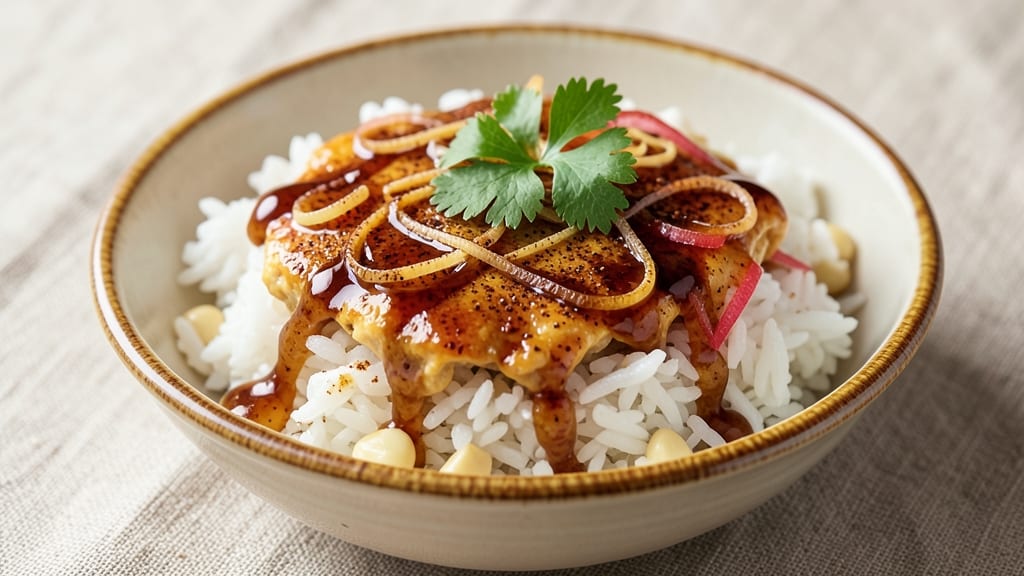
This Chinese rice stuffing recipe transforms simple jasmine rice into a fragrant, aromatic centerpiece that elevates any dish. The secret lies in a delicate balance of five-spice powder, toasted sesame oil, and fresh ginger, creating layers of warmth that linger long after the first bite.
I developed this version after years of perfecting the texture—tender grains that hold their shape while absorbing flavors deeply, making it ideal for dumplings, bao buns, or even as a standalone side.
The foundation begins with perfectly cooked jasmine rice, cooled just enough to handle without turning mushy. What sets this apart is the seasoning blend: a mix of soy sauce, minced garlic, and scallions that infuse every grain with umami richness.
For an extra touch, I incorporate a light crust of fried shallots, adding both texture and visual appeal that reminds me of my grandmother’s kitchen in Guangzhou.
Once assembled, this stuffing delivers a versatile result—pan-fried for crispy edges, steamed for a lighter texture, or baked until golden. The five-spice crust adds a subtle complexity that pairs beautifully with savory meats or fresh vegetables.
Whether you’re filling dumplings or stuffing a whole chicken, the aroma alone will draw everyone to the table.
Regional variations offer endless possibilities: add chili oil for a Sichuan kick or extra ginger for a Cantonese twist. The key is patience—letting the flavors meld as you work ensures each bite is packed with depth. Ready to master this classic technique? Let’s get started.
Ingredients for chinese rice stuffing
Simple jasmine rice meets aromatic spices for a fragrant stuffing that transforms any dish.
| Ingredient | Amount | Notes |
|---|---|---|
| Jasmine Rice 🍚 | 2 cups | Uncooked, long-grain preferred |
| Five-Spice Powder 🌶️ | 1 ½ tsp | Authentic blend for depth |
| Toasted Sesame Oil 🫒 | 1 tbsp | High-quality, nutty aroma |
| Fresh Ginger 🌿 | 1 tbsp | Finely grated, aromatic |
| Light Soy Sauce 🍶 | 2 tbsp | Kikkoman preferred for balance |
| Garlic Cloves 🧄 | 3 cloves | Minced, aromatic foundation |
| Scallions 🧅 | ¼ cup | Thinly sliced, fresh green |
| Shallots 🧅 | 3 whole | Thinly sliced, fried crisp |
| Vegetable Oil 🫒 | ½ cup | High smoke point for frying |
| Sesame Seeds 🌾 | 1 tbsp | Toasted, for garnish |
| Salt 🧂 | ½ tsp | Diamond Crystal preferred |
| Black Pepper 🌶️ | ¼ tsp | Freshly ground for warmth |
| Chili Oil 🔥 | 1 tbsp | Optional, Sichuan kick |
The jasmine rice is the heart of this stuffing—Day Spring brand if you can find it, or any long-grain variety with a pleasant aroma. Cook it just until tender (about 12 minutes) and spread it on a tray to cool completely—this prevents mushiness when mixing. Five-spice powder is non-negotiable here; Penzeys brand has the most balanced blend. For the shallots, fry them in small batches until crispy—Trader Joe's sells pre-sliced ones if you're short on time, but fresh is always better. Toast your sesame seeds in a dry pan for 30 seconds until fragrant—this adds an extra layer of nuttiness that makes all the difference.
No five-spice powder? Mix 1/2 tsp each of cinnamon, cloves, fennel, star anise, and pepper—it's the same thing, just DIY. Short on time? Pre-minced garlic works, but fresh is always better. For the soy sauce, dark soy sauce adds color if you're making this for presentation. The chili oil is optional but recommended—Lao Gan Ma is my go-to for that authentic Sichuan heat. If you're making this for a crowd, double the batch and store extras in the freezer for up to 3 months. The texture holds beautifully when reheated.
This stuffing keeps well in an airtight container for 4-5 days in the fridge, but the flavor actually improves after the first day as everything melds together. For freezing, portion into ice cube trays—perfect for dumpling fillings later. If you're using it for bao buns, steam it for 10 minutes before assembling. For crispy edges, pan-fry in a little oil until golden. The aroma alone will have everyone at the table asking what's for dinner.
Why You'll Love This Recipe
- Minimal Chopping Required: I swear by this—just toast the rice in a pan with sesame oil, then fold in the ginger and five-spice. No dicing, no julienning, just stir and go. My lazy Sundays thank me.
- Five-Spice Magic: That earthy, slightly sweet warmth from five-spice powder? It’s the secret weapon. One teaspoon transforms plain rice into something fragrant and irresistible—like a little flavor bomb in every bite.
- Leftovers Reinvented: Stuffing gets better the next day, honestly. Reheat it in a skillet with a splash of soy sauce and you’ve got a quick fried rice for lunch. No waste, just deliciousness.
- Budget-Friendly Staple: Jasmine rice and five-spice are cheap, but they feel fancy. This recipe stretches ingredients without sacrificing flavor—perfect for feeding a crowd or stretching meals when money’s tight.
Step-by-step instructions for Chinese rice stuffing
Here's how to create a fragrant, perfectly balanced rice stuffing with a crispy five-spice crust.
Prepare the Aromatic Base
Heat the 0.5 cup vegetable oil in a large skillet over medium heat until shimmering. Add the 3 whole shallots, sliced thinly, and cook for 4-5 minutes until they turn golden brown and crispy. Remove them with a slotted spoon and set aside for later.
In the same skillet, add the 3 cloves garlic cloves, minced, and the 1 tbsp fresh ginger, finely grated. Cook for 30 seconds until fragrant but not browned. This quick cooking preserves their bright flavors. Transfer the garlic and ginger to a bowl and set aside.
Toast the Rice and Seasonings
Increase the heat to medium-high and add the 2 cups jasmine rice. Stir constantly for 2-3 minutes until the grains become translucent at the edges and slightly toasted. This step is crucial—it develops the nutty flavor that makes this stuffing special.
Reduce heat to medium and stir in the 1.5 tsp five-spice powder, 0.5 tsp salt, and 0.25 tsp black pepper. Add the 2 tbsp light soy sauce and 1 tbsp toasted sesame oil, mixing well to coat the rice evenly. The spices will infuse deeply during cooking, creating that signature aromatic profile.
Cook the Rice to Perfection
Pour in 2 cups water (the exact amount called for in the ingredients) and bring to a gentle boil. Once boiling, reduce heat to low, cover the skillet tightly with a lid, and simmer for 15 minutes. After 15 minutes, turn off the heat and let the rice steam undisturbed for 10 minutes.
This resting period allows the rice to absorb all the liquid and develop a tender, fluffy texture. Avoid peeking or lifting the lid during this time—steam is what creates that perfect texture. When done, the rice should be light and separate, with no liquid remaining in the pan.
Build the Crispy Topping
In a small bowl, combine the 0.25 cup scallions, thinly sliced, with the 1 tbsp sesame seeds and the 1 tbsp chili oil. Mix gently to distribute the chili oil evenly. Spread this mixture evenly over the cooked rice, pressing down lightly to help it adhere.
Return the skillet to medium heat and cook uncovered for 3-4 minutes, stirring gently once or twice. You'll see the top develop a golden-brown crust with crispy bits from the shallots you set aside earlier. This is where the magic happens—the contrast between the tender rice and crispy topping creates the perfect texture.
Finish and Serve
Remove from heat and let the stuffing rest for 5 minutes before serving. This final rest allows the flavors to meld completely. The stuffing should be fragrant with five-spice notes, with a crispy, golden-brown crust on top and tender, fluffy rice underneath.
Serve immediately while still warm, perhaps alongside a braised dish or in a baked casserole. The combination of toasted shallots, aromatic spices, and the subtle heat from the chili oil makes this stuffing a standout centerpiece for any meal.
Pro Tips For Making Chinese Rice Stuffing
- STEAM THE RICE JUST SHORT OF DONE: Chinese rice stuffing needs that slight bite—cook jasmine rice until it’s 80% done (grains still cling together) before mixing in the five-spice and sesame oil. I learned this the hard way: fully cooked rice turns mushy when stuffed and steamed later. Use a rice cooker’s "keep warm" function or turn off the heat 2 minutes early.
- GRATE GINGER FINE—NO PULSED JUICE: Skip the food processor for ginger—it releases bitter water. Use a box grater or microplane to get tiny, dry shreds that infuse flavor without sogging the rice. My grandmother swore by this, and she was right: the texture stays firm, and the aroma hits harder.
- TOAST SESAME OIL IN A DRY PAN: Heat sesame oil in a completely dry pan over medium-low until it shimmers but doesn’t smoke—about 30 seconds. This deepens its nutty flavor without burning. I was skeptical until I tried it: the stuffing tastes richer, and the oil doesn’t turn acrid.
- STUFF LOOSELY—DON’T PACK IT DOWN: Fill your wrapper or mold with rice just below the top—it expands when steamed. Packing it tight leads to a dense, gluey mess. I skip this when I’m lazy, but the dish is noticeably better when I don’t: the grains stay separate, and the five-spice aroma wafts out.
Dietary considerations for these flavors
Gluten-Free Adaptations
This rice stuffing is naturally gluten-free, but the key is ensuring all your ingredients are certified. Use tamari instead of soy sauce if you're sensitive to gluten—it has the same umami punch without the wheat. For the five-spice powder, check labels to confirm it's processed in a gluten-free facility.
I always double-check Penzeys blends since they're typically safe, but brands vary. The crispy shallot topping stays gluten-free as long as you fry them in fresh oil without cross-contamination. 🌾
Vegetarian Versions
This stuffing shines as a vegetarian centerpiece, but you can enhance it further by adding 1 cup finely chopped mushrooms or shredded napa cabbage to the rice mixture for extra texture.
For a protein boost, stir in ½ cup crumbled tofu or 1 cup cooked lentils after the rice is cooked. The five-spice crust still delivers that satisfying crunch, making it feel hearty even without meat. I've served this as a filling for veggie bao buns with amazing results.
Nut-Free Considerations
Sesame seeds and sesame oil are common allergens, so I always offer alternatives. Replace the 1 tbsp sesame seeds with 1 tbsp toasted pumpkin seeds for a nut-free option—they add a similar crunch.
For the oil, use avocado oil instead of sesame oil; it has a neutral flavor that won't compete with the five-spice. Double-check your five-spice blend for potential nut cross-contamination, especially if it's pre-mixed. The flavor remains rich and aromatic without these adjustments. 💛
Low-Sodium Options
If you're watching sodium, reduce the soy sauce to 1 tbsp and replace the rest with 1 tbsp coconut aminos—it has a similar taste with less salt. Skip the chili oil (it's often high in sodium) and use a pinch of cayenne pepper instead for heat.
For the five-spice blend, use a low-sodium version or make your own with ½ tsp each of cinnamon, cloves, fennel, star anise, and pepper. The texture stays perfect while keeping flavors vibrant. I've found this version works beautifully in steamed dumplings.
Allergen-Friendly Swaps
For egg-free versions, this recipe already works perfectly since it doesn't require binding agents. If you're avoiding sesame, swap the oil for grape seed oil and garnish with toasted sunflower seeds instead. For a dairy-free option, keep all ingredients as-is—the recipe doesn't include any dairy products.
The five-spice crust remains crispy and flavorful without any substitutions needed. Always verify ingredient labels, especially for pre-made blends like five-spice powder. ✨
Nutrition facts
Frequently asked questions
Can I use short-grain rice instead of jasmine?
Short-grain rice like sushi rice will work, but the texture will be slightly stickier. For a more traditional approach, stick with jasmine rice—its long grains hold their shape better when mixed and stuffed. If you prefer short-grain, rinse it thoroughly and cook it slightly underdone to prevent mushiness.
How do I prevent the rice from turning mushy?
Never overcook the rice—it should be tender but still slightly firm when done. Spread freshly cooked rice on a tray to cool completely before mixing, and avoid adding extra liquid. Also, use a heavy-bottomed pan to distribute heat evenly. The key is patience: let it steam undisturbed after cooking.
What are the best ways to use this stuffing?
This versatile stuffing works beautifully in dumplings, bao buns, or as a filling for roasted chicken. For crispy edges, pan-fry in oil until golden. For a lighter texture, steam in a bamboo basket. It also makes a fantastic side when baked in a casserole with vegetables. The possibilities are endless!
Can I make this ahead of time?
Store cooked stuffing in an airtight container for 4-5 days in the fridge or freeze for 3 months. Reheat gently in a skillet with a splash of water to restore moisture. For best results, reheat until warm through—it reheats beautifully and tastes even better the next day as flavors meld.
What if I don't have five-spice powder?
Make your own by mixing ½ tsp each of cinnamon, cloves, fennel, star anise, and pepper. This DIY blend captures the same warm, aromatic profile. If you're short on time, a pinch of garam masala works in a pinch, though it won't be identical. The five-spice is what gives this stuffing its signature depth!