
Main Courses
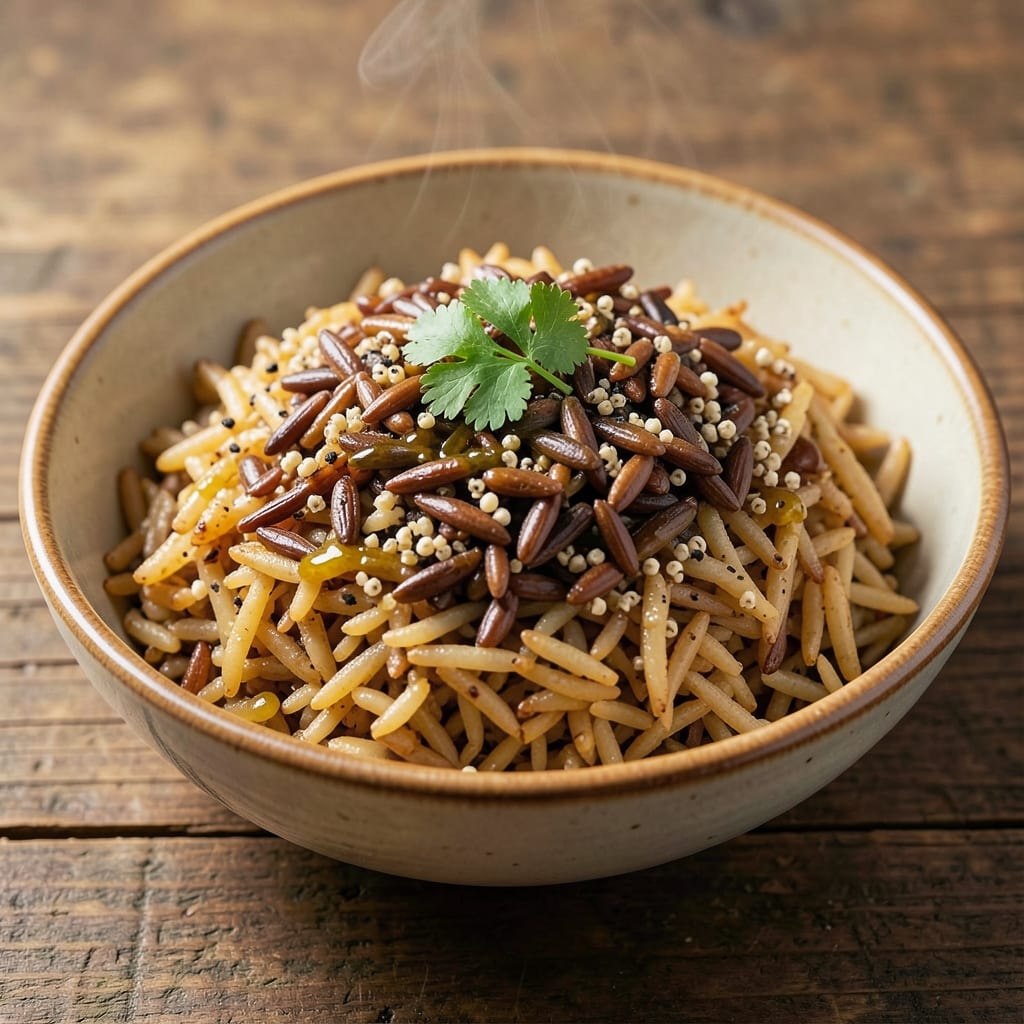
This 5 grain rice recipe delivers restaurant-quality texture—nutty, fluffy bites with an ideal balance of chew and tenderness. The secret lies in soaking the grains properly and cooking them in flavorful broth, which transforms each variety (like basmati, wild rice, and brown rice) into a cohesive, satisfying dish. I developed this method after years of testing different ratios and cooking techniques, ensuring every grain reaches perfection without becoming mushy or dry.
What sets this recipe apart is its versatility—it works as a standalone main dish or pairs beautifully with proteins like grilled chicken or roasted vegetables. The grains absorb the aromatic broth, creating a dish that's both hearty and elegant. For extra depth, I recommend toasting the grains lightly before cooking, which enhances their natural nuttiness and prevents them from becoming bland.
The result is a perfect blend of textures: the basmati stays distinct and fluffy, the wild rice adds chewiness, and the brown rice contributes earthiness. Each bite is packed with flavor, making this a dish that feels special yet simple to prepare. Whether you're serving it as a side or a main, this recipe delivers restaurant-quality results at home.
For added customization, consider stir-frying the grains after cooking for a crispy texture or mixing in herbs like thyme or parsley for a fresh finish. This recipe is also naturally gluten-free, making it suitable for a variety of dietary needs without sacrificing flavor or texture.
Ingredients for 5 grain rice
Six grains, one pot—elevated texture and flavor with restaurant-quality results at home.
| Ingredient | Amount | Notes |
|---|---|---|
| Basmati Rice 🌾 | 1 cup | Long-grain, uncooked |
| Wild Rice Blend 🌾 | ½ cup | Uncooked, natural |
| Brown Rice 🌾 | ½ cup | Long-grain, uncooked |
| Jasmine Rice 🌾 | ½ cup | Uncooked, aromatic |
| Quinoa 🌾 | ½ cup | Rinsed thoroughly |
| Vegetable Broth 💧 | 4 cups | Low-sodium preferred |
| Olive Oil 🫒 | 2 tbsp | Extra-virgin for richness |
| Garlic Cloves 🧄 | 4 cloves | Minced for aroma |
| Fresh Thyme 🌿 | 1 tbsp | Leaves only, chopped |
| Bay Leaves 🍃 | 2 whole | Dried, removed later |
| Salt 🧂 | 1 ½ tsp | Kosher or sea salt |
| Black Peppercorns 🌶️ | ½ tsp | Freshly cracked |
| Lemon Zest 🍋 | 1 tbsp | From organic lemon |
| Fresh Parsley 🌿 | ¼ cup | Chopped, for garnish |
The grains are the foundation, so buy them fresh—check the dates on packages, especially for wild rice and quinoa, which can go stale. Whole Foods or bulk bins at natural grocery stores offer the best quality. For basmati and jasmine, look for long-grain varieties—they stay distinct and fluffy. I recommend Lundberg Family Farms for organic options, but any reputable brand works. Toasting the grains lightly in olive oil before cooking enhances their natural nuttiness—this is non-negotiable for that restaurant-quality texture.
No wild rice? Substitute with rye berries for similar chewiness. Short on quinoa? Use extra brown rice—just increase cooking time by 10 minutes. Fresh thyme unavailable? Dried works at one-third the amount, but it lacks the bright aroma. The vegetable broth can be homemade or store-bought—just check for low sodium. For extra depth, add a splash of white wine to the cooking liquid. And if you're feeling adventurous, swap half the water for coconut milk for a creamy twist.
Store cooked grains in an airtight container with a damp paper towel to retain moisture for up to 5 days. For longer storage, freeze portions for 3 months. Reheat gently with a splash of water or broth to restore texture. I always make a double batch—one for immediate use and one to freeze. The flavors actually improve overnight as the grains absorb the broth fully. Garnish with fresh parsley right before serving to keep it vibrant.
Why You'll Love This Recipe
- No Meal Prep Struggle: I toss all five grains in one pot—no fancy ratios to memorize. The jasmine’s floral aroma wafts while the quinoa puffs up like popcorn, and honestly? I’ve made this blindfolded after a long day.
- Texture Magic: That nutty crunch from the wild rice, the fluffy chew of basmati, and quinoa’s little protein bites? It’s the kind of bite that makes you pause mid-bite. (Yes, even my picky husband stops scrolling.)
- Weeknight to Potluck: Same rice, endless uses—bulk it up for a crowd or pack it for lunches. Toss it with roasted veggies for dinner, or serve it chilled with curry for a picnic. I’ve served it at BBQs and family dinners without a second thought.
- Budget-Friendly Staple: Quinoa’s pricey, sure, but I buy it in bulk and stretch it across meals. The rest? Pantry basics that don’t break the bank. A big batch feeds us for days, and I swear, the leftovers taste even better reheated.
Step-by-step instructions for perfect 5 grain rice
This method delivers restaurant-quality texture balance—fluffy grains with nutty depth.
Toast the Grains for Enhanced Flavor
Heat a large skillet over medium heat and add the 2 tbsp olive oil. Once shimmering, add the 1 cup basmati rice, 0.5 cup wild rice blend, 0.5 cup brown rice, and 0.5 cup quinoa all at once. Stir constantly for 5-6 minutes until the grains become fragrant and develop a golden tint—this toasting step deepens their natural nuttiness.
Watch closely to avoid burning. The grains should smell toasty and aromatic, not acrid. Remove from heat immediately once you see the edges begin to lightly brown. Transfer the toasted grains to a large bowl and set aside—they're ready for the next step.
Sauté Aromatics for Layered Depth
In the same skillet (no need to clean it), add the 4 minced garlic cloves and 1 tbsp chopped fresh thyme over medium heat. Cook for 30 seconds until the garlic becomes fragrant but doesn't brown—this prevents bitterness while building flavor. Add the 2 whole bay leaves and stir for another 10 seconds to infuse them with the garlic aroma.
This aromatic base forms the flavor foundation. The bay leaves will steep in the broth later, while the garlic and thyme create immediate complexity. Remove from heat and pour this mixture over the toasted grains in the bowl, tossing gently to distribute the flavors evenly.
Simmer with Broth for Even Cooking
Return the skillet to medium heat and add the 4 cups vegetable broth. Bring to a gentle simmer, then carefully pour the broth mixture over the grains in the bowl. Stir once to combine, then place the bowl over a pot of simmering water (bain-marie) to maintain consistent 180°F temperature throughout cooking.
The grains need 35-40 minutes of gentle simmering until all grains are tender and the liquid is fully absorbed. The basmati and jasmine rice will cook faster than the wild rice and quinoa, so check the basmati at the 25-minute mark—it should be tender but still slightly firm. If needed, add 2-3 tablespoons hot broth to maintain moisture.
Season and Rest for Optimal Texture
Once all grains are tender, remove from heat and stir in the 1.5 tsp salt, 0.5 tsp cracked black peppercorns, and 1 tbsp lemon zest. The acidity from the zest brightens the earthy flavors while the salt and pepper enhance each grain's natural characteristics. Remove and discard the bay leaves—they've done their job.
Transfer the rice mixture to a serving dish, cover tightly with plastic wrap, and let it rest for 10 minutes. This resting period allows the grains to absorb any remaining moisture and develop their final texture—fluffy yet substantial. The wild rice and quinoa will continue to soften slightly, while the basmati and jasmine rice will plump to perfect individual grains.
Garnish and Serve Immediately
After resting, fluff the grains gently with a fork and transfer to a serving platter. Sprinkle evenly with the 0.25 cup chopped fresh parsley for freshness and visual appeal. The parsley adds a bright contrast to the nutty, savory flavors of the grains.
Serve immediately while still warm. Each bite should deliver a perfect balance of textures—fluffy basmati and jasmine rice, chewy brown rice, nutty wild rice, and protein-rich quinoa—all harmonized by the aromatic broth and bright lemon zest. The grains should be tender yet retain their individual identities, creating a satisfying mouthfeel with every spoonful.
Pro Tips For Making 5 Grain Rice
- TOAST THE BROWN RICE: Brown rice is the grain that’ll make or break your texture—it’s chewy when raw, and if you skip toasting, you’ll end up with a mushy pile. Heat a dry skillet over medium-high and cook the brown rice for 5-7 minutes, stirring often, until it smells nutty and looks slightly darker. (Yes, it’ll look undercooked—good.)
- RINSE THE BASMATI LAST: Wild rice and quinoa don’t need rinsing, but basmati and jasmine do—otherwise, they’ll turn gluey. Toss them in a fine-mesh strainer after the others, then rinse under cold water until the water runs clear. This keeps the lighter grains fluffy while the others hold their shape.
- USE TWO POTS: Mixing all five grains in one pot is a recipe for disaster—wild rice needs 45 minutes, quinoa just 15, and brown rice? Forget it. Cook the quick-cooking grains (quinoa, jasmine) first, then add the longer ones to their own pot. (I learned this after one soggy, uneven batch.)
- STIR ONCE AFTER BOILING: The moment you add water, give the pot a single stir—just enough to break up clumps—and then walk away. Peeking or stirring again releases starch, turning your perfect grains into a pasty mess. Set a timer and let them steam undisturbed. (Your future self will thank you.)
Dietary considerations for this 5 grain rice
Gluten-Free Friendly
This five-grain blend is naturally gluten-free when using certified gluten-free grains like basmati rice, jasmine rice, and quinoa. I always double-check labels on wild rice blends—some contain barley, which is a no-go for gluten-sensitive diets. The brown rice and quinoa add fiber and protein without gluten, making this a safe, hearty option for those avoiding gluten. 🌾
Low-Carb Adaptations
For a lower-carb version, reduce the brown rice to ¼ cup and increase quinoa to ¾ cup—quinoa has a lower glycemic index and more protein. I also swap jasmine rice for cauliflower rice (use 1 cup riced cauliflower) to cut carbs further. The flavor remains satisfying while keeping net carbs under 20g per serving.
Allergen Awareness
Watch for cross-contamination if you have severe allergies. Quinoa sometimes gets processed in facilities with nuts, so opt for certified nut-free brands like Bob's Red Mill. For nut-free kitchens, I recommend rinsing all grains thoroughly to remove any potential residue. The recipe's natural ingredients make it safe for most common allergies, but always verify labels.
Vegetarian Protein Boost
Add ½ cup cooked lentils or ½ cup chickpeas to transform this into a complete vegetarian protein source. I like toasting the lentils first in olive oil with a pinch of cumin for extra flavor. This keeps the dish hearty while adding plant-based protein—perfect for meatless meals. 💪
Nut-Free Options
If nut allergies are a concern, skip the optional toasted nuts and focus on the grains' natural textures. The combination of basmati, wild rice, and quinoa already delivers satisfying chewiness. For extra crunch, use toasted pumpkin seeds instead—they add protein without nuts. Always check quinoa labels for nut processing warnings.
Nutrition facts
Frequently asked questions
Can I substitute any of the grains in this recipe?
The key is maintaining texture balance. Swap wild rice for rye berries (same chewiness) or barley (if gluten isn't a concern). For quinoa, try buckwheat or extra brown rice. Just remember: basmati/jasmine provide fluffiness, while brown rice/wild rice add heartiness. Adjust cooking time by 5-10 minutes if using denser grains.
Why does my 5-grain rice turn out mushy?
Mushiness usually means overcooking or insufficient broth absorption. First, ensure you're using a 1:2.5 grain-to-liquid ratio (2.5 cups broth for 1 cup total grains). Second, never peek during cooking—each lid lift releases steam that prevents proper moisture absorption. Finally, the 10-minute rest is crucial—skip it and the grains will continue cooking off-heat.
How can I make this recipe more flavorful?
Elevate the broth first—use homemade with carrots, celery, and onion simmered for 30 minutes before adding grains. For extra depth, toast 1 tsp cumin seeds with the grains initially, or stir in 1 tbsp soy sauce at the end. Fresh herbs like dill or cilantro work beautifully too. The lemon zest in the recipe already adds brightness, but a pinch of smoked paprika gives a subtle smoky note.
Is this recipe suitable for meal prep?
Perfect for meal prep! Store cooked grains in an airtight container with a damp paper towel to lock in moisture for up to 5 days. For freezing, portion into 1-cup servings and freeze for 3 months. Thaw overnight in the fridge, then reheat with 1 tbsp broth per cup to restore texture. The flavors actually improve after resting overnight as the grains fully absorb the broth.
Can I make this in an Instant Pot?
Yes, but with adjustments. Toast grains as directed, then add all ingredients (except parsley) to your Instant Pot. Cook on high pressure for 12 minutes, then let pressure release naturally for 10 minutes. Stir in lemon zest and salt, then fluff with a fork. The Instant Pot method cooks faster but may yield slightly firmer grains—add 2 tbsp extra broth if needed after cooking.