
Main Courses
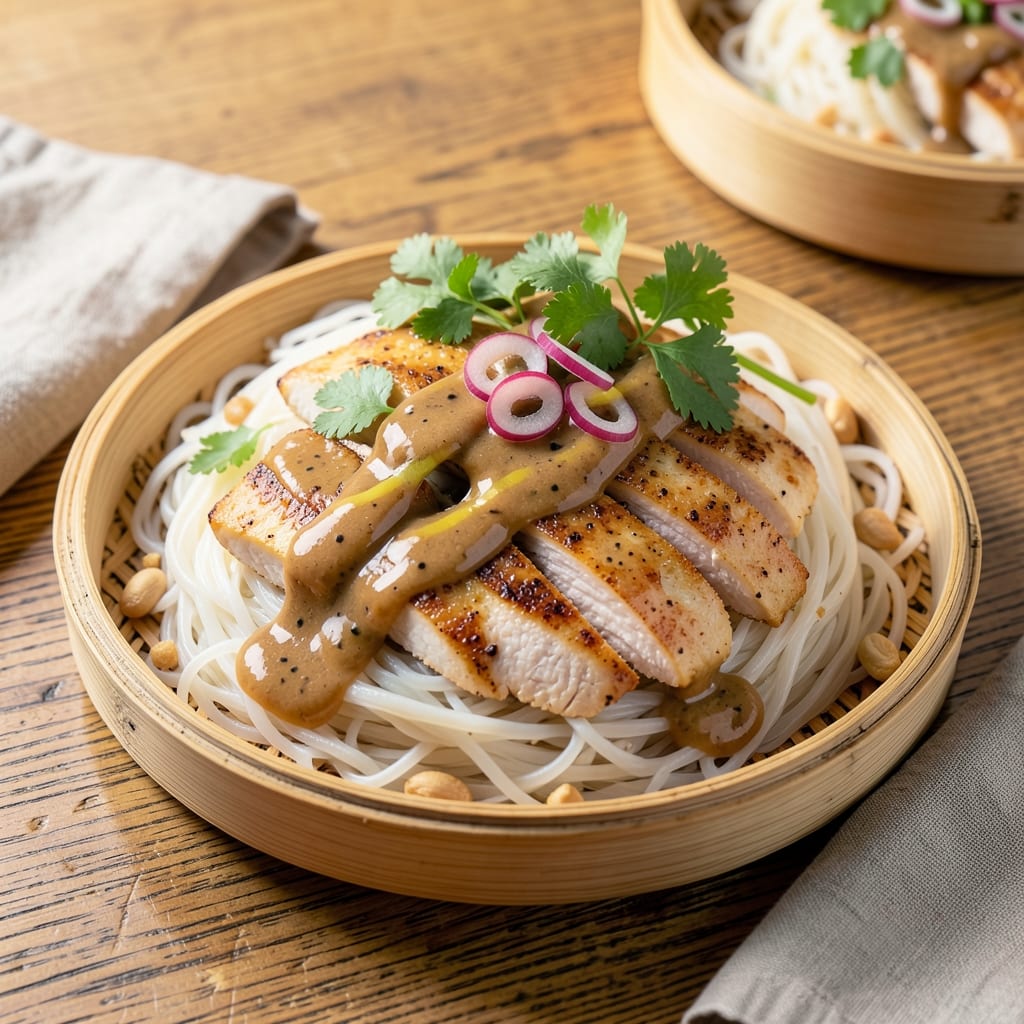
This a taste of Thai vermicelli rice noodles recipe brings the vibrant flavors of street markets to your dinner table with just 30 minutes of active prep. The key lies in balancing sweet, sour, and nutty elements—creamy peanut dressing meets bright lime, while wok-seared chicken and crisp vegetables add texture. I developed this after perfecting the harmony between chewy rice noodles and aromatic herbs that define authentic Thai cuisine.
The foundation is a fragrant lime-peanut dressing that transforms simple ingredients into something extraordinary. While the noodles soak up the sauce, fresh Thai basil and cilantro add layers of herbal brightness that cut through the richness. This dish isn't just about taste—it's about texture: tender chicken, crisp carrots, and chewy noodles all working together in perfect harmony.
What makes this recipe special is its adaptability—swap chicken for tofu or shrimp to suit any preference. The sauce can be made ahead, and the noodles cook in minutes, making this an ideal weeknight dinner that still feels restaurant-quality. Every bite delivers that perfect balance of flavors and textures that Thai street food is famous for.
Serve with extra lime wedges and crushed peanuts for garnish, then watch as your dinner guests ask for seconds. The combination of smoky garlic, tangy lime, and creamy peanut sauce creates a dish that's both comforting and exciting—exactly what makes this Thai vermicelli recipe a crowd-pleaser.
Ingredients for a taste of thai vermicelli rice noodles
Simple ingredients that pack a punch of Thai street food flavor in every bite.
| Ingredient | Amount | Notes |
|---|---|---|
| Vermicelli Rice Noodles 🍜 | 8 oz | Dried, soaked in hot water |
| Chicken Breast 🍗 | 1 lb | Boneless, skinless, thinly sliced |
| Peanut Butter 🥜 | ½ cup | Creamy, unsweetened |
| Lime Juice 🍋 | ⅓ cup | Freshly squeezed |
| Fish Sauce 🍶 | 2 tbsp | Red Boat brand preferred |
| Soy Sauce 🥢 | 2 tbsp | Light or regular |
| Brown Sugar 🍚 | 2 tbsp | Packed |
| Garlic Cloves 🧄 | 4 cloves | Minced |
| Red Onion 🧅 | 1 whole | Thinly sliced |
| Carrot 🥕 | 1 whole | Julienned |
| Fresh Cilantro 🌿 | ¼ cup | Chopped, stems removed |
| Fresh Thai Basil 🌿 | ¼ cup | Chopped, or regular basil |
| Vegetable Oil 🫒 | 2 tbsp | For stir-frying |
| Salt 🧂 | ½ tsp | To taste |
| Black Pepper 🌶️ | ¼ tsp | Freshly ground |
The noodles are the star—vermicelli rice noodles soak up the dressing perfectly without getting mushy. Grab the dried kind from the Asian aisle (not the pre-cooked kind in pouches). For the protein, chicken breast works great, but shrimp or tofu are equally delicious. The peanut butter should be creamy and unsweetened—Jif or Skippy are solid choices. Fresh lime juice is a must; bottled won't cut it. Look for Red Boat fish sauce if you can find it—it's the gold standard for authentic flavor.
No Red Boat fish sauce? Any reputable brand works, but skip the cheap stuff. Swap the chicken for firm tofu pressed for 15 minutes or shrimp if you prefer. The Thai basil is non-negotiable—it's got that anise-like flavor that's totally different from regular basil. Asian markets usually have it fresh, but if you can't find it, regular basil works in a pinch. For the carrot, julienne it yourself—pre-shredded gets soggy. Brown sugar adds just enough sweetness to balance the tangy lime and salty fish sauce.
The dressing keeps for 5 days in the fridge in an airtight jar, but the noodles are best eaten fresh. Store the dressing separately and toss with cooked noodles when ready. If you're prepping ahead, cook the noodles just before serving—they lose their chewy texture if left sitting. Garnish with extra herbs and lime wedges—trust me, it makes all the difference. Leftovers? Reheat gently with a splash of water to revive the noodles.
Why You'll Love This Recipe
- No-Fuss Assembly: I swear by this recipe because it’s the kind of dish where you can actually multitask. Slice the chicken, soak the noodles—done. No fancy techniques, no waiting hours for marinades. The peanut butter and fish sauce do all the heavy lifting while you stir.
- Umami-Packed Magic: That first bite? The peanut butter’s richness meets the bright lime, and the fish sauce ties it all together like a secret handshake. It’s not just Thai-inspired—it’s actually Thai in flavor, but with the cozy, familiar crunch of peanut that makes it feel like home.
- Lunch or Dinner: Honestly, this is my secret weapon for busy days. Pack it cold for a no-lunchbox lunch or reheat it for a quick dinner. It’s the same dish, but it works just as well at noon as it does at 7 PM—no judgment if you eat it straight from the pot.
- Budget Meal Stretch: Between us, this recipe is ridiculously affordable. Chicken breast is cheap, peanut butter lasts forever, and a little fish sauce goes a long way. I’ve made it feed four for under $10—leftovers? Even better. They taste just as good the next day, so you’re basically getting two meals for the price of one.
Step-by-step instructions for Thai vermicelli rice noodles
Here's how to create a balanced, aromatic dish with tender noodles and a rich lime-peanut dressing.
Prepare the Noodles and Chicken
Bring a pot of water to a boil and add the 8 oz vermicelli rice noodles. Cook for 5-7 minutes until the noodles are soft but still slightly firm to the bite. Drain immediately and rinse under cold water to stop the cooking process. This prevents them from becoming mushy.
While the noodles cook, slice the 1 lb chicken breast into thin strips about ¼-inch thick. Season both sides with 0.5 tsp salt and 0.25 tsp black pepper. Set aside on a plate. The chicken should be ready to cook immediately after the noodles are prepared to maintain freshness.
Stir-Fry the Vegetables and Chicken
Heat 2 tbsp vegetable oil in a large skillet over medium-high heat until shimmering. Add the thinly sliced red onion and julienned carrot, cooking for 3-4 minutes until the onions soften and the carrots begin to caramelize. You'll notice the vegetables release their natural juices, which will create a fragrant base for the dish.
Push the vegetables to one side of the pan and add the seasoned chicken strips. Cook for 4-5 minutes until the chicken is no longer pink in the center and has developed a light golden color. The chicken should be fully cooked but still tender. Remove the chicken and vegetables from the pan and set aside on a plate.
Create the Lime-Peanut Dressing
In a small bowl, combine the 0.5 cup peanut butter, 0.33 cup lime juice, 2 tbsp fish sauce, 2 tbsp soy sauce, 2 tbsp brown sugar, and 4 cloves minced garlic. Whisk vigorously until the mixture is smooth and fully incorporated. The peanut butter will thicken the dressing while the lime juice and fish sauce add tangy depth.
Gradually whisk in 2-3 tablespoons of hot water from the noodles' cooking water to thin the dressing to your desired consistency. It should coat the back of a spoon but still be pourable. Taste and adjust seasoning if needed—add more lime juice for acidity or brown sugar for sweetness.
Assemble the Dish
Return the cooked chicken and vegetables to the skillet and pour the lime-peanut dressing over them. Toss everything together over medium heat for 1-2 minutes until the dressing coats the chicken and vegetables evenly. The combination of peanut butter and lime creates a fragrant aroma that signals the dish is ready.
Divide the vermicelli rice noodles among four serving plates. Top each portion with the chicken and vegetable mixture. Garnish with 0.25 cup chopped fresh cilantro and 0.25 cup chopped fresh Thai basil for freshness and color. Serve immediately while the noodles are still warm and the dressing is vibrant.
Pro Tips For Making A Taste Of Thai Vermicelli Rice Noodles
- SOAK NOODLES SEPARATELY: The bag says "cook like pasta," but don’t—it’s a lie. Split the noodles into two batches and soak them in warm water for 8-10 minutes. Crowd the pot and they’ll stick like glue; give them room to breathe.
- SLICE CHICKEN THIN: I used to cut chicken breast in thick strips and wonder why it stayed chewy. For this dish, slice it paper-thin (⅛-inch max) against the grain. The heat will render it fast—just don’t overcook or it’ll turn to shoe leather.
- SALT THE PEANUT SAUCE: Skip the fish sauce first, then taste. The peanut butter needs salt to balance the lime and fish sauce later. Add ¼ teaspoon salt to the peanut butter mixture upfront—trust me, you’ll notice the difference.
- USE LIME ZEST: Juice is great, but scrape the zest of 1 lime into the peanut sauce. It’s the missing bright note that makes the dish pop. (Yes, even if you’re skeptical—it works.)
Troubleshooting your a taste of thai vermicelli rice noodles
Noodles Too Soft?
Overcooked noodles are the #1 complaint with this dish. I’ve ruined more batches than I’ll admit by letting them sit too long in hot water. Cook them for exactly 5-7 minutes—no longer! Drain immediately and rinse under cold water for 30 seconds to stop the cooking process. This keeps them chewy and perfect for soaking up the dressing. 🍜
Dressing Too Thick?
The peanut butter can make the dressing stubbornly thick, but don’t panic. Thin it with 2-3 tablespoons of hot noodle water (not cold!) while whisking. If it’s still too thick, add 1 more tablespoon at a time until it reaches a pourable consistency. The dressing should coat the back of a spoon but still flow smoothly when tossed with noodles.
Chicken Overcooked?
Thinly sliced chicken cooks fast—4-5 minutes max over medium-high heat. If you see it browning too quickly, reduce the heat to medium and cover the pan with a lid to trap steam. The goal is juicy, tender strips, not dry, rubbery ones. I’ve learned the hard way: Don’t walk away from the pan! 🍗
Missing Thai Basil?
Thai basil is a game-changer, but regular basil works in a pinch. For extra depth, add 1 tsp of fish sauce to the dressing or a pinch of ground white pepper (it mimics the anise-like flavor). If you’re feeling adventurous, swap in cilantro stems—they’re packed with flavor and often overlooked. Trust me, your dish will still taste amazing. 🌿
Dressing Too Salty?
Fish sauce and soy sauce can make the dressing overpowering if you’re not careful. Taste as you go! If it’s too salty, balance it with more lime juice (the acidity cuts through the salt) or a touch of brown sugar to sweeten. A splash of cold water also helps dilute without thinning too much. Adjust gradually—you can always add more, but you can’t take it out!
Noodles Sticking Together?
Rinsing the noodles under cold water after cooking is key, but if they’re still clumping, toss them with ½ tsp vegetable oil while they’re still hot. This creates a light barrier so they don’t stick. For extra insurance, undercook them slightly (5 minutes instead of 7) and let them finish cooking in the dressing. They’ll soften perfectly while absorbing all those amazing flavors. ✨
Nutrition facts
Frequently asked questions
Can I use dried or fresh vermicelli rice noodles?
This recipe is designed for dried vermicelli rice noodles—they soak up the dressing perfectly. Fresh noodles (like rice stick noodles) cook too quickly and become mushy. If you must use fresh, cook them for 1-2 minutes max in boiling water, then rinse immediately with cold water. They'll be much softer than dried, so adjust your serving size accordingly.
How do I make this vegetarian?
Swap the chicken for extra-firm tofu pressed for 15 minutes or 12 oz mushrooms (like shiitake or oyster) sliced thin. For protein, add ½ cup cooked chickpeas or ½ cup firm tofu cubes. Boost umami with 1 extra tbsp fish sauce or ½ tsp soy sauce in the dressing. The dish will still be packed with flavor!
Can I make the dressing ahead of time?
Yes! Store the dressing in an airtight container in the fridge for up to 5 days. The peanut butter may separate slightly—just whisk vigorously before using. For best texture, cook the noodles fresh and toss with the dressing right before serving. The noodles absorb flavors better when hot. Pro tip: Keep the lime juice separate until ready to serve to prevent curdling.
What's the secret to balancing the flavors?
The magic is in the three-way balance: sweet (brown sugar), salty (fish/soy sauce), and sour (lime juice). Taste as you go! Start with equal parts of each ingredient, then adjust: need more tang? Add lime. Too salty? Sweeten with sugar. The dressing should make your mouth pucker, then smile. Think of it like Thai cuisine's flavor symphony—every note matters!
How do I serve this dish traditionally?
In Thailand, this would be served as a street food-style bowl with everything piled high on a banana leaf or wide plate. Garnish with extra herbs, lime wedges, and crushed peanuts for crunch. Serve with sliced cucumber or pickled vegetables on the side to cut through the richness. For authenticity, eat it immediately with chopsticks or a fork—no waiting!