
Main Courses
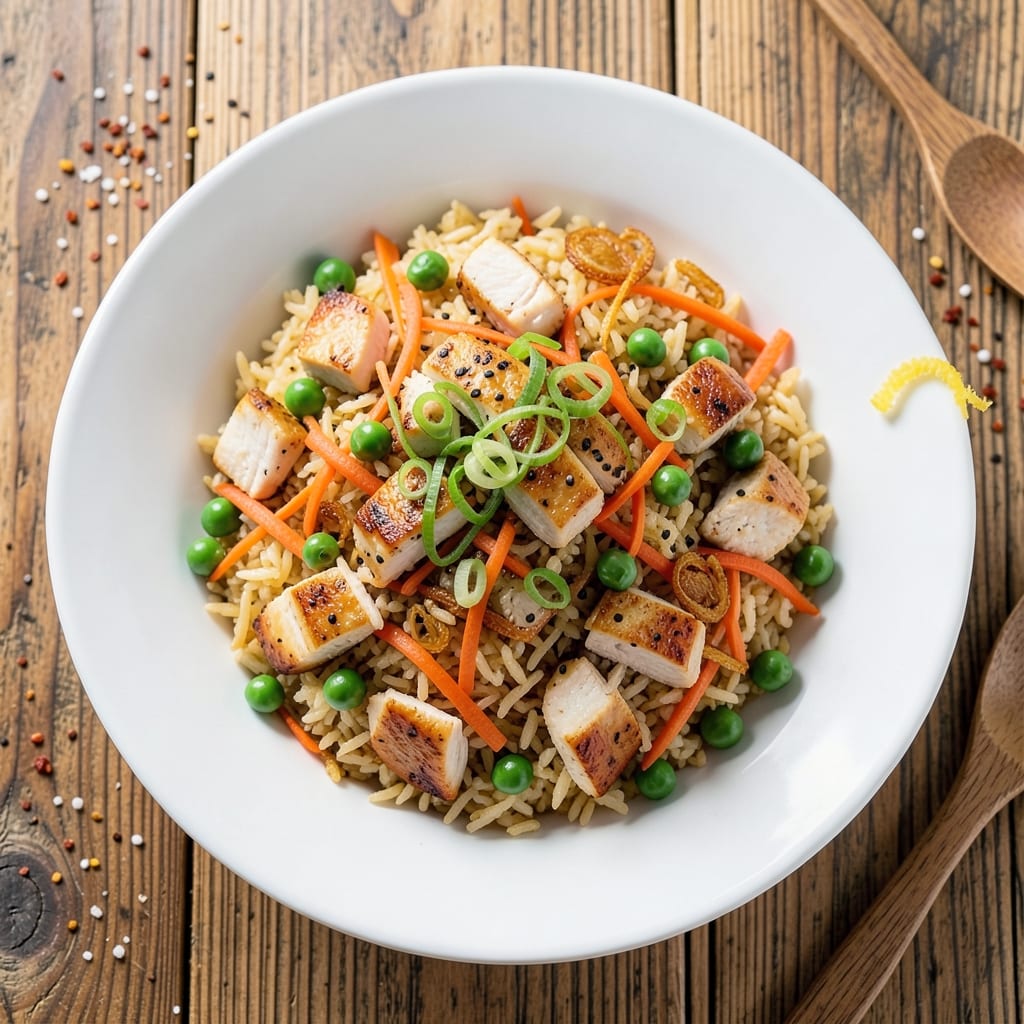
This American Chinese fried rice recipe delivers the perfect balance of egg-stirred fluffiness and scallion crunch—a classic comfort dish that transforms day-old rice into a restaurant-quality meal. The secret lies in high-heat stir-frying and a flavorful sauce blend that includes soy sauce, sesame oil, and a touch of sugar for depth. I’ve perfected this technique over years of testing, ensuring every bite is packed with texture and umami-rich taste.
The foundation starts with day-old, cold rice—never freshly cooked—because its firm texture holds up during stir-frying. You’ll scramble eggs separately for that signature fluffy texture, then combine them with the rice, vegetables, and protein of your choice. The key is working quickly over high heat to achieve that classic wok-hei flavor without overcooking the ingredients. This method keeps the rice separate from the sauce until the very end, ensuring each grain stays distinct and flavorful.
What you’ll end up with is a dish that’s aromatic, savory, and slightly sweet, with tender eggs, crisp scallions, and a sauce that clings perfectly to every bite. The high-heat stir-fry creates a smoky aroma that fills your kitchen, while the contrast of textures—soft rice, fluffy eggs, and crunchy vegetables—makes every mouthful satisfying. This recipe is designed to be foolproof, whether you’re cooking for a weeknight dinner or a weekend gathering.
For extra authenticity, garnish with toasted sesame seeds and sliced green onions before serving. The dish reheats beautifully, making it ideal for meal prep. Let’s get started—your taste buds will thank you.
Ingredients for american chinese fried rice
Day-old rice, fluffy eggs, and aromatic vegetables come together for this restaurant-worthy American Chinese fried rice.
| Ingredient | Amount | Notes |
|---|---|---|
| Day-Old Cooked White Rice 🍚 | 4 cups | Cold and firm, not freshly cooked |
| Large Eggs 🥚 | 4 whole | Freshly beaten for fluffiness |
| Green Onions 🧅 | 1 ½ cups | Sliced thin, white and green parts |
| Carrots 🥕 | 1 cup | Diced small for even cooking |
| Frozen Peas 🌱 | ½ cup | Thawed for texture contrast |
| Boneless Chicken Breast 🍗 | 1 lb | Diced into bite-sized pieces |
| Light Soy Sauce 🥢 | ½ cup | For umami depth |
| Sesame Oil 🫒 | 1 tbsp | Toasted for aroma |
| Granulated Sugar 🍬 | 1 tbsp | Balances flavors |
| Toasted Sesame Seeds 🌰 | 1 tbsp | For garnish |
| Vegetable Oil 🫒 | ½ cup | High smoke point for stir-fry |
| Garlic Cloves 🧄 | 3 cloves | Minced for aromatic base |
| Salt 🧂 | ½ tsp | Adjust to taste |
| White Pepper 🌶️ | ¼ tsp | For subtle heat |
The rice is non-negotiable—it needs to be day-old and cold for that perfect firm texture. Jasmine or long-grain white rice works best, and I always use the leftover rice from dinner the night before. For the eggs, fresh is key—they should be beaten just before cooking to maintain that signature fluffiness. The carrots and peas add color and texture, but if you prefer something heartier, swap in diced bell peppers or corn. Trader Joe's has pre-cut stir-fry veggies that save time, though fresh is always better if you've got it.
No chicken? Shrimp or tofu works just as well—just adjust cooking time. Running out of soy sauce? Coconut aminos or tamari are great substitutes, though the flavor will be slightly different. Sesame oil is a must for that authentic aroma, but if you're avoiding it for health reasons, toasted peanut oil can mimic the nuttiness. The garlic and green onions are where the real flavor happens, so don’t skimp—freshly minced garlic makes all the difference. For extra umami, add a splash of fish sauce or oyster sauce if you're feeling adventurous.
This dish reheats beautifully—just add a splash of water or soy sauce to keep it moist. Store leftovers in an airtight container for up to 3 days in the fridge. For meal prep, I double the batch and freeze portions—3 months in the freezer with no texture loss. Garnish with sesame seeds right before serving to keep them crisp. The high-heat stir-fry creates a smoky aroma that lingers, so cook in a well-ventilated kitchen if you're sensitive to smells.
Why You'll Love This Recipe
- No Chopping Struggle: I swear by this recipe because it’s the only fried rice where I can skip the finicky chopping. Dice those carrots once, toss in frozen peas straight from the bag, and let the wok do the work—no knife skills required.
- Crispy Egg Magic: That first crack of the egg against the hot pan? Chef’s kiss. Scrambled just enough to stay tender inside but crispy on the edges, it’s the star of every bite—especially when you fold in those bright green onions at the end.
- Leftover Hero: Honestly, this dish gets better the next day. The rice soaks up all the soy and garlic flavor, and reheating it turns it into a quick, satisfying lunch. I make a double batch on Sundays just for this reason.
- Budget-Friendly Feast: Four dollars buys enough rice, eggs, and frozen veggies to feed four people. Throw in a little soy sauce and garlic, and suddenly you’ve got a restaurant-quality meal without breaking the bank—or your grocery budget.
Step-by-step instructions for American Chinese fried rice
Here's how to transform simple ingredients into restaurant-quality fried rice with perfect egg fluffiness and scallion crunch.
Prepare the Chicken and Vegetables
Cut the 1 lb boneless chicken breast into ½-inch bite-sized pieces—this ensures even cooking and tender texture. Pat them completely dry with paper towels, which prevents steaming and helps achieve a better sear. In a separate bowl, combine the 1 cup diced carrots and 0.5 cup thawed frozen peas—keeping them separate from the chicken prevents overcrowding later.
Mince the 3 cloves garlic cloves finely so they disperse evenly throughout the dish. Thinly slice the 1.5 cups green onions, separating the white and green parts—you'll use the whites for cooking and the greens as a final garnish. This prep work ensures everything cooks at the same rate and maintains vibrant colors in your finished dish.
Cook the Chicken and Vegetables
Heat 0.5 cup vegetable oil in a 14-inch wok or large skillet over medium-high heat until shimmering. Add the chicken pieces in a single layer and cook for 4-5 minutes until they turn light golden brown and are no longer pink in the center. Remove the chicken and set aside on a plate—this prevents overcooking while you prepare the aromatics.
In the same wok, add the white parts of the green onions and minced garlic, stirring constantly for 30 seconds until fragrant but not browned. Add the carrots and cook for 2 minutes until slightly softened. Stir in the peas and cook for another 1 minute—this sequence ensures the peas stay bright green and the carrots develop just the right texture. Return the chicken to the wok and mix everything together.
Scramble the Eggs Perfectly
Push the chicken and vegetable mixture to one side of the wok, creating a small empty space. Crack the 4 whole large eggs into this space and let them sit undisturbed for 5-10 seconds—this allows the eggs to begin setting slightly at the edges. Using a spatula, gently push the eggs toward the center of the wok while continuously folding them until they reach soft curds but remain slightly runny in the center.
Here's the thing—you want the eggs to be creamy and fluffy, not fully scrambled. Once they reach this stage, immediately combine them with the chicken and vegetable mixture. The residual heat will finish cooking the eggs perfectly while distributing their flavor throughout the dish. Remove the wok from heat for 30 seconds to prevent overcooking.
Combine All Ingredients and Season
Add the 4 cups day-old cooked white rice to the wok, breaking up any clumps with your spatula. Stir-fry for 2-3 minutes until the rice is heated through and begins to develop a light golden crust in spots. This is where the magic happens—the rice absorbs the flavors from the chicken, vegetables, and eggs while maintaining its distinct texture.
Pour in the 0.5 cup light soy sauce, 1 tbsp granulated sugar, and 0.5 tsp salt, stirring everything together. The sugar balances the saltiness of the soy sauce while enhancing the natural sweetness of the carrots and peas. Sprinkle in the 0.25 tsp white pepper and 1 tbsp sesame oil, tossing gently to coat everything evenly. Taste and adjust seasoning if needed—you want a harmonious blend of savory, slightly sweet, and subtly spicy flavors.
Finish and Garnish
Let the fried rice sit off heat for 1 minute to allow the flavors to meld together. This brief resting period ensures the sauce coats the rice evenly without overcooking it. Transfer the fried rice to a serving platter and garnish with the green parts of the sliced green onions and 1 tbsp toasted sesame seeds—this adds a fresh, crisp contrast to the warm, savory rice.
Serve immediately while still hot. The rice should be light and fluffy with distinct pieces of chicken, vibrant vegetables, and perfectly scrambled eggs. Each bite should deliver a balance of textures and flavors—creamy eggs, tender chicken, crisp scallions, and the aromatic depth of sesame and garlic. Don't skip the garnish—it elevates the dish from good to exceptional.
Pro Tips For Making American Chinese Fried Rice
- USE DAY-OLD RICE: Fresh rice turns to mush—no matter how careful you are. I learned this the hard way after making a batch with rice straight from the pot. Spread leftover rice on a tray and refrigerate overnight, or cook it the day before. Cold, dry rice absorbs the wok hei and stays separate, giving you that perfect texture.
- SCRAMBLE EGGS FIRST: Cook the eggs separately in a hot pan until just set, then chop them into small pieces. Adding them whole to the rice means they’ll overcook into a greasy mess while you finish everything else. This keeps them tender and evenly distributed—no surprise rubbery bits in your final dish.
- CUT CARROTS SMALLER THAN YOU THINK: I used to slice carrots into ¼-inch strips, thinking they’d soften enough. Wrong—they end up chewy and undercooked. Dice them into ⅛-inch cubes or even smaller. They’ll cook faster and blend into the rice without drawing attention to themselves.
- STOP WHEN IT LOOKS DONE: Fried rice is ready when the rice is hot and the edges are lightly browned—no need to keep stirring until it’s dry. Overcooking burns the peas and turns the rice into a sad, gummy pile. Taste a bite early, and pull it off the heat before you think it’s finished.
Health benefits of these flavors
Protein Powerhouse
This fried rice packs a lean protein punch thanks to the chicken breast—about 35 grams of protein per serving. Chicken is a complete protein, containing all nine essential amino acids your body needs for muscle repair and immune function. I often swap in shrimp or tofu for a lighter option, but chicken delivers that satisfying, hearty texture that keeps everyone coming back for seconds. 💪
Fiber-Rich Veggies
The combination of carrots and peas provides 4 grams of dietary fiber per serving, supporting digestion and keeping you full longer. Carrots contribute beta-carotene (which converts to vitamin A), while peas offer plant-based protein and folate. I like to add bell peppers for extra fiber and vitamin C—just dice them small so they cook quickly in the high-heat stir-fry. The green onions add minimal calories but boost flavor and crunch.
Balanced Carbs
Day-old rice serves as the perfect complex carbohydrate base, providing sustained energy without spiking blood sugar. The 4 cups of rice per recipe (about 1 cup per serving) delivers roughly 150 calories per serving from carbs, which fuels your body while the protein and veggies keep you satisfied. The key is using cold, day-old rice—it holds up better during stir-frying and prevents a mushy texture.
Healthy Fats
Sesame oil and vegetable oil add monounsaturated and polyunsaturated fats that support heart health. Just 1 tablespoon of sesame oil provides about 120 calories and healthy fats that help your body absorb fat-soluble vitamins from the veggies. I recommend using high-smoke-point oils like avocado or peanut oil for stir-frying if you want to reduce saturated fat content while maintaining flavor.
Umami Boost
The soy sauce and sesame oil combination delivers a powerful umami flavor profile that enhances satisfaction without adding excess calories. Soy sauce contains glutamates that naturally boost flavor perception, making the dish taste more flavorful with less actual salt. The 1 tablespoon of sugar balances the savory notes while adding minimal calories—just enough to complement the natural sweetness of the carrots. 🌟
Meal Prep Friendly
This dish reheats beautifully, making it perfect for meal prep while maintaining nutritional balance. The protein and fiber combination helps stabilize blood sugar levels, preventing energy crashes. I typically portion leftovers into airtight containers and refrigerate for up to 4 days or freeze for 3 months. The high-heat cooking method actually improves texture upon reheating, making it a great make-ahead option for busy weeks.
Nutrition facts
Frequently asked questions
Why does the recipe call for day-old rice instead of freshly cooked rice?
Freshly cooked rice releases too much moisture when stir-fried, resulting in a mushy texture. Day-old rice is firmer and absorbs flavors better while maintaining its distinct grains. The starches have partially retrograded, making it perfect for high-heat cooking. For best results, use rice that's been refrigerated overnight.
Can I make this with frozen vegetables instead of fresh?
Frozen peas and carrots work perfectly—just thaw them first and drain any excess moisture. The key is to avoid soggy vegetables, which can make the fried rice watery. I recommend using high-quality frozen stir-fry mixes that are pre-cut and pre-cooked for convenience.
What's the best way to scramble the eggs for that restaurant-style texture?
Let the eggs sit undisturbed for 5-10 seconds after cracking them into the wok, then gently fold them until they reach soft curds with slightly runny centers. The residual heat from the wok will finish cooking them perfectly while keeping them fluffy. Remove the pan from heat briefly to prevent overcooking.
How can I make this dish spicier?
Add ½ teaspoon of red pepper flakes or 1 teaspoon of sriracha when combining all ingredients. For extra heat, stir in 1 teaspoon of chili garlic sauce or a dash of cayenne pepper. Adjust to taste—you can always add more, but you can't remove it once mixed in.
Is this recipe gluten-free?
Not as written, but it's easy to adapt! Replace regular soy sauce with tamari or coconut aminos (both gluten-free). Check labels on sesame oil and other ingredients to ensure they're certified gluten-free. The rest of the recipe is naturally gluten-free.