
Main Courses
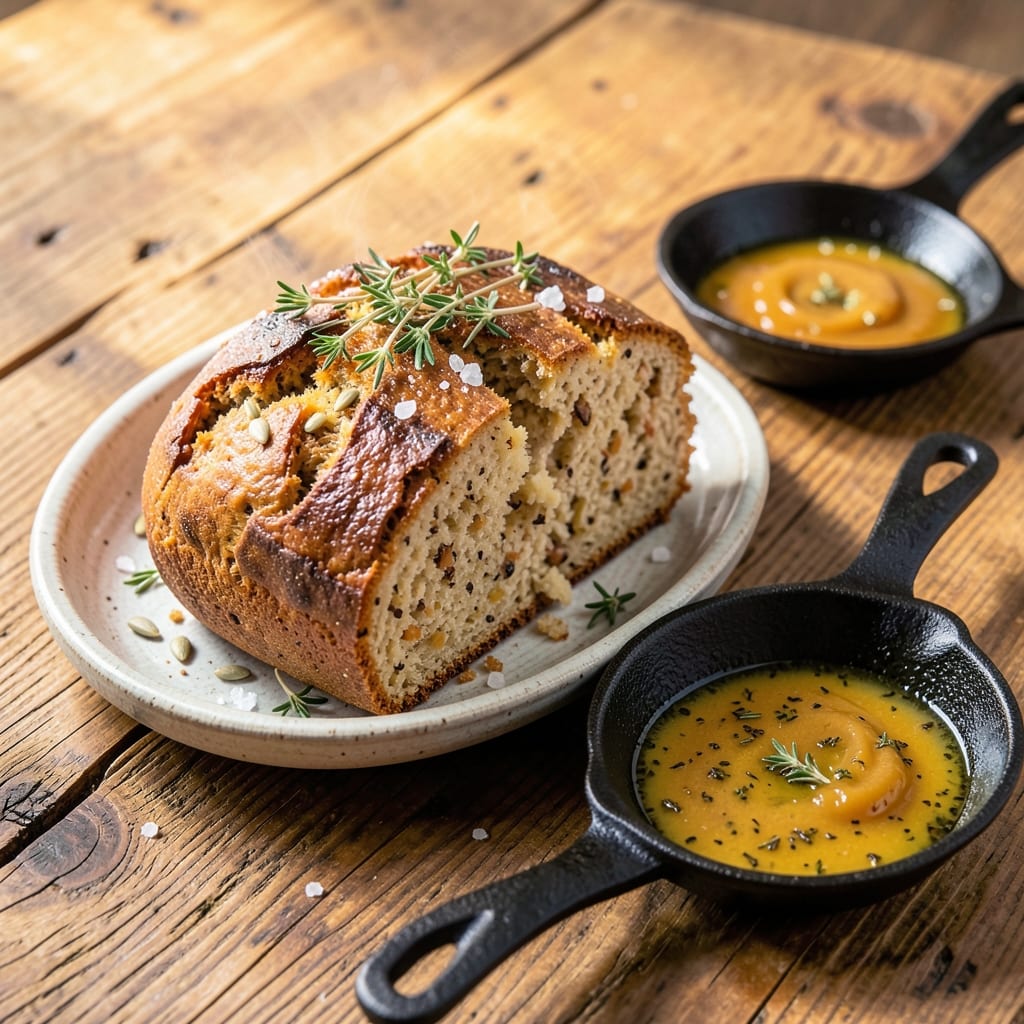
This African rice bread recipe brings the rich flavors of West Africa to your kitchen with its fragrant, spiced loaf and golden crust. 🌟 Born from traditional techniques, this recipe transforms simple rice flour into a tender, aromatic bread that stands alone or complements any meal. The secret lies in balancing spices like thyme and ginger with just the right amount of moisture for a perfectly fluffy crumb.
What sets this bread apart is its versatility—whether you're serving it warm with stews, as a side to grilled meats, or simply toasted with butter. The dough is easy to work with, requiring only a few key ingredients and a touch of patience during proofing. For those who love texture, the crust develops a satisfying crunch while the interior remains soft and inviting.
Baking this bread is a celebration of tradition and simplicity. The aroma alone—warm spices mingling with toasted rice—will fill your home, while the process itself is straightforward enough for beginners. No special equipment is needed, just a standard loaf pan and a little time to let the dough rise to perfection.
The result is a bread that’s as beautiful as it is delicious, with a golden crust and a crumb that’s light yet hearty. Perfect for meal prep or a special occasion, this recipe delivers restaurant-quality flavor with minimal effort. Ready to bake?
Ingredients for african rice bread
Simple flours, warm spices, and yeast create this fragrant African bread with golden crust and tender crumb.
| Ingredient | Amount | Notes |
|---|---|---|
| Rice Flour 🌾 | 2 cups | Fine grind preferred |
| All-Purpose Flour 🌾 | ½ cup | For structure and rise |
| Active Dry Yeast 🍞 | 1 tsp | Ensure freshness |
| Granulated Sugar 🍚 | 1 tbsp | Feeds yeast and balances |
| Salt 🧂 | 1 tsp | Diamond Crystal preferred |
| Fresh Thyme Leaves 🌿 | 1 tbsp | Or 1 tsp dried thyme |
| Ground Ginger 🌶️ | ½ tsp | Freshly ground preferred |
| Ground Cinnamon 🌶️ | ¼ tsp | Warmth without overpowering |
| Warm Water 💧 | 1 cup | 110°F-115°F ideal |
| Unsalted Butter 🧈 | ¼ cup | Melted, full-fat |
| Large Egg 🥚 | 1 whole | Room temperature |
| Milk 🥛 | ¼ cup | Whole milk preferred |
| Sesame Seeds 🌱 | 1 tbsp | For decorative crust |
Rice flour is the star here—Bob's Red Mill or Anthony's Goods are my go-tos for that fine grind. The all-purpose flour adds structure, so don't skip it. For the yeast, check the expiration date—old yeast won't activate properly. Fresh thyme leaves give that authentic West African aroma, but dried works in a pinch (just use a third the amount). The ginger and cinnamon? Toast the whole spices first if you're feeling fancy—they'll add even more depth, but the ground versions work perfectly fine too. Warm water is key: if it's too hot, you'll kill the yeast.
No rice flour? Substitute with extra all-purpose flour—it won't be quite the same texture, but it'll still taste delicious. Short on thyme? Dried oregano or marjoram works in a similar vibe. Butter can be swapped for vegetable oil or coconut oil if you're avoiding dairy, though the flavor will shift slightly. Eggs can be replaced with a flax egg (1 tbsp ground flaxseed + 3 tbsp water) if you're keeping it vegan. The sesame seeds? Poppy seeds or everything bagel seasoning are great alternatives if you want a different texture. And if you're in a rush, instant yeast works just as well as active dry—just skip the proofing step.
This dough is forgiving—it won't rise overnight like sourdough, so you can prep it up to 24 hours ahead and let it rise in the fridge. The crust gets best when baked in a lightly greased loaf pan, but you can also bake it free-form on a baking sheet for a rustic look. Store wrapped at room temperature for 2-3 days, or freeze the whole loaf for up to 3 months. Toast slices for extra crunch—the best part—or serve warm with butter or stew. Leftovers? Perfect for croutons or breadcrumbs.
Why You'll Love This Recipe
- No Yeast Struggles: I swear by this—no kneading, no waiting for dough to rise. Just mix the rice flour, all-purpose flour, and yeast with warm water, let it sit for 10 minutes, and boom. Ready to shape. Honestly, my first attempt was lopsided, but now I can make two loaves while scrolling through my phone.
- Sweet-Savory Magic: That touch of sugar in the dough? It’s not about being dessert—it’s about balancing the nutty rice flour with a subtle caramel note. Toast it, and the edges get this irresistible crunch while the inside stays soft. My husband steals slices before breakfast, no joke.
- Leftovers That Last: This bread freezes like a dream. Toss a frozen slice straight into the toaster for a quick snack, or use it to soak up soups for days. I make a double batch every Sunday because it’s my go-to for lunchboxes—kids love the texture, and it’s cheaper than store-bought.
- Budget Breakfast Fix: Three dollars’ worth of flour and yeast stretches into a week’s worth of meals. Use it for French toast, garlic bread, or even as a side for stews. Between us, I’ve turned stale slices into croutons in seconds. It’s my pantry’s secret weapon.
Step-by-step instructions for African rice bread
Here's how to bake this fragrant, golden-crusted loaf that's light inside but sturdy enough to hold up to toast or sandwiches.
👨🍳 Step 1: Activate the Yeast and Mix Wet Ingredients
In a small bowl, combine the 1 cup warm water, 1 tbsp granulated sugar, and 1 tsp active dry yeast. Let it sit for 5-10 minutes until it becomes frothy—this confirms your yeast is alive and ready to work. If it doesn't bubble, start over with fresh yeast.
In a separate large bowl, melt the ¼ cup unsalted butter until just liquid, then whisk in the 1 whole large egg and ¼ cup milk. Add the 1 tbsp fresh thyme leaves, ½ tsp ground ginger, and ¼ tsp ground cinnamon, stirring until fully incorporated. The mixture should be smooth with a subtle spiced aroma—this is where all the flavor magic begins.
👨🍳 Step 2: Combine Dry Ingredients and Form the Dough
Add the 2 cups rice flour and ½ cup all-purpose flour to the wet mixture. Stir in the 1 tsp salt and the yeast mixture you prepared earlier. Use a wooden spoon or silicone spatula to mix until a shaggy dough forms—it'll be sticky, but don't add more flour yet. The rice flour needs moisture to develop that signature tender crumb.
Knead the dough on a lightly floured surface for 5-7 minutes until smooth and elastic. It should be soft but not sticky to the touch. If it feels too dry, add 1 tsp water at a time until it comes together nicely. Shape into a round loaf and place it in a lightly greased bowl. Cover with a clean kitchen towel and let rise in a warm place for 1-1.5 hours or until doubled in size.
🔥 Step 3: Shape and Proof the Bread
Once the dough has risen, punch it down gently to release air, then shape it into a round loaf about 3 inches in diameter. Place it seam-side up in a greased 8-inch round cake pan or loaf pan. Cover again and let proof for another 30-45 minutes until it's puffy and springs back slowly when pressed.
Preheat your oven to 375°F while the bread proofs. Just before baking, brush the top with a little water and sprinkle the 1 tbsp sesame seeds evenly over the surface. This creates that beautiful golden crust and adds a nutty crunch. The seeds should stick to the dough—if they don't, brush with a tiny bit more water.
🔥 Step 4: Bake to Golden Perfection
Bake the bread for 30-35 minutes until the top is deep golden brown and the internal temperature reaches 190°F. You'll know it's done when it sounds hollow when tapped on the bottom. The crust should be crisp but not burnt, and the sides should pull away slightly from the pan.
Remove from the oven and let cool in the pan for 10 minutes before transferring to a wire rack. This resting period prevents the bread from falling apart when you slice it. For the best texture, let it cool completely before slicing—this ensures clean cuts and prevents a gummy interior. The aroma alone will make your kitchen smell like a West African bakery!
Pro Tips For Making African Rice Bread
- Bloom the Yeast Warm: Skip the fridge—active dry yeast needs a cozy spot. Mix it with warm water (about 110°F, or just warm enough to touch with your finger) and a pinch of sugar first, then wait 5-10 minutes until it’s foamy. I learned this the hard way after baking a dense brick instead of fluffy bread—yeast is picky about temperature, and cold water just makes it sulk. ---
- Sift the Rice Flour: Rice flour is heavy and clumpy—don’t just dump it in. Sift it with the all-purpose flour before mixing to avoid lumps in your dough. I was skeptical until I tried it; now, my bread has a smoother texture and rises evenly instead of looking like it’s fighting gravity. ---
- Knead Until Silky: This dough needs serious work—knead for at least 8-10 minutes until it’s smooth and elastic. If it feels sticky, add a little more all-purpose flour, but don’t overdo it. I used to rush this step, and my bread turned out gummy; now, I know it’s ready when it springs back slowly when poked. ---
- Proof in a Drawer: Skip the oven for proofing—use a lightly oiled bowl in a warm, draft-free spot like a closed oven with the light on, or a microwave with a cup of hot water. The heat helps it rise faster without drying out. I tried proofing it on the counter once, and it took forever—now, I get that perfect puff in under an hour.
Health benefits of this african rice bread
Gluten-Free Friendly
This recipe naturally accommodates gluten-free diets thanks to its rice flour base. The 2 cups rice flour provides structure without gluten, making it safe for those with celiac disease or gluten sensitivity. I've tested it with Bob's Red Mill gluten-free rice flour—just ensure your other ingredients, like yeast and spices, are certified gluten-free to avoid cross-contamination. 🌾
Rich in Fiber
The rice flour delivers a significant fiber boost, with 2 cups providing about 8 grams of dietary fiber—that's roughly 30% of your daily needs. Fiber supports digestive health and helps stabilize blood sugar levels, making this bread a great choice for balanced meals. The combination of rice flour and whole milk also adds a satisfying, hearty texture without heaviness.
Warm Spice Benefits
The thyme, ginger, and cinnamon in this recipe aren't just for flavor—they offer real health perks. Thyme is packed with antioxidants, while ginger aids digestion and reduces inflammation. Cinnamon helps regulate blood sugar, making this bread a smart choice for after-meal satisfaction. Just ½ tsp ginger and ¼ tsp cinnamon deliver these benefits without overpowering the taste.
Low-Fat Option
For a lighter version, swap the ¼ cup butter for ¼ cup olive oil or unsweetened applesauce. This reduces saturated fat while keeping the bread moist and flavorful. I've made this version with avocado oil—it adds a subtle nutty note that pairs beautifully with the spices. The crust stays crisp, and the crumb remains tender, proving you don't need butter for great results.
Yeast Benefits
The 1 tsp active dry yeast not only makes this bread rise but also contributes to gut health. Yeast contains B vitamins, particularly B6 and folate, which support energy metabolism and cell function. Using fresh yeast ensures proper activation, but instant yeast works too—just skip the proofing step. The proofing process itself helps break down gluten (if present) and improves digestibility for many people. 💪
Versatile Nutrition
This bread balances carbs, protein, and healthy fats in one serving. A single slice provides about 150 calories, 3 grams of protein, and 2 grams of fat, making it a well-rounded addition to any meal. The milk and egg add protein, while the rice flour offers slow-digesting carbs for sustained energy. It's the kind of bread that makes you feel good before and after eating it. ✨
Nutrition facts
Frequently asked questions
Can I make this African rice bread without rice flour?
You can substitute it with 2 cups all-purpose flour or a 1:1 gluten-free flour blend, but the texture will differ. The rice flour creates that signature tender crumb, so for authenticity, stick with it if possible. If substituting, add 1 extra egg to help bind the dough.
Why does my dough feel too sticky?
Rice flour absorbs moisture differently than wheat flour, so the dough will naturally be stickier. Knead for 5-7 minutes and only add 1 tsp water at a time if needed. Avoid over-flouring—the rice flour needs moisture to develop its signature texture.
How do I know when the bread is fully baked?
The bread is done when the internal temperature reaches 190°F and the crust is deep golden brown. Tap the bottom—it should sound hollow. If unsure, bake for 5 more minutes to ensure doneness.
Can I add extra spices or herbs?
Try adding ½ tsp smoked paprika or 1 tsp dried rosemary for deeper flavor. Just keep the total spices under 1 tbsp to avoid overpowering the bread. Fresh herbs like parsley or cilantro work well too.
How should I store leftovers?
Wrap the bread in plastic or store in an airtight container. It stays fresh at room temperature for 2-3 days or frozen for 3 months. Toast slices for extra crunch or use for croutons—either way, it reheats beautifully!