
Main Courses
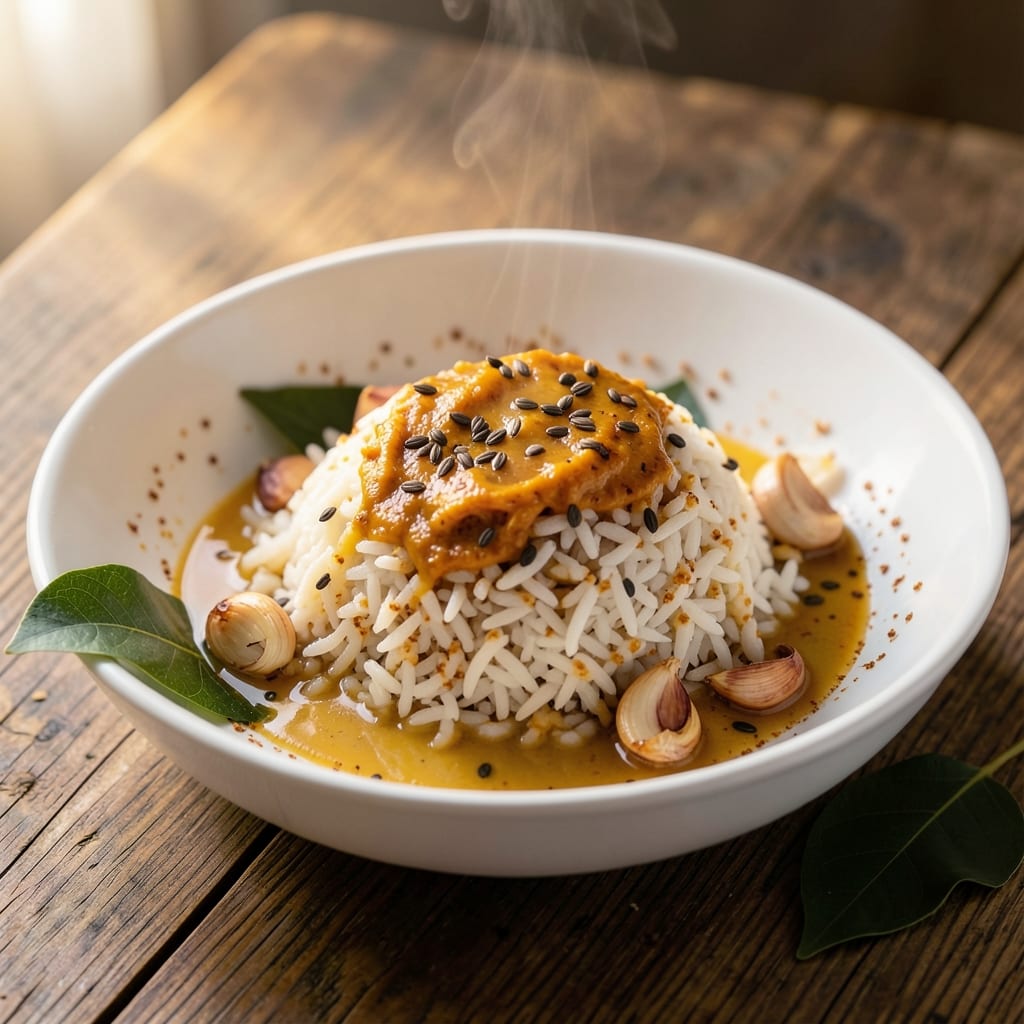
This annatto rice recipe transforms simple long-grain rice into vibrant, golden-yellow grains with deep earthy flavor—perfect for elevating any meal. The secret lies in properly toasting annatto seeds to release their natural pigment without bitterness, creating that signature hue while infusing subtle nutty notes. What sets this method apart is the balance of texture and color, where each grain remains distinct yet infused with aromatic depth.
The process begins with gently toasting the seeds until fragrant, then simmering them in broth to develop their full flavor before combining with rice. This approach ensures vibrant color without overpowering the rice's natural taste, making it versatile for both traditional and modern dishes. The result is a visually stunning side that pairs beautifully with grilled meats, beans, or tacos while standing strong on its own.
By the time you serve this annatto rice, you'll have achieved restaurant-quality results with minimal effort—a dish that's both impressive and foolproof. The grains stay separate yet flavorful, with a golden hue that adds warmth to any plate. This technique works equally well for everyday meals or special occasions, proving that simple ingredients can create extraordinary dishes.
For extra brightness, finish with fresh cilantro or a squeeze of lime, and consider adding cumin or garlic for deeper complexity. The possibilities are endless, but the foundation remains the same: perfectly toasted annatto and tender rice that delivers both visual appeal and rich flavor. Let's get cooking!
Ingredients for annatto rice
Golden annatto seeds and simple pantry staples create restaurant-quality rice with vibrant color and nutty depth.
| Ingredient | Amount | Notes |
|---|---|---|
| Long-Grain White Rice 🍚 | 1 ½ cups | Uncooked, rinsed thoroughly |
| Annatto Seeds 🌶️ | 1 tbsp | Whole, organic preferred |
| Chicken Broth 🥄 | 2 cups | Low-sodium, homemade or quality store-bought |
| Water 💧 | 1 ½ cups | Filtered preferred for best flavor |
| Bay Leaves 🌿 | 1 whole | Fresh or dried, removed before serving |
| Garlic Cloves 🧄 | 2 cloves | Minced, for depth of flavor |
| Cumin Seeds 🌿 | ½ tsp | Toasted lightly for aroma |
| Salt 🧂 | ¾ tsp | Kosher or sea salt |
| Fresh Cilantro 🌿 | ¼ cup | Chopped, for garnish |
| Lime Juice 🍋 | 1 tbsp | Freshly squeezed for brightness |
| Olive Oil 🫒 | 1 tbsp | Extra-virgin for finishing |
Annatto seeds are the heart of this dish—look for them in Latin markets or specialty stores like Whole Foods, where they're often sold in small bags. The seeds should be a deep orange-red, not dull or faded. Toast them gently in a dry pan until fragrant (about 2 minutes)—this releases their natural pigment and aroma without burning. Penzeys Spices carries high-quality seeds if you prefer to order online. Fresh bay leaves add subtle earthiness, but dried work in a pinch at half the quantity. For the broth, homemade is ideal, but quality low-sodium store-bought brands like Pacific Foods or Imagine work perfectly.
No annatto seeds? Turmeric powder at half the amount gives color but lacks the same depth of flavor. Substitute cumin seeds with ground cumin (use half the quantity). For extra brightness, add a pinch of smoked paprika. The rice can be cooked in broth alone, but adding water ensures proper texture. If you're short on time, pre-rinsed rice from the store works fine—just give it an extra rinse to remove excess starch. The lime juice should be freshly squeezed; bottled juice lacks the same zesty punch. For a deeper flavor profile, consider adding a pinch of black pepper or a dash of cayenne.
Toasted annatto seeds lose potency quickly, so store them in an airtight container in a cool, dark place for up to 6 months. Cooked rice keeps well in the fridge for 4-5 days if stored in an airtight container, but the color fades over time. For best results, reheat gently with a splash of water or broth. Freeze portions for up to 3 months—thaw overnight in the fridge before reheating. Garnish with fresh cilantro and a drizzle of olive oil just before serving to maintain that vibrant golden hue and fresh aroma.
Why You'll Love This Recipe
- Golden in Minutes: That deep yellow hue? Just toasted annatto seeds simmered in broth—no fancy dyes, no guesswork. I’ve got rice on the table while I’m still deciding what to eat for dinner.
- Broth Bomb Flavor: The chicken broth and bay leaves infuse the rice with warmth that lingers, like a hug from your abuela’s kitchen. Honestly, the first bite makes me forget I was planning to order takeout.
- Meal Prep MVP: Cook a big batch on Sunday, and you’ve got lunch sorted for the week—reheat with a splash of water, and it’s still tender. My kids grab it straight from the fridge, no complaints.
- Budget Bright Spot: Annatto seeds are cheap, rice is cheap, broth is cheap—yet it feels like a special occasion dish. I’ll be real: this is how I stretch grocery money without sacrificing taste.
Step-by-step instructions for annatto rice with earthy depth
Transform simple long-grain rice into vibrant, flavorful annatto rice using these precise techniques.
Toast the Annatto Seeds and Aromatics
Heat a dry skillet over medium heat and add the 1 tablespoon annatto seeds and ½ teaspoon cumin seeds. Toast for 1-2 minutes until the annatto seeds darken slightly and release their nutty aroma. You'll see them puff up and smell an earthy, slightly sweet fragrance—this is your cue to move quickly.
Remove the seeds from the pan and set aside. In the same skillet, add the 2 minced garlic cloves and cook for 30 seconds until fragrant but not browned. This step builds the flavor foundation—don't skip it. The garlic should smell pungent but not bitter, indicating it's ready for the next phase.
Bloom the Rice with Aromatics
Add the 1½ cups long-grain white rice to the warm skillet and stir for 1 minute to coat the grains with the garlic and toasted spices. This step ensures every grain absorbs the aromatic flavors. You'll notice the rice becomes slightly translucent at the edges—a visual cue that the starches are activating.
Remove the rice from the skillet and transfer it to a medium saucepan. Add the 1 whole bay leaf, 2 cups chicken broth, and 1½ cups water. Bring to a boil over high heat, then immediately reduce to a simmer. The liquid should cover the rice by about ½ inch—this is perfect for fluffy, separate grains.
Simmer Until Perfectly Cooked
Cover the saucepan with a tight-fitting lid and simmer for 15 minutes over low heat. After 10 minutes, check for doneness by lifting the lid slightly—you should see steam rising steadily. This indicates the rice is absorbing liquid properly. If the rice looks dry before 15 minutes, add 2 tablespoons hot water and continue cooking.
When the rice is tender but still slightly firm to the bite (about 15-18 minutes total), remove it from heat. Let it sit covered for 5 minutes—this resting period allows the grains to finish cooking evenly and absorb any remaining liquid. The rice should be perfectly cooked with a slight bite, not mushy.
Infuse with Annatto and Finish
Strain the cooked rice through a fine-mesh sieve to remove the bay leaf. Return the rice to the saucepan and stir in the toasted annatto seeds and ¾ teaspoon salt. The annatto will gradually release its golden hue into the rice as it steams. Cover and let sit for 5 minutes—this is when the vibrant color develops fully.
Uncover and stir in the 1 tablespoon lime juice and 1 tablespoon olive oil. The lime brightens the earthy flavors while the oil adds richness. Taste and adjust seasoning if needed—the rice should be perfectly balanced with a subtle tang. Garnish with ¼ cup chopped fresh cilantro just before serving for a fresh finish.
Pro Tips For Making Annatto Rice
- TOAST THE ANNATTO FIRST: Skip the raw annatto seeds in your broth—they’ll just make the rice taste bitter. Lightly toast them in a dry pan for 30 seconds until fragrant, then steep in hot broth for 10 minutes. This pulls out the color and flavor without the unpleasant aftertaste I learned to hate after burning my first batch.
- USE A 1:3 RATIO: Your rice-to-liquid ratio matters more than you think. For long-grain white rice, stick to 1 part rice to 3 parts liquid (broth + water). I used to eyeball it and ended up with gluey rice or dry grains—this ratio works every time, even if you’re distracted (like me).
- STRAIN THE BROTH: After steeping the annatto and bay leaves, strain out the seeds and leaves before adding the rice. Leftover seeds turn the rice gritty, and bay leaves left in can make it bitter. I used to skip this and wondered why my rice tasted off—now I just strain and move on.
- COOK LOW AND SLOW: Annatto rice needs gentle heat to absorb flavor evenly. Once the rice comes to a boil, reduce to the lowest simmer possible—just enough to keep tiny bubbles breaking the surface. I used to rush it, and the rice turned out pale and flavorless. Patience here makes all the difference.
Dietary considerations for annatto rice
Gluten-Free Safety
This annatto rice recipe is naturally gluten-free as long as you use certified gluten-free ingredients. The base recipe relies on rice, broth, and spices that don't contain gluten naturally, but always double-check your chicken broth label—brands like Pacific Foods and Imagine offer reliable gluten-free options. If you're using store-bought rice, verify it's processed in a gluten-free facility. The toasted annatto seeds and cumin are also gluten-free, making this dish safe for those with celiac disease or gluten sensitivity.
Allergen Awareness
While this recipe is free from common allergens like gluten, dairy, and eggs, it does contain annatto seeds which can be problematic for those with bija nut allergies (annatto comes from the achiote tree, a member of the bixa family). If you're serving someone with severe nut allergies, consider substituting annatto with turmeric powder (½ tsp) for color, though the flavor profile will differ. Always ask guests about specific allergies before serving—it's a small precaution that prevents big issues.
Low-Sodium Adaptations
If you're watching your sodium intake, this recipe is easily adaptable. Use low-sodium chicken broth (like Pacific Foods or Kirkland Signature) and reduce the added salt to just ¼ teaspoon—the annatto and lime provide enough flavor without it. For extra depth, add ½ teaspoon smoked paprika or a pinch of black pepper to compensate for the reduced salt. The rice will still be flavorful and vibrant, just with better blood pressure-friendly balance.
Vegetarian Options
This recipe is already vegetarian-friendly, but you can enhance it further by using vegetable broth instead of chicken broth. Brands like Pacific Foods Vegetable Broth or Imagine Vegetarian work perfectly. For even more depth, add ½ teaspoon soy sauce (ensure it's gluten-free if needed) or a splash of vegetable miso paste to the cooking liquid. The annatto's earthy notes complement plant-based flavors beautifully, making this a great side for veggie-based mains.
Keto Considerations
While this recipe isn't keto-friendly as written (due to the rice), you can create a low-carb alternative by using cauliflower rice instead. Replace the long-grain rice with 2 cups riced cauliflower and reduce the liquid to 1 cup broth + ½ cup water to prevent mushiness. The annatto and spices will infuse beautifully into the cauliflower, creating a vibrant, flavorful side that fits keto diets. Toast the cauliflower rice first in the skillet for 2 minutes before adding broth to build flavor.
Storage Adaptations
For dietary flexibility, this annatto rice stores well and reheats beautifully—ideal for meal prep. Divide leftovers into glass airtight containers (like Pyres) and refrigerate for up to 4 days. When reheating, add 1-2 tablespoons water or broth to prevent drying out. For freezer storage, portion into quart-sized freezer bags, squeezing out excess air to prevent freezer burn. Thaw overnight in the fridge before reheating for best texture. The color remains vibrant when stored properly, making it perfect for grab-and-go meals.
Nutrition facts
Frequently asked questions
Why does my annatto rice turn orange-brown instead of golden yellow?
The color depends on how you toast the annatto seeds. For vibrant golden yellow, toast them over medium heat for just 1-2 minutes until fragrant but not dark. Over-toasting burns the seeds, creating brown hues. If your rice looks too dark, try reducing the cooking time next batch or using less annatto. The key is gentle heat—like when you toast cumin seeds!
Can I substitute annatto seeds with paste or powder?
Yes! For annatto paste, use 1 teaspoon mixed with 1 tablespoon warm water before adding to rice. For powder, use ½ teaspoon—it's more concentrated. The paste gives more consistent color, while seeds provide subtle nutty depth. If using powder, toast it first in a dry pan for 30 seconds to enhance flavor.
How do I prevent annatto rice from getting mushy?
Mushy rice happens when grains absorb too much liquid. Use the 1:1.5 ratio of rice to liquid (broth+water) and cook on low heat. After simmering, let it rest 5 minutes covered—this lets excess moisture evaporate. For extra insurance, spread cooked rice on a tray to cool slightly before mixing in annatto.
What's the best way to store annatto rice?
Store in an airtight container in the fridge for 4-5 days or freeze for 3 months. For reheating, add 1 tablespoon water or broth per cup of rice and cover tightly. Microwave on medium heat for 2-3 minutes with a damp paper towel over it to restore moisture. The color stays vibrant if stored properly!
Can I make annatto rice without broth?
Yes! Use 3 cups water instead, plus ½ teaspoon bouillon powder (chicken or vegetable) for flavor. For deeper taste, add 1 teaspoon olive oil to the cooking liquid. The rice will be lighter but still colorful. If using water, reduce simmering time to 12-14 minutes—water evaporates faster than broth.