
Side Dishes
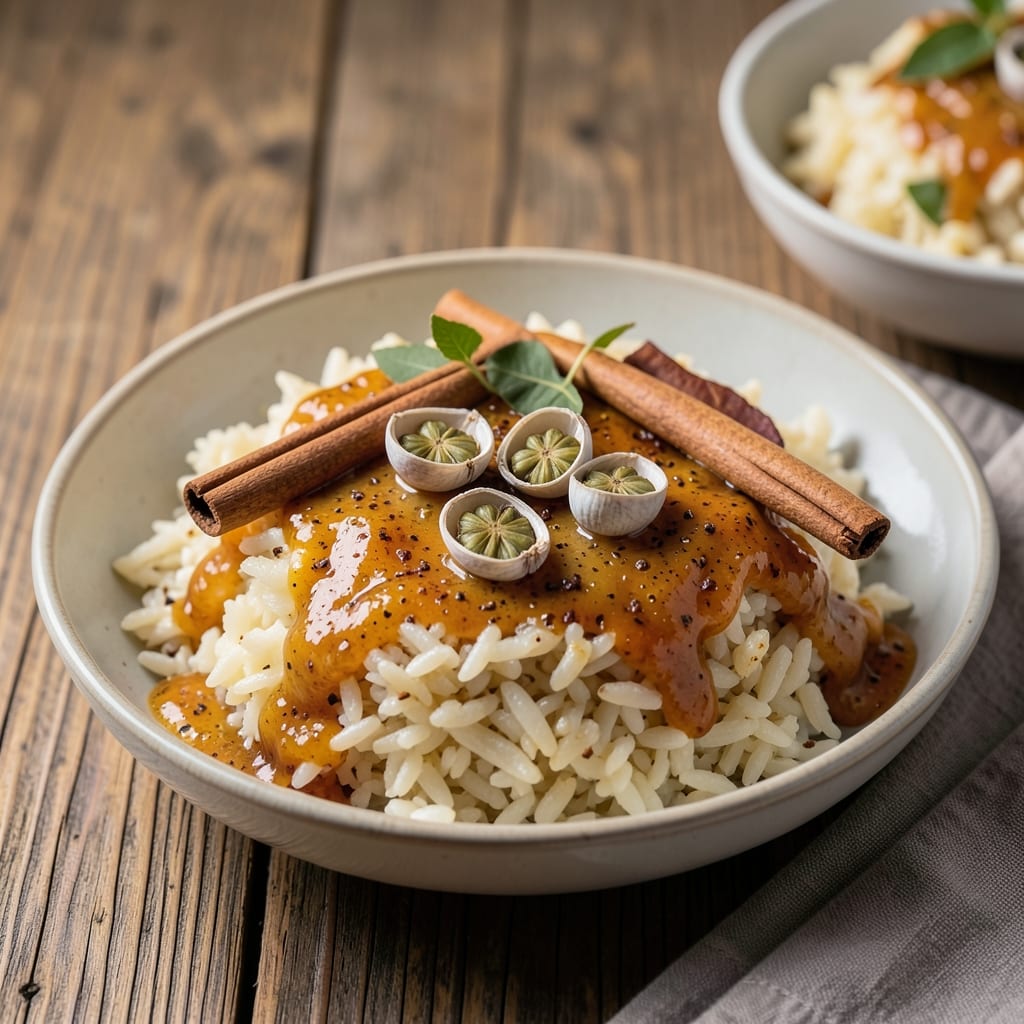
Anthony’s rice pilaf recipe transforms simple jasmine rice into a fragrant, golden dish with toasted spices and tender grains. The secret lies in blooming whole spices in butter before adding liquid, creating layers of aroma that elevate every bite. This method delivers restaurant-quality results with minimal effort—perfect for weeknight dinners or holiday feasts.
The process begins with gently toasting whole spices like cardamom and cinnamon until fragrant, then cooking them in butter to deepen their flavor. Jasmine rice absorbs the spiced butter while simmering in broth, resulting in grains that stay distinct yet infused with warmth. A final fluff with a fork ensures each bite is tender and aromatic.
What sets this pilaf apart is its balance of textures—fluffy rice, crisp edges from the spices, and a subtle creaminess from the butter. The fragrance alone transforms any meal, whether served alongside grilled chicken or as a vegetarian main with herbs. This recipe delivers consistent, foolproof results every time.
For added depth, consider finishing with toasted nuts or fresh herbs. The method scales easily for crowds, making it ideal for gatherings. Let’s create this fragrant, comforting dish that’s as satisfying to make as it is to eat.
Ingredients for anthony's rice pilaf
Transform simple jasmine rice into aromatic, restaurant-quality pilaf with these carefully chosen ingredients.
| Ingredient | Amount | Notes |
|---|---|---|
| Jasmine Rice 🍚 | 1 ½ cups | Uncooked, long-grain preferred |
| Unsalted Butter 🧈 | ½ cup | Cold, cut into small cubes |
| Whole Cardamom Pods 🌿 | 8 whole | Lightly crushed, not powdered |
| Cinnamon Sticks 🍃 | 2 whole | 2-inch pieces, lightly crushed |
| Bay Leaves 🌿 | 2 whole | Fresh preferred, dried works |
| Chicken Broth 💧 | 2 cups | Low-sodium, homemade or quality store |
| Vegetable Oil 🫒 | 1 tbsp | For toasting rice, neutral flavor |
| Salt 🧂 | ¾ tsp | Diamond Crystal preferred |
| Fresh Parsley 🌿 | ¼ cup | Chopped, for garnish |
| Toasted Almonds 🥜 | ¼ cup | Sliced, for topping |
| Lemon Zest 🍋 | 1 tsp | Fresh, for brightness |
| Ground Black Pepper 🌶️ | ¼ tsp | Freshly ground preferred |
The spices make or break this dish. Whole cardamom and cinnamon are essential—their toasted aroma infuses the rice with warmth. Penzeys or bulk bins at Whole Foods carry the best quality, but any grocery store spice aisle will work. Look for pods that smell vibrant, not stale. Fresh bay leaves add depth, but dried works in a pinch. The butter matters too—European-style unsalted melts beautifully without overpowering. Don't skip the lemon zest; it brightens the dish and balances the richness.
No cardamom? Allspice berries at half the amount add warmth, though the flavor differs. Substitute cinnamon sticks with 1 tsp ground cinnamon if you're in a hurry. For broth, low-sodium is key—build flavor with spices, not salt. The rice should be uncooked jasmine, not basmati or instant. Preferring toasted nuts? Pistachios or cashews work equally well. Fresh parsley is ideal, but dried at one-third the amount suffices when needed.
Store whole spices in airtight containers away from light—they stay potent for 6-12 months. Butter keeps for 3 months in the fridge or 6 months frozen. Prep the rice ahead by toasting the spices in butter, then refrigerate the mixture in a sealed container for up to 2 days. Garnishes like nuts and herbs should be added fresh just before serving to preserve their texture and aroma. This pilaf reheats beautifully—simmer with a splash of broth to restore moisture.
Why You'll Love This Recipe
- One-Pot Magic: I swear by this recipe because it’s actually foolproof—just toast the spices in butter, add rice and broth, and walk away. No measuring cups, no stress, no wondering if you’re doing it right.
- Spice Kiss: That first whiff of cardamom and cinnamon sizzling in butter? Instant mood booster. The jasmine rice soaks up the warm, earthy notes like a dream—crispy at the edges, fragrant with every bite.
- Weeknight Hero: Between us, this is my go-to when I need something fancy but fast. Serve it with roasted chicken for dinner, or pile it into lunchboxes the next day—no one will guess it took less than 30 minutes.
- Budget Luxury: Jasmine rice and basic spices? Check. One pot, minimal ingredients, and it tastes like you spent hours. Honestly, the leftovers are just as good—if not better—because the flavors meld overnight.
Step-by-step instructions for anthony's rice pilaf
This method transforms simple jasmine rice into a fragrant, aromatic pilaf with perfectly toasted spices and tender grains.
Toast the Spices and Butter
In a large, heavy-bottomed pot with a tight-fitting lid, melt the 0.5 cup unsalted butter over medium-low heat. Add the 8 whole cardamom pods, 2 whole cinnamon sticks, and 2 whole bay leaves. Let the butter bubble gently for 3-4 minutes until it turns a rich golden color and releases a deep, spiced aroma.
Watch the butter carefully—it should foam and develop a nutty fragrance. If it browns too quickly, reduce the heat slightly. This toasting step develops the complex flavors that make this pilaf special. The spices will darken slightly but shouldn't burn.
Toast the Rice
Add the 1 tbsp vegetable oil and the 1.5 cups jasmine rice, stirring to coat the grains evenly in the butter and oil. Increase heat to medium and toast the rice for 4-5 minutes, stirring frequently. You'll see the grains turn translucent at the edges and smell an earthy, nutty aroma—this indicates proper toasting.
This step is crucial for preventing mushy rice. The rice should look dry and separate rather than clumping together. If it starts to stick, reduce the heat slightly and keep stirring until it releases from the pot easily.
Deglaze and Simmer
Pour in the 2 cups chicken broth all at once, stirring vigorously to scrape up any browned bits from the bottom of the pot. Add the 0.75 tsp salt and 0.25 tsp ground black pepper. Bring to a gentle boil, then immediately reduce heat to low, cover tightly with the lid, and simmer for 15 minutes without disturbing.
Resist the urge to peek! The rice needs undisturbed time to absorb the liquid evenly. After 15 minutes, check the rice—it should be tender but still slightly firm in the center. If it's not quite done, cover and simmer for another 2-3 minutes.
Finish with Bright Flavors
Remove from heat and let the rice sit covered for 5 minutes. Then stir in the 1 tsp lemon zest and 0.25 cup toasted almonds, folding them gently through the grains. The lemon zest will brighten the rich, spiced flavors while the almonds add a delightful crunch.
For the final touch, transfer to a serving dish and garnish with the 0.25 cup fresh parsley. The parsley adds freshness and visual contrast to the golden pilaf. Serve immediately while still warm—this pilaf tastes best when enjoyed fresh from the pot.
Pro Tips For Making Anthony'S Rice Pilaf
- Toast the Spices First: The cardamom and cinnamon sticks won’t release their flavor if you just toss them in raw. Dry-toast them in the same pot over medium heat for 30 seconds—until you smell that warm, earthy aroma—before adding butter. Bay leaves can go in after, but don’t let them burn.
- Use Cold Butter: Anthony’s recipe calls for butter, and I’ve learned the hard way that cold, cubed butter (straight from the fridge) creates pockets of steam when it melts, which keeps the rice fluffy. Dumping in melted butter too early just makes the rice greasy. Add it in stages—first at the start, then again after toasting the spices.
- Don’t Stir the Rice: Once the rice hits the water, resist the urge to poke or prod it. Stirring breaks the grains and turns your pilaf into mush. After adding the liquid, just give it a gentle shake to distribute the rice evenly, then walk away. The rice will cook evenly without your interference—just like it’s supposed to.
- Bloom the Bay Leaves: Tear the bay leaves in half before adding them—it’s a small step, but it makes a real difference. Whole leaves can float on top and stay undercooked, leaving your pilaf tasting like nothing. A quick tear ensures their flavor infuses the rice properly. (Yes, even if you’re impatient like me.)
Serving suggestions for this anthony's rice pilaf
Classic Pairings
This fragrant rice pilaf shines alongside grilled lemon-herb chicken—the citrus notes echo the lemon zest in the pilaf. I love serving it with mildly spiced lamb chops (marinated in garlic and cumin) to complement the cardamom and cinnamon. For vegetarian meals, pair it with sautéed mushrooms and spinach tossed in garlic butter. 🍗
Vegetable Companions
Roasted cauliflower with turmeric and lemon adds vibrant color and balances the rich spices. I also recommend charred eggplant slices drizzled with tahini for a Middle Eastern-inspired contrast. For a lighter option, steamed asparagus with lemon wedges keeps the meal fresh and bright.
Protein Pairings
For seafood lovers, garlic butter shrimp or pan-seared scallops elevate the dish without overpowering. I often serve it with herb-roasted salmon—the flaky texture contrasts beautifully with the pilaf's texture. For a hearty option, slow-cooked beef short ribs create a perfect protein-pilaf combo.
Garnish Upgrades
Add toasted pumpkin seeds for extra crunch and a nutty depth. A sprinkle of dukkah spice blend (toasted nuts, sesame, and coriander) adds Middle Eastern flair. For a pop of color, edible flowers like nasturtiums or pansies look stunning and add a delicate floral note.
Serving Styles
For an elegant presentation, serve in a low, wide dish with the pilaf piled high in the center. Use a ring mold to create neat circles for individual servings. For casual meals, family-style bowls with shared sides work beautifully. Always serve with warm naan or flatbread for scooping up every delicious bite. ✨
Nutrition facts
Frequently asked questions
Can I substitute jasmine rice with another type?
Jasmine rice is ideal for its fragrant aroma and slightly sticky texture, but you can use long-grain basmati in a pinch. Avoid short-grain rice or instant rice—they'll make the pilaf too mushy. If substituting, reduce the liquid by 1/4 cup since basmati absorbs less moisture.
Why do I need to toast the spices and butter?
Toasting releases the spices' essential oils and deepens their flavor, creating that signature aromatic complexity. The butter develops a nutty, golden hue and rich taste that plain melted butter can't match. Skipping this step results in bland, underwhelming pilaf. Think of it as the flavor foundation!
What if my rice turns out mushy?
Mushy rice usually means too much liquid or insufficient toasting. Next time, toast the rice for 5-6 minutes until fully translucent, then use 1.75 cups broth instead of 2. Also ensure your pot has a tight-fitting lid to trap steam properly. For already mushy rice, spread it on a baking sheet and bake at 300°F for 15 minutes to dry it out.
Can I make this pilaf ahead of time?
Yes! Prepare it up to 2 days ahead by cooking fully, then refrigerating in an airtight container. Reheat by covering with a damp towel and steaming in a pot of simmering water for 10 minutes. For best texture, add a splash of broth when reheating. The flavors actually improve overnight as the spices meld further.
What's the best way to store leftovers?
Transfer leftovers to an airtight container and refrigerate for up to 4 days. For longer storage, freeze portions for 3 months. Thaw overnight in the fridge, then reheat gently with a splash of broth to restore moisture. Never microwave directly from frozen—this creates a gummy texture.