
Main Courses
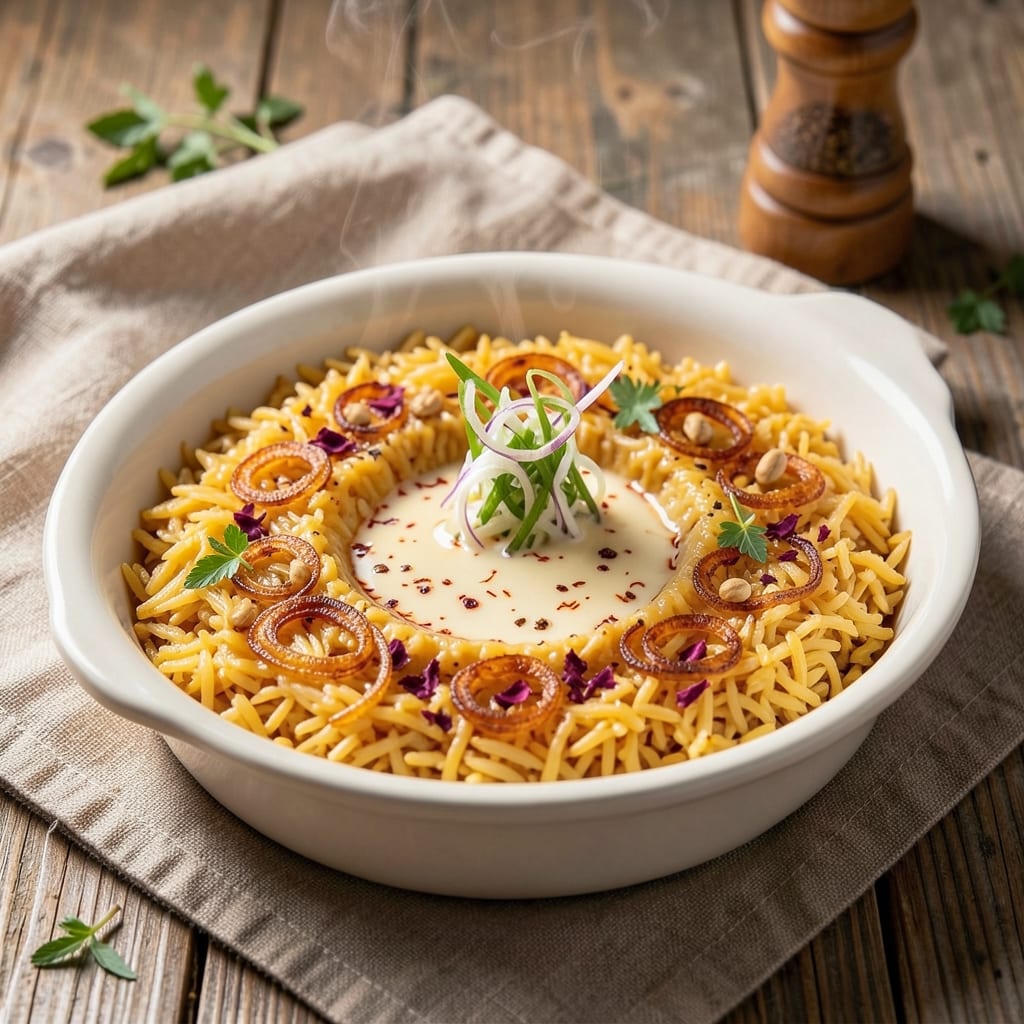
Arabic saffron rice transforms ordinary meals into a fragrant, golden celebration—where delicate threads of saffron meet warm cardamom and cinnamon in perfect harmony. This recipe captures the heart of Middle Eastern cuisine, where rice isn't just a side but the star. The secret lies in the mukhali, a saffron-infused milk that unlocks layers of aroma and color, elevating each grain to restaurant-quality richness.
What sets this dish apart is the balance of technique and simplicity: basmati rice soaks to achieve ideal texture, while whole spices toast gently to release their earthy warmth. The saffron, dissolved in warm milk, infuses the rice with its signature golden hue and floral depth. No shortcuts here—just the slow, intentional cooking that makes this dish unforgettable.
By the time it's done, you'll have fragrant, separate grains of rice—each one infused with saffron's luxurious aroma and cardamom's gentle heat. The texture is perfectly tender, with a subtle crunch at the edges, and the scent alone will transport you to bustling Arab markets. This is the kind of rice that makes every bite feel special.
Serve it alongside grilled meats, fish, or as a standalone centerpiece for a celebratory meal. The beauty of this recipe is its adaptability—whether you're cooking for a family gathering or a quiet dinner, the result is always impressive. Let's bring this golden tradition to your table.
Ingredients for arabic saffron rice
Golden saffron threads, warm spices, and fragrant basmati—just these ingredients transform simple rice into a luxurious centerpiece.
| Ingredient | Amount | Notes |
|---|---|---|
| Long-Grain Basmati Rice 🍚 | 1 ½ cups | Uncooked, rinsed thoroughly |
| Whole Milk 🥛 | 1 ½ cups | Full-fat for richness |
| Saffron Threads 🌼 | ¼ tsp | High-quality, culinary grade |
| Ground Cardamom 🌿 | ½ tsp | Freshly ground preferred |
| Ground Cinnamon 🌶️ | ¼ tsp | Sweet, aromatic variety |
| Yellow Onion 🧅 | 1 whole | Medium size, finely diced |
| Garlic Cloves 🧄 | 3 cloves | Fresh, minced finely |
| Ghee or Unsalted Butter 🧈 | 2 tbsp | Clarified butter preferred |
| Salt 🧂 | 1 tsp | Fine sea salt preferred |
| Water 💧 | 2 ½ cups | Filtered or spring water |
| Fresh Mint Leaves 🌿 | ¼ cup | Chopped, for garnish |
| Lemon Zest 🍋 | 1 tsp | Fresh, for finishing |
Saffron is non-negotiable here—look for culinary-grade threads at specialty stores like Whole Foods or Middle Eastern markets. A little goes a long way, but cheap substitutes won't deliver that signature golden hue. The basmati should be long-grain and aromatic—brands like Kirkland Signature or Lundberg are reliable. For the milk, whole fat is essential (the mukhali won't be as creamy otherwise), and organic milk adds subtle sweetness. If you're feeling fancy, swap regular milk for whole milk with a splash of rose water—trust me, it's worth it.
No saffron? Turmeric at one-third the amount gives color, but no floral depth. Fresh cardamom pods can be toasted and ground for a more complex flavor. The onion and garlic are your aromatic base—don't skip browning them in the ghee. That's where the real flavor develops. If you're short on time, pre-minced garlic from a jar works in a pinch, but fresh is always better. The mint is optional but adds a bright finish—frozen works fine if fresh isn't available.
Rice keeps best in an airtight container in the fridge for 4-5 days, though it's even better reheated the next day as flavors meld. For longer storage, freeze portions for up to 3 months. I like to make double batches—one for immediate use and one to freeze for lazy weeknights. The saffron-infused milk (mukhali) can be made ahead too—just store it separately and stir it in when reheating. Garnish with extra saffron threads right before serving for that restaurant-worthy presentation.
Why You'll Love This Recipe
- One-Pot Magic: I swear by this—just rice, milk, and a handful of spices simmering together. No separate pans, no fussing with layers. The saffron infuses into the milk while the rice cooks, and honestly? That golden hue alone makes it feel like a restaurant dish.
- Saffron Luxury: Between us, saffron’s expensive, but here it’s the star without breaking the bank. A pinch of those threads steeping in warm milk transforms the rice into something ridiculously fragrant—like a whisper of sunshine and spice. The cardamom and cinnamon? They’re the secret handshake that makes it taste like home, not just rice.
- Weeknight to Celebration: This is my go-to for lazy dinners and when company’s coming. Pair it with grilled chicken for a weeknight win, or serve it under lamb tagine for a weekend flex. The milk keeps it creamy but not heavy, so it works with everything—even just a simple yogurt drizzle.
- Leftovers That Don’t Suffer: I make a big batch on Sundays, and it stays perfect for days. The milk keeps the grains tender, not dry, and the spices only get richer. Reheat with a splash of water, and it’s like it was just made. Plus, it’s cheap to feed a crowd—basmati rice and whole milk stretch far, and those spices? A little goes a long way.
Step-by-step instructions for Arabic saffron rice
This fragrant rice gets its signature color and flavor from saffron and warm spices—let's build it layer by layer.
Infuse the Milk with Saffron and Spices
In a small saucepan, gently warm the 1.5 cups whole milk over low heat until it reaches 160°F—just before it simmers. Remove from heat and add the 0.25 tsp saffron threads, stirring to dissolve completely. The milk should turn a delicate golden hue. Return to low heat, then add the 0.5 tsp ground cardamom and 0.25 tsp ground cinnamon, stirring constantly for 2 minutes until fragrant. This infusion creates the aromatic base that will permeate every grain of rice.
Here's the thing—don't rush this step. The spices need time to bloom fully in the warm milk. I like to cover the pan and let it steep for an extra 5 minutes off the heat while I prep the rest of the ingredients. This deepens the flavor even more.
Sauté the Aromatics in Ghee
In a heavy-bottomed pot with a tight-fitting lid (I prefer a Dutch oven), melt the 2 tbsp ghee over medium heat. Add the finely diced yellow onion and cook for 5-6 minutes until soft and translucent. Stir in the minced garlic cloves and cook for another 30 seconds until fragrant—you should smell that sweet garlic aroma wafting through your kitchen.
This is where the magic happens. The ghee adds richness while the onions and garlic form the flavor foundation. Don't let the garlic burn—it turns bitter fast. If it starts to brown too quickly, reduce the heat slightly and keep stirring.
Toast the Rice and Combine Ingredients
Add the 1.5 cups long-grain basmati rice to the pot and stir to coat it evenly in the ghee and aromatics. Toast the rice for 2-3 minutes until it becomes translucent at the edges and releases a nutty aroma. This step is crucial—it prevents the rice from becoming mushy later.
Now pour in the 2.5 cups water and the infused milk mixture, along with the 1 tsp salt. Stir gently but thoroughly to distribute everything evenly. The rice should be fully submerged, with just a slight rise above the liquid. Bring to a gentle boil, then immediately reduce heat to low, cover tightly with the lid, and let it simmer undisturbed.
Cook to Perfect Tenderness
Simmer the rice for 15 minutes without lifting the lid. After this initial cooking time, check the rice—it should be tender but still slightly firm in the center. If it's not quite done, cover and cook for another 5 minutes. The key here is patience; basmati rice needs time to absorb all that flavorful liquid.
I know it's tempting to peek, but every time you lift that lid, steam escapes and the cooking time increases. Trust the process. When the rice is tender, turn off the heat and let it sit covered for 10 minutes. This resting period allows the rice to finish steaming and absorb any remaining liquid.
Fluff and Finish with Fresh Herbs
After resting, gently fluff the rice with a fork, being careful not to mash the grains. Stir in the chopped fresh mint leaves and 1 tsp lemon zest, mixing lightly to distribute these bright, finishing touches. The mint adds a refreshing contrast to the warm spices, while the lemon zest brightens the entire dish.
Serve immediately while still warm. Each grain should be distinct yet infused with saffron's golden color and the complex warmth of cardamom and cinnamon. This rice pairs beautifully with grilled meats, yogurt sauces, or as a standalone centerpiece for any Middle Eastern feast.
Pro Tips For Making Arabic Saffron Rice
- Bloom the Saffron: Steep the saffron threads in ¼ cup warm milk for at least 10 minutes—no rushing. I used to skip this, thinking it’d dissolve faster in the pot, but the rice ends up bland without letting those threads release their full golden magic. ---
- Toast the Spices: Dry-toast the cardamom and cinnamon in the pot for 30 seconds before adding rice—just until you smell their aroma. This stops them from turning bitter and makes the whole dish smell like a spice shop. (Yes, even if you’re impatient like me.) ---
- Don’t Stir the Rice: Once the rice hits the boiling liquid, stir once to distribute, then walk away. Poking it every two minutes turns it gummy. I learned this the hard way after a batch that looked like glue. ---
- Use Whole Milk: Skip the water—whole milk adds creaminess and depth that lightens the saffron’s color beautifully. If you’re out of whole milk, 2% works, but don’t substitute with skim or you’ll end up with dry, chalky rice.
Perfect pairings for this dish
Middle Eastern Protein Pairings
This saffron rice shines alongside classic Middle Eastern proteins. Grilled lamb chops or keema (spiced ground lamb) create a perfect balance—juicy, fatty meats complement the rice's delicate spices. I love serving it with shish tawook (skewered chicken) for a lighter option. The cardamom in the rice enhances the smoky char of grilled meats, while the saffron's floral notes cut through rich flavors. 🌶️
Yogurt Sauce Complements
No Middle Eastern meal is complete without a cooling yogurt sauce. Whisk 1 cup plain yogurt with 1 tbsp lemon juice, 1 minced garlic clove, ½ tsp cumin, and a pinch of salt. Drizzle over the rice before serving for a creamy contrast. For extra richness, fold in 2 tbsp chopped dill or mint. This sauce also works beautifully with grilled fish like sea bass or mahi-mahi.
Fresh Vegetable Sides
Bright, crisp vegetables balance the rice's richness. A simple cucumber-tomato salad> with 1 tbsp olive oil, 1 tsp sumac, and 2 tbsp chopped parsley> adds refreshing acidity. For heartier sides, try roasted eggplant> with smoked paprika> or grilled zucchini> with lemon. The charred flavors of grilled vegetables pair wonderfully with the saffron rice's aromatic spices.
Spiced Tea Pairings
No meal is complete without tea! Brew mint tea> with fresh mint leaves and a touch of honey for a refreshing match. For something stronger, try Arabic coffee (gahwa)> with cardamom—its warm spices echo the rice's flavors. I also love serving hibiscus tea> with a splash of lemon for a tart contrast. Serve tea in small glasses with a side of dates> for the ultimate Middle Eastern experience. ☕
Dessert Harmony
End the meal with traditional sweets that complement the saffron's floral notes. Baklava> with its honeyed layers and nutty crunch is a classic choice. For something lighter, try ma'amoul> (date-filled shortbread cookies) or knafeh**> with its chewy phyllo and rosewater syrup. The contrast between savory saffron rice and sweet desserts creates a satisfying balance that feels truly celebratory. 🍯
Nutrition facts
Frequently asked questions
Why does Arabic saffron rice need to soak before cooking?
Soaking the basmati rice for 20-30 minutes removes excess starch, which prevents the grains from sticking together. This creates those signature separate, fluffy grains that make the dish so elegant. The soaking also helps the rice absorb the saffron-infused milk more evenly, enhancing both flavor and color. Pro tip: Use twice the volume of water for soaking (e.g., 3 cups water for 1.5 cups rice).
Can I substitute saffron with turmeric in this recipe?
Technically yes, but the results won't be the same. Turmeric gives color but lacks saffron's floral aroma and depth. For a closer substitute, use ⅓ tsp turmeric plus ½ tsp orange blossom water to mimic saffron's scent. The rice will be yellow rather than golden, but the spices will still shine. For authentic flavor, invest in quality saffron—it's worth every penny for this dish.
How do I prevent the rice from becoming mushy?
Mushy rice happens when you overcook it or don't toast the grains properly. First, always toast the rice in ghee for 2-3 minutes until translucent. Second, use the right water-to-rice ratio (1.5:1 for basmati) and simmer at low heat after boiling. Most importantly, resist the urge to peek! Lifting the lid releases steam, which increases cooking time. Let it rest covered for 10 minutes after cooking.
What's the best way to reheat Arabic saffron rice?
Reheat gently in a pot with 1-2 tbsp water over low heat, covered, for 3-5 minutes. Stir occasionally to prevent drying. For extra flavor, add 1 tsp warm milk or a pinch of saffron while reheating. Microwaving works but can make the rice dry—if using, sprinkle 1 tsp water and cover with a damp paper towel. The rice tastes even better reheated as flavors meld further.
Can I make this rice in an Instant Pot?
Yes! Follow the same steps for infusing the milk and sautéing aromatics, then add rice, water, and milk to the Instant Pot. Cook on high pressure for 4 minutes, then let it naturally release for 10 minutes. The texture will be slightly firmer than stovetop, so you might need to add 1-2 tbsp water if it's too dry. The saffron and spices will still infuse beautifully—just stir in fresh herbs after cooking.