
Side Dishes
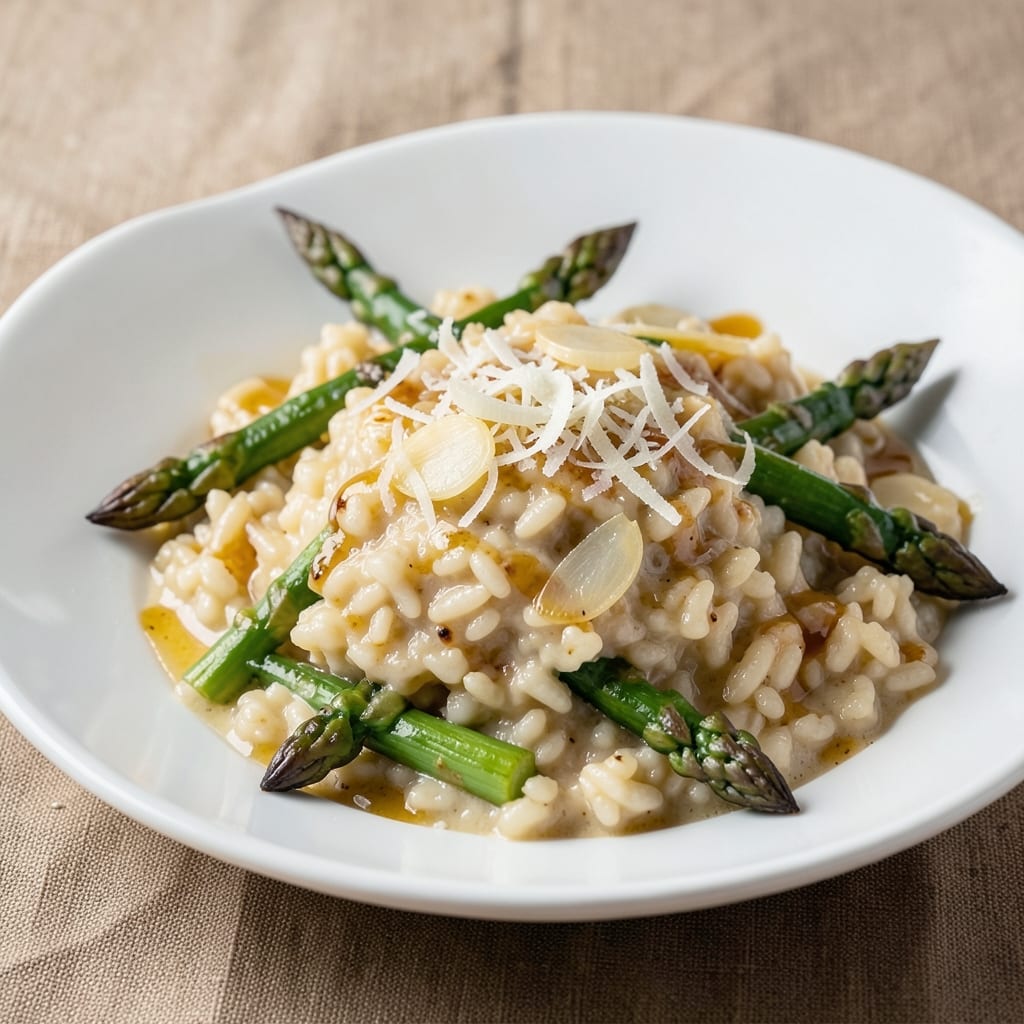
This arborio rice and asparagus recipe transforms simple ingredients into a luxurious, creamy risotto that feels like a restaurant centerpiece—ready in just 25 minutes. The secret lies in slow-stirring technique and perfectly timed asparagus that adds vibrant color and tender-crisp texture. I developed this recipe after realizing how often store-bought risotto falls flat, and this method guarantees velvety, al dente grains every time.
The magic happens when you toast the arborio rice in butter until golden, then deglaze with white wine to build flavor. Asparagus cooks alongside the rice, releasing its natural sweetness while maintaining a satisfying bite. A touch of parmesan and vegetable broth creates that signature creamy consistency without heavy cream, keeping it light yet indulgent.
What you'll end up with is a dish that's equal parts elegant and approachable—bright green asparagus spears nestled in a rich, buttery risotto with just the right amount of creaminess. The aroma alone will have everyone gathered at the table, and the texture is impossible to resist: tender rice with a satisfying bite in every spoonful.
Perfect for weeknight dinners or special occasions, this recipe scales beautifully. Serve with grilled fish, roasted chicken, or enjoy it as a vegetarian main. The best part? No special equipment needed—just patience and a steady hand for stirring. Let's make this creamy risotto!
Ingredients for arborio rice and asparagus
Luxurious risotto begins with these 13 ingredients—simple yet transformative for restaurant-quality results.
| Ingredient | Amount | Notes |
|---|---|---|
| Arborio Rice 🍚 | 1 ½ cups | Unrinsed for optimal starch release |
| Fresh Asparagus 🌱 | 1 lb | Medium spears, trimmed ends |
| Unsalted Butter 🧈 | ½ cup | European-style preferred for richness |
| Shallots 🧅 | 2 whole | Minced finely for delicate flavor |
| Dry White Wine 🍷 | ½ cup | Sauvignon Blanc or Pinot Grigio |
| Vegetable Broth 💧 | 4 cups | Low-sodium, homemade preferred |
| Parmesan Cheese 🧀 | ½ cup | Freshly grated from block |
| Extra-Virgin Olive Oil 🫒 | 2 tbsp | Light fruity variety for balance |
| Garlic Cloves 🧄 | 2 cloves | Minced finely for subtle aroma |
| Lemon Zest 🍋 | 1 tsp | From organic lemon for brightness |
| Diamond Crystal Kosher Salt 🧂 | 1 ½ tsp | For seasoning and finishing |
| Freshly Ground Black Pepper 🌶️ | ½ tsp | Cracked peppercorns preferred |
| Fresh Thyme Leaves 🌿 | ¼ cup | Stripped from stems for aroma |
The arborio rice is non-negotiable—its high starch content creates that signature creaminess. Purchase from Whole Foods or Italian specialty markets for the best quality; look for grains that feel heavy in your hand, indicating optimal starch levels. Fresh asparagus should be bright green with tightly closed tips, a sign of recent harvest. For the butter, European-style brands like Plugrá melt more smoothly, enhancing the dish's velvety texture. Shallots add depth without overpowering; if unavailable, substitute 3 tbsp finely chopped yellow onion. The vegetable broth should be homemade for superior flavor, but low-sodium store-bought works in a pinch.
No white wine? Substitute an equal amount of additional vegetable broth—just omit the deglazing step. For the Parmesan, always grate it fresh from a block; pre-shredded contains anti-caking agents that prevent proper melting. If you're avoiding dairy entirely, nutritional yeast provides a similar umami depth. The lemon zest can be omitted if you prefer, but it brightens the dish beautifully. For the thyme, fresh is ideal, but one-third the amount of dried works if necessary. When selecting asparagus, avoid woody stems—they won't soften properly during cooking. For a quicker prep, pre-trim the asparagus while watching TV or listening to music.
Store any unused freshly grated Parmesan in an airtight container with parchment paper between layers for up to 5 days. The asparagus trimmings can be saved for homemade vegetable broth—simmer with onion skins and bay leaves for 30 minutes to create a flavorful base. This risotto reheats beautifully—add 1-2 tbsp broth when warming to restore creaminess. For meal prep, cook the rice slightly underdone, then finish with hot broth later. The dish holds well for 2 days in the fridge, though texture may slightly degrade. Freeze portions in single-serving containers for up to 3 months, adding extra broth when reheating.
Why You'll Love This Recipe
- One-Pot Magic: I swear by this recipe when I’m too tired to scrub pots—just toast the shallots, add rice and asparagus, deglaze with wine, and let the butter do the rest. The asparagus wilts right into the creamy rice, so you’re left with one pan, one spatula, and zero guilt.
- Buttery Wine Kiss: That splash of dry white wine reduces into a glossy, savory sauce that clings to the Arborio like it’s been kissed by a chef. The butter melts into the rice, giving it that just-cooked richness that makes you pause mid-bite—honestly, it’s the kind of dish that tastes like a restaurant meal.
- Weeknight to Dinner Party: I make this for lazy Tuesdays, but it’s also the star of my spring dinner parties. The asparagus feels fancy (it’s not hard to trim), and the wine adds a touch of sophistication without requiring a sommelier. Serve it with grilled fish or a simple salad, and you’re golden.
- Leftovers That Don’t Suck: Most risotto leftovers are sad, but this? It reheats like a dream—just add a splash of water or stock and a pat of butter. I’ve packed it for lunches, frozen portions for busy nights, and even sneaked it into fried rice later. (Yes, even on a Tuesday night.)
Step-by-step instructions for creamy arborio risotto with asparagus
Master this technique and you'll achieve restaurant-quality risotto with velvety texture and perfect al dente rice every time.
Prepare the Asparagus and Aromatics
Trim the tough ends from the 1 lb fresh asparagus by bending each spear until it snaps naturally. Cut the spears into 2-inch pieces and set aside. In a large skillet, heat the 2 tbsp extra-virgin olive oil over medium heat. Add the 2 whole shallots and cook for 3-4 minutes until softened and translucent.
Add the 2 cloves garlic cloves and cook for an additional 30 seconds until fragrant. Remove the pan from heat and stir in the 0.25 cup fresh thyme leaves and 1 tsp lemon zest. Set aside—this aromatic base will infuse the entire risotto with bright, complex flavors. The thyme should release its piney aroma immediately, signaling it's ready for the next step.
Toast the Arborio Rice
In a heavy-bottomed pot with a diameter of 10-12 inches, melt the 0.5 cup unsalted butter over medium heat. Add the 1.5 cups unrinsed Arborio rice and stir constantly for 2-3 minutes until the grains become translucent at the edges and release their starch. This toasting step is crucial—it develops the rice's nutty flavor and prevents gummy texture.
Add the prepared shallot mixture to the pot and stir for 30 seconds to combine. Immediately pour in the 0.5 cup dry white wine and stir vigorously until fully absorbed. The wine should reduce completely within 1-2 minutes—this creates the risotto's signature creamy base. Never skip this step; it's what transforms simple rice into luxurious risotto.
Cook the Risotto Al Dente
Begin adding the 4 cups vegetable broth one ladle at a time, stirring constantly after each addition. Wait until each ladleful is completely absorbed before adding the next. This gradual process allows the rice to absorb liquid at its own pace, developing that signature creamy texture without becoming mushy.
After about 12-15 minutes of cooking, the rice should be al dente with a slight bite remaining. Perform the starch test: take a grain and press it between your fingers—it should hold its shape but feel tender. If it's still firm, continue adding broth. The cooking time varies based on your stove's heat output, so watch closely rather than relying solely on the timer.
Incorporate the Asparagus and Finish
When the rice is al dente, add the prepared asparagus pieces directly to the pot. Stir gently to distribute them evenly throughout the risotto. Cook for an additional 2-3 minutes until the asparagus is tender-crisp with bright green color remaining. The asparagus should offer a slight resistance when pierced with a fork—this indicates perfect doneness.
Season and Serve Immediately
Remove the pot from heat and stir in the 0.5 cup freshly grated Parmesan cheese and 0.5 tsp freshly ground black pepper. Add the remaining 0.5 tsp kosher salt and the 1.5 tsp kosher salt reserved for finishing—this final seasoning step ensures perfect balance. Taste and adjust the seasoning if needed, remembering that Parmesan is salty and the broth may have been seasoned.
Transfer the risotto to serving bowls immediately and garnish with additional lemon zest and fresh thyme leaves. Serve while hot, as risotto continues to thicken as it cools. Each bite should deliver creamy Arborio rice, tender asparagus, and layers of aromatic flavor that make this dish truly special. The texture should be luxuriously creamy yet still distinct from the asparagus, with no separate liquid pooling at the bottom.
Pro Tips For Making Arborio Rice And Asparagus
- TOAST THE RICE FIRST: I learned this the hard way—skipping the initial toast with butter and shallots means your rice will taste bland, no matter how much wine you add. Sauté the arborio in butter over medium heat until the grains are translucent and slightly sticky (about 3-4 minutes), then add the shallots. This step builds flavor that wine alone can’t fix.
- TRIM ASPARAGUS AT THE LAST MINUTE: Fresh asparagus loses its crispness fast, so resist the urge to prep it all at once. Trim just before adding it to the pan—especially if you’re using thicker stalks. If you must prep ahead, store trimmed pieces in a sealed container with a damp paper towel, but add them to the rice within 15 minutes for the best texture.
- STIR LIKE YOU MEAN IT: Arborio rice needs constant, vigorous stirring—especially during the first 5 minutes—to release its starch and create that creamy texture. I used to half-ass it, and my rice ended up dry or gummy. Use a wooden spoon and work the rice in quick, firm strokes, lifting from the bottom of the pan to scrape up any stuck bits.
- USE THE WINE WISELY: Don’t pour the whole bottle in—just enough to deglaze the pan (about ½ cup for a standard serving). After the wine reduces by half, add the asparagus and let it cook in the residual liquid. The goal is to infuse flavor, not drown the rice. If you’re short on wine, a splash of chicken or vegetable stock works, but the acidity of wine cuts through the richness of butter.
Regional styles of arborio rice and asparagus
Italian Risotto Tradition
This dish traces its roots to Northern Italy, where risotto originated in the Po Valley region. Traditional recipes often feature just rice, broth, and butter—no wine or cheese. My version keeps the spirit while adding asparagus, a spring vegetable that became popular in Italian cuisine during the Renaissance. The key technique of stirring constantly comes from Lombardy, where cooks discovered that slow absorption creates that signature creamy texture. 🌱
French-Inspired Upgrade
While Italian risotto relies on broth, French techniques introduced wine deglazing to this recipe. The 0.5 cup white wine adds acidity that brightens the dish, balancing the richness of the butter and Parmesan. I prefer Sauvignon Blanc for its citrus notes that complement the asparagus. This fusion approach became popular in modern Italian cooking, where chefs blend regional traditions with international influences.
American Spring Adaptation
In the US, asparagus season peaks in spring, making this dish a seasonal favorite. I've adapted the Italian method by adding 1 tsp lemon zest to enhance the asparagus's natural sweetness—a technique inspired by California's farm-to-table movement. The tender-crisp asparagus texture contrasts beautifully with the creamy rice, creating a balance that appeals to American palates accustomed to vibrant, fresh ingredients. 🍋
Vegetarian Protein Boost
For those seeking extra protein, this recipe works perfectly with the addition of ½ cup crumbled feta cheese or ¼ cup toasted pine nuts>. The feta adds tangy contrast while pine nuts provide crunch. I often serve this as a vegetarian main course with a side salad. The asparagus brings fiber and vitamins A/C, making this dish not just delicious but nutritious too.
Regional Wine Pairings
Northern Italian wines pair beautifully with this dish. Try a Valpolicella Ripasso> from Veneto for its rich berry notes that complement the Parmesan. For a lighter option, Pinot Grigio> from Friuli-Venezia Giulia offers crisp acidity that cuts through the richness. In the US, I recommend a California Chardonnay> with subtle oak for a modern twist that still honors the dish's Italian heritage. 🍷
Nutrition facts
Frequently asked questions
Why do I need to use unrinsed arborio rice?
The starch on arborio rice is what creates that signature creamy texture in risotto. Rinsing removes this starch, resulting in dry, separate grains instead of the velvety consistency we want. The starch also helps bind the dish together, so resist the urge to rinse—it's what makes this recipe work!
Can I make this ahead of time?
Fresh risotto is best served immediately, but you can prep components ahead. Cook the rice slightly underdone (about 15 minutes instead of 18), then finish with hot broth later. Store asparagus blanched and refrigerated for up to 2 days. For a quicker version, use pre-cooked rice but add extra broth to restore creaminess.
What if my risotto turns out too dry?
This usually happens if you added broth too quickly or didn't stir enough. Fix it by removing from heat and stirring in 1-2 tbsp warm broth at a time until creamy. For prevention, always add broth gradually and stir frequently—especially in the last 5 minutes of cooking when the rice absorbs most aggressively.
Can I substitute other vegetables?
Try peas (add in the last 5 minutes), mushrooms (sauté before rice), or spinach (fold in at the end). For asparagus substitutes, green beans or broccoli florets work well—just adjust cooking times to maintain tender-crisp texture. The key is adding veggies when they'll cook in 3-5 minutes.
How do I make this dish vegetarian?
This recipe is already vegetarian, but you can enhance it further by using vegetable broth (no meat-based stocks) and nutritional yeast instead of Parmesan for a dairy-free option. The asparagus provides natural sweetness, while the lemon zest and thyme add bright, fresh flavors that make it satisfying without meat.