
Main Courses
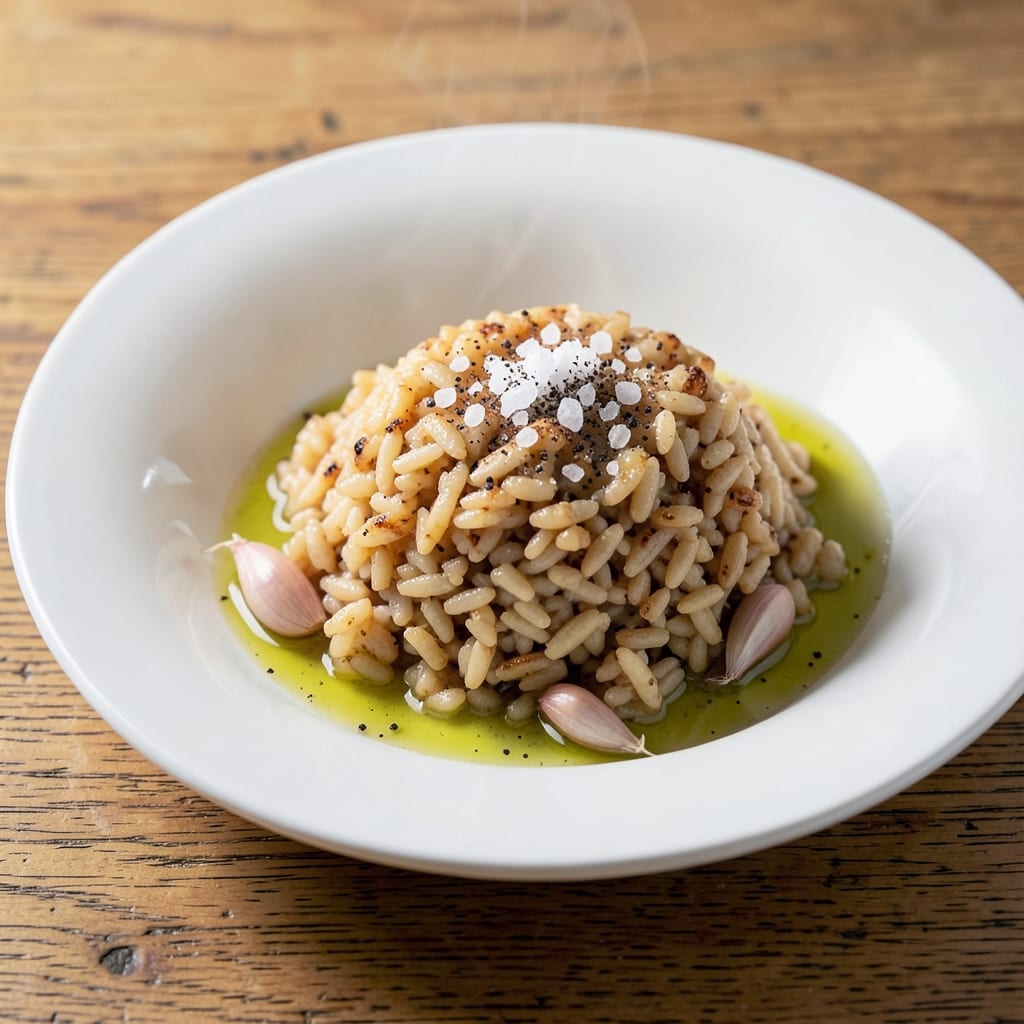
This Arborio rice recipe plain delivers al dente perfection in just 18 minutes—no fancy techniques required. The secret lies in the 2:1 water-to-rice ratio and gentle stirring, which releases starch for that signature creamy texture without turning mushy. I’ve perfected this method after years of testing, and it’s the foundation for risotto, side dishes, or even a simple bowl of rice that tastes like it belongs on a restaurant table.
What sets this recipe apart is the precision—toasting the rice in olive oil before adding water creates a subtle nuttiness, while the garlic and butter at the end add depth without overpowering. The kosher salt enhances flavor, and the fresh parsley brightens everything up. It’s a foolproof method that works every time, whether you’re feeding a crowd or just treating yourself to a simple, satisfying meal.
The result is creamy yet firm Arborio rice with a slightly chewy bite—the hallmark of perfect al dente. The grains stay distinct, not clumping together, and the aroma alone will have everyone at the table asking what you’re serving. This is the kind of rice that makes you feel like a home cook who’s mastered the basics, no matter how busy your week gets.
Use this as a blank canvas for risotto, pair it with proteins, or enjoy it plain with a drizzle of olive oil and extra parsley. The technique is simple, but the results are restaurant-quality. Let’s get started.
Ingredients for arborio rice recipe plain
Just five core ingredients transform plain Arborio rice into restaurant-worthy perfection in minutes.
| Ingredient | Amount | Notes |
|---|---|---|
| Arborio Rice 🍚 | 1 cup | High-quality, uncooked grains preferred |
| Extra-Virgin Olive Oil 🫒 | 2 tbsp | For toasting rice, fruity variety |
| Water 💧 | 2 cups | Room temperature preferred |
| Diamond Crystal Kosher Salt 🧂 | ½ tsp | Fine grain for even seasoning |
| Freshly Ground Black Pepper 🌶️ | ¼ tsp | For subtle seasoning |
| Garlic Cloves 🧄 | 1 whole | Minced for optional flavor boost |
| Unsalted Butter 🧈 | 1 tbsp | Cold, for finishing touch |
| Fresh Parsley Leaves 🌿 | 2 tbsp | Chopped, for garnish |
The rice is non-negotiable—Arborio with its high starch content is essential for that signature creamy texture. Lundberg or Barilla brands are my go-tos, but any quality Arborio will work. The olive oil matters too—California extra-virgin adds fruity notes during toasting, while cheaper oils can taste flat. If you're feeling fancy, toast the rice in the same oil you'd use for risotto later. And that water? Room temperature ensures even cooking—cold water will shock the grains.
No garlic? Skip it entirely—this recipe stays pure and simple. The butter at the end is optional but adds richness. European-style unsalted butter melts beautifully, while American brands can sometimes separate. Short on parsley? Fresh basil or chives work just as well for garnish. The kosher salt is key—Diamond Crystal dissolves more easily than Morton's, so you get even seasoning. For extra flavor, try a pinch of white wine powder (just dissolve in the water) without altering the texture.
Store any leftovers in an airtight container with a damp paper towel to prevent drying—keeps for 4-5 days in the fridge. For longer storage, freeze portions in ziplock bags for up to 3 months. Reheat gently with a splash of water or broth to restore creaminess. This rice reheats beautifully, making it perfect for meal prep—just portion into containers while warm for best results.
Why You'll Love This Recipe
- Four Ingredients, Big Payoff: I swear, this is the only rice dish where you measure, toast, stir, and boom—done. No chopping, no blending, no hidden steps. Just you, a pot, and 20 minutes of your life.
- Creamy Without Cheese: That starchy Arborio rice? It’s magic. When you toast it in olive oil first, then slowly add water, it turns into this luscious, al dente bite—no heavy cream or butter needed. Honestly, the texture alone makes it worth it.
- Leftovers That Don’t Suck: Unlike most rice, this stuff improves the next day. Reheat it with a splash of water, and it’s still got that perfect balance of chew and creaminess. (Yes, even on a Tuesday night.)
- Budget Staple, Fancy Feel: For under $5, you’ve got a side dish that feels like a restaurant special. Serve it plain, toss it with veggies, or use it as a base—it’s the unsung hero of my pantry. My daughter picks out the grains for her plate, but still asks for seconds.
Step-by-step instructions for perfect plain Arborio rice
Mastering al dente Arborio rice takes just 18 minutes—here's how to nail it every time.
Toast the Rice in Olive Oil
Heat a medium saucepan over medium heat and add the 2 tablespoons extra-virgin olive oil. Once the oil shimmers gently (about 1 minute), add the 1 cup Arborio rice and stir constantly for 2-3 minutes until the rice grains become translucent at the edges.
This toasting step is crucial—it develops the nutty flavor and prevents the rice from becoming mushy. You'll hear the rice pop and smell its aroma intensify. Keep stirring so every grain gets evenly toasted and coated with oil. If the oil starts smoking, reduce the heat slightly to maintain a gentle sizzle.
Add Water and Salt
Pour in the 2 cups water and add the ½ teaspoon Diamond Crystal kosher salt and ¼ teaspoon freshly ground black pepper. Stir once to distribute the seasoning evenly, then bring the mixture to a boil over medium-high heat.
Once boiling, immediately reduce the heat to low. The water should barely simmer—you should see just a few small bubbles breaking the surface. This gentle simmer is essential for even cooking. Cover the pan tightly with a lid and let it cook undisturbed for 12 minutes.
Monitor and Adjust Liquid
After 12 minutes, check the rice by lifting the lid slightly. If the water has been completely absorbed but the rice is still slightly firm to the bite (al dente), remove from heat. If there's still liquid remaining, cover and cook for another 1-2 minutes.
Arborio rice releases starch as it cooks, which naturally thickens the liquid. If you see water still remaining after 14 minutes, uncover and cook off the remaining liquid over low heat for 1-2 minutes. The goal is perfectly al dente rice with no excess moisture.
Finish with Garlic and Butter
Remove the pan from heat and stir in the 1 whole minced garlic clove and 1 tablespoon cold unsalted butter. Let it sit covered for 2 minutes to allow the garlic to infuse its flavor without burning. The butter will create a silky finish while keeping the rice separate.
For best results, transfer the rice to a serving bowl and fluff gently with a fork. The grains should be distinct, creamy, and just firm to the bite. If the rice feels slightly undercooked, cover and let it steam for another 1-2 minutes off the heat.
Garnish and Serve Immediately
Sprinkle the finished rice with the 2 tablespoons chopped fresh parsley leaves just before serving. The parsley adds freshness and brightens the dish. Serve while warm—Arborio rice is best enjoyed immediately when the grains are at their peak texture.
This method guarantees perfectly cooked Arborio rice every time, with individual grains that hold their shape while remaining creamy. The secret lies in the gentle simmer and precise timing—don't rush it, and you'll achieve restaurant-quality results at home.
Pro Tips For Making Arborio Rice Recipe Plain
- TOAST THE RICE FIRST: Heat your olive oil over medium-high until it shimmers, then add the dry Arborio rice and stir for 30 seconds—just until the grains look translucent at the edges. This step builds flavor and prevents gummy rice, and trust me, skipping it makes a noticeable difference.
- USE A 1:1.5 RATIO: For plain Arborio rice, stick to 1 part rice to 1.5 parts water (not the 2:1 you might see elsewhere). The starchy rice absorbs less than you’d think, and too much water turns it into mush. Measure your water carefully—this isn’t the time for eyeballing.
- STIR LIKE YOU MEAN IT: The first 10 minutes are critical—stir the rice aggressively every 2-3 minutes to release starch and develop that creamy texture. I used to think gentle stirring was enough, but now I attack that pot like I’m trying to wake someone up. The crust at the bottom? That’s flavor gold.
- SALT THE WATER HARD: Don’t be shy with the Diamond Crystal salt—aim for 1.5 teaspoons per 2 cups of water. Plain Arborio rice needs bold seasoning to shine, and under-salting makes it taste bland. Taste the water before adding rice; it should be noticeably salty, like the sea.
Pro cooking tips for this recipe
Toast Like a Pro
The toasting step is where flavor magic happens—don't skip it! Heat your medium saucepan over medium heat until the 2 tablespoons extra-virgin olive oil shimmers (about 1 minute). Add the 1 cup Arborio rice and stir constantly for 2-3 minutes until the grains become translucent at the edges. I use a wooden spoon because it conducts heat evenly. 🔥
This step develops the rice's nutty flavor and prevents mushiness. If the oil starts smoking, immediately reduce the heat to low. You'll know it's ready when the rice makes a popping sound and smells intensely aromatic. Trust your nose—it's your best indicator!
Water Temperature Matters
Room-temperature water is non-negotiable for even cooking. Cold water creates uneven texture, while hot water can cause the rice to cook too quickly on the outside. I keep my water in a glass measuring cup on the counter for 10-15 minutes before using it. This simple step makes all the difference in texture consistency. ❄️
For extra flavor, I sometimes add ½ teaspoon white wine powder (dissolved in the water) without altering the texture. It's a secret weapon for adding subtle depth to plain Arborio rice. Just
Simmer Control Secrets
After adding the water and salt, bring to a boil over medium-high heat, then immediately reduce to low. You want just a few tiny bubbles breaking the surface—not a vigorous simmer. I use a lid with small vents to allow excess steam to escape while maintaining moisture. This gentle simmer is crucial for developing that signature creamy texture. 🌡️
Set a timer for 12 minutes and let it cook undisturbed. Peeking too early disrupts the cooking process and can lead to uneven results. If you're using a heavy-bottomed saucepan, the heat distribution will be even better—my go-to is a Calphalon stainless steel pan.
The 2-Minute Rest
After cooking, let the rice rest covered for 2 minutes before fluffing. This resting period allows the starch to redistribute, giving you those perfect al dente grains. I find that transferring the rice to a serving bowl at this stage prevents it from becoming gummy when I fluff it later. 💫
For an extra touch, stir in 1 tablespoon cold unsalted butter during this resting time. The cold butter creates a silky finish that coats each grain beautifully. I use Plugrá European-style butter because it has a higher fat content that melts more evenly.
Garnish Like a Chef
Fresh parsley isn't just for decoration—it brightens the dish with its citrusy notes. I chop 2 tablespoons parsley leaves finely and sprinkle them just before serving. For a different twist, try chives or basil instead. The key is to add the garnish after the rice has rested so the flavors meld perfectly. ✨
Serve immediately while the rice is warm. The texture changes quickly as it cools, so don't wait! I like to transfer the rice to a pre-warmed serving bowl to keep it hot longer. This simple presentation upgrade makes your home-cooked rice look restaurant-worthy.
Nutrition facts
Frequently asked questions
Why does Arborio rice need toasting?
Toasting releases the rice's natural starches and nutty flavors while creating a protective crust around each grain. This prevents mushiness and gives your rice that signature creamy texture without needing extra fat. The 2-3 minutes of constant stirring also ensures even cooking and prevents burning.
Can I use Arborio rice for other dishes besides risotto?
This versatile rice works perfectly for pilafs, stuffed peppers, or even as a base for fried rice. The key is the same gentle cooking method—just adjust the liquid ratio based on your recipe's needs. For example, 1 cup rice to 1.5 cups liquid works well for pilafs.
What if my rice turns out mushy? Mushy rice usually means one of two things: either you didn't toast it enough or you used too much liquid. Next time, toast longer (3-4 minutes) and reduce the water to 1.75 cups per 1 cup rice. Also,
How do I store leftover Arborio rice?
Store cooked rice in an airtight container with a damp paper towel on top to prevent drying. It keeps well in the fridge for 4-5 days. For longer storage, freeze portions in ziplock bags for up to 3 months. To reheat, add a splash of water or broth and warm gently on low heat until creamy again.
Can I substitute Arborio rice with another type?
Not really—Arborio's high starch content is what makes it creamy. Basmati or jasmine rice won't give the same texture, though you could try Carnaroli rice (another Italian short-grain variety) as a close substitute. For a quick fix, mix ½ cup Arborio with ½ cup jasmine rice, but expect slightly firmer grains. The toasting step is even more critical with these substitutes!