
Main Courses
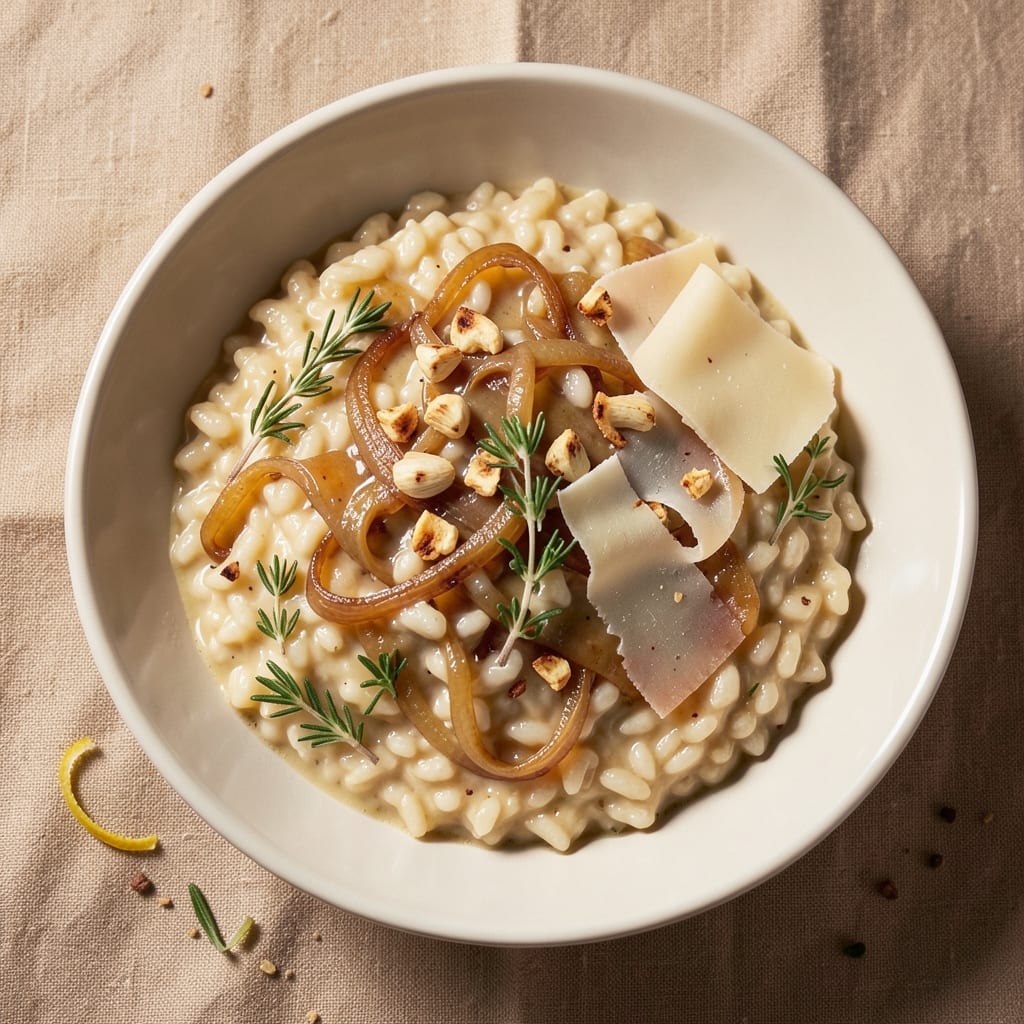
Transform your aroma rice cooker risotto recipe into a restaurant-worthy masterpiece with this effortless parmesan-infused method—delivering velvety creaminess with minimal effort. The secret lies in leveraging your Aroma rice cooker's built-in aroma function to infuse the broth with garlic and herbs, creating depth of flavor that turns simple Arborio rice into velvety perfection. No constant stirring required—just set it and let the rice cooker do the work while you focus on prepping the perfect parmesan finishing touch.
What sets this method apart is the rice cooker's ability to maintain precise heat control, ensuring each grain absorbs just the right amount of liquid to achieve that signature al dente texture with a luxurious, creamy finish. The parmesan infusion not only adds rich umami flavor but also creates that signature risotto body without the need for heavy cream. By the time your rice cooker signals "done," you'll have a pot of golden, creamy risotto ready to be elevated with fresh herbs and a final grating of parmesan.
Ingredients for aroma rice cooker risotto
Simple ingredients that turn your rice cooker into a risotto masterpiece—no stirring required.
| Ingredient | Amount | Notes |
|---|---|---|
| Arborio Rice 🍚 | 1 ½ cups | Unrinsed, medium grain preferred |
| Vegetable Broth 💧 | 4 cups | Low-sodium preferred, homemade or quality store-bought |
| Parmesan Cheese 🧀 | 1 cup | Freshly grated, high-quality preferred |
| Garlic Cloves 🧄 | 4 cloves | Minced, fresh preferred |
| Shallots 🧅 | 2 whole | Finely chopped, substitute with 2 tbsp onion if needed |
| Fresh Thyme 🌿 | ¼ cup | Leaves only, finely chopped |
| Dry White Wine 🍷 | ½ cup | Substitute with extra broth if unavailable |
| Unsalted Butter 🧈 | 4 tbsp | Cold, cut into small pieces |
| Extra-Virgin Olive Oil 🫒 | 2 tbsp | For initial sautéing |
| Salt 🧂 | 1 ½ tsp | Kosher or sea salt, adjust to taste |
| Black Pepper 🌶️ | ½ tsp | Freshly ground preferred |
| Fresh Lemon Juice 🍋 | 1 tbsp | Brightens the final flavor |
| Fresh Parsley 🌿 | ¼ cup | Chopped, for garnish |
The Arborio rice is your secret weapon here—its high starch content is what creates that signature creamy texture. Look for medium-grain Arborio at Italian markets or the international aisle of larger grocery stores like Whole Foods or Trader Joe's. The Parmesan makes or breaks this dish, so skip the pre-grated stuff—it's full of anti-caking agents that ruin the texture. Grab a wedge and grate it yourself. For the broth, homemade is ideal, but store-bought works in a pinch—just check the sodium content. The shallots add sweetness without overpowering, and fresh thyme gives that earthy depth that jarred seasonings can't match.
No white wine? Substitute with extra broth plus a splash of lemon juice—it won't be identical, but you won't taste the difference. Fresh thyme hard to find? Dried thyme at one-third the amount works, but it's not the same. Want to make this vegan? Swap the Parmesan for nutritional yeast plus vegan Parmesan, and use vegetable broth. The butter is essential for richness, but if you're dairy-free, vegan butter or coconut oil works in a pinch. For the garlic, fresh is non-negotiable—jarred minced garlic has a metallic taste that ruins everything. If you're in a hurry, peel and chop all your veggies before you start—this is a set-it-and-forget-it recipe, and you don't want to be chopping mid-cook.
This risotto reheats beautifully—just add a splash of broth and warm through. Keeps for 3-4 days in the fridge, but honestly, it's best the first day. Freeze portions for up to 3 months if you're making a big batch. The rice cooker does all the work, but the final step—folding in that creamy Parmesan butter mixture—is where the magic happens. Don't skip it. Store your Parmesan wedge wrapped in parchment paper in the fridge for up to 2 weeks, and keep your Arborio rice in an airtight container to maintain freshness for months.
Why You'll Love This Recipe
- No-Stir Magic: I swear by this method—just dump the Arborio rice, broth, and shallots into the rice cooker, set it to "aroma mode," and walk away. The rice cooks itself while the broth infuses that deep, savory flavor without a single spoonful of effort from me.
- Umami Bomb: That crispy Parmesan crust on top? Oh, it’s real. The garlic and shallots caramelize right in the broth, turning this into a rich, nutty, cheesy dream that tastes like it simmered for hours—even though it didn’t.
- Weeknight to Dinner Party: Honestly, this is my lazy Sunday lunch and my "impress the in-laws" dish. Same recipe, different vibes—add a splash of white wine for fanciness or keep it simple with just the broth for a quick weeknight fix.
- Budget Luxury Leftovers: Arborio rice is cheap, veggie broth stretches forever, and Parmesan goes a long way when you’re scraping the rind. Reheat with a little extra broth, and it’s still creamy and delicious—no takeout needed, no wallet guilt.
Step-by-step instructions for creamy Parmesan risotto
Your rice cooker just became the secret weapon for restaurant-quality risotto.
Sauté the Aromatics Until Fragrant
Heat the 2 tablespoons extra-virgin olive oil in the rice cooker's inner pot over medium heat. Add the 2 whole shallots and 4 cloves garlic cloves, stirring constantly for 3-4 minutes until the shallots soften and become translucent. You'll smell that sweet, mellow aroma—this is your foundation.
Next, add the 0.25 cup fresh thyme and cook for another 30 seconds until the leaves release their piney scent. Here's the thing—don't let the garlic burn. It should smell amazing but not bitter. If it starts to darken too quickly, reduce the heat slightly and keep stirring. This step builds all the flavor that'll carry through your risotto.
Toast the Arborio Rice
Add the 1.5 cups arborio rice to the pot and stir to coat it completely in the aromatic oil. Toast the rice for 2-3 minutes until it becomes slightly translucent at the edges. This step is crucial—it develops the nutty flavor in the rice and prevents a bland final product.
I like to press down gently on the rice with a wooden spoon during the first minute. This ensures even contact with the hot oil and prevents any rice from sticking to the bottom. You'll know it's ready when the rice grains look glossy and the edges start to turn just slightly opaque.
Deglaze with Wine and Add Broth
Pour in the 0.5 cup dry white wine and stir vigorously until completely absorbed. This deglazing step captures all those flavorful browned bits from the bottom of the pot—don't skip it! Once the wine has evaporated completely (about 2 minutes), add 1 cup of the vegetable broth and stir well.
Here's where the magic begins. The rice will start to absorb the broth, but it won't cook completely. This gradual addition is what creates that creamy, al dente texture. I always use a ladle to add the broth in stages—about ½ cup at a time—rather than all at once. This gives you better control over the texture.
Cook to Perfect Al Dente Texture
Set your rice cooker to the "white rice" setting and let it work its magic. The machine will automatically add heat and maintain the perfect cooking temperature. Stir the rice gently every 5 minutes to prevent sticking and distribute the heat evenly.
After about 15 minutes, check the texture. The rice should be tender but still have a slight bite in the center—this is al dente. If it's not quite there, add another ½ cup of vegetable broth and let it cook for another 5 minutes. The key is to keep the rice slightly undercooked at this stage because it will continue to absorb liquid and soften as it rests.
Finish with Butter, Cheese, and Fresh Herbs
Once the rice is al dente, turn off the rice cooker and let it sit for 2 minutes to allow any remaining steam to cook the rice through. Then, add the 4 tablespoons unsalted butter and 1 cup parmesan cheese, stirring vigorously until melted and creamy. The butter adds richness while the cheese brings that salty, umami depth.
Finally, stir in the 1 tablespoon fresh lemon juice and 0.25 cup fresh parsley. The lemon brightens the dish, cutting through the richness, while the parsley adds a fresh finish. Taste and adjust seasoning with salt and black pepper as needed. Your risotto should be creamy, rich, and perfectly balanced—no need for heavy cream!
Pro Tips For Making Aroma Rice Cooker Risotto
- STIR LIKE YOU MEAN IT: The aroma rice cooker risotto needs constant, aggressive stirring in the early stages—think of it like you’re trying to break up a stubborn clump of wet sand. Once the rice starts absorbing liquid, ease up to a gentle stir, but don’t let it sit idle for more than 30 seconds or you’ll end up with uneven texture.
- TOAST THE SHALLOTS FIRST: Skip the raw onion flavor by cooking the shallots in the rice cooker’s sauté function (or a dry pan) until they’re deep golden, not just soft. This adds a nutty depth that cuts through the creaminess of the Parmesan later—no need to rush, just let them caramelize until they smell like a French bistro.
- DON’T DUMP THE BROTH: Pouring all the vegetable broth in at once is how you end up with sad, mushy rice. Instead, add it in two batches: half at the start, then the rest in 2-3 small additions as the rice drinks it up. The rice cooker’s steam will do the rest, but you’re still in control of the texture.
- FINISH WITH COLD PARMESAN: Grating Parmesan straight from the fridge into the hot risotto makes it clump like a science experiment gone wrong. Instead, let the cheese sit at room temperature for 10 minutes before adding it—it’ll melt smoothly and coat every grain, giving you that restaurant-quality finish without the hassle.
Wine and beer pairings for aroma rice cooker risotto
White Wine Pairings
This creamy risotto pairs beautifully with a crisp Sauvignon Blanc from New Zealand or Loire Valley—its bright acidity and citrus notes cut through the richness perfectly. I love a bottle of Cloudy Bay or Sancerre for that zesty balance. Avoid heavy, oaky whites that would overpower the delicate parmesan and thyme flavors. 🍷
Light Red Options
For a red wine lover, a light-bodied Pinot Noir from Oregon or Burgundy works wonderfully. The earthy notes complement the thyme, while the acidity keeps the dish from feeling too heavy. Look for a Willamette Valley Pinot with bright cherry flavors. Avoid bold reds like Cabernet Sauvignon—they'll clash with the creamy texture.
Beer Pairings
A crisp Italian lager like Peroni or Birra Moretti is my go-to beer pairing. The light carbonation and subtle maltiness cleanse your palate between bites. For craft beer enthusiasts, a Belgian witbier with its citrusy notes and coriander adds an interesting contrast to the parmesan. Avoid heavy stouts or IPAs—they'll overpower this delicate dish.
Non-Alcoholic Options
For a refreshing non-alcoholic pairing, try a sparkling Italian soda like San Pellegrino Aranciata or a homemade sparkling lemonade with fresh thyme. The effervescence helps cut through the richness while complementing the dish's herbal notes. A chilled green tea with a hint of lemon also works beautifully for a lighter option. 💧
Wine Storage Tips
If you're using wine in the recipe, save a small portion for drinking—it's the perfect complement! Store your wine properly: reds at 55-65°F and whites at 45-55°F in a cool, dark place. I keep my wine in a Vinebox subscription for convenience, but a basic wine fridge works too. Never store wine in the fridge long-term—it dulls the flavors over time.
Serving Temperature
Serve your wine at the right temperature for optimal enjoyment. White wines should be served chilled at 45-50°F, while reds are best at 60-65°F. For the perfect pour, use a Riedel or Zalto glass—they enhance the wine's aromas and flavors. The right temperature brings out the wine's complexity, making each sip complement the risotto perfectly. ✨
Nutrition facts
Frequently asked questions
Can I use regular white rice instead of Arborio?
Regular white rice won't work—it lacks the high starch content that creates risotto's signature creamy texture. Arborio rice is essential for this recipe. If you're out of Arborio, try Carnaroli rice, which has a similar starch profile and works beautifully in rice cookers.
How do I know when the risotto is done in a rice cooker?
Your risotto is perfect when the rice is tender but still has a slight bite in the center—this is called al dente. The rice cooker will signal "done," but check the texture after 15-18 minutes. If it's still firm, add another ½ cup broth and let it cook for 5 more minutes.
What if I don't have white wine for deglazing?
No problem! Substitute with ½ cup vegetable broth plus 1 tablespoon lemon juice—it won't be identical, but the flavor won't suffer. The key is to use an acidic liquid to lift the aromatics from the bottom of the pot. If you're making a large batch, you can even use dry vermouth for a more complex flavor.
Can I make this risotto ahead of time?
Yes, but with a few adjustments. Cook the risotto as directed, then let it cool completely. Store in an airtight container in the fridge for up to 3 days. To reheat, add 2 tablespoons broth per cup of risotto and warm through gently on low heat. The texture will be slightly firmer, but adding a splash of warm milk or broth helps restore creaminess.
Why does my risotto turn out dry or gummy?
Dry risotto usually means you added too much broth or overcooked it. Gummy texture happens when the rice absorbs too much liquid at once. The solution? Add broth gradually—½ cup at a time—and stir frequently. Also, check your rice cooker's setting: some models cook faster than others. If needed, reduce the heat slightly or add broth in smaller increments.