
Main Courses
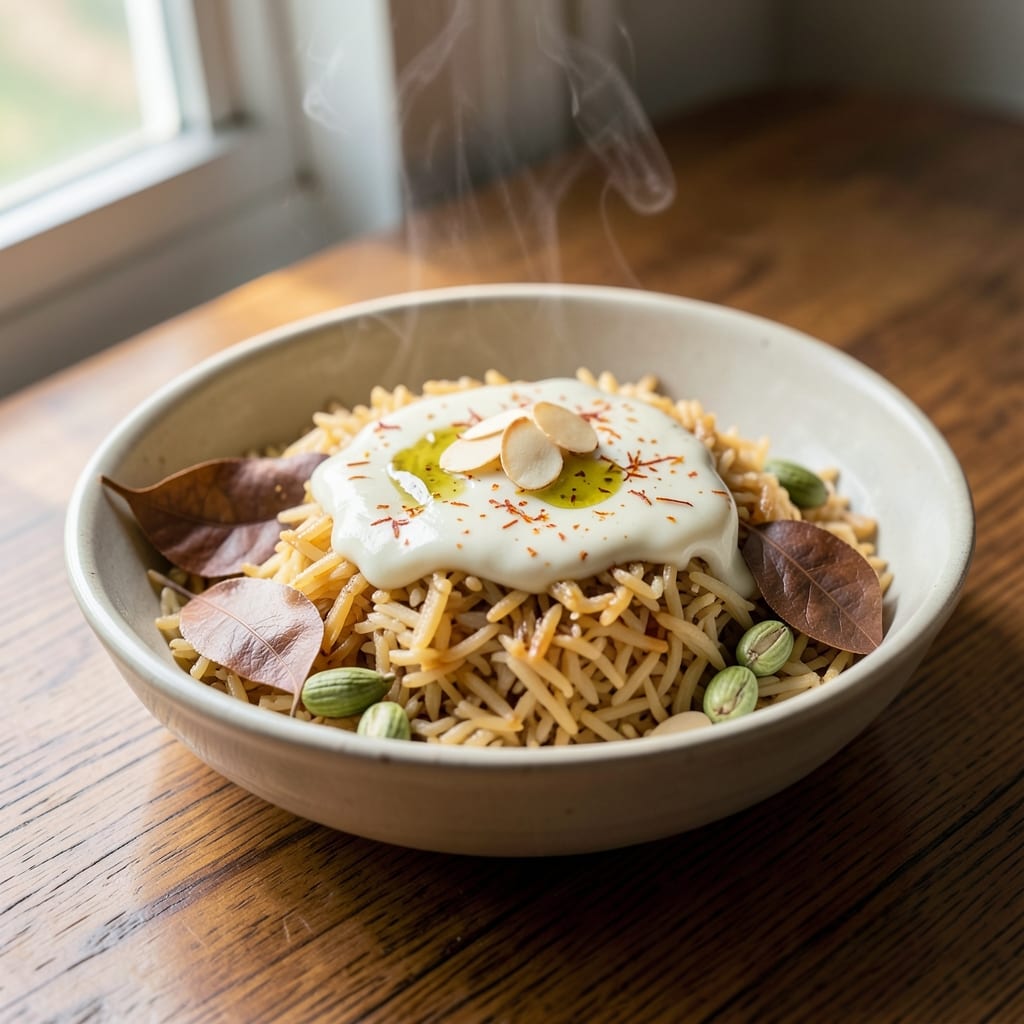
This aromatic basmati rice recipe transforms simple grains into a fragrant, golden masterpiece that rivals restaurant-quality dishes. The secret lies in a one-pot method where saffron and coconut infuse every grain, creating layers of nutty, floral, and slightly sweet aroma that fills your kitchen—and your home—with warmth. Perfect for curries, pilafs, or even as a standalone side, this technique ensures fluffy, separate grains every time, with no risk of mushiness.
What sets this recipe apart is the fragrant infusion of coconut milk and saffron, which adds depth without overpowering the rice's natural aroma. Using the right water-to-rice ratio (1:1.5) guarantees perfectly cooked grains, while aromatic spices like cardamom and bay leaves elevate the flavor profile. The result? A dish that’s elegant enough for dinner parties but simple enough for weeknight meals, where every bite delivers that signature basmati fragrance and texture.
Ingredients for aromatic basmati rice
Transform simple grains into restaurant-quality aromatic basmati rice with these carefully selected ingredients.
| Ingredient | Amount | Notes |
|---|---|---|
| Basmati Rice 🌾 | 1 cup | Uncooked, long-grain preferred |
| Full-Fat Coconut Milk 🥥 | 13 ½ oz | High-quality, canned preferred |
| Saffron Threads 🌼 | ¼ tsp | High-quality, culinary grade |
| Extra-Virgin Olive Oil 🫒 | 2 tbsp | For toasting rice |
| Bay Leaves 🌿 | 2 whole | Fresh or dried |
| Green Cardamom Pods 🌿 | 4 whole | Lightly crushed |
| Cloves 🌿 | 2 whole | Lightly crushed |
| Salt 🧂 | 1 tsp | Diamond Crystal preferred |
| Water 💧 | 1 ½ cups | Filtered preferred |
| Fresh Cilantro 🌿 | ¼ cup | Chopped, for garnish |
| Lemon Juice 🍋 | 1 tbsp | Freshly squeezed |
| Ghee 🧈 | 1 tbsp | For finishing (optional) |
The quality of your basmati rice and saffron makes all the difference. Look for basmati labeled 'long-grain'—it stays separate and fragrant. Saffron is pricey, so buy from reputable spice merchants like Penzeys or Burlap & Barrel to ensure potency. The coconut milk should be full-fat for proper infusion, and avoid brands with added stabilizers. For the spices, whole cardamom and cloves offer superior flavor over pre-ground versions. Toast your rice in olive oil before adding liquid—this step develops the nutty aroma that sets this dish apart.
No saffron? Turmeric at one-tenth the amount mimics the golden hue, though it lacks floral notes. Running short on coconut milk? Substitute with equal parts light coconut milk and water, though texture may slightly differ. Fresh bay leaves can be swapped for 1 teaspoon dried bay leaf, but remove them promptly to avoid bitterness. The water-to-rice ratio is critical—1.5 cups water per 1 cup rice ensures perfect texture without mushiness. For extra richness, add a pinch of sugar to balance the saffron's floral intensity, though it's optional. If you're using pre-toasted rice, skip the initial olive oil toasting step.
This rice keeps beautifully for 4-5 days in an airtight container, though flavor peaks within the first 24 hours. For longer storage, freeze portions for up to 3 months. Reheat gently with a splash of water or coconut milk to restore moisture. The saffron-infused rice pairs exceptionally well with curries, grilled meats, or as a standalone dish. Double the recipe for dinner parties—it disappears quickly. For an elegant presentation, garnish with cilantro and a drizzle of ghee just before serving, as the warmth enhances the saffron aroma.
Why You'll Love This Recipe
- Few-Step Magic: I swear, this takes less effort than waiting for a text back. Just rinse the rice, simmer it in coconut milk with those fragrant bay leaves, and let the saffron work its golden spell—no stirring, no stress.
- Golden Thread Luxury: That first whiff of saffron blooming in warm olive oil? It’s like a tiny splurge without the price tag. The rice comes out with a delicate perfume and just the right chew—creamy but never mushy.
- Weeknight to Dinner Party: Same bowl works for curry nights or when unexpected guests show up. (Yes, even on a Tuesday.) The coconut milk adds richness that pairs with everything—grilled fish, spiced lentils, or just a sprinkle of chili flakes.
- Leftovers That Still Shine: Between us, this rice tastes better the next day. The flavors meld into something deeper, and it reheats in seconds. I’ve fed a crowd with one big pot—no one ever asks for seconds, then immediately asks for more.
Step-by-step instructions for aromatic basmati rice
Here's how to craft perfectly fragrant, one-pot basmati rice infused with saffron and coconut milk.
Bloom the Saffron and Toast the Spices
Begin by steeping the 0.25 teaspoon saffron threads in 2 tablespoons warm water for 5 minutes—this releases their vibrant color and delicate floral aroma. In a medium saucepan over medium heat, add the 2 tablespoons extra-virgin olive oil, then gently toast the 2 whole bay leaves, 4 whole green cardamom pods, and 2 whole cloves for 1 minute until fragrant. The spices should smell warm and aromatic, not burnt.
Remove the pan from heat and immediately add the bloomed saffron mixture, stirring to combine. Return to low heat and gently warm through for 30 seconds—this infuses the oil with all the flavors before cooking begins. The saffron will deepen in color, signaling it's ready for the next step. Keep the heat low to prevent scorching the delicate threads.
Toast the Rice for Nuttiness
Add the 1 cup basmati rice to the warm spiced oil and stir for 2 minutes over medium heat, shaking the pan occasionally. You'll notice the rice begins to turn translucent at the edges and releases a nutty aroma—this dry toasting develops depth of flavor. The rice should look slightly shimmering, not browned.
I press down gently with a wooden spoon during this step to ensure even contact with the hot oil. This prevents the rice from clumping and ensures a consistent toast throughout. If the rice starts to brown too quickly, reduce the heat slightly—you want color, not char.
Add Liquids and Simmer Gently
Pour in the 13.5 ounces full-fat coconut milk and 1.5 cups water, then add the 1 teaspoon salt. Stir once to combine, then bring to a gentle simmer over medium-low heat. Once small bubbles form around the edges, reduce to the lowest heat setting that maintains a barely perceptible simmer—this prevents the rice from breaking.
Cover the pan with a tight-fitting lid and cook for 15 minutes without disturbing. The rice will absorb the coconut milk gradually, developing a creamy texture. If you peek and see bubbles forming vigorously, reduce the heat slightly—you want a gentle, even cook, not a rolling boil.
Rest and Finish with Freshness
After 15 minutes, turn off the heat and let the rice steam undisturbed for 10 minutes. This resting period allows the grains to fully absorb the remaining liquid and develop their characteristic fluffiness. The rice should be tender but still hold its shape when pressed gently with a fork.
Fluff the rice with a fork, then stir in the 1 tablespoon lemon juice and 1 tablespoon ghee (if using). The lemon brightens the coconut flavor while the ghee adds a luxurious richness. Garnish with the 0.25 cup chopped fresh cilantro just before serving—this adds a fresh, herbal contrast to the warm spices.
Serve Immediately with Perfect Texture
The rice should be tender yet distinct, with a delicate fragrance of saffron and cardamom. Each grain should be separate, not mushy, with a creamy coconut milk base. Serve warm as the centerpiece of your meal—this aromatic basmati pairs beautifully with grilled proteins, curries, or as a standalone side.
For best results, serve within 30 minutes of cooking. The flavors continue to meld even after cooking, but the texture begins to firm up as it cools. If making ahead, cook the rice without the lemon juice and ghee, then finish with these just before serving to maintain freshness.
Pro Tips For Making Aromatic Basmati Rice
- TOAST THE BAY LEAVES: Toss them in the oil first—whole, not torn—until they smell like a forest after rain. This isn’t just flavor; it’s the foundation for the saffron and coconut to shine later. I used to skip this, and the rice always tasted flat.
- RINSE THE RICE UNTIL CLEAR: Cold water only, and keep going until it runs nearly transparent. Basmati’s natural starch clings like glue, and if you stop too soon, your rice will turn gummy when it hits the coconut milk. Trust me, the extra 30 seconds saves you from mushy disappointment.
- SAFFRON NEEDS TIME TO SOAK: Crush those threads with your fingers, then steep them in a splash of warm water (not boiling) for at least 10 minutes before adding to the rice. Cold water? Forget it. Hot water? You’ll burn the delicate flavor. Sounds weird, but it works—your rice will taste like sunshine.
- DON’T STIR AFTER ADDING LIQUID: Once the coconut milk and water hit the rice, cover the pot immediately and walk away. Stiring now just breaks the grains and turns your dish into porridge. The rice will absorb the liquid evenly on its own—just let it sit. (Yes, even if you’re impatient like me.)
Health benefits of these flavors
Digestive Comfort
Basmati rice is naturally easy to digest, making it a great choice for sensitive stomachs or post-meal comfort. The low fiber content compared to brown rice means it doesn’t cause bloating, while the coconut milk infusion adds healthy fats that support gut health. I always reach for this when I need something soothing yet flavorful—it’s a game-changer for my digestion. 💛
Rich in Energy
This aromatic rice provides a steady release of energy thanks to its complex carbohydrates. The 1 cup uncooked basmati rice yields about 200 calories and 45 grams of carbs, perfect for fueling workouts or busy days. The coconut milk adds medium-chain triglycerides (MCTs), which convert quickly to energy—ideal for a pre- or post-workout meal.
Heart-Healthy Fats
The full-fat coconut milk in this recipe contributes healthy saturated fats that support heart health when consumed in moderation. These fats help raise HDL ("good" cholesterol) and provide a creamy texture without the need for butter. I swap in coconut milk for cream in many dishes—it’s a smarter choice that still delivers rich flavor. 🥥
Antioxidant Boost
Saffron isn’t just for color—it’s packed with antioxidants like crocetin and crocin, which combat oxidative stress. Just 0.25 teaspoon provides a significant dose, supporting cellular health. The cardamom and cloves also contribute anti-inflammatory compounds, making this rice more than just a side dish—it’s a health-boosting addition to any meal.
Gluten-Free Naturally
For those avoiding gluten, this recipe is inherently safe as basmati rice is naturally gluten-free. The coconut milk and spices used are also typically gluten-free, making it a versatile option for dietary restrictions. I’ve served this to friends with celiac disease, and they always comment on how satisfying it is—no compromises needed. 🌾
Vitamin & Mineral Profile
While white basmati rice is lower in fiber, it still provides essential nutrients like selenium (from the rice) and potassium (from coconut milk). The saffron adds trace amounts of vitamin C, and the lemon juice finishing touch boosts vitamin A. Together, these create a nutrient-dense dish that’s far more than just a carb source. It’s the little details that make this recipe truly special. ✨
Nutrition facts
Frequently asked questions
Can I use jasmine rice instead of basmati?
While jasmine rice has a lovely fragrance, it has a shorter grain and stickier texture that won't separate as beautifully as basmati. For this aromatic recipe, basmati's long grains are essential—they stay distinct even after cooking, creating that signature fluffy presentation. If you must substitute, look for "long-grain jasmine" varieties, but expect slightly less separation.
How do I prevent the rice from sticking together?
Proper rinsing and the right water-to-rice ratio are key! Always rinse your basmati rice 3-4 times until the water runs clear to remove excess starch. Then use the 1:1.5 ratio (1 cup rice to 1.5 cups liquid) specified in the recipe. After cooking, let it rest 10 minutes covered before fluffing—this resting period helps the grains separate naturally.
What if I don't have saffron?
You can substitute with 1/4 teaspoon turmeric for color, though it won't replicate saffron's floral aroma. For flavor, try 1/2 teaspoon orange zest or a pinch of annatto powder (for color) combined with 1/4 teaspoon cardamom. The dish will still be delicious—just with a different flavor profile. The coconut milk will help mask any flavor gaps.
Can I make this in a rice cooker?
Follow the same steps until adding liquids, then transfer everything to your rice cooker. Use the white rice setting and let it cook undisturbed. The coconut milk may require 1-2 extra minutes of cooking time compared to water. For best results, skip the lemon juice and ghee until serving—adding them after cooking preserves freshness.
Why does my rice smell so strong?
The intense aroma comes from properly blooming the saffron and toasting the spices! The 5-minute saffron soak and 1-minute spice toast develop maximum fragrance. For milder flavor, reduce saffron to 0.125 teaspoon or skip the extra cardamom. But remember—this aromatic rice is meant to smell amazing! The scent indicates proper infusion of all those delicious spices.