
Sauces & Condiments
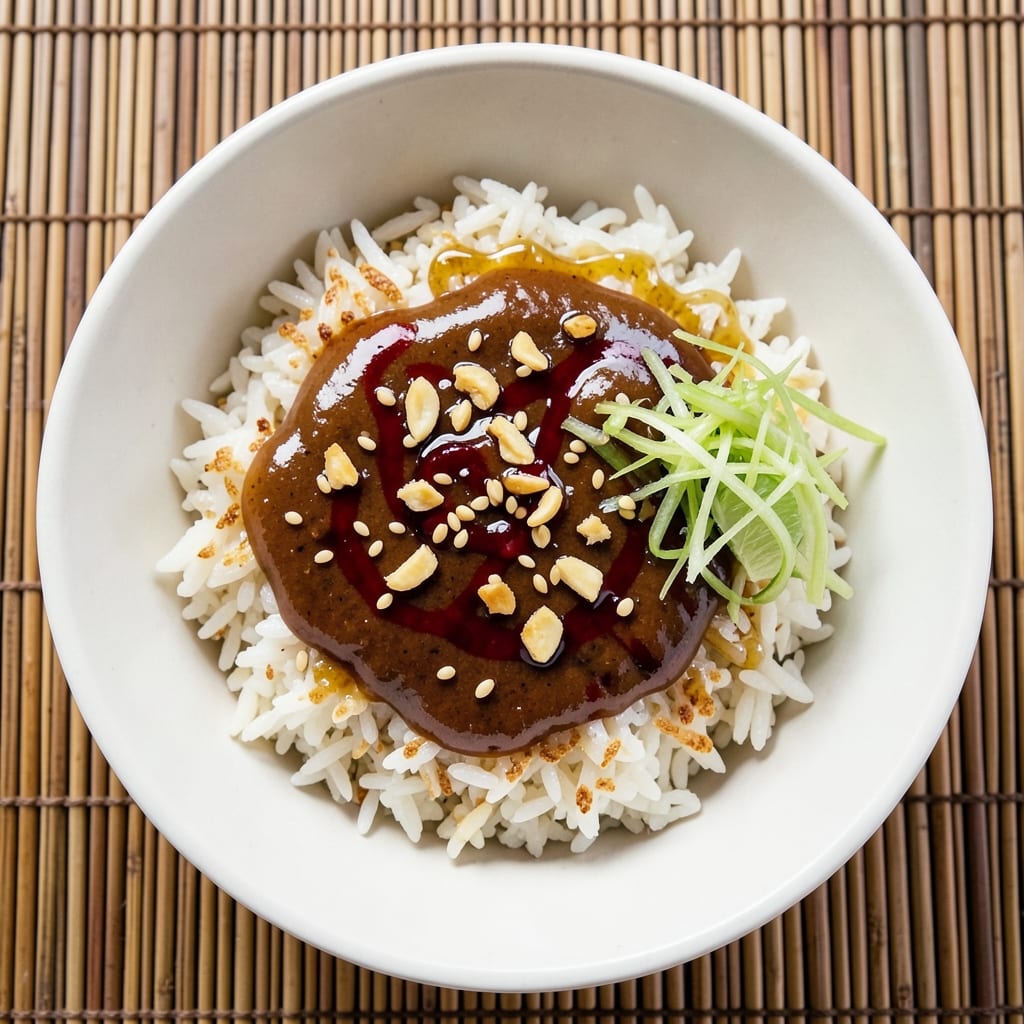
This Asian rice bowl sauce delivers the perfect balance of sweet, spicy, and tangy flavors that elevate any meal. The secret lies in combining soy sauce, sesame oil, and rice vinegar with optional umami boosters like miso or fish sauce—creating a versatile sauce that works with rice bowls, noodles, or grilled proteins.
With just a few simple ingredients, you'll craft a sauce that's rich yet light, packed with layers of flavor without overpowering your dish. The key is achieving harmony between the salty, sweet, and acidic notes, resulting in a sauce that's both restaurant-quality and easy to make at home.
Ingredients for asian rice bowl sauce
Just ten ingredients transform into this umami-packed sauce that takes rice bowls to the next level.
| Ingredient | Amount | Notes |
|---|---|---|
| Soy Sauce 🥢 | ½ cup | Use light or dark soy sauce |
| Sesame Oil 🫒 | 2 tbsp | Toasted sesame oil preferred |
| Rice Vinegar 🍶 | ¼ cup | White or seasoned rice vinegar |
| Sesame Seeds 🌰 | 1 tbsp | Toasted for garnish and flavor |
| Honey 🍯 | 2 tbsp | Or sub maple syrup for vegan |
| Fresh Ginger 🧅 | 1 tbsp | Grate finely for zing |
| Garlic Cloves 🧄 | 2 cloves | Minced or pressed for flavor |
| Sriracha 🌶️ | 1 tbsp | Adjust for heat preference |
| Vegetable Oil 🫒 | 1 tbsp | Light oil for blending |
| Salt 🧂 | ½ tsp | Kosher or sea salt |
The soy sauce is the flavor foundation—Kikkoman or La Choy are solid choices, but any good-quality brand works. Sesame oil is non-negotiable for that nutty aroma (the toasted kind, not the light variety). Trader Joe's or Asian markets have the best selection. Ginger and garlic? Fresh is ideal, but if you're in a pinch, jarred minced ginger works. Just measure it out—too much and it'll overpower. The honey adds that perfect balance of sweetness, but if you're going vegan, maple syrup does the trick just fine.
No sesame oil? Toasted peanut oil at half the amount gives a similar nutty depth. Short on ginger? Ginger powder at one-third the amount (but fresh is always better). Sriracha too spicy? Swap in gochujang for a milder fermented kick. The rice vinegar can be subbed with apple cider vinegar, but it'll taste slightly different. Want more umami? Add 1 tsp miso paste or fish sauce—just don't overdo it. And if you're making a big batch, double the sesame seeds for garnish—trust me, it's worth it.
This sauce keeps like a dream—1 week in the fridge sealed tight. For longer storage, freeze in ice cube trays, then transfer to a bag. Thaw in the fridge overnight. The sesame oil separates when stored, so give it a quick shake before using. A splash of water or vinegar can help re-emulsify if it gets too thick. I like to make a big batch and keep it on hand for quick meals—it's the secret weapon in my rice bowl rotation.
Why You'll Love This Recipe
- Five-Ingredient Magic: I swear, this sauce comes together while you’re still deciding what to eat for lunch. Just toss soy sauce, sesame oil, rice vinegar, honey, and a sprinkle of toasted sesame seeds—no measuring cups, no fuss. The kind of recipe that makes you wonder why you ever overcomplicated things.
- Umami Bomb: That first drizzle of soy sauce and sesame oil? Instant flavor explosion. The honey cuts the salt just enough to make it dangerously good—bright, nutty, and with a little tang from the rice vinegar that keeps it from being too heavy. Honestly, it’s the kind of sauce that makes you pause mid-bite to appreciate it.
- Bowl Buddy: This isn’t just for rice—it’s the secret weapon for noodles, grilled chicken, or even a quick stir-fry. I’ve used it on cold takeout leftovers, turned it into a marinade, and even glaze for roasted veggies. The best part? It keeps its punch even after sitting in the fridge for days.
- Pantry Staple: Between us, this sauce is the ultimate lazy-day hero. All the ingredients are cheap, last forever, and you’re probably already have them. Mix up a big batch on Sunday, and you’ve got a flavor boost for the week—no last-minute grocery runs, no stress. My wallet and taste buds thank me every time.
Step-by-step instructions for Asian rice bowl sauce
This sauce comes together fast with simple ingredients—just balance flavors and simmer.
Prep Aromatics and Toast Sesame Seeds
Start by peeling and mincing the 2 cloves garlic cloves and grating the 1 tablespoon fresh ginger using a microplane or fine grater. You want tiny pieces that dissolve completely—no chunks. In a small dry skillet over medium-low heat, toast the 1 tablespoon sesame seeds for 1-2 minutes until they turn golden and smell nutty. Watch them closely—they burn fast.
Transfer the toasted sesame seeds to a small bowl and set aside. The aroma will deepen as they cool, adding nutty complexity to your sauce. Keep the skillet warm for the next step—you'll reuse it.
Sauté Garlic and Ginger in Oil
Return the skillet to medium heat and add 1 tablespoon vegetable oil. Once shimmering, add the minced garlic and ginger. Sauté for 30-45 seconds until fragrant—you should smell that bright, zesty garlic-ginger punch. Be careful not to let them brown, or they'll turn bitter.
I like to press down gently with a wooden spoon during the first 10 seconds to help release their oils. This ensures maximum flavor extraction before they cook further. Remove the skillet from heat and let the aromatics cool slightly—this prevents them from cooking when you add the wet ingredients.
Combine Wet Ingredients
In a medium saucepan, whisk together the 0.5 cup soy sauce, 0.25 cup rice vinegar, and 2 tablespoons honey until the honey dissolves completely. Add the 1 tablespoon Sriracha and stir to combine. The mixture should look smooth and slightly thickened from the honey.
Pour in the sautéed garlic-ginger mixture and bring to a gentle simmer over medium-low heat. Add the 0.5 teaspoon salt and stir. Let it simmer for 3-4 minutes until slightly reduced and glossy. You're looking for a sauce that coats the back of a spoon but still flows easily.
Finish with Sesame Oil and Seeds
Remove the sauce from heat and stir in the 2 tablespoons sesame oil. This adds depth and richness—don't skip it. The sauce will look slightly oily, which is perfect for drizzling over rice bowls. Taste and adjust seasoning: need more tang? Add a splash of rice vinegar. Too sweet? A tiny bit more soy sauce balances it.
Let the sauce sit for 5 minutes before serving—this allows all the flavors to meld together. The sesame seeds you toasted earlier can be sprinkled on top right before serving for extra texture and aroma. This sauce keeps well in the fridge for up to 5 days, making it perfect for meal prep!
Pro Tips For Making Asian Rice Bowl Sauce
- STIR AT THE END: Whisk everything together after removing from heat—sesame oil burns fast, and you’ll regret that bitter char in your sauce. Just a quick 10-second mix is enough to distribute the honey and vinegar evenly without risking smoke.
- USE COLD SESAME OIL: Add the sesame oil last and mix it in gently—it’s delicate stuff. If you heat it up first, it’ll turn bitter and overpower the whole dish. Think of it like adding perfume: a little goes a long way, and you want it to shine, not fight.
- MEASURE HONEY BY WEIGHT: That sticky golden syrup varies wildly by brand. Use a kitchen scale for 15–20g (about 1 tablespoon) instead of eyeballing it—too much and your sauce turns cloying; too little and the sweetness gets lost in the soy. I learned this after making three bowls where the honey either dominated or vanished.
- TOAST SESAME SEEDS FIRST: Pop them in a dry pan for 30 seconds until they’re fragrant and just starting to brown—this cuts through the soy’s saltiness and adds depth. Skip this, and you’re just sprinkling dry seeds on top of a flat sauce. (Yes, even if you’re impatient like me.)
Essential equipment for great asian rice bowl sauce
Small Saucepan
I always use a small 1-2 quart saucepan for this recipe—it gives you enough room to stir without spilling while keeping the sauce concentrated. A stainless steel saucepan like the All-Clad Stainless is ideal because it heats evenly and won’t react with acidic ingredients like rice vinegar. If you’re on a budget, a Cuisinart MultiClad works perfectly too. Avoid nonstick pans for this sauce—they don’t distribute heat well, which can cause uneven cooking and flavor development. 🔥
Microplane Grater
A microplane grater is a game-changer for this sauce, especially for the ginger. It creates ultra-fine shreds that blend smoothly without adding texture. My go-to is the OXO Good Grips Microplane—it’s durable, easy to clean, and gives consistent results every time. If you don’t have one, a box grater with fine holes works in a pinch, but you’ll need to press harder to get the same level of fineness. Pro tip: Always grate ginger fresh for the brightest flavor.
Small Whisk
For blending the sauce ingredients, a small whisk (about 6-8 inches) is perfect for combining everything smoothly. I prefer the Mercer Culinary Genesis Whisk because it’s lightweight yet sturdy, and the wire design ensures no lumps remain. If you’re making a larger batch, a small silicone spatula can help scrape up any stuck-on bits from the sides of the pan. Avoid metal spoons—they can scratch nonstick pans if you’re using one, and they’re less precise for whisking.
Measuring Spoons
Precision is key with this sauce, especially for ingredients like sesame oil and Sriracha. Invest in a set of stainless steel measuring spoons—I recommend the OXO Good Grips set—they’re easy to read and won’t rust. For the sesame seeds, a 1-tablespoon measure ensures you toast the right amount without overdoing it. If you’re measuring wet ingredients like honey or rice vinegar, use the spoons directly in the saucepan to avoid spills. A small ladle can also help pour liquids cleanly into the pan. 💡
Air-Tight Container
For storing your sauce, an airtight container is non-negotiable to keep flavors fresh and prevent contamination. I use glass Pyrex storage containers with snap-on lids—they’re microwave-safe, freezer-friendly, and easy to clean. If you’re making a big batch, a quart-sized container gives you enough space for leftovers. For freezing, transfer the sauce to silicone ice cube trays before moving to a freezer bag—this makes it easy to thaw just what you need. Label your containers with the date to track freshness.
Optional: Immersion Blender
If you prefer your sauce completely smooth, an immersion blender can help blend any lumps out of the sauce after cooking. The Ninja BN601 is a reliable choice—just pulse briefly to avoid over-blending, which can make the sauce watery. This is especially useful if you’re using jarred ginger or garlic, which can sometimes be grainy. Skip this step if you like a slightly textured sauce—it’s not required, but it’s a handy tool for perfectionists like me. 💫
Nutrition facts
Frequently asked questions
Can I make this sauce without sesame oil?
Yes, but you'll lose that signature nutty aroma. Try toasted peanut oil at half the amount (1 tbsp) or add 1 tsp toasted sesame seeds directly to the saucepan during the last minute of simmering. For a completely oil-free version, blend 1 tbsp tahini with 1 tsp water and stir it in at the end.
How spicy should the sauce be?
The 1 tbsp Sriracha gives a mild kick—adjust to taste! For less heat, reduce to ½ tbsp or swap for gochujang (1 tbsp) for fermented depth without spice. If you love heat, add ½ tsp red pepper flakes during the final simmer. Always taste before serving.
Can I use this sauce on other dishes besides rice bowls?
This versatile sauce works beautifully on grilled chicken, salmon, or tofu, noodles, and even as a marinade for 15-30 minutes before cooking. Try drizzling it over ramen, pho, or stir-fried veggies for instant flavor. The balance of sweet, tangy, and umami makes it a pantry staple.
Why does my sauce look too thick after simmering?
This happens when the sauce reduces too much. To fix it, stir in 1-2 tsp warm water while the sauce is still hot. For prevention, simmer for only 3 minutes (not 5) and reduce heat to low once it starts bubbling. If storing, the sauce will thicken further—thin with water when reheating.
Is this sauce gluten-free or vegan?
As written, it contains soy sauce (gluten) and honey (not vegan). For gluten-free, use tamari instead of soy sauce. For vegan, swap honey for maple syrup and ensure your soy sauce is certified gluten-free. The rest of the ingredients are naturally plant-based. Always check labels for hidden additives!