
Sauces & Condiments
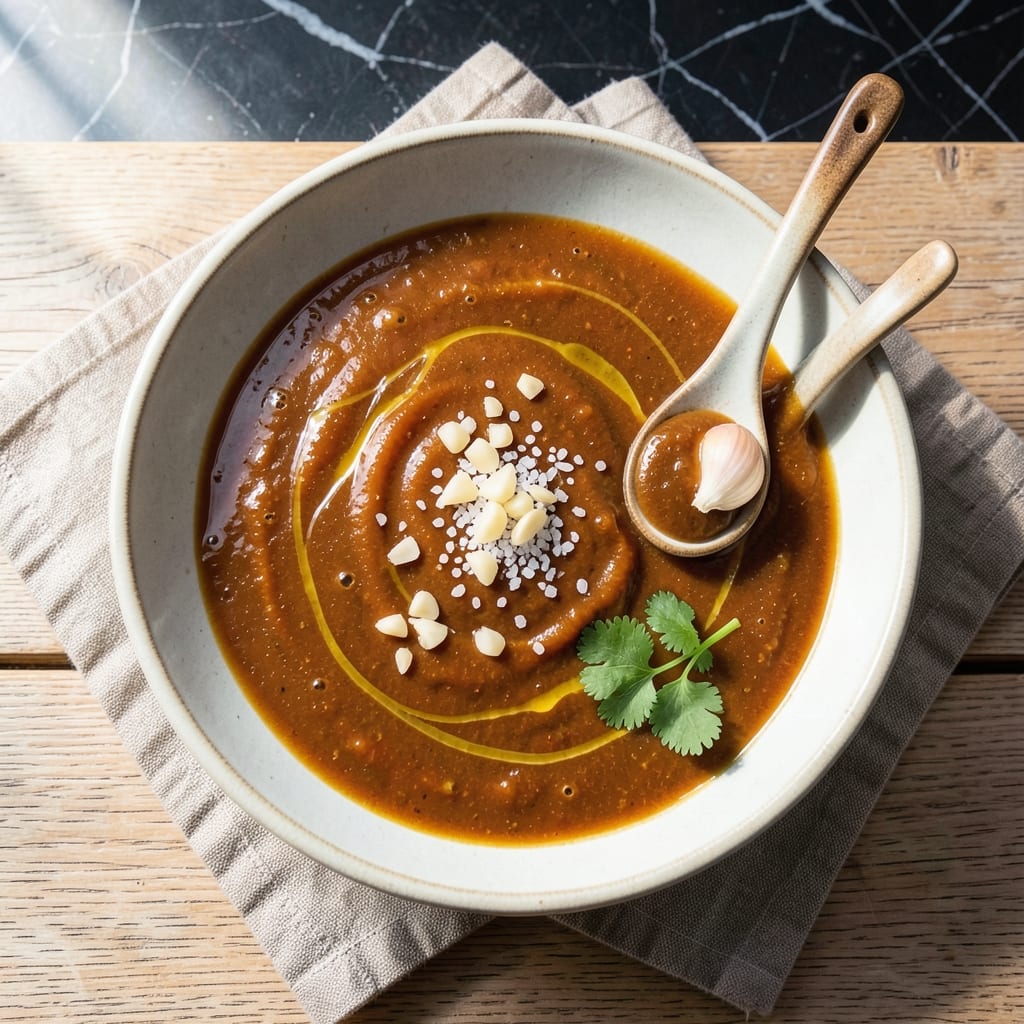
This Asian rice sauce recipe transforms simple pantry staples into a versatile, umami-rich sauce that elevates stir-fries, marinades, and dipping sauces in just 10 minutes. The secret lies in balancing rice vinegar’s tang, fish sauce’s depth, and a touch of sugar to harmonize flavors—no complex techniques required. Perfect for home cooks who crave restaurant-quality results without the fuss, this sauce delivers bold, balanced flavor with minimal effort.
Simmering the ingredients creates a glossy, concentrated sauce that clings to proteins and vegetables, adding layers of savory-sweet complexity. Whether you need a quick stir-fry base, a tangy marinade, or a dipping sauce for spring rolls, this recipe adapts effortlessly. The process is straightforward—just combine, reduce, and taste—but the results are undeniably professional. Store it in the fridge for up to a week, ready to transform ordinary meals into extraordinary ones.
Ingredients for asian rice sauce
Nine simple ingredients transform into a restaurant-quality sauce with umami depth and balanced tang.
| Ingredient | Amount | Notes |
|---|---|---|
| Rice Vinegar 🍶 | ½ cup | White or seasoned variety preferred |
| Fish Sauce 🐟 | ¼ cup | Red Boat brand recommended |
| Low-Sodium Soy Sauce 🥢 | ¼ cup | Kikkoman preferred for balance |
| Granulated Sugar 🍚 | 2 tbsp | Adjust to taste for sweetness |
| Sesame Oil 🌿 | 1 tbsp | Toasted sesame oil for aroma |
| Fresh Garlic Cloves 🧄 | 3 cloves | Minced for depth of flavor |
| Fresh Ginger 🌿 | 1 tbsp | Finely grated, peel removed |
| Cornstarch 🌾 | 1 tsp | For thickening consistency |
| Water 💧 | ¼ cup | Adjust for desired thickness |
The Red Boat fish sauce and Kikkoman soy sauce form the umami backbone of this sauce—never substitute with imitation fish sauce or low-quality soy. For rice vinegar, seasoned varieties add subtle sweetness, but white rice vinegar works perfectly if you prefer tangier results. Fresh ginger and garlic should be vibrant and aromatic; if they smell dull, they’re past their prime. Sesame oil is non-negotiable for authentic flavor—toasted varieties add nutty depth that regular sesame oil lacks. Purchase these staples from Asian grocery stores like H Mart or 99 Ranch Market for the freshest quality, or opt for Trader Joe’s for convenient pantry access.
Running short on fish sauce? Coconut aminos (like Coconut Secret) at half the amount mimic the umami profile, though with a slightly sweeter note. No sesame oil? A pinch of toasted sesame seeds stirred in at the end adds subtle nuttiness. The cornstarch slurry (cornstarch + water) is key for glossy texture—arrowroot powder works too. For a vegetarian version, replace fish sauce with 1 tbsp soy sauce + 1 tsp miso paste. The sugar can be swapped for honey or maple syrup, though granulated sugar dissolves most evenly. If your sauce is too thick, add water 1 tsp at a time; too thin? Simmer uncovered to reduce.
This sauce thickens as it cools, so taste and adjust immediately after simmering. Store in an airtight glass jar in the fridge for up to 1 week, or freeze for 3 months in ice cube trays for single-use portions. Label clearly—it’s versatile but not obvious! For longer shelf life, add 1 tsp vinegar before storing. The sauce’s umami depth intensifies over time, making leftovers even more flavorful. Reheat gently on low heat to preserve its glossy texture.
Why You'll Love This Recipe
- Pantry Magic: I swear by this sauce because it’s made with stuff I always have—no special shopping trips needed. That tangy rice vinegar, umami punch from fish sauce, and just a hint of sweetness from sugar? It’s the perfect balance, and I never overthink measurements.
- Umami Bomb: The combo of fish sauce and soy sauce hits different—deep, salty, and just a little funky in the best way. Drizzle it over grilled chicken or noodles, and suddenly everything tastes like it’s from a dim sum cart. (Yes, even on a Tuesday night.)
- Dress-Up Any Dish: This sauce is my secret weapon for lazy nights: toss it with cold noodles, drizzle on a simple salad, or even mix into mayo for a quick sandwich upgrade. It’s the one sauce that makes everything feel fancy without trying too hard.
- Budget Stretch: A little goes a long way, and since it keeps for weeks in the fridge, I’m always saving money. Plus, using low-sodium soy sauce means I can control the saltiness—no waste, no fuss. Honestly, it’s the kind of recipe that makes me feel like I’m cooking like a pro without breaking the bank.
Step-by-step instructions for Asian rice sauce
This sauce comes together faster than you can say "stir-fry." Precision timing and technique ensure a balanced, restaurant-quality result every time.
Prepare the Aromatics
In a small bowl, finely mince the 3 cloves fresh garlic cloves and grate the 1 tablespoon fresh ginger using a microplane or fine grater. The ginger should resemble coarse sand, not chunks. I find using a microplane gives the most surface area for flavor extraction without bitterness.
Heat a small saucepan over medium heat and add the 1 tablespoon sesame oil. Once shimmering but not smoking (about 30 seconds), add the garlic and ginger. Cook for 1-2 minutes until fragrant but not browned—this prevents bitterness. Remove from heat immediately and set aside. The aromatics will continue cooking when combined with the other ingredients.
Combine Base Ingredients
In a medium saucepan, combine the 0.5 cup rice vinegar, 0.25 cup fish sauce, 0.25 cup low-sodium soy sauce, and 2 tablespoons granulated sugar. Bring to a gentle simmer over medium heat, stirring constantly with a wooden spoon to dissolve the sugar completely.
Simmer for 3-4 minutes until the sugar dissolves and the mixture reduces slightly by about 15%. You'll notice the liquid become slightly syrupy and the aroma intensify. This reduction concentrates the flavors and removes any raw vinegar sharpness. Taste at this point—you should detect sweetness, umami, and a touch of acidity.
Incorporate Aromatics and Thicken
Return the garlic-ginger mixture to the saucepan and stir vigorously to combine. Add the 1 teaspoon cornstarch mixed with 0.25 cup water to create a smooth slurry. Stir continuously for 2-3 minutes until the sauce thickens to a glossy, coatable consistency—it should leave a visible trail when drizzled from a spoon.
The sauce is ready when it reaches a light syrup consistency, similar to pancake syrup but slightly thicker. If it's too thin, simmer an additional 30 seconds to 1 minute. Remove from heat immediately to prevent over-thickening, which can make the sauce grainy. The final sauce should coat the back of a spoon smoothly.
Adjust and Rest
Taste the sauce and make final adjustments: Add a pinch more sugar if it needs sweetness, a splash of rice vinegar for acidity, or a drop of fish sauce for umami depth. The balance should be harmonious—sweet, salty, umami-rich, with bright acidity cutting through.
Transfer the sauce to a clean jar and let it rest at room temperature for 10-15 minutes. This allows the flavors to meld completely. The sauce will thicken slightly more as it cools, so don't over-thicken it during cooking. Store in the refrigerator for up to 2 weeks or freeze for 3 months for future use.
Pro Tips For Making Asian Rice Sauce
- STIR CONSTANTLY AT FIRST: The first 30 seconds after mixing vinegar and fish sauce is when the flavors really wake up. I used to let it sit too long before stirring, and the sauce would taste flat—like someone forgot to season it. Keep that spoon moving until the sugar fully dissolves, then you can ease up.
- USE COLD SESAME OIL: Add the sesame oil last, straight from the fridge. I learned this after a batch tasted bitter—turns out heat destroys its delicate aroma. A few drops at room temp is enough; any more and the sauce will taste like perfume. Trust me, your nose will thank you.
- SALT THE SOY SAUCE: Low-sodium soy sauce is a lie—it’s still salty. Taste it before adding to the mix, and adjust the rice vinegar or sugar accordingly. I’ve ruined batches by assuming "low-sodium" means "mild," only to end up with a sauce that hits like a brick wall.
- WHISK THE SUGAR FIRST: Mix the granulated sugar with a splash of warm water before adding it to the vinegar. This prevents clumping and ensures it dissolves smoothly. I used to just toss it in dry, and half the time it’d sit at the bottom like gravel—now it blends in like it was always part of the sauce.
Troubleshooting perfect results
Sauce Too Thin?
If your sauce isn't thickening enough, the issue is usually under-simmering or insufficient cornstarch. First, return the sauce to medium-low heat and simmer uncovered for 1-2 extra minutes, stirring constantly. This evaporates excess moisture naturally. For stubborn thinness, mix ½ teaspoon additional cornstarch with 1 tablespoon cold water, stir into the sauce, and cook for 30 seconds—this creates a stronger slurry. 🌡️
Grainy or Lumpy Texture
Lumps form when sugar or cornstarch isn't fully dissolved. To fix this, whisk the sauce vigorously with a hand mixer for 20 seconds to break up clumps. If the sauce still feels gritty, strain it through a fine-mesh sieve into a clean bowl. For prevention, mix cornstarch with cold water thoroughly before adding to hot sauce—this creates a smooth slurry. Never add dry cornstarch directly to hot liquid.
Overpowering Fish Sauce
If the fish sauce dominates the flavor profile, you've likely used too much or a low-quality brand. Reduce the intensity by adding 1 teaspoon rice vinegar or 1 teaspoon honey to balance. For future batches, start with 2 tablespoons fish sauce instead of ¼ cup, then adjust to taste. Red Boat or Three Crabs brands provide the cleanest umami without overpowering. If the sauce still tastes harsh, dilute with 1 tablespoon water and simmer again to mellow the flavors.
Sauce Too Sweet
Excess sugar can make the sauce cloying. To fix this, add 1 extra tablespoon rice vinegar to cut through the sweetness. For a more dramatic adjustment, simmer the sauce uncovered for 1-2 minutes to evaporate some sugar. To prevent this in future batches, reduce sugar to 1 tablespoon and taste before adding the full amount. If you prefer less sweetness, consider omitting sugar entirely and relying on the natural sweetness of Kikkoman soy sauce.
Flat or Bland Flavor
Blandness usually stems from using old aromatics or skipping the reduction step. Boost flavor by adding ½ teaspoon toasted sesame seeds or a pinch of white pepper at the end. For deeper umami, stir in 1 teaspoon miso paste and simmer for 30 seconds. If your garlic or ginger tasted dull, replace them with fresh ingredients—stale aromatics lose their punch quickly. Always simmer the base ingredients until reduced by 15% to concentrate flavors naturally. 💡
Sauce Separates When Stored
Separation happens when the sauce cools too quickly or oil separates from the liquid. To fix this, gently reheat the sauce over low heat, stirring constantly until fully combined. For prevention, store the sauce in a glass jar (not plastic) and let it cool at room temperature before refrigerating. If oil separation persists, whisk in 1 teaspoon cornstarch slurry before storing. The sauce should remain emulsified if you follow the 10-minute rest time after cooking—this allows ingredients to fully integrate.
Nutrition facts
Frequently asked questions
Can I make this sauce without fish sauce?
Yes! For a vegetarian version, replace the ¼ cup fish sauce with 2 tablespoons soy sauce + 1 teaspoon miso paste. This combo mimics umami depth while keeping the sauce balanced. For a vegan option, use coconut aminos instead of fish sauce and add ½ teaspoon white miso to enhance savory notes.
How long can I store this sauce?
Store in an airtight glass jar in the fridge for up to 2 weeks. For longer storage, freeze in ice cube trays for 3 months—perfect for single-use portions. Label clearly since it resembles other condiments. The sauce actually improves in flavor as it ages, developing deeper complexity.
What are the best ways to use this sauce?
This versatile sauce excels as a stir-fry base, dipping sauce for spring rolls or dumplings, or marinade for grilled meats and tofu. Thin with 1 tablespoon water for saucy dishes, or use as-is for glazes. It also enhances noodle bowls, rice dishes, and even as a finishing drizzle for pho or ramen.
Why does my sauce taste too salty?
Excess saltiness usually comes from using regular soy sauce (not low-sodium) or too much fish sauce. Reduce future batches by using 2 tablespoons fish sauce instead of ¼ cup. To fix an already-made batch, add 1 tablespoon water and simmer for 1 minute to dilute. For immediate balance, stir in ½ teaspoon honey to mellow the saltiness.
Can I make this sauce in a slow cooker?
Yes! Combine all ingredients in a slow cooker on high heat for 1-1.5 hours, stirring occasionally. The low-and-slow method enhances flavor but requires more monitoring to prevent over-reduction. For best results, reduce cooking time to 45 minutes and finish with a quick stove-top simmer to achieve proper thickness.