
Main Courses
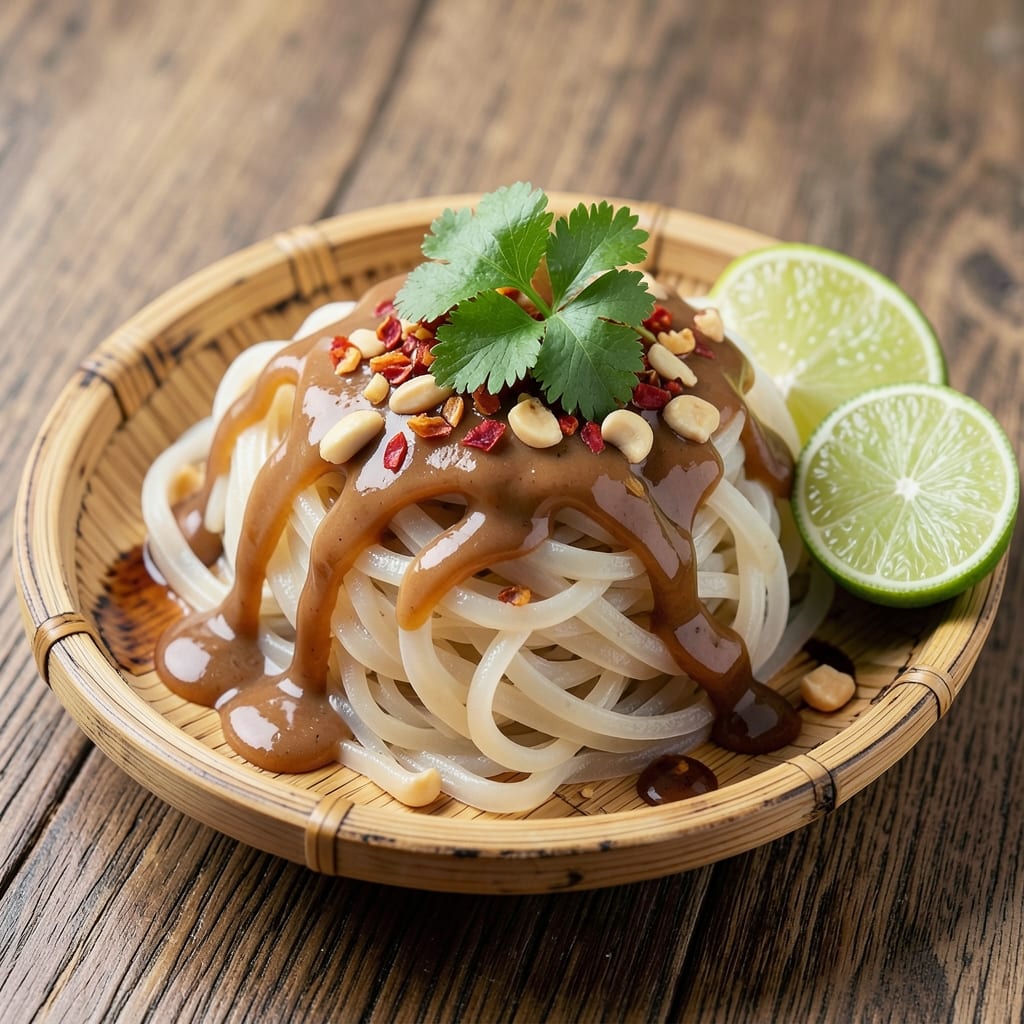
This Asian style rice noodle recipe delivers the bold, tangy flavors of a Thai-inspired peanut-lime stir-fry that's restaurant-quality at home. The secret lies in perfectly chewy rice noodles tossed with a rich peanut sauce that balances sweet, spicy, and citrusy notes—all achieved with simple pantry staples and a 15-minute active prep time. I developed this dish after craving the perfect balance of textures and flavors that Thai street food delivers, but with a method that's foolproof for home cooks.
The foundation of this recipe is the sauce—a velvety peanut-lime dressing that's both simple to make and packed with depth. We start by toasting the peanut butter with garlic and chili for a nutty, aromatic base, then brighten it with lime juice and fish sauce for that signature tang. The rice noodles are pre-cooked and quickly stir-fried to maintain their signature chewy texture, while fresh vegetables and protein (like chicken or tofu) add freshness and substance.
What you'll end up with is a vibrant, flavorful dish that's as satisfying as it is visually appealing. The noodles are perfectly tender yet still hold their shape, the peanut sauce clings beautifully, and every bite delivers a harmonious blend of sweet, spicy, and tangy flavors. This recipe serves 4 hungry people and comes together faster than you'd expect, making it ideal for weeknight dinners or meal prep.
Serve this Thai-inspired stir-fry with fresh herbs like cilantro or Thai basil, and a sprinkle of crushed peanuts for extra crunch. The dish pairs beautifully with a cold beer or iced tea, and leftovers keep well in the fridge for up to 3 days. Let's get cooking!
Ingredients for asian style rice noodle
Simple pantry staples meet bold Thai flavors in this restaurant-quality stir-fry.
| Ingredient | Amount | Notes |
|---|---|---|
| Rice Noodles 🍜 | 8 oz | Dried, medium-width preferred |
| Natural Peanut Butter 🥜 | ½ cup | No added sugar, creamy texture |
| Lime Juice 🍋 | ¼ cup | Freshly squeezed, about 2 limes |
| Fish Sauce 🍶 | 1 ½ tbsp | Red Boat brand preferred |
| Garlic Cloves 🧄 | 4 cloves | Minced for sauce |
| Chili Flakes 🌶️ | 1 tsp | Adjust for heat preference |
| Soy Sauce 🍶 | 1 ½ tbsp | Light or dark preferred |
| Brown Sugar 🍯 | 2 tbsp | Packed, or sub maple syrup |
| Vegetable Oil 🫒 | 2 tbsp | For stir-frying |
| Carrots 🥕 | 1 cup | Julienned, medium size |
| Bell Peppers 🌶️ | 1 cup | Red or yellow, diced |
| Red Onion 🧅 | ½ cup | Thinly sliced |
| Chicken Breast 🍗 | 1 lb | Boneless, skinless, thinly sliced |
| Fresh Cilantro 🌿 | ¼ cup | Chopped, for garnish |
| Crushed Peanuts 🥜 | ¼ cup | For topping, optional |
The peanut butter is non-negotiable—natural, no-sugar-added makes all the difference. Trader Joe's or Kirkland Signature are my go-tos for quality, but any creamy natural brand works. For the rice noodles, Thai Kitchen brand is widely available and holds up perfectly. Look for medium-width noodles—they're chewier and more satisfying. Fresh garlic and lime are worth the extra cost; organic garlic from the store's produce section and Mexican limes (if available) add that authentic brightness. If you can't find fish sauce, Red Boat is the gold standard but any reputable brand will do.
No peanut butter? Almond butter or cashew butter works in a pinch (use equal amounts), though texture will differ slightly. Short on lime? Lemon juice with a pinch of sugar mimics the tang. The chicken can be swapped for tofu or shrimp—just marinate the tofu first. For a vegetarian version, use extra firm tofu pressed and cubed. Bell peppers can be swapped for baby spinach or snap peas if you're in a hurry. The carrots? Baby carrots work too—just chop them into matchsticks. Pro tip: Toast the peanut butter in the sauce for 2-3 minutes—it deepens the flavor dramatically (don't skip this part).
Rice noodles cook in 5 minutes—set a timer. The sauce keeps in the fridge for 5 days if stored in an airtight container, but it's best fresh. For meal prep, store components separately: cooked noodles, sauce, and veggies. Reheat gently with a splash of water to restore chewiness. The dish reheats beautifully—microwave 1-2 minutes with a damp paper towel over it. Garnish with fresh cilantro and crushed peanuts right before serving for maximum freshness.
Why You'll Love This Recipe
- Five-Ingredient Magic: I swear, this dish feels fancy but only needs five things. No 20-step recipes here—just noodles, peanut butter, lime, fish sauce, and garlic. That’s it. The sauce comes together in minutes, and honestly? It’s the kind of meal that makes you feel like you’ve outsmarted takeout.
- Peanut-Garlic Lime Bomb: Between us, that first bite of warm noodles with creamy peanut, zesty lime, and punchy fish sauce is chef’s kiss. The garlic sizzles in the pan, then mellows into something rich, while the lime cuts through the richness like a cool breeze. It’s the kind of flavor that sticks with you—no bland noodles here.
- Lunchbox Hero: Between work lunches and kids’ school meals, this is my secret weapon. Pack the noodles cold or reheat them with a splash of water, and they’re still delicious. I’ll be real: my daughter picks out the veggies I add, but she always eats the noodles. That’s a win in my book.
- Budget-Friendly Flex: Fish sauce and peanut butter stretch like crazy—this recipe feeds four for under $10. And leftovers? They’re even better the next day. I’ve had this for breakfast (yes, really), a picnic, or a last-minute dinner when the fridge was empty. It’s the kind of meal that doesn’t break the bank or your sanity.
Step-by-step instructions for Thai-inspired peanut-lime stir-fry
Here's how to assemble this vibrant, flavor-packed dish with restaurant-quality balance.
Prepare the Rice Noodles
Bring a large pot of water to a rolling boil. Add the 8 oz rice noodles and cook for exactly 4-5 minutes—they should be tender but still slightly firm to the bite. Drain immediately in a colander and rinse under cold water to stop the cooking process. This prevents them from turning mushy when stir-fried later.
Transfer the noodles to a large mixing bowl and toss with 1 tablespoon vegetable oil to prevent sticking. Cover with a damp kitchen towel to keep them pliable while you prepare the remaining components. The noodles should be warm but not hot when you combine them with the stir-fry—this ensures they absorb the sauce perfectly without becoming soggy.
Cook the Chicken and Vegetables
Heat the remaining 1 tablespoon vegetable oil in a large skillet or wok over medium-high heat. Add the 1 lb chicken breast, sliced into thin strips, and cook for 4-5 minutes until the chicken is lightly golden and cooked through. Remove the chicken and set aside on a plate.
In the same skillet, add the 1 cup carrots and 1 cup bell peppers, stirring-frying for 3-4 minutes until the vegetables are bright and slightly softened but still crisp. Add the 0.5 cup red onion and cook for an additional 1-2 minutes until the onions are translucent but still retain their shape. The vegetables should be vibrant and just tender enough to yield to gentle pressure.
Make the Peanut-Lime Sauce
In a medium bowl, whisk together the 0.5 cup natural peanut butter, 0.25 cup lime juice, 1.5 tbsp fish sauce, 1.5 tbsp soy sauce, 2 tbsp brown sugar, 1 tsp chili flakes, and 4 cloves minced garlic cloves. Thin the sauce with 2 tablespoons hot water (or reserved pasta water) until it reaches a smooth, pourable consistency—it should coat the back of a spoon but still cling to the ingredients.
This sauce is the heart of the dish, balancing rich peanut butter with bright lime and savory fish sauce. Taste and adjust the seasoning—add a splash more lime juice if it’s too salty, or a pinch more brown sugar if it needs more sweetness. The sauce should be vibrant and aromatic, with a slight kick from the chili flakes.
Combine and Serve
Return the skillet with the cooked vegetables to medium heat and pour in the peanut-lime sauce. Stir to coat the vegetables evenly, letting the sauce simmer for 1-2 minutes until it thickens slightly. Add the cooked chicken back into the skillet and toss everything together for 1-2 minutes to ensure the chicken is fully coated in the sauce.
Transfer the stir-fry to a large serving bowl and gently fold in the prepared rice noodles. Sprinkle with 0.25 cup chopped fresh cilantro and 0.25 cup crushed peanuts for texture and freshness. Serve immediately while the noodles are warm and the sauce is glossy, garnished with extra crushed peanuts if desired. Each bite should deliver a perfect harmony of creamy peanut, tangy lime, and savory umami with a satisfying crunch from the peanuts and vegetables.
Pro Tips For Making Asian Style Rice Noodle
- Boil Noodles Like Water: Cook rice noodles in room-temperature water with a splash of fish sauce—it softens them faster and adds subtle umami. I used to use cold water, and they’d clump like glue; this method keeps them separate and silky.
- Toast Garlic Until Golden: Sear minced garlic in peanut butter until it’s deep golden, not browned—this prevents bitterness and makes the sauce richer. I learned this after burning garlic twice; now I watch like a hawk.
- Balance Peanut Butter with Lime: Add lime juice gradually to peanut butter while tasting—too much turns the sauce sour, too little makes it flat. Start with 1 teaspoon, then adjust; I’ve ruined batches by dumping it all at once.
- Save Time with Pre-Minced Garlic: Buy pre-minced garlic (or use a food processor) to skip chopping—it cooks faster and blends smoother into the peanut sauce. I used to dice it by hand and waste half on the counter.
Common mistakes when making your asian style rice noodle
Overcooking Noodles
Rice noodles turn mushy when overcooked—4-5 minutes max in boiling water is key. I’ve ruined countless batches by letting them sit too long. Drain immediately and rinse with cold water to stop cooking. This keeps them chewy, not soggy. 🍜
Skipping the Oil Toss
Never skip tossing noodles with 1 tablespoon oil after draining. Without it, they stick together like glue. I learned this the hard way when my first batch became one giant clump. A quick toss prevents this while keeping noodles separate for perfect sauce absorption.
Underseasoned Sauce
The peanut-lime sauce needs tasting and adjusting—don’t assume the recipe’s perfect. I’ve made batches where the fish sauce overpowered the lime or vice versa. Start with the recipe, then tweak: add ½ tsp more lime juice for brightness or ½ tsp brown sugar for balance. Trust your taste buds!
High Heat for Chicken
Cooking chicken on high heat dries it out before the sauce clings. Use medium-high heat for 4-5 minutes max—just until golden. Overcooking turns it rubbery. Remove it early and let the sauce finish cooking with the veggies for even flavor distribution. 🍗
Rushing the Sauce
Don’t thin the sauce with cold water—hot water or pasta water is crucial. Cold water causes peanut butter to seize up, creating lumps. I’ve had to start over twice because of this. Thin gradually while whisking until smooth. Patience here makes all the difference!
Ignoring the Resting Step
Letting noodles sit covered with a damp towel while you prep keeps them pliable. Skipping this step means they’ll dry out or stick when you toss them with sauce. I now double-check this step—it’s non-negotiable for texture. The 5-minute wait prevents a gummy disaster. ✨
Nutrition facts
Frequently asked questions
What's the best way to store leftover peanut-lime noodles?
Store components separately in airtight containers: noodles, sauce, and proteins/veggies. Reheat noodles with 1 tablespoon water in the microwave for 1-2 minutes to restore chewiness. Add sauce and veggies last, then microwave 30 seconds. Never reheat dry - the sauce needs moisture to cling!
Can I make this gluten-free?
Yes! Use tamari instead of soy sauce and check your fish sauce for gluten. Most brands are naturally gluten-free, but verify labels. The peanut butter and rice noodles are already gluten-free staples. Double-check all ingredients if you have celiac disease.
How do I adjust the spice level?
Start with ½ teaspoon chili flakes and adjust to taste. For extra heat, add ½ teaspoon cayenne or 1 teaspoon sriracha to the sauce. For milder flavor, reduce chili flakes to ¼ teaspoon and omit cayenne entirely. Taste before combining with noodles!
What's the best substitute for chicken?
Tofu works perfectly if pressed and cubed first. For shrimp, use 12-15 count peeled and deveined, cooking for just 2-3 minutes until pink. Beef strips or pork tenderloin also work - slice thinly and cook 3-4 minutes less than chicken to avoid toughness.
Can I make the sauce ahead of time?
Store sauce in an airtight container in the fridge for up to 5 days. Stir well before using as it may separate slightly. Reheat gently in a saucepan over low heat with 1 tablespoon water to restore smoothness. The sauce actually tastes better after a day as flavors meld!