
Side Dishes
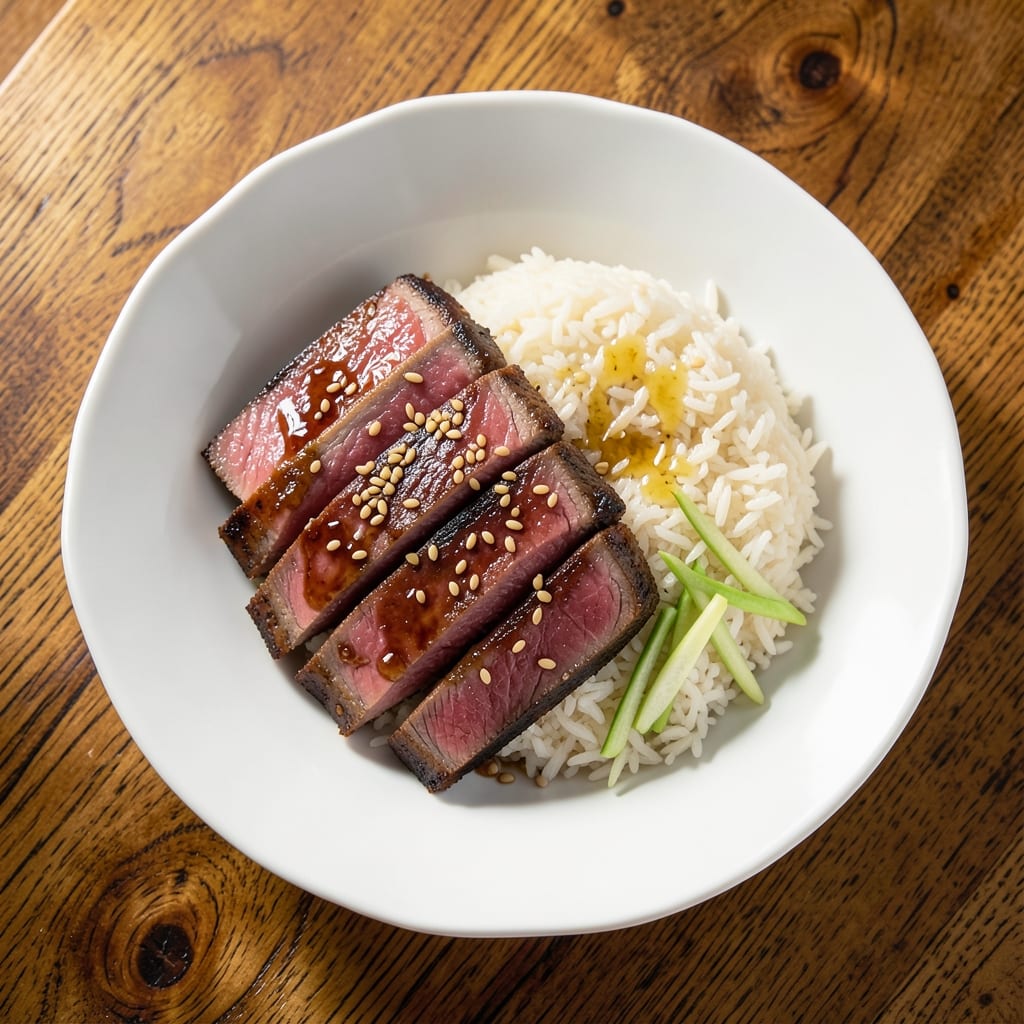
This Asian tuna steak recipe transforms simple ingredients into a restaurant-worthy meal with a crispy sesame-ginger crust and perfectly fluffy jasmine rice. The secret lies in the marinade—where sweet soy, aromatic ginger, and toasted sesame blend to create a flavor profile that's both bold and balanced. I developed this recipe after realizing how much easier it is to achieve professional-quality results at home with just a few key techniques.
The tuna steak is the star here, seared to medium-rare perfection for that ideal texture—tender inside with a golden, crackling crust. Pairing it with fragrant jasmine rice elevates the dish to complete-meal status, while optional garnishes like sliced scallions or toasted sesame seeds add freshness and visual appeal. What makes this recipe stand out is its versatility—whether you're serving it for a weeknight dinner or a special occasion, the flavors shine through without requiring advanced skills.
What you'll end up with is a dish that's elegant yet approachable, packed with umami-rich flavors that come together in every bite. The tuna remains moist and flavorful thanks to the marinade, while the rice absorbs the aromatic essence of the dish. This combination delivers the perfect balance of textures and tastes—crispy, tender, and fragrant all at once. Ready in under 30 minutes, it's the kind of meal that feels indulgent without the fuss.
Serve with a side of quick-pickled vegetables or a simple stir-fry for a complete Asian-inspired spread. The beauty of this recipe lies in its adaptability—swap the rice for quinoa, adjust the marinade to your taste, or add a drizzle of spicy mayo for extra heat. Here's how to bring this dish to life in your kitchen.
Ingredients for asian tuna steak recipe with rice
Simple yet sophisticated ingredients for a restaurant-quality Asian tuna steak with fragrant jasmine rice.
| Ingredient | Amount | Notes |
|---|---|---|
| Sushi-Grade Tuna Steak 🐟 | 1 lb | Thick-cut, 1-inch slices preferred |
| Jasmine Rice 🍚 | 1 ½ cups | Uncooked, long-grain preferred |
| Soy Sauce 🍶 | ½ cup | High-quality, low-sodium preferred |
| Fresh Ginger 🧄 | 2 tbsp | Finely grated, aromatic |
| Toasted Sesame Seeds 🌿 | 2 tbsp | Plus extra for coating |
| Sesame Oil 🫒 | 1 tbsp | For flavor and crispiness |
| Honey 🍯 | 1 tbsp | Light, for balance |
| Garlic Cloves 🧄 | 3 cloves | Minced, aromatic |
| Vegetable Oil 🫒 | 2 tbsp | High smoke point for searing |
| Scallions 🧅 | 3 whole | Sliced thin, for garnish |
| Rice Vinegar 🍶 | 1 tbsp | For rice seasoning |
| Salt 🧂 | 1 tsp | Kosher or sea salt |
| Black Pepper 🌶️ | ½ tsp | Freshly ground |
The tuna steak is non-negotiable—sushi-grade quality ensures both safety and texture. Whole Foods or Trader Joe's carry excellent pre-sliced options, but if buying whole, ask the fishmonger for 1-inch thick cuts. Fresh ginger and garlic are best bought in small amounts and stored in the freezer to preserve their potency. For the rice, jasmine from a bulk bin stays fresher longer than pre-packaged. The sesame seeds should be toasted until golden—toast them in a dry pan for 2-3 minutes—to maximize their nutty flavor. Don't skip the high-quality soy sauce; Kikkoman or Pearl River Bridge are reliable choices that won't overpower the dish.
No sesame oil? Avocado oil at half the amount works in a pinch, though it lacks the distinctive flavor. Substituting honey for maple syrup keeps it vegan, though the flavor profile shifts slightly. For the rice, if jasmine isn't available, brown rice or basmati are acceptable alternatives, though cooking times will vary. The marinade can be prepped up to 24 hours ahead—store it in an airtight container in the fridge. If you're sensitive to heat, reduce the black pepper to a generous pinch or omit it entirely. The scallions can be swapped for green onions if that's what you have on hand—they're interchangeable in this context.
The tuna marinade keeps for 2 days in the fridge—use it within that time for optimal flavor. Cooked rice reheats beautifully but loses texture after 2 days, so portion it into containers for quick meals. The toasted sesame seeds can be stored in an airtight container for up to 2 weeks at room temperature. For extra convenience, pre-cook the rice and store it separately; just reheat with a splash of water and cover. The entire dish comes together in under 30 minutes, making it perfect for weeknight dinners or special occasions when you want to impress without spending hours in the kitchen.
Why You'll Love This Recipe
- No-Fuss Cooking: The tuna steaks only need a quick sear—two minutes per side, tops—while the rice simmers hands-off. I swear, the hardest part is waiting for the pan to heat up.
- Umami Bomb: That first bite of perfectly seared tuna with the soy-ginger glaze? It’s like a flavor explosion. The ginger’s zing cuts through the richness, and the sesame seeds add this nutty crunch that makes you reach for seconds.
- Weeknight or Date Night: Same ingredients, totally different vibes. Serve it over rice with chopsticks for a casual lunch, or plate it with a side salad and soy-drizzled greens for a dinner that feels fancy. (Yes, even on a Tuesday night.)
- Leftovers That Don’t Suck: Cold tuna steak the next day? Still delicious. I’ll slice it thin, toss it with extra soy and sesame, and pack it for lunch. The rice stays fluffy, and honestly, the tuna tastes even better when it’s had time to meld with the flavors.
Step-by-step instructions for Asian tuna steak with rice
Master this perfect balance of crispy seared tuna and fragrant jasmine rice in just minutes.
Prepare the Sesame-Ginger Crust
In a small bowl, combine the 2 tbsp toasted sesame seeds, 1 tbsp sesame oil, 1 tbsp honey, 2 tbsp finely grated fresh ginger, 3 cloves minced garlic, 1 tsp salt, and 0.5 tsp black pepper. Mix thoroughly with a fork until the honey and sesame oil create a glossy paste that coats all ingredients evenly. This aromatic blend will form the signature crust on your tuna.
Set the mixture aside while you prep the rice. The flavors need time to meld slightly—about 5 minutes—before applying to the tuna. If you're short on time, simply mix it right before using, but the extra few minutes make a noticeable difference in flavor depth.
Cook the Jasmine Rice
Rinse the 1.5 cups uncooked jasmine rice under cold water until the water runs clear, then drain in a fine-mesh strainer. This removes excess starch and prevents gummy rice. Transfer the rice to a pot with 3 cups water (or follow your rice cooker's ratio) and bring to a boil over medium-high heat.
Once boiling, reduce heat to low, cover tightly, and simmer for 15 minutes. Turn off the heat and let the rice steam undisturbed for another 10 minutes. Fluff with a fork, then stir in 1 tbsp rice vinegar and 1 tbsp soy sauce while still warm. This step infuses the rice with subtle acidity and umami that complements the tuna beautifully.
Sear the Tuna Steak
Pat the 1 lb sushi-grade tuna steak dry with paper towels—this ensures maximum contact with the hot pan. Heat 2 tbsp vegetable oil in a skillet over high heat until shimmering. Place the tuna in the pan and sear for 1 minute 30 seconds per side for medium-rare (adjust time for preferred doneness).
During the last 30 seconds of cooking, press the tuna gently with a spatula to slightly flatten it—this creates a better surface for the crust. Immediately after removing from heat, generously coat both sides with the sesame-ginger mixture, pressing firmly so it adheres. The tuna should be deep pink inside with a golden crust when sliced.
Rest and Serve
Let the tuna rest for 3 minutes on a wire rack (not a cutting board) to maintain its shape. Slice against the grain into ½-inch thick pieces. Arrange the sliced tuna over the jasmine rice, drizzle with remaining 0.25 cup soy sauce, and sprinkle with thinly sliced 3 whole scallions. The contrast of warm rice and cool tuna creates the perfect bite.
Serve immediately while the crust remains crisp. The sesame-ginger glaze should crackle slightly with each bite, releasing its aromatic flavors. For extra presentation, garnish with additional toasted sesame seeds and a final drizzle of sesame oil. This dish balances rich, umami flavors with fresh, bright notes—each component designed to complement the other perfectly.
Pro Tips For Making Asian Tuna Steak Recipe With Rice
- SEAR THE TUNA FAST: Hit the pan with a screaming-hot cast iron or stainless steel—no preheating games. Two minutes max per side on medium-high, or you’ll end up with a sad, overcooked slab instead of a tender, caramelized steak. Flip once, then leave it alone.
- GRATE GINGER FINE: Skip the chunky slices—use a microplane or the smallest holes of a box grater. You want it almost paste-like so it melts into the soy sauce without leaving chewy bits. I learned this the hard way when my first batch tasted like I’d forgotten seasoning.
- DON’T OVERSOY THE RICE: Jasmine rice absorbs flavor like a sponge, but too much soy sauce turns it gluey. Stir in just 1-2 tablespoons of soy sauce after cooking, while the rice is still steaming. Taste it—if it’s salty enough to make you wince, you’ve gone too far.
- REST THE TUNA UNDER FOIL: The moment the steak hits your plate, tent it loosely with foil for 5 minutes. This keeps it juicy instead of turning into a dry, rubbery mess. I know, I know—you want to eat it now—but trust me, the texture makes all the difference.
Dietary considerations for this dish
Gluten-Free Adaptations
This recipe is naturally gluten-free as long as you use certified gluten-free soy sauce—brands like San-J Tamari or Kikkoman Gluten-Free Soy Sauce work perfectly. The sesame-ginger crust and rice preparation require no modifications, making this dish safe for those avoiding gluten. Always double-check labels on sesame oil and honey, as some brands may process ingredients in gluten-containing facilities. ✨
Low-Sodium Options
For a lower-sodium version, reduce the soy sauce to 2 tablespoons and use low-sodium soy sauce (like La Choy Low Sodium). Skip adding extra salt to the rice or crust, as the umami from ginger, garlic, and sesame seeds already provides depth. Freshly ground black pepper adds heat without sodium, and rice vinegar enhances flavor without extra salt.
Vegan Substitutions
To make this dish vegan, replace the tuna with extra-firm tofu or hearts of palm (for a similar texture). Marinate the tofu in the same sesame-ginger mixture for 20 minutes before pressing and searing. For rice, ensure your soy sauce is vegan (most are), and use maple syrup instead of honey. The crust and rice flavors remain rich and aromatic.
Allergen Considerations
This recipe contains sesame and fish (tuna), so check for allergies. For sesame-free versions, omit sesame seeds and oil, replacing them with 1 tbsp extra olive oil and 1 tbsp chopped walnuts (toasted) for crunch. If soy allergies are a concern, substitute soy sauce with coconut aminos (like Annie Chun’s). Always verify ingredient labels for hidden allergens.
Dairy-Free & Egg-Free
This dish is already dairy-free and egg-free, making it suitable for most dietary restrictions. The sesame-ginger crust relies solely on plant-based ingredients, and the rice preparation contains no animal products. For added richness, a drizzle of vegan butter (like Miyoko’s) on the rice can enhance flavor without dairy.
Nutrition facts
Frequently asked questions
Can I use frozen tuna instead of fresh?
Fresh sushi-grade tuna is ideal for this recipe, as it delivers the best texture and flavor. Frozen tuna can work in a pinch, but it often loses moisture and develops a slightly fishy taste. If using frozen, thaw it overnight in the fridge and pat it completely dry before cooking to help achieve that perfect sear. For the best results, always opt for fresh when possible.
How do I know when the tuna is cooked to medium-rare?
The tuna should reach an internal temperature of 120-125°F for medium-rare. Use a meat thermometer for accuracy, inserting it into the thickest part of the steak. For visual cues, look for a deep pink center that's still slightly translucent—it should never appear gray or white. Remember, tuna continues cooking slightly after removal from heat, so pull it out just before it reaches your desired doneness.
What's the best rice to use with this dish?
Jasmine rice is perfect for this recipe due to its fragrant aroma and slightly sticky texture, but brown rice or basmati work well too. For extra flavor, try using sushi rice (short-grain) and add a pinch of sugar to the water while cooking. The key is to cook the rice until it's fluffy but not mushy—this balances beautifully with the crispy tuna.
Can I make this recipe ahead of time?
The sesame-ginger marinade can be prepped up to 24 hours ahead and stored in an airtight container. However, the tuna should be cooked fresh for optimal texture and flavor. You can cook the rice in advance and reheat it gently with a splash of water, but avoid reheating the tuna—it's best enjoyed immediately after cooking. For meal prep, focus on prepping ingredients rather than fully cooking the dish ahead.
What sides pair well with this dish?
This Asian-inspired tuna steak pairs beautifully with quick-pickled vegetables, stir-fried greens, or miso soup. For a complete meal, add a side of steamed bok choy or cucumber salad. The bright acidity of pickled veggies cuts through the richness of the tuna, while miso soup adds comforting depth. For extra protein, consider adding edamame or tofu.