
Side Dishes
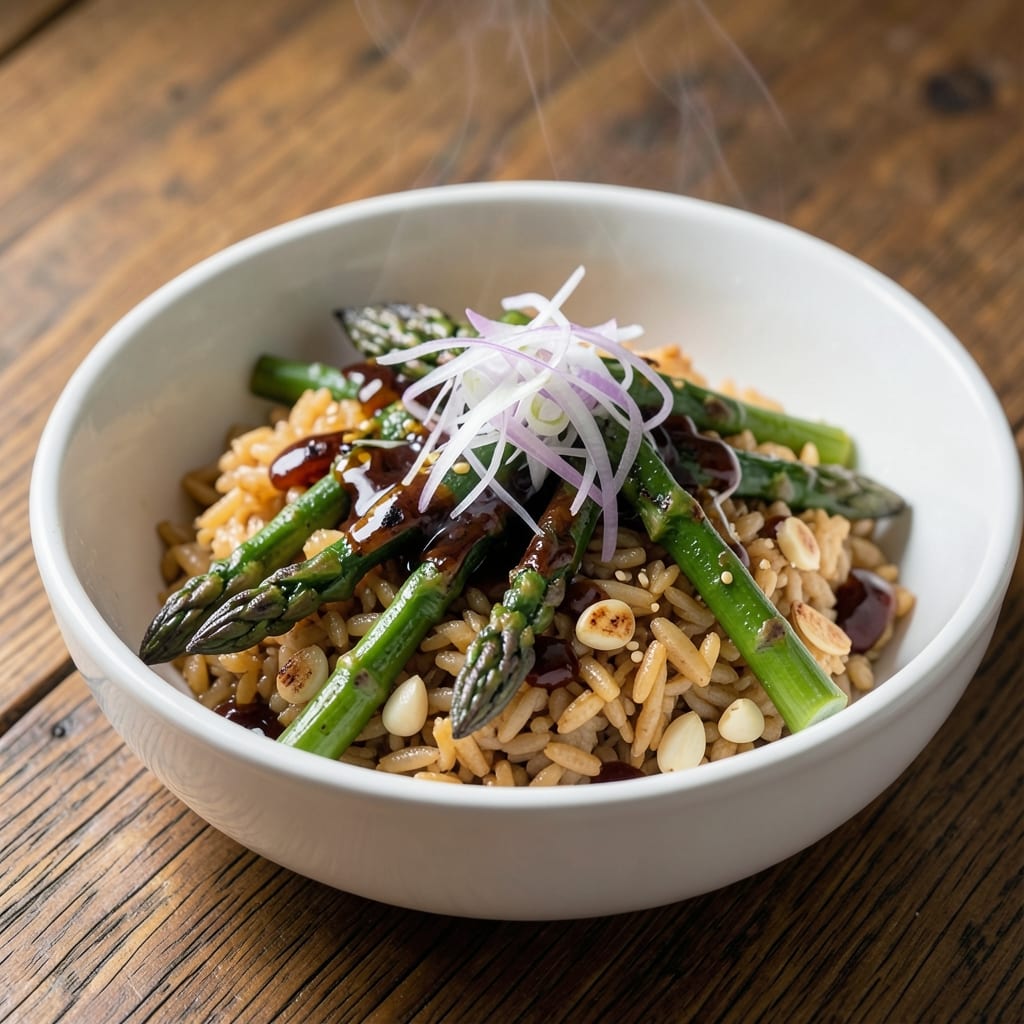
This asparagus and brown rice recipe transforms simple ingredients into a restaurant-quality one-pot dish that balances earthy flavors with satisfying umami depth. The secret lies in slow-cooking brown rice with asparagus until tender, while aromatic herbs and toasted spices infuse every bite with complexity. I developed this recipe during a busy week when I needed a complete, protein-rich meal that required minimal cleanup—yet still felt special enough for dinner guests.
The beauty of this dish is its simplicity: just one pot, 30 minutes of hands-on time, and ingredients you likely already have. Brown rice absorbs the asparagus's natural sweetness while developing nutty depth, while garlic, soy sauce, and sesame oil create layers of savory flavor. The dish stays cohesive and flavorful without requiring separate pots or complicated techniques—perfect for weeknight dinners or meal prep.
By the time it's done, you'll have a dish that's visually appealing with vibrant green asparagus spears nestled in chewy brown rice, and richly flavorful with each bite offering a perfect balance of earthy asparagus and nutty rice. The aroma alone will have everyone anticipating dinner, while the texture provides satisfying contrast between tender rice and crisp-tender asparagus tips.
This recipe works equally well as a standalone vegetarian meal or alongside grilled proteins. Garnish with toasted sesame seeds and fresh cilantro for added brightness, or drizzle with a touch of chili oil for heat. The one-pot method ensures minimal cleanup while delivering maximum flavor—proof that healthy meals can be both nutritious and delicious.
Ingredients for asparagus and brown rice
Earthy umami comes together in this one-pot vegetarian masterpiece where brown rice and asparagus meld into restaurant-quality harmony.
| Ingredient | Amount | Notes |
|---|---|---|
| Long-Grain Brown Rice 🍚 | 1 cup | Uncooked, rinsed thoroughly |
| Fresh Asparagus Spears 🌱 | 1 ½ lb | Trimmed, tough ends removed |
| Garlic Cloves 🧄 | 4 cloves | Minced finely for depth |
| Low-Sodium Soy Sauce 🥢 | 2 tbsp | For umami complexity |
| Toasted Sesame Oil 🫒 | 1 tbsp | High-quality, nutty flavor |
| Vegetable Broth 💧 | 2 ½ cups | Low-sodium preferred |
| Fresh Ginger Root 🌿 | 1 tbsp | Grated finely for zing |
| Red Bell Pepper 🌶️ | ½ cup | Diced small for texture |
| Coconut Aminos 🍶 | 1 tbsp | Gluten-free soy alternative |
| Fresh Cilantro Leaves 🌿 | ¼ cup | Chopped for garnish |
| Toasted Sesame Seeds 🥜 | 1 tbsp | For crunchy finish |
| Olive Oil 🫒 | 1 tbsp | Extra-virgin for sautéing |
| Diamond Crystal Kosher Salt 🧂 | ½ tsp | Adjust to taste |
| Ground Black Pepper 🌶️ | ¼ tsp | Freshly cracked |
| Chili Crisp 🔥 | 1 tbsp | Optional for heat |
The brown rice is the foundation—jasmine or short-grain varieties from Lundberg Farms or Trader Joe's work best for chewy texture. Fresh asparagus should be vibrant green with tightly closed tips; avoid woody stalks. For maximum umami, toast the garlic and sesame seeds in olive oil until golden before adding to the pot. The low-sodium soy sauce ensures flavor without excess salt, while coconut aminos add depth without gluten. I always double-check my vegetable broth for hidden salt—Pacific Foods unsalted is my go-to.
No sesame oil? Avocado oil with a pinch of toasted cumin works in a pinch. Substitute red bell pepper with shredded carrots or zucchini if needed, though the pepper adds natural sweetness that balances the earthiness. Fresh ginger can be swapped for 1/2 teaspoon ground ginger, but the texture and aroma differ. For extra protein, stir in 1 cup cooked lentils or crumbled tofu at the end. The chili crisp is optional but adds smoky heat that elevates the dish—La Choy or Sichuan pepper oil are excellent choices if you prefer liquid heat.
This dish reheats beautifully—cover with damp paper towels to preserve moisture. Stores for 4-5 days in an airtight container, though the rice texture softens slightly after day 2. For meal prep, portion into glass containers with tight lids—the rice stays chewy when reheated gently with a splash of water. Garnish with cilantro and sesame seeds just before serving to maintain freshness. The flavors meld even better overnight, making it ideal for next-day lunches or dinner leftovers.
Why You'll Love This Recipe
- One-Pot Magic: I swear by this—just toss the rice, asparagus, and garlic in one pot, add water, and let it simmer. No chopping, no fuss, and the asparagus gets tender right in the same pot where the rice cooks.
- Umami Bomb: That sesame oil and soy sauce combo? Chef’s kiss. The asparagus soaks up the nutty, savory depth while staying crisp-tender, and the garlic? Oh, it’s there—in the best way.
- Lunchbox Hero: Between us, this is my go-to for meal prep. The rice holds up for days, and the asparagus stays bright if you pack it separately. My kids (yes, even the picky one) grab it for lunches—no complaints.
- Budget Win: Brown rice is cheap, asparagus is seasonal and affordable, and a little sesame oil goes a long way. I’ve made this for $3 a serving, and it still feels like a restaurant dish. Not the prettiest, but the taste makes up for it.
Step-by-step instructions for earthy umami brown rice with asparagus
This one-pot method delivers perfectly balanced flavors and textures without cross-contamination.
Sauté Aromatics in Olive Oil
Heat the 1 tablespoon olive oil in a deep skillet or Dutch oven over medium-high heat until shimmering. Add the 4 cloves minced garlic cloves and 1 tablespoon grated fresh ginger root, cooking for 30-45 seconds until fragrant but not browned. This quick sauté unlocks their aromatic potential without bitterness.
Next, add the 0.5 cup diced red bell pepper and cook for another 2 minutes until just softened. The vegetables should release their natural juices but maintain a slight crunch. This base layer forms the flavor foundation for the entire dish, so don't rush this step—properly developed aromatics make all the difference in the final result.
Toast the Brown Rice
Add the 1 cup uncooked long-grain brown rice to the skillet and stir vigorously for 2 minutes over medium-high heat until the grains turn translucent at the edges. This toasting step develops nutty depth and prevents the rice from becoming mushy during cooking.
I press down gently on the rice with a wooden spoon during the first minute to ensure even contact with the hot pan. This prevents the rice from cooking unevenly and creates a better texture. You'll know it's properly toasted when the rice releases a nutty aroma and the edges begin to turn slightly golden.
Season and Add Broth
Pour in the 2.5 cups vegetable broth and bring to a gentle boil. Immediately add the 2 tablespoons low-sodium soy sauce, 1 tablespoon coconut aminos, 0.5 teaspoon diamond crystal kosher salt, and 0.25 teaspoon ground black pepper. Stir once to combine, then reduce heat to low-medium.
The broth should just barely simmer with small bubbles breaking the surface. Cover the skillet with a tight-fitting lid and cook for 30 minutes without disturbing. This initial cooking phase allows the rice to absorb liquid while maintaining its distinct texture. Avoid peeking—the steam release each time you lift the lid significantly extends cooking time.
Incorporate Asparagus and Simmer
After 30 minutes, add the 1.5 lb trimmed asparagus spears (cut into 2-inch pieces) and stir gently to distribute them evenly. The asparagus should be submerged in the liquid but not packed tightly. Return the lid and continue simmering for another 15-20 minutes until the rice is tender and the asparagus is bright green with slight resistance when pierced.
Real talk: your oven might run hot, so start checking at the 15-minute mark. The rice should be al dente with a slight bite, not mushy. If the liquid absorbs too quickly, add 2-3 tablespoons water to maintain the proper consistency. The asparagus should cook just until tender-crisp, preserving its natural sweetness.
Finish with Sesame Oil and Garnish
Once the rice and asparagus are perfectly cooked, remove from heat and let sit uncovered for 2 minutes. Stir in the 1 tablespoon toasted sesame oil and 1 tablespoon chili crisp (if using), then taste and adjust seasoning. The dish should balance earthy rice, umami from the soy and coconut aminos, and a subtle heat from the chili crisp.
Garnish immediately with 0.25 cup chopped fresh cilantro leaves and 1 tablespoon toasted sesame seeds for texture and visual appeal. The sesame seeds add a satisfying crunch that contrasts beautifully with the tender rice and asparagus. Serve warm with a drizzle of extra toasted sesame oil if desired—this one-pot creation delivers restaurant-quality flavor with minimal effort.
Pro Tips For Making Asparagus And Brown Rice
- Trim Asparagus Flat: Cut the woody ends at an angle—about an inch down from where the tough part meets the tender spear. I used to snap them like carrot sticks, but this keeps the spears looking neat and prevents the tips from breaking off when you stir-fry or roast them later. ---
- Rinse Rice Twice: Cold water, two quick rinses—this removes excess starch so your brown rice stays separate and doesn’t turn into glue. I learned this the hard way after scooping up a clump that stuck to my spoon like cement. ---
- Roast Asparagus First: Toss spears with a drizzle of sesame oil and salt, then roast at 425°F (220°C) for 10 minutes before adding them to the rice. The high heat caramelizes the edges while keeping the centers crisp—way better than steaming or boiling. ---
- Bloom Garlic Cold: Mince garlic after toasting it in a dry pan for 30 seconds—just until fragrant. Cold garlic burns faster, and you’ll end up with bitter bits instead of that sweet, nutty depth the recipe needs. (Yes, even if you’re impatient like me.)
Make-ahead tips for this recipe
Prep Ahead Strategy
I recommend prepping the asparagus and rice components separately 1 day ahead for maximum flavor development. Trim and cut the 1.5 lb asparagus into 2-inch pieces, then store in an airtight container with a damp paper towel to maintain crispness. For the rice base, toast the 1 cup brown rice as directed, then refrigerate the cooked rice mixture (without asparagus) in an airtight container for up to 2 days. The flavors meld beautifully overnight, making assembly quick on busy mornings. 🥗
Freezer-Friendly Method
This dish freezes exceptionally well for up to 3 months—perfect for batch cooking. After Step 4, let the mixture cool completely, then transfer to freezer-safe glass containers with 1-inch headspace. When ready to eat, thaw overnight in the refrigerator, then reheat gently with 2-3 tablespoons water over low heat for 10-12 minutes. The texture remains intact, though the asparagus may soften slightly—ideal for reheating as a hearty lunch. ❄️
Meal Prep Containers
Use glass meal prep containers with snap-on lids (like Glasslock or Pyrex) to store individual portions. Divide the cooked mixture evenly, then top each container with a sprinkle of sesame seeds and a drizzle of sesame oil before sealing. This preserves freshness and prevents sogginess. I pack mine in 1-cup portions for perfect single-serving reheats—just microwave for 2-3 minutes on 50% power with a splash of water. 📦
Garnish Just Before Serving
Fresh garnishes make all the difference when reheating. Always add cilantro and sesame seeds immediately before eating to maintain vibrant color and texture. For extra brightness, squeeze a few drops of fresh lime juice over each serving—it cuts through any richness from reheating. I also keep a small jar of chili crisp on hand to drizzle on top for a quick heat boost. This simple step transforms reheated leftovers into a restaurant-worthy dish. 💫
Timing for Busy Days
For the ultimate time-saver, prepare everything except the final simmer 2 hours ahead. Toast the rice, sauté the aromatics, and store the mixture in the fridge. When ready to cook, simply add the asparagus and simmer for 15-20 minutes. This approach works perfectly for weekday dinners—just reheat the base, add fresh asparagus, and finish with garnishes. The dish reheats beautifully, making it ideal for last-minute meal solutions. ⏰
Nutrition facts
Frequently asked questions
Can I use white rice instead of brown rice?
While you can substitute white rice, the texture and nutritional profile will differ significantly. Brown rice maintains its chewy bite and provides fiber, while white rice cooks faster but becomes softer. For best results, use 1 cup uncooked white rice and reduce cooking time to 20 minutes after adding broth. The dish will be less hearty but still delicious.
How do I make this dish spicier?
Add 1/2 teaspoon red pepper flakes when sautéing the aromatics, or increase the chili crisp to 2 tablespoons. For heat lovers, stir in 1 teaspoon gochujang (Korean chili paste) with the soy sauce. Fresh red chili slices or a dash of cayenne powder also work well—just adjust to taste after cooking.
What's the best way to reheat leftovers?
Reheat gently in a skillet with 1 tablespoon water over low-medium heat for 5-7 minutes, stirring occasionally. Microwave on 50% power for 2 minutes with a damp paper towel covering the dish. Always add fresh garnishes (cilantro, sesame seeds) and a drizzle of sesame oil after reheating to restore brightness.
Can I make this dish gluten-free?
Yes! Simply replace the soy sauce with tamari (gluten-free soy sauce) and ensure your coconut aminos are certified gluten-free. Check that your vegetable broth and any added sauces (like chili crisp) are also gluten-free. All other ingredients in this recipe are naturally gluten-free.
Why does my asparagus turn mushy?
Overcooking is the most common cause. Asparagus should cook until tender-crisp (15-20 minutes total), not soft. Start checking at 15 minutes and remove it when it's bright green with slight resistance. If using thicker stalks, cut them into 1-inch pieces to ensure even cooking. Avoid overcrowding the pot—leave space for proper heat circulation.