
Side Dishes
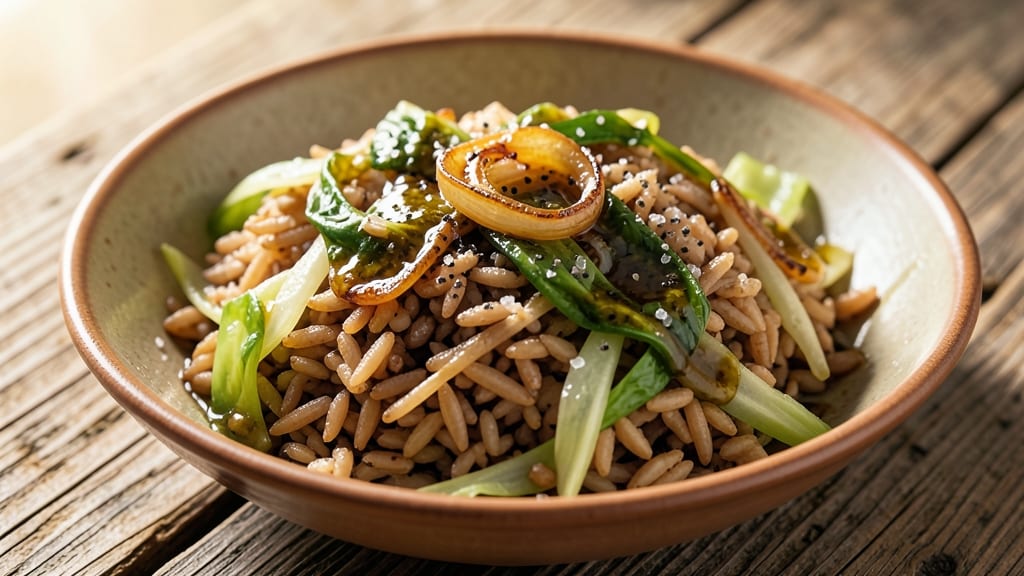
This brown rice and cabbage recipe delivers a perfect balance of nutty grains and crisp-tender vegetables, creating a hearty side that stands up as a complete dish.
The secret lies in cooking the rice until fluffy and the cabbage until just crisp, then combining them with a bright, savory sauce that ties everything together. I developed this recipe after realizing how often simple, wholesome sides get overlooked in favor of more complicated dishes.
The result is a dish that's packed with texture—chewy brown rice holding its shape, crunchy cabbage with a satisfying bite, and optional protein like tofu or chickpeas for extra substance.
It’s versatile enough to serve alongside grilled meats or as a standalone vegetarian meal, all while keeping prep simple and ingredients accessible. Ready in about 30 minutes, this recipe proves wholesome doesn’t mean boring.
Ingredients for brown rice and cabbage
Wholesome grains, crisp vegetables, and savory seasonings create this restaurant-quality vegetarian dish.
| Ingredient | Amount | Notes |
|---|---|---|
| Long-Grain Brown Rice 🌾 | 1 cup | Uncooked, rinsed thoroughly |
| Green Cabbage 🥬 | 4 cups | Shredded, outer leaves removed |
| Yellow Onion 🧅 | 1 whole | Diced, medium size preferred |
| Garlic Cloves 🧄 | 3 cloves | Minced, fresh preferred |
| Vegetable Broth 💧 | 2 cups | Low-sodium preferred |
| Extra-Virgin Olive Oil 🫒 | 2 tbsp | For sautéing vegetables |
| Apple Cider Vinegar 🍎 | 1 tbsp | For bright acidity |
| Soy Sauce 🍶 | 1 ½ tbsp | For umami depth |
| Sesame Oil 🌿 | 1 tsp | Toasted, for finishing |
| Toasted Sesame Seeds 🌰 | 1 tbsp | For garnish |
| Diamond Crystal Kosher Salt 🧂 | 1 ½ tsp | Adjust to taste |
| Ground Black Pepper 🌶️ | ½ tsp | Freshly ground |
| Firm Tofu 🍱 | 8 oz | Optional, pressed and cubed |
The brown rice is the foundation—jasmine or short-grain varieties work well too, but long-grain holds its shape best for this dish. For the cabbage, green is classic, but red or purple adds vibrant color. Whole Foods or local farmers markets often carry organic cabbage with tighter leaves. If using pre-shredded, rinse it well to remove excess moisture. The tofu, if included, should be extra-firm and pressed for at least 20 minutes to remove excess water—Trader Joe's sells pre-pressed blocks that save time.
No brown rice? Quinoa or farro work beautifully—just adjust cooking times. Substituting cabbage? Brussels sprouts or kale add different textures, but savoy cabbage has the best flavor. Short on soy sauce? Tamari or coconut aminos provide similar umami. The apple cider vinegar can be swapped for rice vinegar if preferred, though it adds a slightly different tang. If you're skipping the tofu, chickpeas or edamame add protein without altering the dish's core texture.
Store cooked rice in an airtight container for up to 4 days in the fridge, though it's best served fresh. The cabbage can be prepped ahead and stored for 3 days before cooking to preserve its crispness. This dish reheats beautifully—just add a splash of water or broth to prevent drying. For meal prep, portion into containers with a small layer of sesame oil on top to keep the rice from sticking. Freezes well for 3 months, though texture may slightly soften upon thawing.
Why You'll Love This Recipe
- One-Pot Magic: I swear by this—just toss everything in one pot, walk away, and come back to perfectly tender rice and cabbage. No fancy techniques, no extra dishes, just hands-off simplicity that actually works.
- Caramelized Crunch: That onion and garlic? They get sweet and golden while the cabbage softens—crisp edges with a creamy center. Honestly, it’s the kind of flavor that makes you pause mid-bite and go, “Wait, is this that good?”
- Lunchbox Hero: Between us, this keeps beautifully for days. Pack it cold for work lunches or reheat it for dinner—same great taste, zero effort. My college self would’ve cried happy tears over this.
- Pocketbook Winner: Brown rice and cabbage stretch like crazy in broth, so you’re feeding a crowd without breaking the bank. I’ve made this for six people for under $8—real, honest savings that don’t skimp on flavor.
Step-by-step instructions for brown rice and cabbage harmony
Master this nutty-grain and crunchy vegetable combination with precise technique and balanced seasoning.
Prepare the Brown Rice for Perfect Texture
Rinse the 1 cup long-grain brown rice thoroughly under cold water until the water runs clear. This removes excess starch that can make the rice gummy. Transfer the rinsed rice to a medium saucepan and add 2 cups of water - the standard 1:2 rice-to-water ratio for brown rice. Bring to a boil over medium-high heat.
Once boiling, immediately reduce heat to low and cover the pan with a tight-fitting lid. Let the rice simmer gently for 40 minutes without stirring. You'll know it's done when the liquid is fully absorbed and the grains are tender but still have a slight bite. Resist the urge to peek - every time you lift the lid, you release steam and extend cooking time.
Sauté the Aromatic Vegetable Base
While the rice cooks, heat the 2 tablespoons extra-virgin olive oil in a large skillet over medium heat. Add the diced 1 whole yellow onion and cook for 5 minutes until softened and translucent. Add the minced 3 cloves garlic and cook for another 30 seconds until fragrant - you should smell that pungent garlic aroma filling your kitchen.
Add the shredded 4 cups green cabbage to the skillet and stir to combine with the onions and garlic. Cook for 8-10 minutes until the cabbage begins to soften but still maintains some crispness. Season immediately with the 1.5 teaspoons diamond crystal kosher salt and 0.5 teaspoon ground black pepper. The cabbage should be tender-crisp with just a slight bite remaining.
Build the Flavorful Broth Base
Pour in the 2 cups vegetable broth and the 1.5 tablespoons soy sauce, stirring to combine with the vegetables. Add the 1 tablespoon apple cider vinegar and bring the mixture to a gentle simmer. Let it cook uncovered for 5 minutes to allow the flavors to meld together. The liquid should reduce slightly but still coat the vegetables.
If you're using the 8 ounces firm tofu, press it to remove excess water, then cut into ½-inch cubes and add to the skillet now. Cook for an additional 3 minutes to heat through while maintaining the tofu's structure. The tofu should be warm but not falling apart - it will continue cooking when combined with the rice.
Combine Rice and Vegetables for Harmony
Once the rice is fully cooked, fluff it gently with a fork and transfer it to the skillet with the cabbage mixture. Stir everything together thoroughly, allowing the rice to absorb the remaining liquid and vegetable flavors. Cook for an additional 2 minutes over low heat to ensure everything is evenly heated and well combined.
The texture should be perfect - tender rice with crisp-tender cabbage and soft onions. Taste and adjust seasoning if needed, adding a splash more soy sauce or vinegar if the dish needs more depth. The final dish should have a balance of nutty rice, slightly sweet cabbage, and umami-rich broth flavors.
Finish with Toasted Sesame Oil and Garnish
Remove the skillet from heat and drizzle with the 1 teaspoon sesame oil. Toss gently to distribute the oil evenly throughout the dish. The sesame oil will add a nutty aroma and rich flavor that complements the earthy brown rice and cabbage.
Sprinkle with the 1 tablespoon toasted sesame seeds and serve immediately. The sesame seeds add both visual appeal and a satisfying crunch to each bite. This dish tastes best when served fresh while the vegetables retain their crispness and the rice maintains its perfect texture.
Pro Tips For Making Brown Rice And Cabbage
- SOAK THE RICE FIRST: I learned this the hard way—skipping the soak means your brown rice will either stay rock-hard or turn mushy by the end. Toss the uncooked rice in a bowl with enough cold water to cover it by 2 inches, let it sit for at least 2 hours (overnight if you’re planning ahead). Rinse it before cooking to remove excess starch, then use a 1:2.5 rice-to-water ratio. The texture will be fluffy, not gluey.
- CUT CABBAGE SMALLER THAN YOU THINK: Big chunks of cabbage? They’ll sit like wet bricks in your dish. Instead, shred the outer leaves thinly and chop the core into ½-inch pieces—small enough to soften in 10 minutes. Pro move: Toss the shredded cabbage with a pinch of salt right after cutting. It’ll wilt slightly and release water, so you won’t end up with a soggy pile.
- SWEAT THE ONIONS LOW AND SLOW: Cranking the heat to brown the onions fast is a shortcut that backfires—you’ll end up with bitter, charred bits instead of sweet, caramelized flavor. Keep the heat at a steady medium-low, stir every 30 seconds, and let those onions turn translucent before adding garlic. Patience here makes the whole dish taste richer.
- RESERVE THE BROTH: The last ¼ cup of broth is your secret weapon for balancing texture. If your rice looks dry or the cabbage is too soft, stir in a splash of the reserved broth at the end. It’s also a quick fix if you accidentally overcooked the rice—just mix it in and call it a lesson learned. (Yes, even I’ve done this.)
Common mistakes when making this dish
Overcooking the Rice
I've made this mistake more times than I'd like to admit—letting the brown rice simmer too long past its 40-minute mark turns it mushy and gluey. The key is patience: once the liquid is absorbed, remove it from heat immediately.
Overcooked rice loses its nutty flavor and satisfying texture, making the whole dish feel heavy. If you're unsure, do the fork test: gently press a grain—it should hold its shape but yield slightly. 🌾
Skipping the Vinegar
The 1 tablespoon apple cider vinegar might seem like an afterthought, but it’s the secret to brightening the dish. Without it, the flavors can taste flat or one-dimensional. I once forgot it entirely and the cabbage ended up tasting bland.
The acidity cuts through the earthiness of the brown rice and cabbage, balancing the dish beautifully. If you’re avoiding vinegar, a squeeze of lemon juice works in a pinch.
Underseasoning the Cabbage
Seasoning the cabbage before adding broth is critical—don’t wait until the end! The salt and pepper need time to penetrate the cabbage’s thick leaves. I’ve seen people skip this step, and the result is a dish that tastes underwhelming.
Taste the cabbage after 5 minutes of cooking—if it’s bland, add more salt now. The flavors will meld perfectly with the rice and broth later. 🧂
Using Pre-Shredded Cabbage
Pre-shredded cabbage is convenient, but it’s often pre-washed with excess moisture, which can make your dish soggy. I’ve ruined a perfectly good batch of rice by using it straight from the bag.
If you must use pre-shredded, give it a thorough rinse and spin it dry in a clean kitchen towel. For the best texture, always shred your own cabbage—it’s worth the extra 5 minutes of prep time.
Ignoring the Resting Time
After combining everything, resist the urge to serve immediately! Letting the dish rest for 2-3 minutes allows the flavors to meld and the rice to absorb any remaining liquid.
I’ve served it straight from the skillet, and while it’s edible, it lacks that restaurant-quality harmony. The extra wait ensures every bite is cohesive and delicious. ⏳
Burning the Garlic
Garlic is the flavor anchor of this dish, but it’s easy to overcook it into bitterness. Once you add the 3 minced cloves, cook them for just 30 seconds—no more! I’ve had batches where the garlic turned dark and bitter, ruining the balance.
Keep an eye on it and remove the pan from heat if it starts to brown too quickly. Fresh garlic should smell fragrant, not burnt. 🧄
Nutrition facts
Frequently asked questions
Can I substitute white rice for brown rice in this recipe?
While you can use white rice, the texture and flavor will differ significantly. Brown rice provides a nutty depth and chewy bite that white rice lacks. If you must substitute, use jasmine or short-grain white rice and reduce cooking time to 15 minutes instead of 40 minutes. The dish will be lighter but less hearty. For best results, stick with brown rice for that authentic earthy flavor.
How do I make this dish spicier?
Add ½ teaspoon red pepper flakes when sautéing the onions or stir in 1 teaspoon sriracha with the soy sauce. For extra heat, include ½ teaspoon cayenne pepper with the initial seasoning. If you love bold flavors, try 1 tablespoon gochujang (Korean chili paste) instead of soy sauce for a sweet-spicy kick. Always taste as you go!
Can I prepare this ahead of time for meal prep?
Yes! Cook the rice and vegetables separately, then store them in airtight containers for up to 4 days. When ready to serve, reheat the rice with a splash of water, then combine with the cabbage mixture. For best texture, add fresh sesame seeds and oil just before eating. This method keeps the cabbage crisp and prevents the rice from becoming gummy.
What's the best way to serve this dish?
This versatile side pairs perfectly with grilled proteins like chicken or salmon, or serves as a complete vegetarian meal with a side of miso soup. For extra protein, serve with pan-seared tofu or grilled shrimp. Garnish with sliced green onions or a drizzle of chili oil for added freshness. It's also great cold in grain bowls!