
Main Courses
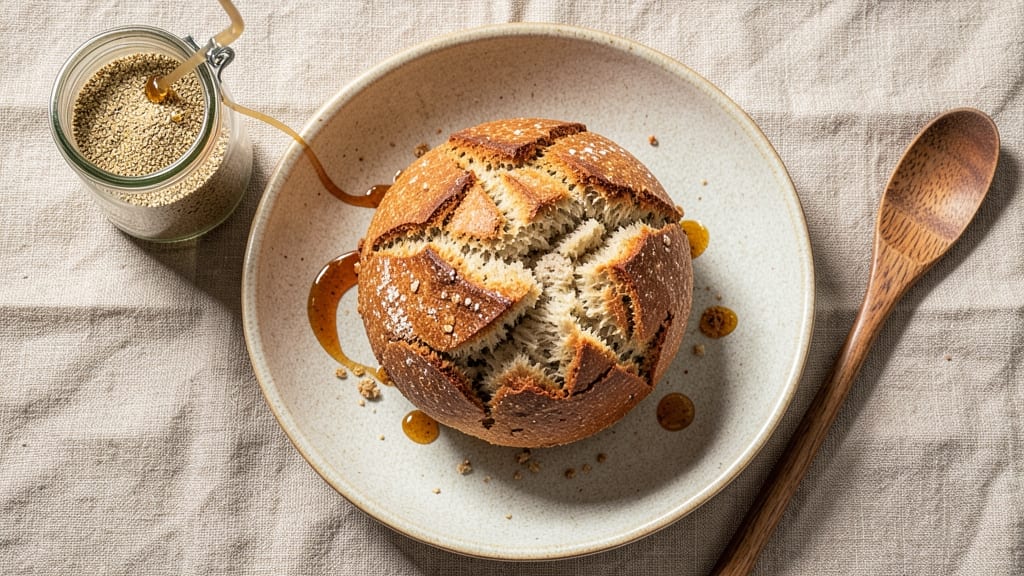
This gluten-free brown rice flour bread delivers a surprisingly light, airy loaf without yeast—perfect for those avoiding gluten or fermented ingredients. The key lies in a precise blend of brown rice flour, flaxseed binder, and a baking soda-vinegar reaction for lift, creating a nutty, slightly chewy crumb with satisfying density.
What makes this recipe work is the careful balance of hydration and binding agents, ensuring a structure that holds up even without gluten or yeast.
The result is a bread with a subtle earthy sweetness from the brown rice flour, a tender yet sturdy crumb, and a crust that develops a gentle crunch when baked properly.
Unlike many gluten-free breads that turn out gummy or heavy, this recipe achieves a texture that’s surprisingly close to traditional wheat bread—just with a nutty depth that makes it uniquely satisfying. Ready in under an hour, it’s ideal for sandwiches, toast, or serving alongside soups and stews.
Ingredients for brown rice flour bread recipe yeast free
Gluten-free essentials plus clever binders create a bread that rivals traditional loaves.
| Ingredient | Amount | Notes |
|---|---|---|
| Brown Rice Flour 🌾 | 2 cups | Finely milled, gluten-free preferred |
| Flaxseeds 🌰 | 3 tbsp | Ground into meal for binder |
| Water 💧 | ¾ cup | Room temperature preferred |
| Apple Cider Vinegar 🍎 | 1 tbsp | For baking soda reaction |
| Baking Soda 🧂 | 1 tsp | Ensures proper rise |
| Sweetener (Maple Syrup or Agave) 🍯 | 2 tbsp | Adds subtle sweetness |
| Olive Oil 🫒 | ¼ cup | Extra-virgin for richness |
| Psyllium Husk Powder 🌿 | 1 tbsp | Enhances binding |
| Salt 🧂 | ½ tsp | Fine sea salt preferred |
| Sunflower Seeds 🌻 | ¼ cup | For added texture |
| Sesame Seeds (optional) 🌾 | 1 tbsp | For topping crunch |
| Water (for mixing) 💧 | ½ cup | Additional for dough consistency |
The brown rice flour is the foundation here—opt for a finely milled variety to avoid gritty texture. Bob’s Red Mill or Anthony’s Goods are reliable brands for consistent quality. Psyllium husk powder, often found in health food sections, is key for binding without gluten. If you can't find it, mix xanthan gum with extra water as a substitute, though texture may vary. Sunflower seeds add crunch and protein, so grab them in bulk from Trader Joe’s or your local grocery store’s baking aisle. For the flaxseeds, grind them fresh in a coffee grinder—pre-ground loses effectiveness quickly.
No psyllium husk? Add 1 extra tbsp of ground flaxseed and reduce water by 1 tbsp to compensate. Substitute maple syrup with agave nectar or coconut sugar if preferred, but keep the total sweetener at 2 tbsp. Olive oil can be swapped for avocado oil or melted coconut oil, though flavor will shift slightly. For the vinegar, white vinegar or lemon juice work in a pinch, but apple cider adds subtle depth. If your dough feels too sticky, add 1 tbsp more flour—just don’t overdo it or the crumb will toughen.
This dough keeps for 24 hours in the fridge, covered tightly. For longer storage, portion into freezer bags for up to 1 month. Bake straight from frozen, adding 5-7 extra minutes to the cooking time. The bread’s crust develops best when baked immediately, so avoid pre-slicing. Store wrapped in a clean kitchen towel to maintain moisture—it’ll stay fresh for 3-4 days at room temperature. For reheating, wrap slices in foil and warm in a 350°F oven for 5 minutes to restore crispness.
Why You'll Love This Recipe
- No Yeast, No Stress: I mix it up in a bowl—no kneading, no waiting, no yeast fizz drama. Just whisk brown rice flour, flaxseeds, and water, let it sit for 10 minutes, and boom. Done.
- Tangy Crispy Magic: That apple cider vinegar? Oh, it’s the secret. Gives it a subtle tang that cuts through the nuttiness of the brown rice flour, and the baking soda makes the crust just right—crispy outside, tender inside. (Yes, even on a Tuesday night.)
- Prep-Ahead Superstar: Slice it fresh, but it keeps like a champ in the fridge for days. Toast it in the morning, pack it for lunch, or freeze slices for quick toast later. My kids call it "the bread that never lets us down."
- Pantry Staple Power: Honestly, you’re already halfway there if you’ve got rice flour and flaxseeds. No fancy ingredients, no last-minute grocery runs—just what’s probably sitting in your cupboards. Budget-friendly, gluten-free, and still ridiculously good.
Step-by-step instructions for brown rice flour bread
This gluten-free loaf delivers a satisfying nutty crunch and tender crumb without yeast.
Create the Flaxseed Binder
In a small bowl, grind the 3 tablespoons flaxseeds into a fine meal using a high-speed blender or coffee grinder. This creates the essential binder that replaces yeast in gluten-free baking. The texture should resemble coarse sand—if it's too fine, you'll get a gummy loaf; if too coarse, the bread won't hold together properly.
Add the 0.75 cup water and 1 tablespoon apple cider vinegar to the ground flaxseeds. Whisk vigorously for 2 minutes until completely dissolved and thickened. The mixture should resemble a gel-like consistency—this is your egg substitute. Let it rest for 5 minutes while you prepare the remaining ingredients. This resting period allows the flax to fully hydrate and develop maximum binding properties.
Mix the Wet Ingredients
In a large mixing bowl, combine the 2 tablespoons sweetener, 0.25 cup olive oil, and 0.5 teaspoon salt. Whisk until fully emulsified—the oil should be evenly distributed with no visible pockets. This base provides moisture and fat for a tender crumb.
Add the flaxseed gel you prepared earlier and mix thoroughly. Then incorporate the 1 tablespoon psyllium husk powder, whisking vigorously for 1 minute until completely dissolved. Psyllium is crucial here—it creates the elastic quality that gluten provides in traditional bread. The mixture will thicken noticeably as it absorbs the liquid. If it appears too stiff after mixing, add 1 tablespoon of the 0.5 cup water (for mixing) to achieve a smooth, pourable batter.
Combine Dry Ingredients
In a separate bowl, sift together the 2 cups brown rice flour and 1 teaspoon baking soda. Sifting prevents clumps and ensures even distribution of the leavening agent. Gradually add this dry mixture to your wet ingredients while mixing on low speed with an electric mixer. Stop mixing as soon as the dough comes together—overmixing develops gluten-like properties that we want to avoid in this gluten-free bread.
Fold in the 0.25 cup sunflower seeds and 1 tablespoon sesame seeds (if using) by hand with a rubber spatula. The seeds add texture and prevent the loaf from becoming too dense. The dough should be thick but still pourable—similar to pancake batter. If it's too stiff, add the remaining 0.5 cup water (for mixing) 1 tablespoon at a time until it reaches the proper consistency.
Prepare and Bake the Loaf
Preheat your oven to 350°F and grease a 9x5-inch loaf pan with olive oil or line it with parchment paper. Pour the batter into the prepared pan and smooth the top with a spatula. Tap the pan gently on the counter 3-4 times to remove any air bubbles that might have formed during mixing.
Bake for 50-55 minutes until the top is golden brown and a toothpick inserted into the center comes out clean. The bread is done when it springs back slightly when pressed and has developed a crisp crust. For best results, avoid opening the oven door during the first 40 minutes of baking—this helps maintain proper steam and rise.
Cool and Serve
Remove the bread from the oven and let it cool in the pan for 10 minutes. Then transfer to a wire rack to cool completely for at least 30 minutes before slicing. This cooling period is crucial—cutting too soon results in a gummy interior. The bread will firm up as it cools, developing that perfect balance of crisp exterior and tender crumb.
Slice the loaf into ¼-inch thick pieces for serving. Each slice should reveal a moist interior with visible flecks of sunflower seeds throughout. The bread's nutty flavor comes from the brown rice flour, while the seeds add satisfying texture. Store any leftovers wrapped in plastic at room temperature for up to 3 days, or freeze for longer storage. This bread works beautifully as toast, for sandwiches, or served with soups and stews.
Pro Tips For Making Brown Rice Flour Bread Recipe Yeast Free
- Mix Flax First: Grind your flaxseeds into a fine powder before adding water—this prevents clumps in the batter that turn into dense pockets in the bread. I learned this the hard way when my first batch had weird, gummy spots where the flax didn’t fully dissolve.
- Rest the Batter: Let the batter sit for at least 15 minutes after mixing—this gives the baking soda time to fully activate and the flour to hydrate properly. I used to skip this, and my bread always came out too dense.
- Use Warm Water: Warm water (around 100°F) helps dissolve the baking soda and flax mixture more evenly, preventing a metallic aftertaste. Cold water leaves you guessing if everything reacted properly.
- Bake Until Golden: Check the bread at 350°F after 30 minutes—it needs to be deep golden brown, not just set. I used to pull it too soon, and it stayed pale and gummy inside. A toothpick test works, but color is your real guide.
Best sauces and condiments for these flavors
Herbed Olive Oil
This bread’s nutty richness pairs perfectly with herbed olive oil—simply whisk ¼ cup extra-virgin olive oil with 1 tsp dried rosemary, 1 tsp dried thyme, and a pinch of salt. Drizzle over slices or use as a dip for crostini.
The oil’s fruity notes complement the bread’s earthy flavor while adding moisture. I keep a jar of this in my fridge for quick flavor boosts on toast or sandwiches. 🌿
Spiced Nut Butter
Spread almond or cashew butter (about 2 tbsp per slice) on warm bread, then sprinkle with ½ tsp cinnamon and a pinch of sea salt. The natural sweetness of the nut butter balances the bread’s subtle earthiness, while cinnamon adds warmth.
For extra flair, drizzle with 1 tsp maple syrup before serving. This combo works amazingly for breakfast or dessert-style toast. 🌰
Miso-Garlic Compote
Sauté 1 tbsp white miso paste, 1 minced garlic clove, and 1 tsp olive oil in a small pan until fragrant (2 minutes). Thin with 1 tbsp water and drizzle over sliced bread.
The umami depth of miso cuts through the bread’s nuttiness, while garlic adds brightness. Serve with a side of roasted vegetables for a complete meal. For extra richness, top with crumbled feta or vegan cheese. 🧅
Sweet Chili Jam
Store-bought or homemade sweet chili jam (about 1 tbsp per slice) adds a tangy-sweet contrast that elevates this bread. Look for brands like Mae Ploy or Annie’s for reliable quality.
The jam’s fruity notes and mild heat balance the bread’s earthiness beautifully. Spread on toast, use as a sandwich filling, or serve alongside soups for dipping. 🍍
Avocado-Lime Crema
Blend ½ ripe avocado, 2 tbsp sour cream or vegan yogurt, 1 tbsp lime juice, ½ tsp salt, and 1 tbsp water until smooth. The creamy texture and citrus brightness complement the bread’s nutty depth.
Top with chopped cilantro and a pinch of chili powder for extra zing. This pairing works perfectly for brunch or as a light lunch. 🥑
Nutrition facts
Frequently asked questions
Can I substitute white rice flour for brown rice flour in this recipe?
While you can use white rice flour, the texture and flavor will differ significantly. Brown rice flour adds a nutty depth and slightly chewy bite that white rice flour lacks. If you must substitute, use a 50/50 blend of white rice flour and another gluten-free flour like almond or oat flour to maintain some structure. The bread may turn out lighter in color and less dense.
Why does my brown rice flour bread turn out gummy? Gummy texture usually means either overmixing the dough or insufficient binding agents.
How can I make this bread more moist?
Add 1 extra tablespoon of olive oil or 1 tablespoon of applesauce to the wet ingredients for extra moisture. You can also try replacing 1 tablespoon of water with 1 tablespoon of Greek yogurt or vegan yogurt for a tender crumb. For best results, store the bread in an airtight container with a slice of apple or lemon to keep it fresh longer.
Can I bake this bread in a different pan size?
Yes, but baking times will vary. For a 8x4-inch pan, reduce baking time by 5-7 minutes (total 45-50 minutes). For larger pans like 9x9-inch, increase time by 5-10 minutes. Always check doneness with a toothpick—it should come out clean. The key is maintaining the same batter depth (about 2 inches) for even baking.
Is this bread suitable for a nut-free kitchen?
This recipe contains sunflower seeds, which are technically seeds—not nuts—but they come from the same plant family. For a completely nut-free version, omit the sunflower seeds and sesame seeds, or replace them with poppy seeds or crushed cornflakes. The texture will be slightly different, but the bread will still hold together well. Always check seed brands for cross-contamination warnings if allergies are a concern.