
Main Courses
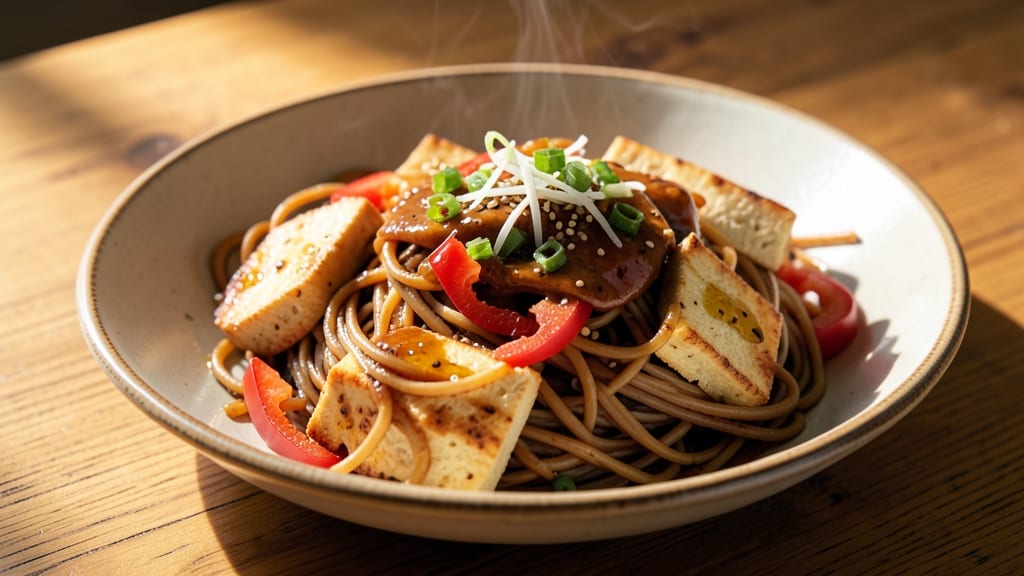
This brown rice spaghetti recipe transforms a pantry staple into a silky, wok-tossed fusion dish with vibrant texture and earthy depth. The key lies in perfectly cooked brown rice strands that absorb flavors while maintaining a satisfying bite, paired with delicate egg ribbons for contrast.
What makes this recipe stand out is its versatility—equally at home as a hearty main or a light vegetarian option, all while delivering restaurant-quality results at home.
The dish begins with al dente brown rice spaghetti, wok-tossed in a savory sauce that balances umami and freshness. The egg ribbons add a delicate, almost custard-like texture that complements the chewiness of the rice strands.
Whether served with a drizzle of chili oil for heat or a sprinkle of sesame seeds for nuttiness, this recipe delivers a satisfying, nutrient-packed meal that feels both elegant and effortless. Ready in under 30 minutes, it’s the perfect solution for weeknight dinners or impressive gatherings.
Ingredients for brown rice spaghetti
Pantry staples meet wok-tossed fusion in this silky, umami-rich brown rice spaghetti creation.
| Ingredient | Amount | Notes |
|---|---|---|
| Brown Rice Spaghetti 🍚 | 8 oz | Long-grain variety, dried |
| Extra-Firm Tofu 🍳 | 1 lb | Pressed and sliced thin |
| Large Eggs 🥚 | 2 whole | Vegan flax eggs (2 tbsp ground flaxseed + 6 tbsp water) |
| Vegetable Oil 🫒 | ½ cup | High smoke point for wok-tossing |
| Tamari or Coconut Aminos 🥢 | ¼ cup | For umami depth |
| Sesame Oil 🌰 | 1 tbsp | Toasted for nuttiness |
| Fresh Ginger 🧄 | 1 tbsp | Finely grated, aromatic |
| Garlic Cloves 🧄 | 4 cloves | Minced for aromatic base |
| Red Bell Pepper 🌶️ | 1 whole | Thinly sliced, vibrant color |
| Green Onions 🧅 | 3 whole | Thinly sliced, fresh |
| Toasted Sesame Seeds 🌰 | 1 tbsp | For garnish, nutty crunch |
| Chili Oil 🌶️ | 1 tbsp | Optional, for heat |
| Diamond Crystal Kosher Salt 🧂 | 1 tsp | For seasoning |
| Ground Black Pepper 🌶️ | ½ tsp | Freshly ground |
The brown rice spaghetti is the foundation—long-grain varieties like Jasmine or Basmati work best for their chewy texture. Trader Joe's or Whole Foods carry excellent pre-made versions, but if using dried, cook until al dente and rinse under cold water to stop the cooking. The tofu should be extra-firm and pressed for 15 minutes to remove excess moisture, sliced into thin ribbons for that delicate texture. For the flax eggs, mix ground flaxseed with water and let sit for 5 minutes to thicken—this mimics the binding properties of eggs perfectly.
No tamari? Coconut aminos or soy sauce work equally well for umami, though tamari has a cleaner flavor. Fresh ginger and garlic are non-negotiable—they’re the aromatic base that ties everything together. Substitute jarred minced garlic if needed, but fresh is always better. The red bell pepper adds vibrant color and a subtle sweetness, while green onions provide a fresh finish. For extra heat, chili crisp or gochujang can replace chili oil. If you’re short on time, pre-chopped frozen stir-fry veggies work in a pinch, but fresh is ideal.
Store cooked brown rice spaghetti in an airtight container for up to 3 days in the fridge, though it’s best enjoyed fresh. The tofu ribbons can be prepped ahead and stored separately, then quickly wok-tossed when ready. For longer storage, freeze the cooked spaghetti and tofu separately for up to 3 months. Reheat gently in a wok or skillet with a splash of water to restore texture. Garnish with sesame seeds and chili oil just before serving to keep everything vibrant.
Why You'll Love This Recipe
- No-Fuss Assembly: I swear by this recipe because it’s the kind of meal where you can set the table while the tofu crisps in the pan. Brown rice spaghetti cooks faster than regular pasta, and the tofu just needs a quick press and slice—no marinating, no fuss. Honestly, I’ve made it after a 10-hour shift, and it still tasted like a restaurant dish.
- Umami-Packed Bite: That crispy tofu edge with the creamy center? Chef’s kiss. The tamari or coconut aminos cut through the richness of the eggs and oil, giving it this addictive savory depth. Between us, I’ve seen people go back for thirds without adding sauce—it’s that good.
- Lunchbox Hero: This recipe is my secret weapon for meal prep. The leftovers reheat like a dream, and the brown rice spaghetti holds its shape better than white. Pack it cold for work lunches or reheat it for a quick dinner—it’s the one dish that never lets me down.
- Budget Meal Magic: Tofu and eggs are my go-to cheap proteins, and brown rice spaghetti stretches further than any other pasta. I’ve fed four people for under $10 with this, and it’s still a meal that feels special. Plus, the ingredients last forever—no wasted grocery trips here.
Step-by-step instructions for wok-tossed brown rice spaghetti
Master this fusion technique combining chewy brown rice noodles with silky egg ribbons and crisp tofu.
Prepare the Tofu and Prep Vegetables
Press the 1 lb extra-firm tofu between paper towels for 15 minutes to remove excess moisture. Cut into ¼-inch thick slices and set aside. Thinly slice the 1 whole red bell pepper and 3 whole green onions, then finely grate the 1 tbsp fresh ginger and mince the 4 cloves garlic. Keep all vegetables separate until ready to cook.
Here's the thing—properly pressed tofu ensures it sears instead of steams. Pat the slices dry with fresh paper towels before cooking to guarantee that perfect wok-seared texture. The vegetables should be cut uniformly so they cook at the same rate as the noodles and tofu.
Cook the Brown Rice Spaghetti Al Dente
Bring a pot of water to a rolling boil and add 1 tsp diamond crystal kosher salt. Add the 8 oz brown rice spaghetti and cook for 1 minute less than package instructions suggest. You want it to remain slightly firm—it'll finish cooking in the wok. Drain immediately and rinse briefly under cold water to stop the cooking process and remove excess starch.
Don't overcook the noodles here. They'll continue cooking when tossed with the hot oil and sauce, and overcooked noodles turn mushy in stir-fries. The rinse step is crucial—it prevents the noodles from clumping together in the wok and ensures they absorb the sauce evenly.
Create Silky Egg Ribbons and Sear the Tofu
Heat 2 tablespoons vegetable oil in a wok or large skillet over medium-high heat. Add the tofu slices and cook for 2-3 minutes per side until golden brown. Remove and set aside. In the same wok, add 1 tablespoon vegetable oil and swirl to coat.
Whisk the 2 whole large eggs in a bowl until frothy, then pour into the hot wok. Immediately stir vigorously with a spatula, creating thin ribbons. Cook for 15-20 seconds until just set but still slightly runny in the center. Remove and set aside with the tofu.
Build the Flavor Base and Combine
Add the remaining 3 tablespoons vegetable oil to the wok and increase heat to high. Add the minced garlic and grated ginger, cooking for 20 seconds until fragrant. Add the sliced red bell pepper and green onions, cooking for 1 minute until slightly softened but still vibrant.
Pour in the 0.25 cup tamari or coconut aminos and 1 tbsp sesame oil, stirring to combine. Add the drained brown rice spaghetti and toss vigorously for 1-2 minutes until evenly coated. Return the tofu and egg ribbons to the wok, tossing everything together for 30 seconds to meld the flavors.
Finish with Aromatics and Garnish
Drizzle with 1 tbsp chili oil (if using) and toss gently to distribute. Remove from heat and immediately garnish with 1 tbsp toasted sesame seeds. Serve while hot, with extra sesame seeds sprinkled on top for that final nutty crunch.
This dish should have a perfect balance of textures—chewy noodles, crisp tofu, silky egg ribbons, and tender vegetables—all bound together by the savory, umami-rich sauce. The heat from the chili oil should be subtle but noticeable, adding depth without overpowering the delicate flavors.
Pro Tips For Making Brown Rice Spaghetti
- PREP TOFU RIGHT: Press the extra-firm tofu for 20 minutes between two plates with a heavy pan on top—no paper towels needed. I learned this the hard way: skipping this step leaves your tofu spongy, soaking up sauce instead of holding its shape.
- COOK PASTA AL DENTE: Pull the brown rice spaghetti out when it’s just firm—about 1 minute less than the package says. It’ll finish cooking in the pan, and undercooked noodles ruin the texture. (Yes, even if you’re impatient like me.)
- SALT THE WATER: Use 2 tablespoons of salt in the pasta water—more than you think, especially if your tap water is soft. The noodles need flavor from the start, and rinsing after cooking washes away half the effort.
- FRY TOFU IN BATCHES: Cook the tofu in small batches to avoid steaming—crowding drops the temp, and soggy tofu is a crime. A hot pan with 1 tablespoon of oil per batch gives you crispy edges every time. (Your future self will thank you.)
Regional styles of this recipe
Asian-Inspired Fusion
This dish draws heavily from Japanese and Chinese wok techniques, blending the chewy texture of brown rice spaghetti with the delicate egg ribbons inspired by chawanmushi (Japanese savory custard).
The tamari or coconut aminos add that essential umami depth found in Japanese shoyu, while the sesame oil and toasted sesame seeds bring in Chinese stir-fry elements. I love how the high-heat wok toss creates that signature smoky aroma you’d expect from a street-side noodle stall. 🌶️
Italian-Inspired Twist
For an Italian-inspired variation, swap the tamari for ½ cup marinara sauce and add ¼ cup grated Parmesan (or nutritional yeast for vegan). Toss in ¼ cup chopped Kalamata olives and 2 tbsp capers for briny contrast.
Finish with fresh basil instead of sesame seeds—this turns it into a brown rice "spaghetti" aglio e olio with a fusion twist. The egg ribbons mimic the texture of fresh egg pasta like tagliatelle.
Thai-Inspired Heat
Transform this into a Thai-inspired dish by adding 1 tbsp red curry paste (like Maesri) and ½ cup coconut milk to the sauce. Stir in 1 tbsp fish sauce (or vegan alternative) and 1 tsp palm sugar for balance.
Top with thinly sliced Thai basil and crushed peanuts for crunch. The chili oil becomes even more essential here—Thai bird’s eye chili oil adds that signature fiery kick. 🔥
Mexican-Inspired Fusion
For a Mexican-inspired version, replace tamari with ½ cup chipotle-tahini sauce (blend ¼ cup tahini, 2 tbsp chipotle in adobo, 1 tbsp lime juice, and 2 tbsp water). Add ½ cup corn kernels and ¼ cup diced jalapeños for heat and texture.
Garnish with cilantro and a squeeze of lime. The egg ribbons take on a huevos rancheros vibe, while the brown rice spaghetti mimics chiles rellenos stuffing.
Korean-Inspired Umami
Infuse this with Korean flavors by using ½ cup gochujang (Korean chili paste) mixed with 1 tbsp soy sauce and 1 tbsp honey as your sauce base. Add ½ cup kimchi (chopped) and 1 tbsp toasted sesame seeds into the wok.
Top with sliced green onions and a drizzle of perilla oil (or extra sesame oil). The egg ribbons pair beautifully with the fermented tang of kimchi, creating a bibimbap-inspired bowl. ✨
Nutrition facts
Frequently asked questions
Can I make this brown rice spaghetti dish without eggs?
For a vegan version, skip the egg ribbons and add ¼ cup silken tofu (crumbled) or ½ cup finely chopped mushrooms (like shiitake) for umami depth. The dish will still be flavorful—just focus on extra vegetables like bell peppers, snap peas, or zucchini for texture. Toss with a little more tamari or coconut aminos for that savory punch.
How do I prevent the brown rice spaghetti from turning mushy?
Cook the noodles 1 minute less than package instructions and rinse them in cold water immediately after draining. This stops the cooking process and removes excess starch. When wok-tossing, use high heat and stir constantly—overcrowding the pan will steam the noodles instead of searing them. For extra insurance, add the noodles last to the wok.
What's the best way to store leftovers?
Store cooked brown rice spaghetti in an airtight container for up to 3 days in the fridge. For longer storage, freeze the noodles and tofu separately for up to 3 months. To reheat, use a wok or skillet with a splash of water to restore texture. Avoid microwaving—it makes the noodles gummy. Garnish fresh with sesame seeds and chili oil just before serving for maximum flavor.
Can I use regular rice noodles instead of brown rice spaghetti?
Yes, but the texture will differ. Regular rice noodles are softer and absorb sauce more quickly, while brown rice spaghetti has a heartier, chewier bite. If using white rice noodles, reduce cooking time by 30 seconds and skip the cold water rinse—they’re less starchy. For extra nutrition, try black rice noodles (they’re naturally sweet and rich in antioxidants).
How do I adjust the spiciness level?
Start with 1 tbsp chili oil for mild heat, then increase to 2 tbsp for medium, or swap for 1 tbsp gochujang for deep, smoky spice. For no heat, omit the chili oil entirely and add a pinch of sugar to balance the tamari’s saltiness. For extra kick, stir in ½ tsp red pepper flakes or a dash of sriracha at the end.