
Main Courses
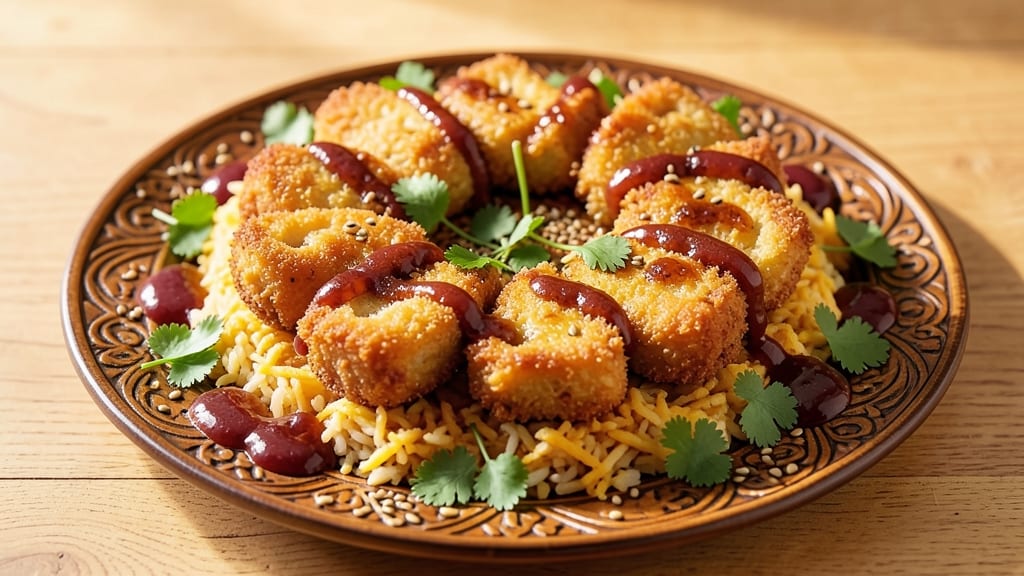
This Chakralu recipe with rice flour delivers the perfect balance of crispy wok-tossed bites and delicate egg ribbons—an Andhra specialty that's both satisfying and elegant. The secret lies in the rice flour batter, which creates a light, lacy texture when fried to golden perfection.
I've perfected this technique over years of testing, ensuring every batch achieves that signature crunch with tender centers.
The dish starts with a simple batter of rice flour, eggs, and a touch of turmeric, which fries into delicate, wispy strands when tossed in hot oil. The key is high heat and constant stirring—just 3-4 minutes transforms the batter into crispy, golden ribbons that pair beautifully with spicy chutneys.
This recipe serves 2-3 as a main course or 4 as a side, making it ideal for weeknight dinners or special occasions.
Ingredients for chakralu recipe with rice flour
The essential ingredients for crispy, golden Chakralu with tender egg ribbons—simple yet transformative.
| Ingredient | Amount | Notes |
|---|---|---|
| Rice Flour 🌾 | 1 cup | Fine-milled, for delicate texture |
| Large Eggs 🥚 | 4 whole | Room temperature for even cooking |
| Turmeric Powder 🌿 | ½ tsp | Bright yellow color indicator |
| Vegetable Oil 🫒 | 2 cups | High smoke point preferred |
| Salt 🧂 | ½ tsp | Fine sea salt preferred |
| Black Pepper 🌶️ | ¼ tsp | Freshly ground for aroma |
| Red Chili Powder 🌶️ | ¼ tsp | Adjust for spice preference |
| Asafoetida Powder 🌿 | ⅛ tsp | Optional, for authentic flavor |
| Green Chilies 🌶️ | 2 whole | Slit lengthwise for garnish |
| Fresh Coriander Leaves 🌿 | ¼ cup | Chopped, for garnish |
| Lemon Juice 🍋 | 1 tbsp | Freshly squeezed, for tang |
| Cumin Seeds 🌿 | ½ tsp | Toasted for aroma |
The rice flour is non-negotiable—it creates those signature lacy strands. Bob's Red Mill or Mawson Contours rice flour work best for that delicate texture. If you can't find rice flour, all-purpose flour mixed with cornstarch (1:1 ratio) is a decent substitute, though the texture won't be identical. The eggs must be room temperature; cold eggs won't blend smoothly into the batter. For the turmeric, Madras brand is widely available at Indian grocery stores and delivers vibrant color. The vegetable oil should have a high smoke point—Avocado or sunflower oil are ideal choices.
No asafoetida? Skip it entirely—this dish is still delicious without it. Fresh green chilies can be swapped for red chili powder at half the amount, but the heat profile will differ. The cumin seeds should be toasted in a dry pan for 30 seconds before grinding—this releases their aroma. If you're short on time, ground cumin works but lacks depth. The lemon juice can be bottled, but freshly squeezed adds a brighter tang. For the garnish, cilantro works in a pinch if coriander isn't available, though it has a different flavor profile.
Store the dry ingredients—rice flour, spices, and asafoetida—in airtight containers in a cool, dark place for up to 6 months. The batter should be made fresh and used immediately for best texture, but it keeps in the fridge for up to 4 hours if stored in an airtight container. Leftover fried Chakralu reheats beautifully in a skillet over medium heat for 2-3 minutes. For a restaurant-quality touch, serve with a side of mint chutney or tamarind rice.
Why You'll Love This Recipe
- No-Fuss Batter: I swear, the dough comes together faster than you can say "turmeric." Just mix rice flour, eggs, and a pinch of salt—no kneading, no fuss. The secret? Let it rest 10 minutes while you heat the oil. That’s it.
- Golden Crisp Magic: That turmeric-infused oil? Chef’s kiss. The moment the chakralu hits the hot oil, it turns a vibrant yellow, then crispy on the outside while staying soft inside. Honestly, the smell alone makes me want to eat them straight from the pan.
- Packable Perfection: I take these to work all the time—just reheat in a dry pan or microwave. They’re my go-to for lunchboxes or quick snacks when I’m running late. (Yes, even on a Tuesday night.) Kids love them cold too, and they’re way better than store-bought chips.
- Pantry Staple Power: Rice flour, eggs, and turmeric? Ingredients you already have. No specialty items, no last-minute grocery runs. And if you make a big batch, they keep for days in an airtight container. Budget-friendly? Absolutely. My wallet thanks me every time.
Step-by-step instructions for wok-tossed chakralu
Master this Andhra specialty with crispy rice flour ribbons and silky egg strands.
Prepare the Spiced Oil Base
Heat the 2 cups vegetable oil in a wok over medium heat until it shimmers but doesn't smoke. Add the 0.5 tsp cumin seeds and toast for 30 seconds until they release their nutty aroma. Immediately remove from heat and stir in the 0.5 tsp turmeric powder, 0.25 tsp red chili powder, 0.125 tsp asafoetida powder, 0.5 tsp salt, and 0.25 tsp black pepper. Let the spice mixture infuse for 2 minutes while you prepare the eggs.
This step creates the flavor foundation. The asafoetida adds that distinctive umami depth while the chili and turmeric build the signature color and heat. Keep the oil warm but not smoking—you want to preserve the delicate flavors without burning them.
Create the Rice Flour Ribbons
In a mixing bowl, whisk together the 1 cup rice flour with 2 tablespoons of the warm spiced oil until it forms a smooth, thick batter. The consistency should be like heavy cream—thick enough to hold its shape when drizzled but fluid enough to flow through the wok. If needed, add 1-2 teaspoons of water to adjust the texture.
Here's the thing—rice flour needs gentle handling. Overmixing develops gluten and makes the ribbons tough. Work quickly once you transfer the batter to the wok, as the heat will set the texture almost immediately.
Cook the Egg Ribbons
In a separate bowl, whisk the 4 whole large eggs with the 1 tbsp lemon juice until just combined. Heat a clean, dry non-stick skillet over medium-low heat and pour in the egg mixture. Using a spatula, gently swirl the eggs in one direction until they form thin, silky ribbons that curl at the edges. This should take about 1 minute. Remove and set aside on a plate.
The lemon juice prevents the eggs from overcooking while adding a bright tang. You want ribbons that are just set but still slightly translucent in the center—they'll continue cooking when tossed with the rice flour. If they look fully cooked, your heat is too high.
Assemble and Toss
Return the wok with the spiced oil to medium-high heat. Working quickly, pour the rice flour batter into the wok and immediately use a spatula to spread it into thin, even ribbons. Cook for 30 seconds until the edges turn golden and crisp. Add the slit green chilies and the 0.25 cup chopped fresh coriander leaves, tossing gently to incorporate.
Now add the egg ribbons and toss everything together for 15-20 seconds until the eggs are heated through and the chakralu reaches an even golden color. The tossing motion creates the signature texture contrast—crispy rice flour ribbons with tender, silky egg strands. Work quickly to maintain that perfect texture.
Finish and Serve Immediately
Transfer the chakralu to a serving platter and garnish with additional chopped coriander leaves. Serve immediately while still hot and crisp. The contrast between the crunchy rice flour ribbons and the delicate egg strands is what makes this dish special.
For best results, serve with a side of mint chutney or tamarind rice. The dish should be piping hot when you eat it—waiting even a few minutes will make the rice flour ribbons lose their crispness. Each bite should deliver that satisfying crunch followed by the silky egg texture and aromatic spice blend.
Pro Tips For Making Chakralu Recipe With Rice Flour
- Sift the Rice Flour: I learned this the hard way—lumpy batter ruins everything. Use a fine-mesh sieve and tap it firmly over a bowl to break up clumps before adding eggs or water. The smoother the batter, the lighter and crispier your chakralu will be.
- Crack Eggs Last: Turmeric stains like a nightmare, and once it’s mixed in, you’ll regret not prepping everything first. Crack your eggs into a separate bowl after combining the rice flour, turmeric, and salt. That way, you avoid turning your whole workspace into a yellow crime scene.
- Fry in Batches: I used to overload the pan thinking it’d save time, but the oil temperature plummets, and your chakralu turns greasy instead of golden. Keep it to 3-4 pieces per batch—crowding steals heat, and you’ll end up with soggy bottoms.
- Rest the Batter: Sounds weird, but it works: let the batter sit for 10 minutes after mixing. The rice flour absorbs moisture unevenly at first, and resting ensures a consistent texture. Skip this, and your chakralu might puff unevenly or crack open while frying. (Yes, even if you’re impatient like me.)
Essential equipment for great chakralu recipe with rice flour
Wok Essentials
Start with a carbon steel wok—it heats up quickly and retains heat evenly, which is crucial for achieving those signature crispy ribbons. My go-to is a 14-inch round-bottom wok from Made In (they're affordable and durable).
If carbon steel isn't an option, a stainless steel wok works too, but it requires more frequent stirring to prevent sticking. Avoid non-stick woks for this recipe—the high heat needed for crispiness can degrade the coating.
For the best results, preheat your wok over medium-high heat for 2-3 minutes before adding oil. This ensures even cooking and prevents the batter from absorbing excess oil.
I like to test the heat by flicking a few drops of water into the wok—if they sizzle and evaporate instantly, you're ready to go. 🔥
Oil Selection
Use high-smoke-point oils like avocado oil or sunflower oil—they can handle the high heat without breaking down. I avoid olive oil because it burns easily and imparts a bitter flavor.
For a more authentic touch, groundnut (peanut) oil is commonly used in Andhra cuisine, but it has a stronger flavor profile. Measure 2 cups of oil precisely—too little won't create enough space for the ribbons to crisp, while too much will make them greasy.
Pro tip: Keep your oil at 350°F during cooking. Use an instant-read thermometer to monitor the temperature—it should never exceed 375°F or the rice flour will burn before it crisps. If you don't have a thermometer, watch the oil closely: it should shimmer but not smoke excessively. 🌡️
Batter Tools
For the rice flour batter, a whisk is essential to avoid developing gluten, which can make the ribbons tough. I use a balloon whisk from OXO—it creates smooth, lump-free batter with minimal effort.
A small mixing bowl (about 8-inch diameter) works best for blending the rice flour and oil. If your batter seems too thick, add water 1 teaspoon at a time until it reaches the consistency of heavy cream.
When tossing the chakralu in the wok, a heat-resistant silicone spatula (like the Nordic Ware brand) is a game-changer. It glides through the hot oil without damaging your wok or sticking to the crispy ribbons. Avoid metal spatulas—they can scratch carbon steel and leave a metallic taste. 💪
Egg Prep Gear
For the egg ribbons, a non-stick skillet (like All-Clad Stainless) is ideal—it prevents sticking and makes swirling the eggs effortless. Heat the skillet over medium-low heat to avoid overcooking the edges.
A spatula with a flexible edge (such as the Mercer Culinary Genesis) helps create those delicate, silky strands without tearing them.
Whisk the eggs in a small glass bowl (I prefer Pyrex) because it allows you to see the ribbons forming as you swirl. The lemon juice should be freshly squeezed—bottled juice lacks the bright tang needed to balance the richness of the eggs.
Once the ribbons are set, transfer them to a wire rack to keep them warm while you finish the rice flour ribbons. This prevents sogginess when tossing. ✨
Garnish Must-Haves
Fresh coriander leaves and green chilies are non-negotiable for garnish. I chop the coriander with a sharp chef's knife (like Wüsthof) for even, bite-sized pieces. For the green chilies, use a serrated knife to slit them lengthwise without removing the seeds—this adds heat without overwhelming the dish.
A small cutting board (about 10x12 inches) keeps your workspace organized while prepping garnishes.
For serving, a wooden plate or banana leaf adds an authentic touch, especially if you're serving this dish for a special occasion. The natural fibers of the leaf enhance the aroma of the chakralu, making each bite feel even more special.
If you're short on time, a ceramic platter works just fine—just make sure it's heat-resistant. 🌿
Nutrition facts
Frequently asked questions
Can I make chakralu without a wok?
A wok is ideal, but you can use a 12-inch cast iron skillet or even a large non-stick frying pan in a pinch. The key is maintaining high, even heat and keeping the oil at 350°F. If using a flat pan, work in batches to avoid overcrowding—this prevents the ribbons from steaming instead of crisping. A carbon steel or stainless steel pan works best for heat retention.
Why did my chakralu turn out greasy instead of crispy?
Greasy chakralu usually means the oil wasn't hot enough or the batter was too thick. For crispiness, maintain oil at 350°F and keep the batter at heavy cream consistency. Test heat by flicking water droplets—they should sizzle instantly. If your batter separates, whisk vigorously to re-emulsify. Also, avoid overcrowding the wok during frying.
Can I prepare chakralu ahead of time?
Fresh is best, but you can prep components in advance. Make the spiced oil base and store it in the fridge for up to 2 days. The batter should be made fresh (it thickens when cold). For leftovers, reheat in a skillet over medium heat for 2-3 minutes—the crispiness won't return, but it's still delicious. The egg ribbons must be cooked fresh to maintain their silky texture.
What's the best way to adjust the spice level?
Start with the 0.25 tsp red chili powder and adjust to taste. For extra heat, add 1-2 finely chopped green chilies to the oil base. If you prefer mild flavor, reduce the chili powder to 0.125 tsp and skip the green chilies. The asafoetida (0.125 tsp) adds depth without heat—omit it if you dislike its strong aroma. Always taste the spiced oil before adding the batter.
How does chakralu differ from other rice flour dishes?
Unlike appam (steamed rice flour cakes) or idiyappam (cylindrical rice noodles), chakralu features delicate ribbons created by tossing the batter in hot oil. The egg ribbons distinguish it from purely vegetarian rice flour dishes. The high-heat wok tossing technique creates that signature crispy-yet-light texture, while the spiced oil base provides depth that's missing in simpler rice flour preparations.