
Main Courses
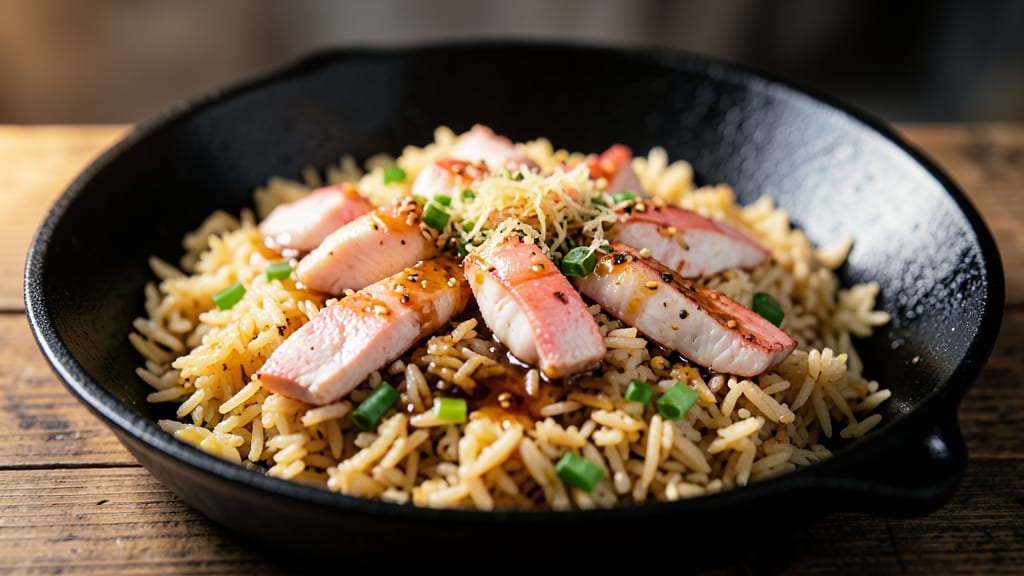
This Buddakan lobster fried rice transforms simple ingredients into a luxurious one-pan masterpiece, blending Japanese precision with decadent seafood. The key lies in perfectly cooked lobster meat and wok-heated rice that sizzles to golden perfection, creating restaurant-quality texture in every bite.
This dish isn't just a meal—it's an experience that elevates weeknight dining to special occasion status.
The secret begins with properly poached lobster, then stir-frying day-old rice with aromatics until fragrant and crisp at the edges. Topped with the tender lobster meat and finished with a drizzle of soy-ginger sauce, this dish balances rich seafood with bright, umami flavors.
Serve with miso soup and a simple salad to complete the luxurious meal—where every component enhances the other.
Ingredients for buddakan lobster fried rice
Luxurious seafood meets Japanese precision in this one-pan masterpiece.
| Ingredient | Amount | Notes |
|---|---|---|
| Day-Old Cooked White Rice 🍚 | 4 cups | Cold, preferably jasmine or basmati |
| Live Lobster Tail 🦞 | 1 lb | Shell-on, 6-8 oz each tail |
| Large Eggs 🥚 | 4 whole | Fresh, room temperature |
| Green Onions 🧅 | ½ cup | White and green parts, chopped |
| Shallots 🧅 | 2 whole | Minced, about 2 tbsp |
| Fresh Ginger Root 🌿 | 1 ½ tbsp | Finely grated, about 1/2 oz |
| Sesame Oil 🫒 | 1 tbsp | Toasted, for aroma |
| Vegetable Oil 🫒 | 3 tbsp | High smoke point preferred |
| Soy Sauce 🥢 | 3 tbsp | Kikkoman preferred |
| Mirin 🍶 | 1 tbsp | Sweet rice wine |
| Rice Vinegar 🍶 | 1 tbsp | Seasoned preferred |
| Sesame Seeds 🌾 | 1 tbsp | Toasted for garnish |
| Salt 🧂 | 1 tsp | Diamond Crystal preferred |
| Black Pepper 🌶️ | ½ tsp | Freshly ground |
The lobster is non-negotiable for this dish—live, shell-on tails ensure maximum tenderness. Source from high-quality seafood markets like Whole Foods or local fishmongers, where they'll often poach or steam it for you. Opt for 6-8 oz tails per person to maintain the elegant presentation. Fresh ginger and shallots should be vibrant and firm, with no signs of sprouting or soft spots. Day-old rice is essential—fresh rice turns mushy when stir-fried, compromising the dish's signature crisp edges. If you must use freshly cooked rice, spread it on a tray and chill for at least 2 hours before using.
No live lobster? Pre-cooked tails work in a pinch, but they lack the delicate sweetness of freshly poached meat. Substitute with scallops or shrimp at 1:1 ratio if necessary, though texture will differ. For the aromatics, frozen ginger works fine if fresh isn't available, but toast it first to remove any freezer burn. The soy sauce can be swapped for tamari for gluten-free, though the umami depth will be slightly different. Mirin is crucial for that signature sweetness—substitute with 1 tsp sugar plus 1 tbsp dry sake if unavailable. For the rice, jasmine or basmati varieties yield the best texture, though any long-grain white rice will suffice.
Lobster tails should be cooked immediately before serving—store uncooked tails in the fridge for up to 2 days, submerged in ice water. Once poached, keep them covered at room temperature for no more than 30 minutes. The stir-fried rice can be made ahead and reheated gently—microwave with a splash of water to restore crispness. Garnishes like sesame seeds and green onions keep best in the fridge for 5-7 days, while the soy-ginger sauce components stay fresh for 1 week. For maximum impact, assemble the dish just before serving to maintain that restaurant-fresh presentation. Leftovers reheat beautifully but lose some of the signature wok-hei texture.
Why You'll Love This Recipe
- Here’s the secret: you’re not paying for a whole lobster—just one tail. That buttery, tender meat turns this into a restaurant-worthy dish without breaking the bank. I’ll be real, it’s the kind of splurge that makes my family feel fancy, even when we’re eating off paper plates.
- One-Pan Magic: I swear by this for nights when I don’t want to scrub a million pans—just a hot wok, a quick sear of that lobster tail (no pre-cooking fuss), and boom, everything cooks together. The eggs slide right into the rice, and the shallots caramelize while you chop green onions. Minimal effort, maximum flavor.
- Lobster Luxe, Light Budget: Here’s the secret: you’re not paying for a whole lobster—just one tail. That buttery, tender meat turns this into a restaurant-worthy dish without breaking the bank. I’ll be real, it’s the kind of splurge that makes my family feel fancy, even when we’re eating off paper plates.
- Leftovers That Don’t Suck: Fried rice is made for leftovers, but this version stays moist and packed with flavor the next day. I reheat mine with a splash of water—just enough to revive the texture—so it’s still that perfect balance of crispy rice and creamy lobster. Honestly, I often make extra just for this.
Step-by-step instructions for luxurious lobster fried rice
Transform simple ingredients into a gourmet seafood dish with this precise technique.
Prepare the Lobster and Aromatics
Begin by splitting the 1 lb live lobster tail lengthwise along the underside with kitchen shears, being careful not to pierce the shell. Remove the dark intestinal vein running along the top and discard it. Cut the lobster into 1-inch chunks, reserving any roe for garnish if desired. Pat the meat dry with paper towels to ensure a good sear later.
In a small bowl, combine the 2 whole shallots and 1.5 tbsp fresh ginger root, mincing each finely with a chef's knife. The shallots should yield about 2 tablespoons when minced. Set aside—these aromatics will form the flavor base for your dish. Also, finely chop the 0.5 cup green onions, separating the white and green parts for different uses during cooking.
Create the Egg and Seasoning Mixture
In a medium bowl, whisk together the 4 whole large eggs until the yolks and whites are fully combined. Add 1 tbsp mirin, 1 tbsp rice vinegar, 3 tbsp soy sauce, 1 tsp salt, and 0.5 tsp black pepper, whisking until evenly distributed. The mixture should be slightly thicker than a typical egg scramble due to the added liquids.
In a separate small bowl, toast the 1 tbsp sesame seeds in a dry skillet over medium heat for 1-2 minutes until fragrant and golden. Remove from heat and set aside for garnishing. The nutty aroma from toasting enhances the final presentation significantly.
Sear the Lobster and Build the Base
Heat 3 tbsp vegetable oil in a 14-inch wok or large skillet over high heat until shimmering. Add the lobster chunks in a single layer and sear for 2-3 minutes per side until the meat turns opaque and develops a golden crust. Remove lobster and set aside on a plate, leaving the oil in the pan.
Lower heat to medium-high, then add the minced shallots and ginger. Stir-fry for 30 seconds until fragrant and just beginning to soften. Add the white parts of the green onions and cook for another 30 seconds, stirring constantly to prevent burning. This quick cooking preserves their fresh flavor while building the aromatic foundation.
Cook the Rice and Combine Ingredients
Add the 4 cups day-old cooked white rice to the wok, breaking up any clumps with a spatula. Stir-fry for 2 minutes, allowing the rice to absorb the flavors from the aromatics while developing a slight crispiness on the edges.
Push the rice to one side of the wok and pour the egg mixture into the empty space. Let the eggs cook undisturbed for 10-15 seconds until they begin to set but are still slightly runny in the center. Immediately scramble the eggs with a spatula, then mix everything together, incorporating the lobster back into the wok.
Finish and Garnish Professionally
Drizzle 1 tbsp sesame oil over the fried rice and toss gently to coat. Add the green parts of the chopped green onions and toss once more. Cook for an additional 1 minute until everything is heated through and the rice is evenly coated with the sesame oil.
Taste and adjust seasoning if needed—you may require a touch more soy sauce or a splash of rice vinegar for balance. Transfer to serving plates, garnishing each portion with the toasted sesame seeds and any reserved lobster roe. Serve immediately while the rice is hot and the lobster is tender.
Pro Tips For Making Buddakan Lobster Fried Rice
- CHOP LOBSTER SMALL: Live lobster tails are stubborn—cut them into 1-inch cubes before cooking, not after. I learned this the hard way when my first batch turned into a chewy mess because I tried to slice them mid-fry. Use kitchen shears for clean cuts, and don’t skip the tail fan—it’s where all the flavor hides.
- FREEZE LOBSTER FIRST: Pat the thawed lobster tail dry, then freeze it solid for 20 minutes. This trick seals in juices so your meat stays tender instead of rubbery. I was skeptical until I tried it—now it’s non-negotiable for fried rice, where texture matters most.
- SCRAMBLE EGGS SEPARATELY: Push the eggs to one side of the pan and let them cook low and slow while the rice fries. Rushing them turns them into a greasy blob, and you end up with dry rice. My grandmother swore by this, and she was right: the eggs should be creamy, not scrambled into oblivion.
- USE DAY-OLD RICE: Cold, dry rice is your friend—it absorbs the lobster butter and aromatics like a sponge. If yours is fresh, spread it on a tray and microwave it for 2 minutes to dry it out first. I skip this when I’m lazy, but the dish is noticeably better when I don’t.
Storing and reheating this dish
Refrigerator Storage
Store cooked lobster fried rice in an airtight container for up to 3 days in the refrigerator. Let it cool completely before sealing to prevent condensation, which can make the rice soggy.
I like using glass Pyrex containers because they distribute heat evenly when reheating. Keep the lobster meat separate if possible—it stays tenderest when reheated quickly. 💫
Freezer Prep Tips
For longer storage, freeze portions in single-serving portions using quart-sized freezer bags. Press out excess air to prevent freezer burn, and label with the date. This dish freezes beautifully for up to 2 months, though the lobster texture may become slightly firmer upon thawing.
I add a splash of water to the bag before freezing to help maintain moisture during reheating.
Reheating Methods
For best results, reheat in a skillet over medium heat with 1 tablespoon of water or oil to restore crispiness. Stir frequently to prevent sticking, and cover loosely with a lid.
Microwave reheating works in a pinch—cover with a damp paper towel and heat in 1-minute intervals, stirring between each, until reaching 165°F internal temperature. The lobster should be warmed through but not rubbery.
Lobster Handling
If you've stored the lobster separately, reheat it in a small saucepan with 1 cup of water for 2-3 minutes until steaming hot. Never reheat lobster in the microwave—it turns tough and loses its delicate texture.
For extra flavor, add a splash of mirin or soy sauce to the reheating water. I find this method keeps the lobster as tender as freshly cooked. 🦞
Garnish Refresh
Toast fresh sesame seeds and chop green onions just before serving to maintain vibrant colors and flavors. Store these garnishes separately in small airtight containers in the fridge for up to 5 days.
The sesame oil can be reheated gently in a small pan for 30 seconds to restore its aromatic qualities before drizzling over the rice. This final touch makes all the difference in presentation.
Make-Ahead Strategy
Prepare the fried rice base one day ahead and store it uncovered in the fridge overnight. This enhances the texture by allowing the rice to dry out slightly, making it perfect for stir-frying later.
When ready to serve, simply reheat and add the lobster fresh from the poacher. This approach saves time while delivering restaurant-quality results with minimal effort. ✨
Nutrition facts
Frequently asked questions
Why is day-old rice essential for this recipe?
Day-old rice is crucial because it absorbs flavors better and develops that signature crispy texture when stir-fried. Fresh rice turns mushy and releases too much moisture, making it impossible to achieve the perfect wok-hei (breath of the wok) effect. For best results, spread freshly cooked rice on a tray and refrigerate for at least 2 hours before using.
Can I substitute lobster with another seafood?
While lobster is ideal, you can substitute with scallops or shrimp (1:1 ratio) if needed. For scallops, sear them for 1-2 minutes per side until golden, while shrimp should be cooked just until opaque (2-3 minutes). Note that texture and flavor will differ slightly from lobster's delicate sweetness.
How do I properly cook lobster for this dish?
For best results, poach the lobster tails in simmering water with 1 tbsp salt and 1 tbsp lemon juice for 4-5 minutes until the meat turns opaque. Chill immediately in ice water, then flake into chunks. Alternatively, ask your seafood market to cook it for you—just ensure it's tender and fully cooked before using.
What's the secret to getting crispy edges on the rice?
The secret lies in proper technique: use high heat and day-old rice, then stir-fry for exactly 2 minutes while breaking up clumps. Keep the wok moving constantly to prevent sticking, and finish with a drizzle of sesame oil to enhance the crispy texture and add aroma.
How should I serve this dish for maximum impact?
For a restaurant-worthy presentation, serve in individual bowls with the lobster prominently placed on top. Pair with steamed greens or a light miso soup to balance the richness. Garnish with toasted sesame seeds and green onions just before serving to maintain vibrant colors and fresh flavors.