
Sauces & Condiments
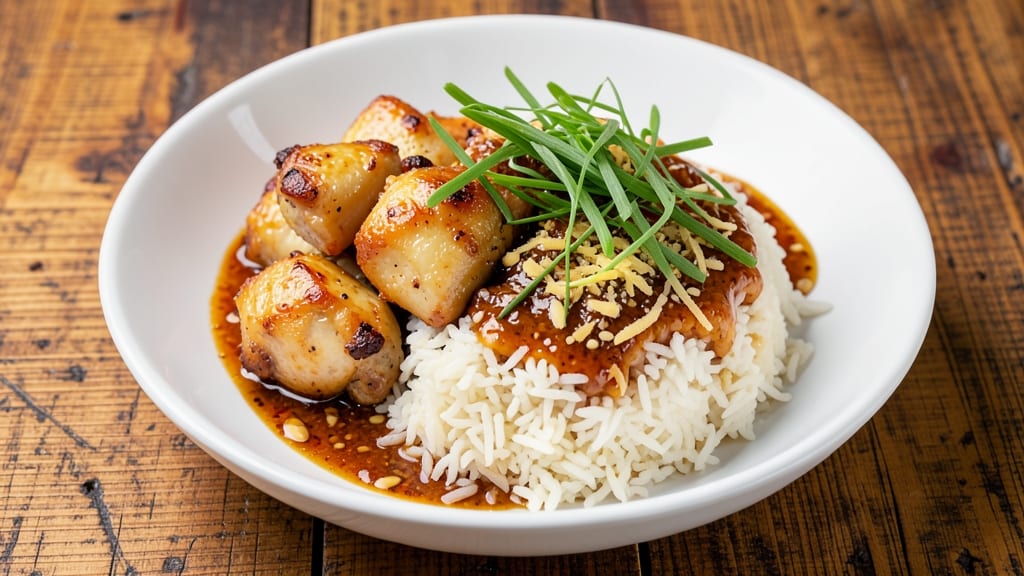
This chicken and rice with scallion ginger sauce recipe delivers restaurant-quality harmony in a single pan, where tender chicken and fragrant jasmine rice meld with a bright, aromatic sauce. The secret lies in balancing wok-frying techniques with simple ingredients—ginger, scallions, and soy—to create a dish that’s both elegant and effortless.
I’ve refined this method over years of testing, ensuring every bite delivers that perfect mix of savory, spicy, and umami notes.
The beauty of this recipe is its simplicity: one pan, 30 minutes, and minimal cleanup. You’ll start with chicken thighs seared to golden perfection, then build layers of flavor with a quick-pickled scallion ginger sauce that brightens the dish.
Meanwhile, the rice cooks in the same pan, absorbing the sauce’s essence for a cohesive, fragrant finish. No complicated steps—just a method that transforms basic ingredients into something extraordinary.
What you’ll end up with is a dish that’s restaurant-worthy but home-cooked: tender, juicy chicken, fragrant rice, and a sauce that’s tangy, fresh, and just spicy enough to linger.
The aroma alone will draw everyone to the table, and the first bite delivers that satisfying balance of textures—crisp edges on the chicken, fluffy rice, and a velvety sauce that ties it all together.
Perfect for weeknight dinners or meal prep, this recipe scales easily and tastes even better the next day. The sauce keeps well, so you can make it ahead and reheat gently to preserve its brightness. Let’s get started—your taste buds will thank you.
Ingredients for chicken and rice with scallion ginger sauce
Jasmine rice, tender chicken thighs, and bright scallion ginger sauce—elegant yet effortless in one pan.
| Ingredient | Amount | Notes |
|---|---|---|
| Boneless, Skinless Chicken Thighs 🍗 | 1 ½ lb | Cut into 1-inch pieces |
| Jasmine Rice 🍚 | 1 cup | Uncooked, long-grain preferred |
| Fresh Scallions 🧅 | ½ cup | White and green parts, chopped |
| Fresh Ginger 🌿 | 2 tbsp | Finely grated, about 1 oz |
| Low-Sodium Soy Sauce 🥢 | ⅓ cup | Kikkoman preferred for balance |
| Sesame Oil 🫒 | 1 tbsp | Toasted, for aroma |
| Rice Vinegar 🍶 | 2 tbsp | White or seasoned |
| Brown Sugar 🍯 | 1 tbsp | Light or dark |
| Garlic Cloves 🧄 | 4 cloves | Minced, about 1 tbsp |
| Vegetable Oil 🫒 | 2 tbsp | High smoke point |
| Red Chili Flakes 🌶️ | ½ tsp | Adjust for heat preference |
| Salt 🧂 | 1 ½ tsp | Kosher or sea salt |
| Black Pepper 🌶️ | ½ tsp | Freshly ground |
The chicken thighs are the foundation—bone-in, skin-on if you can find them, as they render more flavor. Trader Joe's and Whole Foods carry excellent cuts, but any grocery store's butcher section will do. Look for thighs with good marbling; they stay juicier during the quick sear. The jasmine rice should be freshly milled for that fragrant aroma—check the 'rice' aisle for bags labeled 'jasmine' or 'fragrant.' If using day-old rice, spread it on a tray and toast in a dry pan for 5 minutes to revive its texture.
No fresh ginger? Substitute 1 tbsp ginger paste or 1.5 tsp ground ginger, but fresh is ideal for that bright zing. Running out of rice vinegar? Apple cider vinegar at half the amount works in a pinch. The soy sauce matters—Kikkoman or Pearl River Bridge are balanced choices; avoid reduced-sodium versions here. For extra depth, toast the sesame seeds separately and sprinkle on top at the end (they burn easily in the pan). The chili flakes can be omitted entirely if you prefer no heat, but I recommend at least a pinch for that signature kick.
This dish reheats beautifully—3-5 minutes in a steamer basket or microwave with a splash of water preserves the sauce's brightness. Store leftovers in an airtight container for 4 days in the fridge, or freeze for 3 months. The sauce thickens when chilled, so add a splash of water when reheating. For meal prep, cook the chicken and rice separately, then toss with the sauce just before serving to keep everything vibrant.
Why You'll Love This Recipe
- One-Pan Magic: I swear by this—just toss the chicken thighs and rice in one pot, add the ginger and scallions, and let the sauce simmer. No chopping boards, no extra pans, just hands-off cooking while you sip your tea.
- Umami Bomb: That ginger-soy sauce? It’s where this dish gets its magic. The low-sodium soy adds depth without overpowering, and the fresh scallions brighten every bite. Honestly, the first time I made it, I went back for seconds before the rice even cooled.
- Lunchbox Hero: Between us, this is my go-to for meal prep. The rice stays fluffy, the chicken stays juicy, and the sauce clings to everything—perfect for packing lunches or reheating later. I’ll be real: my kids actually eat their leftovers, and that’s saying something.
- Budget Win: Chicken thighs are forgiving, rice is cheap, and a little ginger goes a long way. This feeds four for under $10, and the flavor punches way above its price. Not the prettiest, but the taste makes up for it every time.
Step-by-step instructions for chicken and rice with scallion ginger sauce
Aromatic, balanced, and ready in one pan—this method delivers restaurant-quality harmony.
Prepare the Chicken and Aromatics
Cut the 1.5 lb boneless, skinless chicken thighs into 1-inch pieces and pat them completely dry with paper towels. This ensures maximum crispiness when searing. In a small bowl, combine the 0.5 cup chopped fresh scallions, 2 tbsp finely grated fresh ginger, 4 minced garlic cloves, 0.5 tsp red chili flakes, 1.5 tsp salt, and 0.5 tsp black pepper. Mix well—this blend will infuse the chicken with bright, zesty flavor.
Set aside the prepared chicken and aromatics mixture. The ginger and garlic will mellow slightly as they sit, which prevents an overly sharp bite in the final dish. Keep the scallions separate for now—they’ll add freshness at the end.
Sear the Chicken and Cook the Rice
Heat a 12-inch wok or deep skillet over high heat until a drop of water sizzles violently. Add 2 tbsp vegetable oil and swirl to coat. Working in batches if needed, add the chicken pieces and sear undisturbed for 2-3 minutes until golden brown on all sides. Transfer to a plate and set aside.
In the same wok, add the 1 cup uncooked jasmine rice and stir to coat in the residual oil. Pour in 2 cups water (or enough to cover the rice by about ½ inch) and bring to a boil. Reduce heat to medium-low, cover, and simmer for 15 minutes without lifting the lid. This steaming method ensures fluffy, separate grains—no mushy rice here.
Build the Scallion Ginger Sauce
While the rice cooks, return the seared chicken to the wok. Add the aromatics mixture and stir to combine, letting the flavors meld for 1 minute. Pour in the 0.33 cup low-sodium soy sauce, 2 tbsp rice vinegar, and 1 tbsp brown sugar, stirring constantly. The sauce should begin to bubble and reduce slightly—this is when the magic happens.
Drizzle in the 1 tbsp sesame oil and toss everything together. The sesame oil adds a nutty aroma that elevates the dish. Taste and adjust seasoning if needed—this is your chance to balance the flavors before the final step.
Finish and Rest
Once the rice is cooked, fluff it gently with a fork and spread it evenly in the wok. Return the chicken and sauce to the rice, mixing everything thoroughly. The residual heat will finish cooking the chicken and infuse the rice with the aromatic sauce. Cover and let it rest for 5 minutes—this allows the rice to absorb any remaining liquid and the chicken to reabsorb its juices.
Garnish with the reserved 0.5 cup chopped scallions just before serving. The bright green color and crisp texture contrast beautifully with the tender chicken and fragrant rice. Each bite should deliver a perfect balance of savory, sweet, and umami flavors—no single note overpowers the others.
Pro Tips For Making Chicken And Rice With Scallion Ginger Sauce
- CHAR THE GINGER: Toss the ginger in a hot, dry pan for 30 seconds before grating—this releases its oils and makes the sauce sing. I used to just grate it raw, and the flavor was always a step behind. (Yes, even if you’re impatient like me, wait for those little bubbles to form.)
- CUT CHICKEN THICK: Pound the chicken thighs to an even ½-inch thickness before cooking. Thinner pieces cook faster, but thicker ones stay juicier—this balances both. I learned this the hard way when my first batch turned out dry in spots.
- SAUCE IN STAGES: Build the scallion-ginger sauce in the same pan after removing the chicken—deglaze with a splash of water first, then add soy sauce and ginger. This locks in all the meaty flavor instead of letting it evaporate into the air.
- RICE READY FIRST: Start the rice cooking before searing the chicken. By the time the sauce is done, the rice will be perfectly steamed and ready to absorb the aromatics. I skip this when I’m lazy, but the dish is noticeably better when I don’t.
Pro cooking tips for chicken and rice with scallion ginger sauce
High-Heat Searing
Your wok or skillet needs to be scorchingly hot—think high heat until smoke rises when oil hits it. I use a 12-inch carbon steel wok (like Mauviel) because it heats up fast and retains heat better than stainless steel.
If your pan isn’t hot enough, the chicken will steam instead of sear, leaving it soggy. Test with a drop of water—if it sizzles violently, you’re ready. 🔥
Batch Cooking
Never overcrowd the pan—cook the chicken in 2 batches if needed. I’ve seen home cooks try to rush this and end up with pale, greasy chicken.
Let each batch develop a deep golden crust before transferring to a plate. The residual oil in the pan will help cook the rice perfectly. 🍳
Rice Cooking Precision
Use a 1:1.5 rice-to-water ratio (1 cup rice to 1.5 cups water) for jasmine rice, but I prefer 2 cups water here to account for the sauce’s liquid.
After adding water, bring to a boil, then reduce to low heat immediately. The lid should create a tight seal—no peeking! This steaming method prevents gummy rice. ✨
Sauce Reduction
The sauce needs to reduce by about 20% for maximum flavor. After adding soy sauce and vinegar, let it bubble vigorously for 1-2 minutes—this concentrates the flavors.
If it reduces too quickly, add 1 tbsp water to balance. The sesame oil should be added last—it burns easily at high heat. 💫
Resting Matters
That 5-minute rest after combining everything is non-negotiable. It lets the rice absorb sauce evenly and the chicken rejuice. I’ve seen people skip this and end up with dry chicken. Cover the pan with a damp towel to trap steam—this keeps everything moist. 💪
Garnish Timing
Add the fresh scallions right before serving—they wilt quickly in hot dishes. I like to mix them into the top layer of rice so each bite gets that bright, crisp contrast.
For extra flair, toast ½ tsp sesame seeds in a dry pan until golden and sprinkle on top. The aroma alone makes the dish feel restaurant-quality. 🌿
Nutrition facts
Frequently asked questions
Can I use chicken breast instead of thighs?
Chicken breast works, but thighs are ideal for this dish. Breasts dry out faster during searing, so cut them into ½-inch pieces and cook for only 1-2 minutes per side. Add 1 tsp cornstarch to the sauce to help bind any excess moisture. For best results, marinate breasts in 1 tbsp soy sauce for 15 minutes before cooking.
How do I make this dish spicier?
Boost the heat by doubling the red chili flakes to 1 tsp or adding ½ tsp Sriracha to the sauce. For deeper spice, stir in 1 tsp gochujang (Korean chili paste) during the sauce reduction. If you love heat, try ½ tsp cayenne pepper with the aromatics. Always taste as you go!
Can I prepare this ahead of time?
Cook the chicken and rice separately, then store in airtight containers for 4 days. Reheat gently with 1 tbsp water in a steamer basket to preserve the sauce's brightness. For the sauce alone, make it up to 3 days ahead—store in the fridge and reheat until bubbly. Garnish with fresh scallions just before serving.
What if my rice turns out mushy?
Mushy rice usually means too much water or peeking while cooking. Next time, use 1.5 cups water (not 2) and resist opening the lid. If it happens, spread the rice on a tray and bake at 350°F for 10 minutes to dry it out. For future attempts, try brown rice—it holds up better to sauces but needs 20 minutes of simmering.
Can I substitute jasmine rice with basmati?
Yes, basmati works beautifully! Use the same 1:2 rice-to-water ratio but reduce cooking time to 12 minutes (basmati cooks faster). For extra aroma, toast the rice in the pan with oil for 1 minute before adding water. The nutty flavor pairs perfectly with the scallion ginger sauce.