
Main Courses
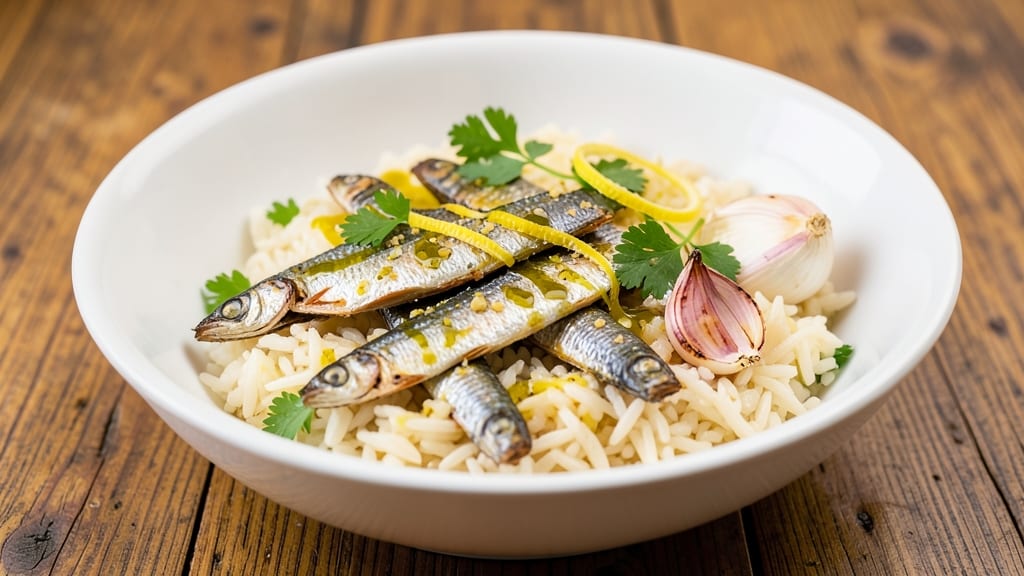
This canned sardines and rice recipe transforms pantry staples into a Mediterranean-inspired, protein-packed meal in just 15 minutes. The secret lies in balancing the rich, briny flavor of sardines with fluffy rice and bright aromatics—creating a dish that’s both budget-friendly and restaurant-worthy.
Perfect for pescatarians or anyone craving a quick, satisfying lunch or dinner.
Start with long-grain white rice as the base, cooked to tender perfection, then fold in drained sardines (with or without oil) for a burst of umami. Aromatics like garlic, lemon zest, and fresh parsley elevate the dish, while optional add-ons—such as sautéed spinach or toasted bread—add texture and depth.
This recipe is adaptable, whether you’re recreating a classic Spanish boquerones con arroz or adding a modern twist with chili flakes or smoked paprika.
The result is a flavorful, nutrient-dense bowl that’s ready in minutes but tastes like a labor of love. Sardines provide omega-3s and calcium, while rice offers energy-rich carbs—making this a balanced meal without the fuss.
Serve with a drizzle of olive oil and extra lemon for brightness, or pair it with a crisp green salad for a complete, satisfying plate.
This dish is gluten-free, pescatarian-friendly, and ideal for meal prep—simply store components separately and assemble when ready. Whether you’re feeding one or a crowd, it’s a versatile, budget-conscious solution that proves canned sardines can be the star of the show. Let’s get cooking!
Ingredients for canned sardines and rice
Pantry staples meet Mediterranean magic in this protein-packed, 15-minute bowl—no fancy ingredients required.
| Ingredient | Amount | Notes |
|---|---|---|
| Long-Grain White Rice 🍚 | 1 ½ cups | Uncooked, rinsed thoroughly |
| Canned Sardines in Olive Oil 🐟 | 2 cans | Drained, with or without oil |
| Garlic Cloves 🧄 | 3 cloves | Minced, fresh preferred |
| Lemon Zest 🍋 | 1 tbsp | From 1 large organic lemon |
| Fresh Parsley 🌿 | ¼ cup | Chopped, stems removed |
| Extra-Virgin Olive Oil 🫒 | 2 tbsp | For cooking and finishing |
| Vegetable Broth 💧 | 1 ½ cups | Low-sodium preferred |
| Red Bell Pepper 🌶️ | 1 whole | Diced, any color |
| Smoked Paprika 🌶️ | ½ tsp | For depth of flavor |
| Ground Black Pepper 🌶️ | ¼ tsp | Freshly cracked |
| Kosher Salt 🧂 | 1 tsp | Diamond Crystal preferred |
| Fresh Lemon Juice 🍋 | 1 tbsp | From same lemon as zest |
| Optional Baby Spinach 🥬 | 1 cup | Sautéed until wilted |
| Optional Toasted Bread 🍞 | 4 slices | For serving |
The sardines are the star, so pick the best can you can find—look for brands like Wild Planet or Vital Choice for the freshest taste. The olive oil-packed variety adds richness, but water-packed works just as well if you’re watching calories. Trader Joe's and Whole Foods usually carry high-quality options, but your regular grocery store’s canned fish aisle is fine too. Fresh parsley and lemon zest are non-negotiable for brightness, but if you’re in a pinch, dried parsley at half the amount or extra lemon juice will save the day. The rice should be long-grain—jasmine or basmati work beautifully, but plain white rice is perfect for this quick dish.
No smoked paprika? Regular paprika or a pinch of chili flakes will give you that smoky kick. The vegetable broth can be swapped for water plus a bouillon cube if you’re in a bind, but don’t skip the salt—this is where the flavor builds. For the optional spinach, frozen works just as well as fresh, and if you’re feeling fancy, a handful of kalettes or Swiss chard adds a nice twist. The red bell pepper can be swapped for any color you have on hand, or even diced tomatoes for a brighter acidity. And if you’re serving this as a complete meal, toasted sourdough or crusty bread soaks up every last bit of that sardine-infused rice.
This dish keeps beautifully for 3-4 days in the fridge, making it perfect for meal prep. Store the rice and sardines separately until ready to assemble—this keeps everything fresh and prevents sogginess. The lemon zest and parsley can be prepped ahead and stored in the fridge for up to 3 days, though they’ll lose a bit of their punch. For extra flavor, drizzle with a little more olive oil and cracked black pepper before serving. Leftovers reheat well in the microwave, but I prefer to eat this fresh—it’s that good.
Why You'll Love This Recipe
- Pantry-to-Plate Magic: That jar of sardines? Already cooked. The rice? Five minutes in a pot. Honestly, I’ve made this while waiting for a pan to boil—minimal chopping, no fancy techniques, just garlic sizzling in olive oil until the kitchen smells like summer.
- Umami Bomb: The sardines bring this dish to life—salty, briny, and packed with that deep, savory punch. Add the garlic and lemon zest? Suddenly, it’s bright, herby, and ridiculously more exciting than takeout. (Yes, even on a Tuesday night.)
- Lunchbox Hero: Between us, this is my go-to for packed lunches or last-minute dinners. Toss in some parsley, let it cool, and it’s ready to grab. My college-aged kid still texts me asking for the recipe—proof it travels well.
- Budget Game-Changer: A single can of sardines feeds four for under $3. That’s protein without the price tag, and the rice stretches it even further. Leftovers? Reheat in seconds or toss into salads—zero waste, maximum flavor.
Step-by-step instructions for a Mediterranean protein-packed rice bowl
Here's how to transform simple pantry staples into a vibrant, flavorful dish in record time.
Prepare the Rice for Perfect Texture
Rinse the 1.5 cups of long-grain white rice thoroughly under cold water in a fine-mesh strainer until the water runs clear. This removes excess starch that would otherwise make the rice gummy. Transfer the rinsed rice to a medium saucepan and add the 1.5 cups of vegetable broth. Bring to a boil over medium-high heat, then immediately reduce to a simmer, cover with a tight-fitting lid, and cook for 15 minutes.
Don't peek or stir during cooking—this disrupts the even cooking process. After 15 minutes, turn off the heat and let the rice sit covered for 10 minutes. The residual heat will finish cooking the rice perfectly, and the grains will absorb all the liquid without becoming mushy. Fluff gently with a fork before proceeding.
Build Flavor with Aromatics and Vegetables
While the rice cooks, heat 1 tablespoon of extra-virgin olive oil in a large skillet over medium heat. Add the 3 minced garlic cloves and sauté for 30 seconds until fragrant—don't let it brown or it'll turn bitter. Add the 1 diced red bell pepper and cook for 4-5 minutes until softened and slightly caramelized at the edges.
Stir in the 0.5 teaspoon smoked paprika and 0.25 teaspoon ground black pepper, cooking for another 30 seconds to toast the spices and deepen their flavor. Remove the skillet from heat and set aside—this aromatic base will form the flavor foundation for your dish.
Incorporate the Sardines and Acidic Elements
In the same skillet, add the 2 drained cans of sardines in olive oil (including any oil from the cans) and break them into smaller pieces with a wooden spoon. Stir in the 1 tablespoon lemon zest and 1 tablespoon fresh lemon juice, letting the citrus brighten the rich sardine flavor. Cook for 2 minutes until everything is well combined and heated through.
Here's where the magic happens: the lemon's acidity cuts through the oiliness of the sardines while enhancing their umami depth. If using the 1 cup of optional baby spinach, add it now and stir until just wilted—about 1 minute. The spinach will soften quickly from the residual heat.
Combine Everything for Maximum Flavor
Transfer the cooked rice to the skillet with the sardine mixture and gently fold everything together. Add the 1 teaspoon kosher salt and 0.25 cup chopped fresh parsley, distributing it evenly throughout. The parsley adds freshness that balances the richness of the sardines and rice.
Taste and adjust seasoning if needed—you might want to add a splash more lemon juice or a pinch of salt. The dish should be vibrant, with bright citrus notes cutting through the savory sardines and smoky paprika. Let it sit together for 2 minutes to allow all the flavors to meld completely.
Serve with Optional Toasted Bread
Divide the sardine rice mixture evenly among 4 serving bowls. If using the 4 slices of optional toasted bread, serve them on the side for dipping or as a base. The bread soaks up any extra sauce while adding a satisfying crunch contrast to the creamy rice.
Garnish each serving with an additional sprinkle of parsley and a final drizzle of 1 tablespoon extra-virgin olive oil for extra richness. The dish should be warm and inviting, with each bite delivering a perfect balance of textures and flavors—creamy rice, flaky sardines, crisp vegetables, and bright citrus.
Pro Tips For Making Canned Sardines And Rice
- Drain and Rinse Sardines: I learned this the hard way—those canned sardines in olive oil are packed with salt. Drain them first, then rinse briefly under cold water to cut through the heaviness before mixing with rice. The flavor stays, but the dish won’t taste like a salt block.
- Toast the Garlic Low: Skip the high-heat sizzle—it burns before you know it. Instead, cook the garlic cloves in the same olive oil (from the sardines) on medium-low for 2-3 minutes until fragrant but still pale gold. Overcooked garlic turns bitter, and nobody wants that in their bright, lemony rice.
- Use Lemon Zest, Not Juice: Zest is the game-changer here—it adds brightness without making the rice soggy. Grate just the yellow part (no white pith) and fold it into the rice after cooking. Juice would dilute the dish and turn it into a sad, watery mess. A teaspoon is enough; trust me, you don’t need more.
- Stir in Parsley Last: Chop the parsley fine and add it right at the end while the rice is still hot. This keeps the leaves vibrant and prevents them from wilting into a sad, mushy pile. If you’re lazy, a quick pulse in the food processor works—just don’t skip it entirely. The freshness cuts through the richness of the sardines.
Common mistakes when making great canned sardines and rice
Overcooking the Rice
One of the biggest mistakes is letting the rice cook too long or stirring it while cooking. This turns the grains mushy and gummy.
I’ve learned that once the rice starts boiling, you should immediately reduce to a simmer, cover tightly, and never peek or stir for the full 15 minutes. After cooking, let it rest covered for 10 minutes—this is when the rice absorbs all the liquid perfectly.
The result should be fluffy, separate grains, not a sticky clump. 🍚
Skipping the Lemon
The lemon zest and juice are essential for cutting through the richness of the sardines. Without them, the dish can taste too heavy or fishy. I always add the zest first to infuse the oil, then finish with fresh juice.
If you’re short on time, a splash of lemon juice concentrate works in a pinch, but fresh is always better. The acidity also helps balance the smoky paprika and garlic flavors.
Ignoring the Oil from Sardines
If you’re using sardines packed in olive oil, don’t drain them completely—keep that oil! It adds richness and helps emulsify the dish. I’ve seen people discard it, which makes the final bowl taste flat and dry.
If your sardines are water-packed, add 1 tablespoon extra olive oil when combining everything to compensate. The oil also helps distribute the flavors evenly throughout the rice. 🫒
Overcrowding the Pan
When sautéing the garlic, bell pepper, and sardines, make sure your skillet isn’t overcrowded. I use a 10-inch nonstick skillet for this recipe, and if it’s too full, the vegetables steam instead of brown. This leads to a soggy texture and dull flavors.
Cook in batches if needed, and don’t rush the process—patience ensures caramelization and depth. A slightly crowded pan also makes it harder to fold everything together smoothly at the end.
Forgetting to Toast the Spices
Smoked paprika and black pepper need a quick toast in the pan to deepen their flavor. Skipping this step means your dish will taste flat and underseasoned. I always cook the spices for 30 seconds after adding the bell pepper, letting their aroma fill the kitchen.
This simple step transforms the dish from good to extraordinary. If you’re using chili flakes instead, toast them for 10 seconds max to avoid bitterness.
Underseasoning the Final Dish
The biggest flavor mistake is not tasting and adjusting before serving. After combining everything, I always take a bite and check if more salt, lemon juice, or even a pinch of smoked paprika is needed. Sardines are salty, but the rice and broth can dilute that flavor.
Don’t be afraid to add ½ teaspoon more salt or an extra squeeze of lemon if needed. The goal is a vibrant, balanced bowl, not a bland one. 💡
Nutrition facts
Frequently asked questions
Can I use water-packed sardines instead of olive oil-packed?
Yes! Water-packed sardines work perfectly—just add 1 tablespoon extra olive oil when combining with the rice to maintain richness. The flavor will be slightly lighter, but the dish remains delicious. For extra depth, stir in ½ teaspoon smoked paprika during the final step to compensate for the lost oil.
What's the best rice for this recipe?
Long-grain white rice is ideal for its fluffy texture, but jasmine or basmati also work beautifully. For a nuttier flavor, try brown rice (simmer for 40 minutes instead of 15 minutes). Avoid short-grain rice like sushi rice—it becomes too sticky when mixed with sardines.
How do I make this recipe gluten-free?
This dish is naturally gluten-free! Just ensure your vegetable broth and smoked paprika are certified gluten-free. For serving, use gluten-free toasted bread or skip it entirely. The sardines and rice base remain safe for gluten-sensitive diets as long as cross-contamination is avoided.
Can I prepare this ahead of time for meal prep?
Cook the rice and sardine mixture separately, then store them in airtight containers for 3-4 days. Reheat the rice in the microwave with a splash of water, then warm the sardines in a pan with a drizzle of olive oil. Assemble fresh to preserve texture—this keeps the rice from becoming mushy and maintains crispness in any toasted bread.
What if I don't have fresh parsley?
No problem! Use ½ teaspoon dried parsley (it's less potent) or swap for chopped cilantro or basil for a different herbal note. If you're out of herbs entirely, a pinch of lemon zest or extra black pepper adds brightness. The dish will still taste vibrant—just slightly different in character!