
Main Courses
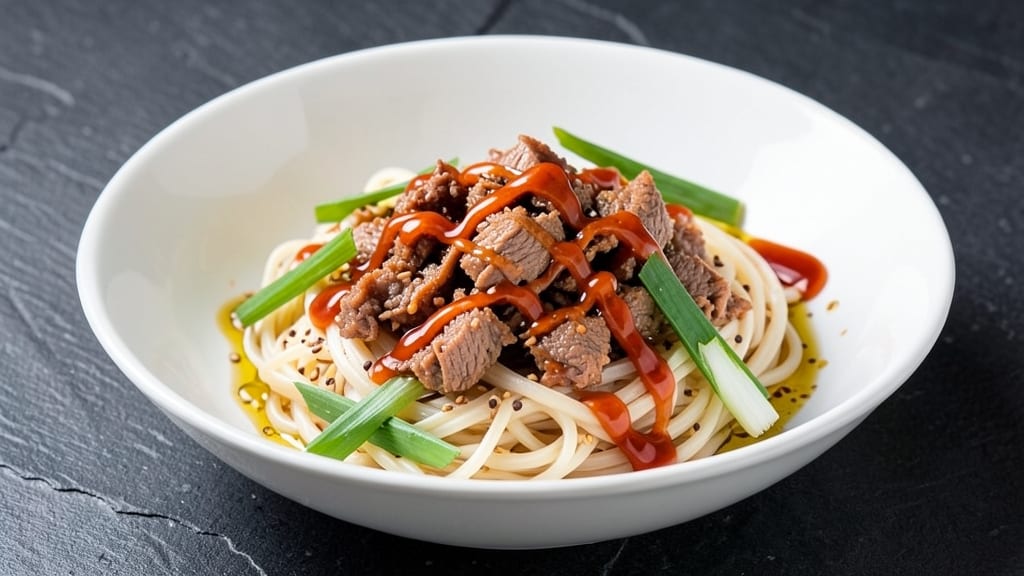
This canned tuna rice noodles recipe transforms pantry staples into a savory, umami-rich bowl in just 15 minutes—perfect for quick lunches or light dinners. The secret lies in balancing the briny tuna with a simple soy-chili oil dressing, creating a dish that’s both protein-packed and deeply flavorful without fuss.
No fancy ingredients, no complicated steps—just a foolproof method that delivers restaurant-quality results at home.
Boil rice noodles until tender, drain, and toss them with flaked tuna, a zesty dressing of soy sauce, chili oil, and a touch of sesame oil for depth. Garnish with crisp green onions and toasted sesame seeds for texture and freshness.
The result? A light yet satisfying bowl that’s ready in under 15 minutes, making it ideal for busy weeknights or meal prep. Serve it as-is, or add sliced cucumbers, shredded carrots, or a fried egg for extra heartiness.
Ingredients for canned tuna rice noodles
Pantry staples and a few fresh touches create this umami-rich, protein-packed bowl in record time.
| Ingredient | Amount | Notes |
|---|---|---|
| Rice Noodles 🍜 | 8 oz | Medium-width, uncooked |
| Canned Tuna in Water 🐟 | 2 cans | High-quality, drained |
| Soy Sauce 🥢 | 3 tbsp | Low-sodium preferred |
| Chili Oil 🌶️ | 1 ½ tbsp | Or substitute chili flakes |
| Sesame Oil 🫒 | 1 tbsp | Toasted, for aroma |
| Green Onions 🧅 | 3 whole | Thinly sliced, white and green |
| Toasted Sesame Seeds 🌰 | 1 tbsp | For garnish |
| Garlic Cloves 🧄 | 2 cloves | Minced, optional |
| Lime Juice 🍋 | 1 tbsp | Freshly squeezed |
| Vegetable Oil 🫒 | 1 tbsp | For cooking noodles |
| Salt 🧂 | ½ tsp | Adjust to taste |
| Black Pepper 🌶️ | ¼ tsp | Freshly ground |
| Cucumber 🥒 | ½ cup | Sliced, optional garnish |
The quality of your tuna makes all the difference here. Wild-caught brands like Wild Planet or Vital Choice offer superior texture and flavor compared to generic store-baked varieties. Look for cans labeled 'in water' rather than oil—it pairs better with the soy-chili dressing. Rice noodles should be medium-width for that perfect bite; Thai Kitchen or Lotus Foods brands are widely available and reliable. If you can't find chili oil, a blend of red pepper flakes and olive oil works in a pinch, though the authentic version adds depth you won't get elsewhere. The sesame oil should be toasted—Kadoya or La Choy are solid options, but any brand labeled 'toasted' will do.
No sesame seeds? Toasted sunflower seeds provide a similar crunch and nutty flavor. Short on green onions? Fresh cilantro or Thai basil add brightness, though the sharpness differs slightly. The garlic is truly optional but recommended—it bridges the gap between the briny tuna and the umami dressing. For extra protein without eggs, consider adding crumbled tofu or chopped avocado. If you're using pre-cooked rice noodles (like the shelf-stable varieties), cut the cooking time to zero—just rinse them under cold water to remove excess starch. The cucumber adds refreshing contrast, but if you're skipping it, shredded carrots or sliced radishes work equally well.
Cooked rice noodles keep for 2 days in the fridge, but the dressing separates quickly. Store components separately—noodles in one container, dressing in another—and toss before eating. The tuna can be drained and stored in the fridge for 2 days, though it's best used immediately for peak texture. For meal prep, assemble the bowls just before serving. The dish reheats poorly—it's designed to be eaten fresh, so plan accordingly. Garnishes like sesame seeds and green onions stay fresh for 1 week in the fridge if stored in an airtight container.
Why You'll Love This Recipe
- I’ll be real: a can of tuna and a bag of noodles cost less than takeout. Yet somehow, the sesame oil finish makes it feel like a restaurant dish. That’s the kind of smart spending I love—filling, flavorful, and guilt-free.
- Pantry Magic: The second I open that can of tuna and see rice noodles soaking, I know I’ve got a meal. No fresh herbs, no fancy prep—just protein, carbs, and that umami punch from soy sauce that makes it taste like something special.
- Two-Ingredient Umami Bomb: Honestly, the tuna and soy sauce combo is where this dish shines. Drain that can, toss in a splash of soy, and suddenly you’ve got depth without extra effort. Add chili oil at the end? Instant flavor upgrade—no fancy techniques required.
- Lunchbox Hero: Between us, this is my go-to for work lunches or kids’ school meals. Cold or warm, it holds up perfectly. Pack it in a jar, and the noodles stay separate until you’re ready to toss everything together—minimal mess, maximum convenience.
Step-by-step instructions for canned tuna rice noodles
This method delivers a perfectly balanced bowl with tender noodles, flaky tuna, and vibrant flavors in record time.
Prepare the Noodles for Perfect Texture
Bring a large pot of water to a rolling boil. Add the 8 oz rice noodles and ½ tsp salt, then immediately reduce heat to medium-low. Cook for 4-5 minutes until the noodles are tender but still slightly firm to the bite—they'll finish cooking in the sauce. Drain and rinse briefly with cold water to stop the cooking process, then drain again thoroughly.
This quick cooking method prevents mushy noodles while maintaining their delicate texture. The slight firmness ensures they hold up when tossed with the sauce and tuna. Don't overcook—they should have a gentle bite when you press between your fingers.
Build the Umami-Packed Sauce
In a large mixing bowl, combine the 2 cans drained tuna in water, 3 tbsp soy sauce, 1.5 tbsp chili oil, 1 tbsp sesame oil, 2 cloves minced garlic cloves, 1 tbsp lime juice, ¼ tsp black pepper, and the drained noodles. Toss everything together gently but thoroughly until the noodles are evenly coated with the sauce.
The chili oil and sesame oil work together to create a complex flavor profile—smoky, nutty, and slightly spicy. The lime juice brightens the dish while cutting through the richness of the tuna. Taste the sauce before adding the noodles to ensure proper seasoning, adjusting with an extra splash of soy sauce if needed.
Finish with Fresh Garnishes
Transfer the noodle mixture to serving bowls. Thinly slice the 3 whole green onions (white and green parts separated) and sprinkle evenly over each serving. Add the 1 tbsp toasted sesame seeds and ½ cup sliced cucumber as garnishes. Drizzle with an additional ½ tbsp chili oil if you prefer extra heat.
The fresh green onions add a crisp contrast to the rich noodles, while the cucumber introduces a refreshing crunch. The sesame seeds provide a nutty finish and visual appeal. Serve immediately while the noodles are still warm and the flavors are at their peak intensity.
Optional Customization
For extra protein, stir in 1 cup cooked shrimp or ½ cup shredded rotisserie chicken during the final toss. If you prefer a creamier texture, mix in 2 tbsp mayonnaise or 1 tbsp peanut butter with the sauce. For additional crunch, top with ¼ cup crushed peanuts or 2 tbsp fried shallots before serving.
This dish adapts beautifully to personal preferences while maintaining its core umami-packed profile. The key is balancing the textures—keeping the noodles tender, the tuna flaky, and the garnishes fresh. Adjust the chili oil to suit your spice tolerance, but always finish with a squeeze of lime for brightness.
Pro Tips For Making Canned Tuna Rice Noodles
- SOAK NOODLES IN COLD WATER: Drain the canned tuna first, then toss it into the bowl with the noodles while they’re still soaking. The cold water keeps the noodles from sticking together—no need to rinse them after cooking, and the tuna stays cooler longer.
- DRAIN TUNA WELL: Open the can, pour the tuna into a colander, and let it sit for 30 seconds. That liquid is salty and watery, and it’ll turn your noodles into mush if you skip this. I learned this the hard way after making a sloppy, sad pile of noodles.
- USE SESAME OIL LAST: Add the sesame oil right before serving—it’s delicate and burns easily. If you toss it in too early, it’ll cook off and lose that nutty aroma. A few drops at the end make all the difference.
- STIR IN CHILI OIL HOT: Heat the noodles and tuna together, then turn off the heat before adding the chili oil. The residual heat helps the oil bloom and coat everything evenly. Cold chili oil just sits on top like a sad garnish.
Perfect pairings for this dish
Crispy Toppings
Add crispy fried shallots (about 2 tbsp) for an irresistible crunch and depth of flavor. These are easy to find in the Asian aisle of most grocery stores—I love Kikkoman or Mae Ploy brands.
Toss them on just before serving so they stay perfectly crisp. If you can't find them, pan-fry 1 tbsp sliced shallots in 1 tbsp neutral oil until golden brown for a quick substitute. 🌟
Creamy Add-Ins
For a richer texture, stir in 2 tbsp mayonnaise or 1 tbsp peanut butter with the dressing. The mayo adds a silky finish that balances the spicy chili oil, while peanut butter brings a subtle sweetness.
I recommend Hellmann's for mayo and Smucker's Natural for peanut butter. These additions work surprisingly well with the umami flavors in the tuna and soy sauce.
Extra Protein Boost
Increase the protein content by adding ½ cup shredded rotisserie chicken or 1 cup cooked shrimp to the bowl. The chicken adds a mild, savory depth, while shrimp brings a delicate sweetness.
For extra convenience, use pre-cooked grilled chicken strips or frozen shrimp that you sauté for 2-3 minutes in a pan with a pinch of salt. This makes the dish even more satisfying for a hearty lunch. 💪
Vegetable Freshness
Brighten the dish with ½ cup sliced cucumber or ¼ cup shredded carrots for a refreshing crunch. If you prefer something with more bite, try thinly sliced radishes or shredded cabbage. These vegetables add color and texture while balancing the richness of the tuna and noodles.
For extra flavor, toss the veggies with a pinch of salt and a drizzle of lime juice before adding them to the bowl.
Herb Variations
Swap out the green onions for fresh cilantro or Thai basil to add a different herbal note. Cilantro brings a bright, citrusy flavor that pairs beautifully with the lime juice, while Thai basil adds a sweet, licorice-like aroma.
Finely chop about ¼ cup of either herb and sprinkle it over the top just before serving. These herbs also make the dish look vibrant and fresh. ✨
Nutrition facts
Frequently asked questions
Can I use oil-packed tuna instead of water-packed?
Yes, but you'll need to adjust the sauce. Drain the oil completely and reduce the sesame oil in the recipe by ½ tbsp since oil-packed tuna contains extra fat. The extra richness from the oil pairs beautifully with the chili and soy, so you might also reduce the soy sauce slightly (2 tbsp instead of 3 tbsp) to balance flavors.
How do I prevent the noodles from getting mushy?
Cook the rice noodles for exactly 4-5 minutes in boiling water, then drain immediately and rinse with cold water. The key is stopping the cooking process right away—overcooking even by 30 seconds turns them into a gluey mess. For extra insurance, toss them with a tiny bit of oil (½ tsp) while still warm to maintain texture.
Can I make this dish ahead of time?
Store the cooked noodles and dressing separately in airtight containers for up to 2 days. Keep the tuna in its can (unopened) or drained in the fridge for 2 days max. When ready to serve, toss everything together and add fresh garnishes. The noodles reheat poorly, so this dish is best enjoyed fresh.
What if I don't have chili oil?
Make a quick substitute by mixing 1 tbsp olive oil with ½ tsp chili flakes and ¼ tsp smoked paprika. Toast the spices in a dry pan for 30 seconds to deepen the flavor, then let cool before adding to the dressing. For extra heat, add a pinch of cayenne pepper.
Is this dish gluten-free?
Yes, this recipe is naturally gluten-free as long as you use certified gluten-free soy sauce and check your chili oil for additives. Most rice noodles are gluten-free, but verify the packaging. For extra safety, use tamari instead of soy sauce. The tuna, sesame oil, and garnishes are all gluten-free components.