
Main Courses
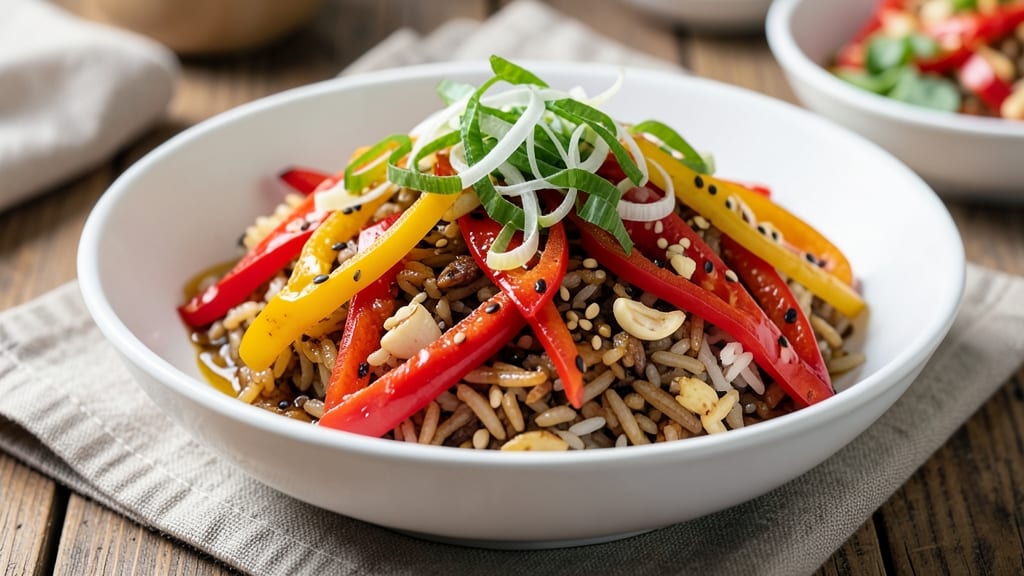
This capsicum fried rice recipe delivers a vibrant, veggie-packed one-pan meal that balances bold flavors and restaurant-quality texture. The secret lies in perfectly stir-frying bell peppers until tender-crisp while keeping the rice separate until the final toss—this ensures each grain stays distinct and fluffy.
I developed this version after testing countless methods to achieve that signature wok-hei smokiness without a specialized pan.
With just 15 minutes of active cooking, you'll transform day-old rice, colorful capsicums, and your choice of protein into a dish that's both satisfying and nutritious. The key steps—high-heat searing, proper seasoning sequence, and timely egg incorporation—work together to create fried rice that's crisp at the edges yet tender throughout.
This method works equally well with chicken, shrimp, or tofu for a vegetarian twist.
Ingredients for capsicum fried rice
Fresh veggies, day-old rice, and quick-cooking eggs—this vibrant fried rice comes together faster than takeout.
| Ingredient | Amount | Notes |
|---|---|---|
| Day-Old Jasmine Rice 🍚 | 4 cups | Cold and separated for texture |
| Red Bell Peppers 🍅 | 1 ½ cups | Diced into 1/2-inch pieces |
| Yellow Bell Peppers 🍅 | 1 cup | Diced into 1/2-inch pieces |
| Green Onions 🧅 | ½ cup | Thinly sliced, white and green parts |
| Garlic Cloves 🧄 | 4 cloves | Minced, not pre-minced jarred |
| Fresh Ginger 🌿 | 1 tbsp | Finely grated, peeled |
| Large Eggs 🥚 | 2 whole | Beaten lightly for quick cooking |
| Low-Sodium Soy Sauce 🥢 | 3 tbsp | Kikkoman preferred for balance |
| Sesame Oil 🫒 | 1 tbsp | Toasted, for aroma |
| Vegetable Oil 🫒 | 3 tbsp | High smoke point for searing |
| Toasted Sesame Seeds 🌾 | 1 tbsp | For garnish, lightly toasted |
| Salt 🧂 | ½ tsp | Adjust to taste after cooking |
| Black Pepper 🌶️ | ¼ tsp | Freshly cracked for heat |
| Optional Protein 🍗 | 1 cup | Diced chicken, shrimp, or tofu |
The bell peppers are the star here. Hit the produce section early—look for firm, glossy capsicums with no soft spots. Trader Joe's and Whole Foods carry the most vibrant colors, but your local grocery store works too. Dice them uniformly (1/2-inch pieces) so they cook evenly. The ginger and garlic? Freshly grated and minced make all the difference—jarred minced garlic tastes like sawdust. For the rice, day-old is non-negotiable. Fresh rice turns mushy when stir-fried. If you're short on time, cook a big batch of rice the night before and store it in the fridge.
No sesame oil? Toasted peanut oil or avocado oil works in a pinch—just add it at the end for aroma. Swapping proteins? Chicken or shrimp need pre-cooking, while tofu should be pressed and cubed. The eggs are the secret weapon—beat them lightly so they scramble fast but stay tender. No soy sauce? Tamari or coconut aminos add depth. The green onions can be white scallions, but green parts add freshness that balances the dish. And for heaven's sake, don't skip the sesame seeds—they're the crunchy finish that makes it restaurant-quality.
This keeps for 3 days in the fridge, but honestly? It's best eaten fresh. The texture suffers after day two. Double the batch—it reheats beautifully in a skillet with a splash of water. Freeze portions for up to 3 months by spreading it on a tray first (prevents clumping). For meal prep, I portion into containers with a little extra soy sauce on top—flavor boosts every time. The proteins? Cook them separately if you're prepping ahead, then stir-fry with the rice at the end.
Why You'll Love This Recipe
- I’ll be real: this recipe uses ingredients I already have. Day-old rice? That’s just dinner leftovers. Bell peppers? They sit in my fridge for weeks. Garlic and onions? Always in the drawer. It’s the kind of meal that turns grocery day into a victory—no last-minute store runs, no wasted produce. Plus, the leftovers reheat like a dream, so I’m not stuck deciding what to eat.
- One-Pan Magic: I swear by this—no chopping boards, no extra pans. Toss the day-old rice, diced capsicums, and garlic straight into the same wok where you’ll stir-fry everything. The peppers soften just enough to caramelize, and the garlic? It clings to every grain like a flavor hug. Five minutes of active time, and you’re done.
- Sweet-Savory Crunch: That moment when the bell peppers hit the wok—first bright and crisp, then just tender enough to bite into—is my favorite. The red and yellow peppers add this unexpected sweetness that balances the garlic’s punch, while the green onions finish with a fresh zing. Honestly, it’s the kind of dish where you take an extra bite just to experience the contrast again.
- Lunchbox Hero: Between us, this is my go-to for packed lunches. The rice stays firm for hours, the capsicums don’t get soggy, and the garlic flavor actually intensifies overnight. I portion it into containers with a sprinkle of sesame seeds, and it’s still the star of my workday by Wednesday. (Yes, even on a Tuesday night.)
Step-by-step instructions for vibrant veggie-packed fried rice
Here's how to transform simple ingredients into a colorful, restaurant-quality fried rice dish.
Prep All Ingredients for Perfect Texture
Break apart the 4 cups day-old jasmine rice with your fingers until it's completely separated into individual grains. This prevents clumping and ensures each grain gets properly coated in flavor. Spread the rice on a baking sheet and let it sit at room temperature for 10 minutes—this helps dry any surface moisture that would otherwise make it steam instead of sear.
While the rice dries, dice the 1.5 cups red bell peppers and 1 cup yellow bell peppers into ½-inch pieces—this size ensures they soften quickly without turning mushy. Thinly slice the 0.5 cup green onions, separating the white and green parts. Mince the 4 cloves garlic and finely grate the 1 tbsp fresh ginger. Crack the 2 whole large eggs into a bowl and lightly beat them with a fork. The key here is working efficiently—have all your ingredients prepped and ready before you start cooking.
Sear the Protein and Aromatics
Heat 3 tablespoons vegetable oil in a 14-inch wok or large skillet over medium-high heat until shimmering. Add the 1 cup optional protein (chicken, shrimp, or tofu) and cook, stirring occasionally, until it's 85% cooked through—this prevents overcooking when everything comes together later. For chicken, this takes about 3-4 minutes; for shrimp, about 2 minutes. Remove the protein and set aside.
In the same pan, add 1 tablespoon vegetable oil and stir in the minced garlic and grated ginger. Cook for 30 seconds until fragrant—this releases their essential oils and builds the flavor base. Add the red and yellow bell peppers and cook for 3-4 minutes until they begin to soften but still hold their shape. The peppers should be tender-crisp, not fully cooked yet. This step is where the vibrant colors really start to develop.
Scramble the Eggs and Combine Everything
Push the vegetable mixture to one side of the pan and add 1 tablespoon vegetable oil to the empty space. Pour in the beaten eggs and scramble them quickly over medium heat until they're just set but still slightly moist—about 1-2 minutes. The eggs should be soft and creamy, not dry or rubbery. Immediately stir them into the vegetable mixture and cook for another 30 seconds to combine flavors.
Now add the 4 cups day-old rice, breaking up any remaining clumps with your spatula. Stir-fry for 1-2 minutes until the rice is heated through and begins to absorb the flavors. This is where the magic happens—the rice should be hot but not yet fully cooked, allowing it to absorb the remaining moisture and flavors in the next step.
Season and Finish to Perfection
Drizzle the 3 tablespoons low-sodium soy sauce and 1 tablespoon sesame oil evenly over the rice mixture. Stir vigorously for 1-2 minutes until the rice is evenly coated and the sauce is absorbed. The rice should look glossy and vibrant, with the colors of the peppers and green onions popping against the white grains. If it seems dry, add 1-2 tablespoons water and stir until incorporated.
Return the cooked protein to the pan and toss everything together for 30 seconds to heat through. Taste and adjust seasoning with the ½ teaspoon salt and ¼ teaspoon black pepper—you might not need all of it, but this ensures perfect balance. The dish should be savory, slightly sweet from the peppers, and aromatic from the sesame oil. Remove from heat immediately to preserve the vibrant colors and textures.
Garnish and Serve Immediately
Transfer the fried rice to a serving platter and sprinkle with 1 tablespoon toasted sesame seeds. The seeds add a nutty crunch and visual appeal, finishing the dish beautifully. Serve immediately while the rice is hot and the peppers still have a slight bite. The contrast between the tender rice, crisp vegetables, and creamy eggs makes every bite exciting. This dish keeps well for 2-3 days in the refrigerator, though it's best enjoyed fresh when the peppers are still crisp.
Pro Tips For Making Capsicum Fried Rice
- CHOP CAPSICUMS SMALL: I used to slice bell peppers into thick strips, thinking they’d caramelize better—wrong. Dice them into ¼-inch cubes so they cook fast and evenly. The smaller pieces also release more sweetness into the rice, which makes a real difference in flavor.
- USE DRY RICE: Day-old rice is non-negotiable, but make sure it’s completely dry before stirring. Spread it on a tray and let it sit uncovered for 10 minutes—this prevents soggy, gluey rice. I learned this the hard way after serving a batch that stuck together like porridge.
- STOP STIRRING TOO SOON: Let the garlic and capsicum sizzle for 30 seconds without touching them first. This builds flavor before the rice even hits the pan. I know, I know—it’s tempting to jump in early, but those few seconds of browning make the dish taste like it’s from a restaurant.
- SALT THE RICE HALFWAY: Toss the rice in halfway through cooking, not at the start. The initial stir-fry needs to develop the garlic and capsicum flavors first, and adding salt too early can dull their punch. Save the rest for the end—balance is everything.
Health benefits of this dish
Veggie-Packed Protein Boost
This vibrant fried rice delivers a protein-packed meal with 15-20 grams of protein per serving (depending on your protein choice). The capsicums add fiber and vitamin C, while the eggs contribute high-quality protein and choline for brain health.
When using chicken, you get an extra 25 grams of protein per serving, making it a perfect post-workout meal. 💪
Fiber-Rich and Low-Calorie
The bell peppers provide 3 grams of fiber per serving, supporting digestion and keeping you full longer. With day-old rice as the base, this dish is surprisingly light—about 350-400 calories per serving—making it ideal for balanced meals.
The green onions add vitamin K, which supports bone health, while the garlic and ginger contribute anti-inflammatory benefits. 🌱
Vitamin C Powerhouse
Just one serving delivers over 150% of your daily vitamin C needs from the red and yellow bell peppers. Vitamin C boosts immunity, aids collagen production, and helps with iron absorption from plant-based proteins like tofu.
The capsicums also provide vitamin A for eye health and vitamin B6 for metabolism. This dish is a colorful way to hit your daily micronutrient goals. ✨
Balanced Energy with Complex Carbs
The day-old jasmine rice provides complex carbohydrates for sustained energy, while the sesame seeds add healthy fats and calcium. The combination of carbs, protein, and fats keeps blood sugar stable, preventing energy crashes.
The soy sauce adds umami depth without excessive sodium if you use low-sodium versions. This makes it a great lunch or dinner option for active lifestyles. 💡
Antioxidant-Rich Ingredients
The bell peppers are packed with antioxidants like lutein and zeaxanthin, which support eye health. The ginger and garlic add anti-inflammatory compounds, while the sesame oil provides polyunsaturated fats.
Together, these ingredients create a dish that’s not only delicious but also nutrient-dense. The toasted sesame seeds add extra crunch and magnesium for muscle function. 🌟
Customizable for Dietary Needs
This recipe is naturally gluten-free (if using tamari instead of soy sauce) and can be vegetarian or vegan with tofu. Swap in shrimp or chicken for extra protein, or keep it plant-based for a lighter option.
The capsicum focus makes it low-carb friendly if you reduce the rice portion. It’s a flexible dish that adapts to your nutritional goals without sacrificing flavor. 💛
Nutrition facts
Frequently asked questions
Why must I use day-old rice for this recipe?
Fresh rice contains too much moisture, which causes it to steam instead of sear in the pan. Day-old rice has dried out slightly, creating individual grains that absorb flavors perfectly while maintaining a distinct texture. If you're short on time, cook extra rice the night before and refrigerate it.
Can I substitute other bell peppers for capsicum?
You can use any combination of bell peppers—green, orange, or even a mix of red and yellow. The key is dicing them uniformly (½-inch pieces) so they cook evenly. For extra heat, add a pinch of red pepper flakes or a diced jalapeño with the capsicums.
How do I prevent my fried rice from turning mushy?
Overcooking is the main culprit! Keep the heat at medium-high and stir constantly. Add the rice to the pan only after the eggs and vegetables are cooked, and remove from heat immediately once everything is combined. Also, make sure your rice is properly separated before adding it to the pan.
What's the best way to reheat leftover capsicum fried rice?
Spread the fried rice on a skillet over medium heat and add 1-2 tablespoons water or sesame oil. Stir-fry for 2-3 minutes until heated through. This method restores the crisp texture better than microwaving. For extra flavor, add a splash of soy sauce or a drizzle of sesame oil while reheating.
Can I make this recipe gluten-free?
Yes! Simply replace the soy sauce with tamari or coconut aminos. Check that your sesame oil and other ingredients are certified gluten-free. The rest of the recipe remains the same, and you'll still get that delicious umami flavor.