
Main Courses
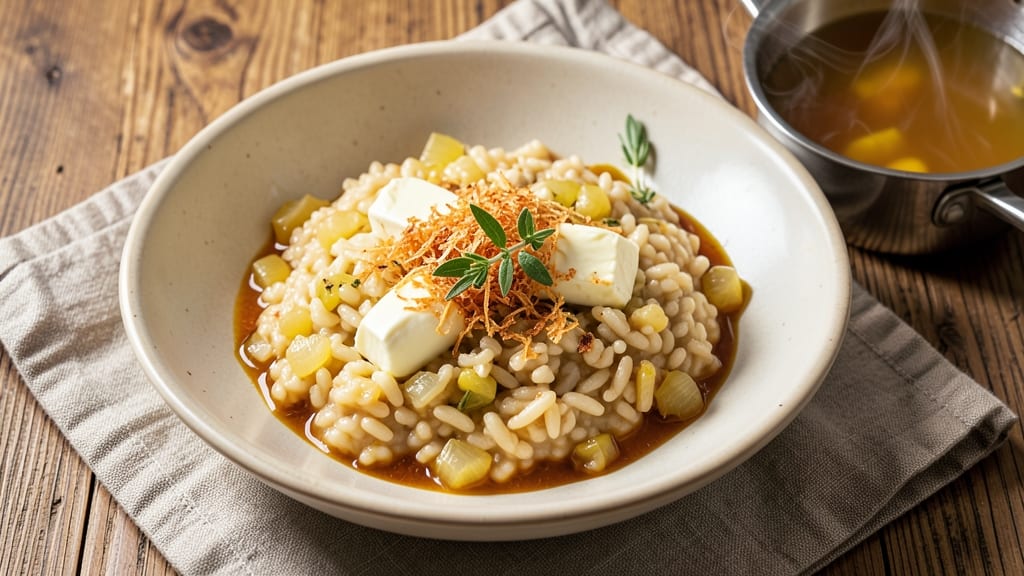
This Carnaroli rice risotto delivers the perfect balance of creamy texture and nutty depth—just like Italy’s finest trattorias. The secret lies in toasting the rice until golden before gradually adding warm broth, creating that signature al dente bite and velvety finish.
With its high starch content, Carnaroli absorbs flavors beautifully, making every spoonful rich and satisfying.
The process is methodical but rewarding: sauté onions, deglaze with wine, toast the rice, then layer in broth until creamy. Finish with butter and Parmesan for that signature buttery creaminess and toasted aroma.
Whether you add mushrooms, shrimp, or saffron, this technique ensures a restaurant-quality result every time—foolproof and deeply flavorful.
Ingredients for carnaroli rice risotto
Toasted Carnaroli rice, aromatic onions, and rich butter create velvety risotto with nutty depth.
| Ingredient | Amount | Notes |
|---|---|---|
| Carnaroli Rice 🍚 | 1 ½ cups | Uncooked, rinsed before toasting |
| Yellow Onion 🧅 | 1 whole | Medium size, finely diced |
| Extra-Virgin Olive Oil 🫒 | ½ cup | High-quality, fruity variety |
| Dry White Wine 🍷 | 1 cup | Bold, dry variety like Pinot Grigio |
| Vegetable Broth 💧 | 6 cups | Homemade or high-quality low-sodium |
| Unsalted Butter 🧈 | 6 tbsp | European-style, cold for finishing |
| Parmesan Cheese 🧀 | ¾ cup | Freshly grated, aged 24+ months |
| Garlic Cloves 🧄 | 4 cloves | Minced, fresh preferred |
| Shallot 🧅 | 1 whole | Small, finely minced |
| Salt 🧂 | 1 ½ tsp | Diamond Crystal kosher preferred |
| Ground Black Pepper 🌶️ | ½ tsp | Freshly cracked peppercorns |
| Fresh Thyme Leaves 🌿 | ¼ cup | Chopped, or 1 tbsp dried |
| Saffron Threads 🌼 | ¼ tsp | Optional, high-quality |
Carnaroli rice is non-negotiable here—its high starch content absorbs flavors beautifully. Barilla or Risottteria brands are top-tier, but any quality Arborio works in a pinch. The onions should be sweet and finely diced; yellow or Vidalia work best. Fresh thyme adds subtle earthiness, while saffron (if using) should be high-quality Spanish threads for maximum aroma. For the broth, homemade vegetable stock elevates the dish, but quality low-sodium brands like Pacific Foods are reliable. The white wine needs to be dry—Pinot Grigio or Sauvignon Blanc are classic choices, but any bold, dry white works.
No Carnaroli? Arborio or Vialone Nano are excellent substitutes, though texture will differ slightly. Swap vegetable broth for chicken or mushroom stock if preferred, but adjust seasoning accordingly. Fresh thyme unavailable? Dried thyme at one-third the amount suffices, though fresh is ideal. For a vegetarian version, omit saffron or use turmeric for color. The butter should be cold when finishing to create that signature buttery creaminess. No Parmesan? Pecorino Romano works well, though flavor will differ. Always toast the rice until golden—this step is critical for that toasted nutty depth.
Store leftover risotto in an airtight container for up to 3 days in the fridge, though texture may change slightly. For best results, reheat gently with a splash of broth. Freezes beautifully for up to 3 months—portion into containers before freezing. The Parmesan and butter can be prepped ahead; keep the rice dry until cooking. For make-ahead convenience, prepare the soffritto (onions, garlic, shallots) in advance and store in the fridge for up to 3 days. The wine can be reduced beforehand to intensify flavor, saving time during cooking.
Why You'll Love This Recipe
- No Fuss, Big Payoff: I swear by this—just toast the onion in olive oil until it’s sweet and golden, add the rice, deglaze with wine, and let the broth work its magic. No chopping, no stress, just stir and savor.
- Creamy Without the Guilt: That Carnaroli rice? It’s the star—absorbs broth like a dream while staying firm enough to hold its shape. The wine adds brightness, and the broth keeps it rich but never heavy. Honestly, it’s the kind of dish that makes you forget about "healthy eating."
- Weeknight to Weekend: Same base, endless twists—add mushrooms for earthiness, a splash of lemon for brightness, or even leftover roasted veggies. It’s my go-to for busy nights and when I want to impress guests. (Yes, even on a Tuesday night.)
- Leftovers That Don’t Suck: Most risottos turn into glue after day one, but not this one. The Carnaroli stays distinct, so reheated portions are just as good—perfect for lunch or a quick dinner. Plus, it’s budget-friendly; a small bag of rice stretches across multiple meals.
Step-by-step instructions for perfect Carnaroli risotto
Here's the method that delivers restaurant-quality risotto with nutty depth and velvety texture.
Toast the Carnaroli Rice in Olive Oil
Heat the 0.5 cup Extra-Virgin Olive Oil in a wide, heavy-bottomed pot over medium heat. Add the 1.5 cups Carnaroli Rice and stir constantly for 3-4 minutes until the grains become translucent and slightly golden. This toasting step develops the nutty flavor and prevents gummy texture later.
Watch for the rice to turn a pale golden color—this indicates proper toasting. If the oil starts to smoke, reduce heat slightly. The rice should be evenly coated with oil and smell toasty. This foundational step ensures your risotto develops its signature depth of flavor.
Sauté Aromatics and Deglaze with Wine
Add the finely diced 1 whole Yellow Onion, minced 1 whole Shallot, and 4 cloves Garlic Cloves to the pot. Cook for 4-5 minutes until softened and fragrant, stirring occasionally. The onions should become translucent without browning.
Pour in the 1 cup Dry White Wine and let it simmer for 2-3 minutes until completely evaporated. You'll see the wine reduce to a syrupy consistency that coats the rice. This deglazing step removes alcohol and incorporates its acidity into the base, balancing the richness of the dish.
Cook Al Dente with Gradual Broth Addition
Begin adding the 6 cups Vegetable Broth, one ladle at a time, stirring frequently. Wait until each addition is nearly absorbed before adding the next—typically 15-20 minutes total. The rice should be tender but still have a slight bite in the center when tested with a fork.
During this phase, add the 0.25 tsp Saffron Threads (if using) dissolved in 2 tablespoons warm broth after the first 10 minutes of cooking. Stir in the 0.25 cup Fresh Thyme Leaves and 0.5 tsp Ground Black Pepper after 15 minutes. The risotto should be creamy but still slightly loose at this stage.
Finish with Butter and Parmesan
Once the rice is al dente, remove the pot from heat. Stir in the 6 tbsp Unsalted Butter and 0.75 cup Parmesan Cheese until fully melted and incorporated. The butter should create a luxurious, velvety coating while the Parmesan adds umami depth.
Season to taste with the remaining 1 tsp Salt (you may need less due to the broth). The risotto should be creamy yet distinctively textured, with each grain separate and coated in sauce. If too thick, add a splash of warm broth to reach your desired consistency.
Rest and Serve Immediately
Let the risotto rest for 2-3 minutes off the heat. This brief resting period allows the starches to fully set while maintaining its creamy texture. Serve immediately with additional Parmesan and fresh thyme sprinkled on top.
The perfect risotto should be creamy yet distinctively textured, with each grain separate and coated in sauce. The nutty flavor of the Carnaroli should be prominent, balanced by the buttery richness and aromatic depth from the thyme and saffron.
Pro Tips For Making Carnaroli Rice Risotto
- Toast the Onion Slow: Cook your yellow onion in olive oil until it’s deep golden—not brown, not caramelized, but that perfect amber stage where it smells like a warm kitchen. I learned this the hard way—rushing it makes the risotto taste raw and sharp, and no amount of wine or broth can fix that.
- Stir Like You Mean It: The first 5 minutes after adding rice are non-negotiable—keep stirring over medium-high heat until the grains are fully coated and the edges of the pot are sizzling. After that, dial it down to a gentle simmer and let the rice work its magic without constant attention. (Yes, even if you’re impatient like me.)
- Wine First, Broth Later: Pour in the full ½ cup of white wine immediately after the rice hits the pot—it’s the only time you’ll add liquid all at once. Waiting until later means the rice will absorb it unevenly, and you’ll end up with a gummy mess instead of that creamy, al dente texture.
- Broth in Small Batches: Add broth in ¼-cup increments, stirring vigorously between each addition, and only when the previous batch is fully absorbed. I used to dump it all in at once, and the risotto would turn into a sad, watery puddle. Patience here makes all the difference—trust the process.
Serving suggestions for carnaroli rice risotto
Classic Garnishes
Freshly grated Parmesan cheese and chopped thyme leaves are my go-to garnishes—they add a bright finish that elevates the dish. I sprinkle about 1 tablespoon of Parmesan and ½ teaspoon of thyme over each serving right before plating.
For extra flair, add crispy fried shallots (store-bought or homemade) for a satisfying crunch. 🌿
Protein Additions
For a heartier meal, stir in sautéed mushrooms or seared shrimp during the final 5 minutes of cooking. I like using 8 ounces of cremini mushrooms sliced and cooked with a pinch of thyme, or ½ pound of shrimp sautéed in garlic and olive oil.
These additions turn risotto into a complete protein-packed dish.
Vegetable Sides
A simple arugula salad with lemon vinaigrette cuts through the richness beautifully. Toss 4 cups baby arugula with 2 tablespoons olive oil, 1 tablespoon lemon juice, and a pinch of salt.
For a warm side, try roasted asparagus with 1 tablespoon olive oil, ½ teaspoon salt, and a squeeze of lemon—roast at 400°F for 12-15 minutes.
Bread Pairings
Crusty sourdough bread or focaccia is perfect for soaking up any leftover risotto sauce. I like toasting slices with garlic butter for extra flavor. For a lighter option, serve with warm crustini (toasted baguette slices) sprinkled with flaky sea salt and a drizzle of olive oil.
Wine and Beverage Pairings
A bold dry white wine like Pinot Grigio or Chardonnay complements the dish beautifully. For beer lovers, a crisp lager or Italian pale ale works well.
I also enjoy a sparkling water with a slice of lemon to cleanse the palate between bites. Avoid heavy reds—they can overpower the delicate flavors. 🍷
Make-Ahead Presentation
If prepping ahead, assemble risotto in ramekins and refrigerate uncovered for 30 minutes before serving. This creates a crisp top layer that adds texture. For a restaurant-style presentation, use white plates and garnish with a thin slice of lemon or a sprig of fresh thyme.
Serve immediately after reheating with a splash of broth. ✨
Nutrition facts
Frequently asked questions
Why does Carnaroli rice work better than Arborio for risotto?
Carnaroli rice has a higher starch content and larger grains, creating a creamier texture without becoming mushy. Its toasted nutty depth shines through when properly cooked, while Arborio can turn slightly gummy. The larger grains also hold their shape better, giving that signature al dente bite. For best results, always use the specified 1.5 cups uncooked.
Can I substitute white wine with something else if I don't have it?
Yes! Use dry vermouth or apple cider vinegar (1:1 ratio) for acidity, but wine's depth is ideal. For a non-alcoholic option, try grape juice reduced by half. Never skip the deglazing step—it removes raw starch and balances flavors. The 1 cup measurement is critical for proper texture.
How do I fix risotto that's too thick or too thin?
For too thick risotto, add warm broth 1 tablespoon at a time while stirring. For too thin, remove from heat and let sit 2-3 minutes—starches will thicken naturally. If still too loose, stir in 1 tablespoon cornstarch mixed with 2 tablespoons cold water. The key is patience: proper technique prevents these issues from the start.
Should I stir constantly while cooking?
No—stir frequently but not constantly to prevent breaking the rice grains. The 20-minute broth addition phase should involve gentle stirring every 2-3 minutes. Over-stirring releases too much starch too soon, making the risotto gluey. Let the rice sit undisturbed between stirs to develop proper texture.
Can I make this risotto ahead of time?
Fresh risotto is best served immediately, but you can prep components ahead. Toast the rice and sauté aromatics in advance, then store separately. For leftovers, refrigerate in an airtight container for 3 days or freeze for 3 months. Reheat gently with broth—never microwave directly. The texture will change slightly, but reheating with extra butter and Parmesan restores creaminess.