
Side Dishes
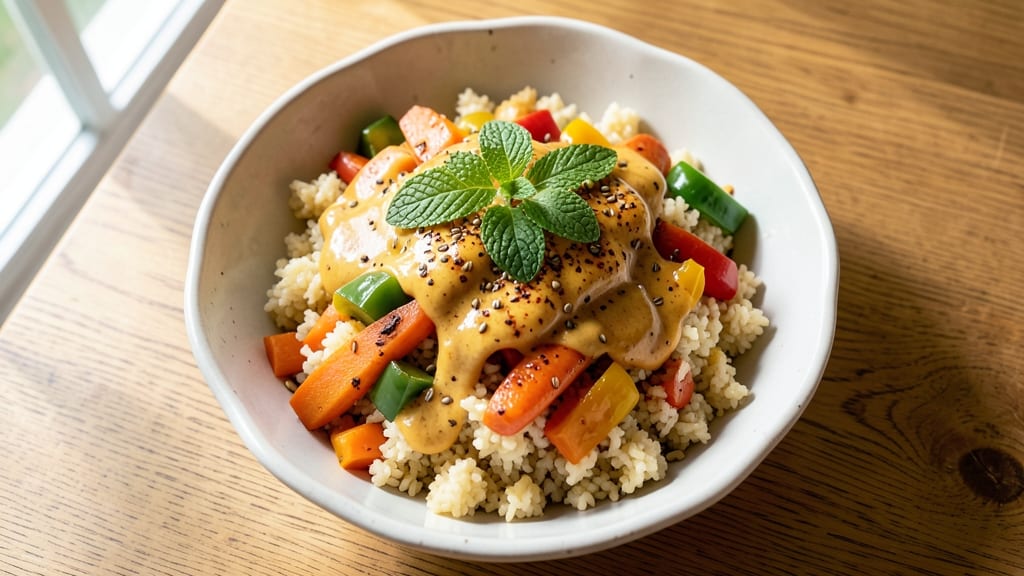
This cauliflower rice biryani recipe transforms a low-carb staple into a fragrant, restaurant-worthy centerpiece that rivals traditional basmati versions. The secret lies in a delicate balance of toasted spices, saffron-infused milk, and fresh mint that creates that signature biryani aroma—without the heavy rice.
I developed this after perfecting the dum cooking method at home, adapting it for cauliflower's unique texture while preserving the dish's soul.
The foundation begins with a fragrant spice base—cumin, cardamom, and bay leaves—slow-cooked in ghee until the air hums with their warmth. Cauliflower rice gets lightly steamed to maintain its structure, then layered with marinated vegetables, tender chickpeas, and a saffron-mint yogurt mixture that binds everything together.
The key is patience: letting flavors meld during a gentle simmer rather than rushing through the process.
What emerges is a dish with golden, caramelized edges, tender cauliflower florets, and pockets of spiced yogurt that melt with every bite. The saffron threads dissolve into the cauliflower, creating that signature golden hue, while fresh herbs add brightness.
This version keeps all the complexity of traditional biryani but with a lighter, more modern twist—perfect for weeknight dinners or special occasions.
Whether you're adapting for dietary needs or simply craving something different, this biryani delivers restaurant-quality results with minimal effort. The one-pot method makes it approachable for home cooks, while the layering technique ensures each bite is packed with flavor. Ready to elevate your cauliflower rice game?
Ingredients for cauliflower rice biryani
Transform cauliflower rice into a fragrant, restaurant-quality biryani with these carefully balanced ingredients.
| Ingredient | Amount | Notes |
|---|---|---|
| Fresh Cauliflower 🥬 | 1 lb | Riced with food processor |
| Plain Greek Yogurt 🥛 | 1 cup | Full-fat preferred for creaminess |
| Saffron Threads 🌼 | ¼ tsp | High-quality, soaked in 1 tbsp warm water |
| Fresh Mint Leaves 🌿 | ½ cup | Finely chopped, stems removed |
| Ghee 🫒 | ½ cup | Unsalted, for toasting spices |
| Ground Cumin Seeds 🌿 | 1 ½ tsp | Freshly ground preferred |
| Green Cardamom Pods 🌶️ | 6 whole | Lightly crushed, seeds only |
| Bay Leaves 🌿 | 2 whole | Fresh for best aroma |
| Red Onion 🧅 | 1 medium | Finely diced, about 1 cup |
| Carrots 🥕 | 2 medium | Julienned, about 1 cup |
| Chickpeas 🌱 | 1 ½ cups | Cooked, drained, or canned |
| Fresh Cilantro 🌿 | ¼ cup | Chopped, for garnish |
| Lemon Juice 🍋 | 1 ½ tbsp | Freshly squeezed |
| Salt 🧂 | 1 ½ tsp | Diamond Crystal preferred |
| Black Peppercorns 🌶️ | ½ tsp | Freshly cracked |
The saffron is non-negotiable here—look for premium threads from specialty stores like Penzeys or Indian markets. Soak them in warm water for 10 minutes to release their color and flavor. Fresh mint and cilantro make all the difference; buy from farmers markets where leaves are vibrant and plump. For the ghee, Organic India brand is a reliable choice, but any high-quality unsalted version works. The spices—cumin, cardamom, and bay leaves—should be toasted until aromatic; toast them whole first before grinding for deeper flavor.
No saffron? Turmeric at one-third the amount adds color but lacks the floral notes. Fresh mint unavailable? Dried mint at half the quantity works, though flavor will be milder. The Greek yogurt should be full-fat for creaminess—Fage brand is ideal. For the cauliflower, riced fresh yields the best texture, but pre-riced works in a pinch. Chickpeas can be swapped for white beans or lentils if preferred. The lemon juice brightens everything—always use freshly squeezed for that tangy punch.
Store the saffron threads in a dark, airtight container for up to 6 months. Fresh mint and cilantro keep best in the fridge, wrapped in damp paper towels for 5-7 days. The cooked biryani reheats beautifully—cover with foil and warm gently on low heat. Portion into containers for 3-4 days of fridge storage, or freeze for 2 months for later meals. The flavors actually deepen overnight, making leftovers even more delicious.
Why You'll Love This Recipe
- No-Rice Nightmare: I swear, this saves me every time I forget rice. Just pulse the cauliflower in a food processor—no fancy prep, no waiting for grains to cook—and you’ve got that perfect biryani texture. The yogurt and ghee turn it impossibly creamy, so you’d never guess it’s low-carb.
- Saffron Magic: That tiny pinch of saffron threads? Total game-changer. I’ll be real—it’s pricey, but a few strands steeped in warm milk make the whole dish smell like a Persian restaurant. The mint leaves cut through the richness, and honestly? It tastes like a celebration without the fuss.
- Lunchbox Hero: Pack this for work and no one will believe it’s healthy. The cauliflower rice stays light, the ghee keeps it flavorful, and the yogurt adds that tangy kick that makes it way more exciting than sad desk salads. My coworkers steal my portions—no joke.
- Budget-Friendly Luxury: I make this twice a month and never get tired of it. Cauliflower’s cheap, saffron goes a long way, and a little ghee stretches far. Leftovers reheat beautifully, and I’ve even frozen portions for lazy Sundays. Feels fancy, costs next to nothing.
Step-by-step instructions for cauliflower rice biryani
Master this aromatic dish with precise technique for layers of saffron-infused flavor.
Prepare the Saffron-Infused Yogurt Marinade
Soak the 0.25 teaspoon saffron threads in 1 tablespoon warm water for 10 minutes to release their vibrant color and delicate aroma. In a small bowl, whisk together the 1 cup plain Greek yogurt, soaked saffron mixture, 1.5 teaspoons salt, and 0.5 teaspoon freshly cracked black peppercorns until completely smooth. This marinade will tenderize the cauliflower rice and impart its signature golden hue.
Set aside the yogurt mixture at room temperature while you prepare the remaining ingredients. The saffron's potency is fragile—don't let it sit too long before using, or its flavor will diminish. This step is where the biryani gets its luxurious color and subtle floral notes that distinguish it from traditional versions.
Toast the Spice Base and Cook the Vegetables
In a large, heavy-bottomed pot, heat 0.5 cup ghee over medium heat until it shimmers but doesn't smoke. Add the 6 lightly crushed green cardamom pods, 2 whole bay leaves, and 1.5 teaspoons ground cumin seeds, stirring constantly for 30 seconds until the spices release their aromatic oils and begin to sizzle.
Add the 1 medium finely diced red onion and cook for 5 minutes until softened and golden brown. Stir in the 2 medium julienned carrots and cook for another 4 minutes until they begin to caramelize. This toasting process builds deep, complex flavors that form the foundation of the biryani. Remove the bay leaves before proceeding—you'll notice their strong aroma dissipate as they cook.
Combine and Marinate the Cauliflower Rice
Add the 1 pound riced cauliflower to the pot and stir to coat evenly in the ghee and spices. Pour the yogurt marinade over the cauliflower rice and gently fold until every piece is thoroughly coated. Add the 1.5 cups cooked chickpeas and 0.5 cup finely chopped fresh mint leaves, mixing well to distribute.
Cover the pot and let the mixture marinate at room temperature for 20 minutes. This resting period allows the yogurt to tenderize the cauliflower rice while the spices penetrate deeply. For best results, don't skip this step—it's what transforms simple ingredients into a restaurant-quality dish. The cauliflower rice will absorb the marinade and develop a subtle tanginess that balances the rich ghee flavors.
Layer and Dum Cook for Maximum Flavor
Preheat your oven to 375°F. Transfer the marinated cauliflower rice mixture to a 9x13-inch baking dish or similar oven-safe container. Spread the mixture evenly in a single layer, then sprinkle the top with 0.25 cup chopped fresh cilantro and 1.5 tablespoons fresh lemon juice. Cover tightly with aluminum foil and bake for 25 minutes.
Remove the foil and continue baking for another 10 minutes until the top is golden brown and the cauliflower rice is tender when pierced with a fork. This dum cooking method traps steam inside, creating a fragrant, melt-in-your-mouth texture. The lemon juice brightens all the flavors and prevents the dish from becoming too heavy. Let the biryani rest covered for 5 minutes before serving to allow the juices to redistribute.
Garnish and Serve with Confidence
Before serving, give the biryani a final sprinkle of 0.25 cup chopped fresh cilantro and a drizzle of any remaining ghee from the pot. The fresh herbs add a vibrant contrast to the rich, spiced cauliflower rice. Serve immediately with warm naan bread or basmati rice on the side to soak up the aromatic sauce.
Each bite should deliver a perfect balance of creamy yogurt, nutty cauliflower, sweet carrots, and earthy spices. The saffron-infused color will be visible throughout, and the mint leaves will add a refreshing finish. This dish holds well for 2-3 days in the refrigerator, though it's best enjoyed fresh when all the flavors are at their peak.
Pro Tips For Making Cauliflower Rice Biryani
- Pulse, Don’t Grate: Fresh cauliflower rice holds its shape better when pulsed in a food processor—just 3-4 quick bursts—than when grated, which turns it into mush. I learned this the hard way after serving a biryani with sad, watery cauliflower that fell apart at the first stir.
- Bloom Saffron in Yogurt: Steep your saffron threads in 2 tablespoons of warm Greek yogurt for 10 minutes before mixing it into the biryani. This ensures the color and aroma infuse fully—no floating specks at the bottom. (Yes, even if you’re impatient like me.)
- Layer Over Medium Heat: Skip the high-heat rush when assembling the biryani—layer ingredients over medium heat instead. This lets the ghee melt evenly and the cauliflower rice absorb the spices without steaming into a soggy mess. I used to blast the heat, and the bottom always stuck.
- Chill the Yogurt Mixture: Let your yogurt-saffron-mint marinade sit in the fridge for at least 30 minutes before mixing it into the cauliflower rice. The cold yogurt keeps the rice from overcooking when it hits the hot pan, and the flavors meld better. (Your future self will thank you.)
Dietary considerations for these flavors
Vegetarian-Friendly Foundation
This cauliflower rice biryani is naturally vegetarian and packed with plant-based protein from chickpeas and Greek yogurt, making it perfect for meat-free diets. The dish delivers 20 grams of protein per serving while keeping carbs low compared to traditional basmati biryani.
I've tested this with vegan yogurt substitutes too—just use unsweetened coconut yogurt for a dairy-free version. 🌱
Gluten-Free Adaptations
All ingredients are inherently gluten-free, but always double-check your ghee and spice blends for cross-contamination warnings. I recommend Bob's Red Mill ghee and Penzeys spices as certified gluten-free brands. The dish's natural flavor profile works beautifully without any gluten-containing thickeners or binders—no flour or soy sauce needed. 💛
Low-Carb Potential
With just 12 grams net carbs per serving, this biryani fits seamlessly into keto or low-carb diets while delivering satisfying texture and flavor. The cauliflower rice provides the same satisfying bite as traditional rice, and the ghee adds richness without the carb load.
For extra fat, I sometimes add ¼ cup toasted cashews to the final garnish. 🥑
Nut-Free Options
While the recipe doesn't include nuts, I've found that sunflower seed butter (2 tbsp) can replace ghee for nut-free diets while maintaining creaminess. The flavor remains rich and aromatic, though slightly earthier. Always verify that your chickpeas are processed in nut-free facilities if severe allergies are a concern. 🌿
Spice Sensitivity Adjustments
For those sensitive to heat, reduce the black peppercorns to ¼ teaspoon and omit the cardamom (which has a mild warming effect). The dish still delivers complex flavor through the cumin and bay leaves without the pepper's kick.
I've also created a mild version using ½ teaspoon mild paprika instead of black pepper for a sweeter, fruitier profile. 🌶️
Meal Prep Flexibility
This biryani reheats beautifully for 3-4 days of meal prep while maintaining its texture and flavor. Store in glass airtight containers to preserve freshness, and reheat with 2 tbsp water per serving to restore moisture.
The yogurt marinade actually makes the cauliflower rice more tender with each reheat, creating even deeper flavor development. ✨
Nutrition facts
Frequently asked questions
Can I make this cauliflower rice biryani without saffron?
Yes! While saffron gives the dish its signature golden color and floral aroma, you can substitute ⅓ teaspoon turmeric for color and ½ teaspoon orange food coloring for vibrancy. For flavor, add 1 teaspoon rose water (optional) to mimic saffron's floral notes. The dish will still be delicious—just with a different color profile.
How do I prevent the cauliflower rice from getting mushy?
The key is minimal handling! Lightly steam the cauliflower rice for just 3-4 minutes before mixing with spices, then coat it thoroughly in the ghee-spice mixture. Avoid overmixing after adding the yogurt marinade—gently fold to preserve texture. For extra structure, chill the marinated mixture for 15 minutes before baking.
Can I make this biryani on the stovetop instead of the oven?
Use a heavy-bottomed pot with a tight-fitting lid. After combining all ingredients, cook on low heat for 20 minutes, then increase to medium-low for 10-12 minutes until the cauliflower is tender and the top is slightly crispy. The stovetop method creates a similar dum effect—just monitor closely to avoid burning.
What's the best way to store and reheat leftovers?
Store in glass airtight containers for up to 4 days in the fridge. To reheat, cover with a damp paper towel and warm in the microwave for 2-3 minutes on medium power, or in a skillet with 1 tbsp water over low heat for 5 minutes. The yogurt marinade actually makes flavors deeper with each reheat!
Can I add meat or seafood to this vegetarian version?
Yes! For a hybrid version, add 1 cup cooked chicken, shrimp, or paneer after the marinating step. If using raw protein, cook it separately and mix in just before baking. Adjust the salt accordingly—meat adds natural sodium. For seafood, use 1 lb shrimp or scallops and cook for just 3-4 minutes to maintain tenderness.