
Main Courses
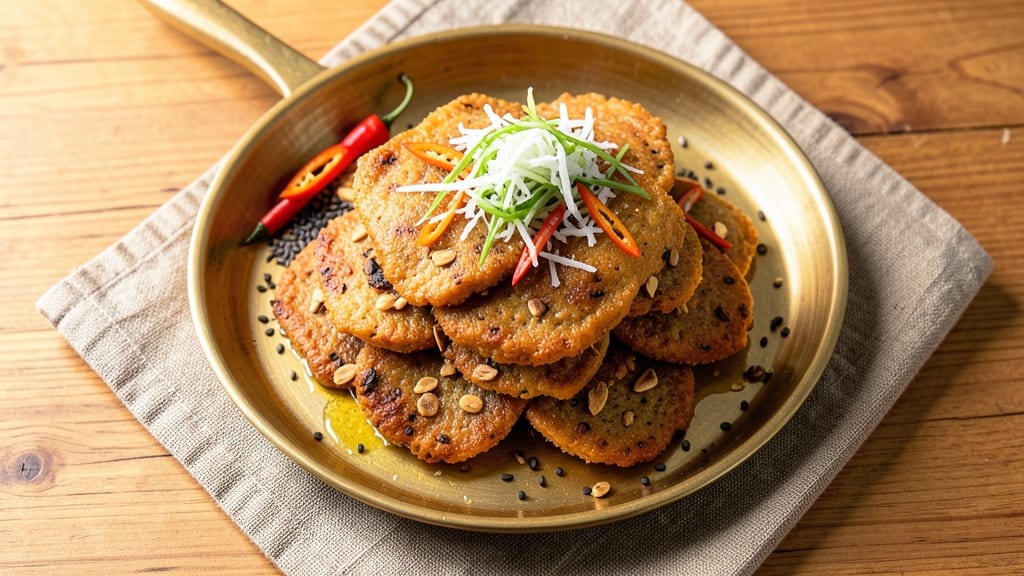
This chakli recipe with rice flour and urad dal delivers crispy, golden fritters that shatter between your teeth while staying soft inside.
The secret lies in the perfect balance of urad dal batter and rice flour dough—traditional techniques that transform simple ingredients into a snack so addictive, you'll crave it with every cup of tea.
I've perfected this method over years of testing, ensuring each bite achieves that ideal crunch without turning greasy.
The magic happens during the frying process, where precise heat control creates those signature bubbles while maintaining an even golden color. Serve warm with tamarind chutney or mint-coriander dip for the full experience—this vegetarian delight pairs perfectly with spiced tea or as a festive snack.
The dough's subtle nutty flavor from urad dal complements the crispy exterior, making every bite satisfyingly complex. Let's get started on this timeless recipe that's been a kitchen staple for generations.
Ingredients for chakli recipe with rice flour and urad dal
Simple, traditional ingredients for crispy chakli that balance nutty urad dal and fragrant rice flour.
| Ingredient | Amount | Notes |
|---|---|---|
| Rice Flour 🌾 | 2 cups | Fine grain preferred |
| Urad Dal 🌱 | 1 cup | Soaked overnight, ground |
| Water 💧 | 1 ½ cups | Room temperature |
| Semolina 🌾 | ½ cup | For extra crunch |
| Ghee 🧈 | 2 tbsp | For frying, clarified |
| Fresh Ginger 🧄 | 1 tbsp | Finely grated |
| Green Chilies 🌶️ | 3 whole | Slit lengthwise, seeds removed |
| Asafoetida 🌿 | ¼ tsp | Crushed for aroma |
| Cumin Seeds 🌿 | ½ tsp | Toasted lightly |
| Turmeric Powder 🌶️ | ¼ tsp | For color |
| Salt 🧂 | ½ tsp | Adjust to taste |
| Mustard Oil 🫒 | 3 cups | For frying, optional |
| Fresh Coriander Leaves 🌿 | ¼ cup | Chopped, for garnish |
The urad dal is the heart of this recipe—soak it overnight and grind it smooth for that signature texture. Patel Brothers or local Indian grocers carry the best quality, or check the bulk bins at Whole Foods for organic options. Rice flour should be fine grain (not coarse)—Bob's Red Mill works well. For the ghee, Amul or Kerala brand are reliable choices; look for pure, unadulterated versions. Fresh ginger and green chilies add the perfect kick—buy them from a trusted vendor to ensure vibrant color and sharp flavor, which is key for that authentic taste.
No mustard oil? Vegetable oil or sunflower oil works fine, though it lacks the traditional aroma. Short on urad dal? Substitute with masoor dal (red lentils) at the same quantity, though texture will differ slightly. The asafoetida (hing) is non-negotiable—it's what gives chakli that unmistakable depth. If you can't find it, garlic powder at half the amount is a poor substitute but better than nothing. For the semolina, raw or toasted both work, but toasting enhances the nutty flavor. Always adjust salt to taste—some batches need more, others less depending on the dal's saltiness.
Store the dry ingredients (rice flour, semolina, spices) in airtight containers for up to 6 months. The urad dal batter keeps in the fridge for 2 days if sealed properly. For frying, use a deep pot and maintain medium heat—170°F oil temperature is ideal. These fritters are best served immediately but can be reheated in a dry pan for 2-3 minutes to restore crispiness. Freezing isn't recommended as it ruins the texture, but you can make extra batter and fry in batches.
Why You'll Love This Recipe
- No-Fuss Mixing: I swear, this only needs three bowls and a little elbow grease—just combine rice flour, urad dal, and semolina, then add water until it’s smooth like pancake batter. No fancy equipment, no stress.
- Crispy-Creamy Magic: That first bite? Pure contrast—the outside gets golden and shatteringly crisp from the ghee, while the inside stays soft and nutty from the urad dal. Honestly, it’s the kind of texture that makes you pause mid-chew.
- Snack or Side: I keep these on hand for everything—crunchy with tea, packed in lunchboxes, or even as a quick breakfast with yogurt. They’re small enough to munch on but hearty enough to satisfy.
- Pantry Staples Only: Between us, this recipe won’t break the bank—rice flour, urad dal, and semolina are all shelf-stable, and a little ghee goes a long way. Plus, leftovers? Just reheat in a pan, and they taste just as good the next day.
Step-by-step instructions for chakli with rice flour and urad dal
Follow this method for perfectly crispy chakli with a golden exterior and fragrant spiced filling.
Prepare the Urad Dal Batter
In a mixing bowl, combine the soaked and ground 1 cup Urad Dal with 1.5 cups room temperature water. Add 1 tbsp finely grated fresh ginger, 3 slit green chilies, 0.25 tsp crushed asafoetida, 0.5 tsp toasted cumin seeds, 0.25 tsp turmeric powder, and 0.5 tsp salt. Mix thoroughly until you achieve a smooth, lump-free batter with a thick, spreadable consistency.
This batter should be thick enough to hold its shape when dropped but still flow smoothly. If it's too thick, add a splash of water; if too thin, stir in a bit of rice flour. The batter should rest for 10 minutes at room temperature to allow the flavors to meld together before using.
Mix the Rice Flour Dough
In a separate large bowl, combine the 2 cups rice flour and 0.5 cup semolina. Gradually add the Urad Dal batter while mixing with a spoon or your hands, working the dough until it forms a firm, pliable ball. The dough should be smooth and slightly sticky but not wet.
Knead the dough for about 5 minutes until it becomes elastic and no longer sticks to your hands. Cover the dough with a damp cloth and let it rest for 30 minutes at room temperature. This resting period allows the gluten to relax, making the chakli easier to shape and ensuring they fry evenly.
Shape the Chakli
Divide the rested dough into 16 equal portions (about 1.5 oz each). Roll each portion between your palms into smooth, oval shapes, about 2 inches long and 1 inch wide. The chakli should be uniform in size for even cooking.
Place the shaped chakli on a plate and cover with a damp cloth to prevent them from drying out. If the dough feels too sticky, wet your hands slightly to prevent sticking. The goal is to create shapes that are firm enough to hold their form when dropped into hot oil but still pliable for easy handling.
Fry to Golden Perfection
Heat 3 cups mustard oil (or a mix of mustard oil and ghee) in a deep, heavy-bottomed pan over medium heat until it reaches 350°F. To test the oil temperature, drop a small piece of dough into the oil—it should sizzle and rise to the surface immediately.
Carefully slide the chakli into the hot oil, frying 4-5 at a time to avoid overcrowding. Fry for 3-4 minutes per side until they turn a deep golden brown color. The chakli should be crispy on the outside with a soft, spiced interior. Use a slotted spoon to remove them and drain on paper towels.
Finish and Serve
Once all the chakli are fried, transfer them to a serving platter. Drizzle with 2 tbsp melted ghee and sprinkle generously with 0.25 cup chopped fresh coriander leaves. Serve warm with steaming hot rice or as a snack with spicy chutney.
For best results, serve the chakli immediately while they are still crispy. If storing, keep them in an airtight container for up to 3 days, but they're best enjoyed fresh. The combination of the crispy exterior and the fragrant, spiced filling makes these chakli irresistible.
Pro Tips For Making Chakli Recipe With Rice Flour And Urad Dal
- Soften Urad Dal Properly: Skip the microwave—soak urad dal in warm water (not boiling) for 4-6 hours or overnight. I learned this the hard way: rushing with hot water makes the dal gummy, and you’ll end up with dense, chewy chaklis instead of light, fluffy ones. The dal should be soft enough to mash easily between your fingers.
- Use Medium Heat for Frying: Start frying chaklis on medium heat, not high. After burning three batches, I finally figured out that high heat causes the outside to brown too fast while the inside stays raw. Medium heat lets the ghee penetrate evenly, giving you that perfect golden crust without a gooey center.
- Mix Rice Flour and Semolina Dry First: Combine rice flour and semolina before adding water or ghee—this prevents lumps and ensures a smoother batter. I was skeptical until I tried it: the texture becomes uniform, and the chaklis hold their shape better when deep-fried. No more breaking apart or sinking like a rock.
- Let the Batter Rest: Give the batter a 15-minute rest after mixing—yes, even if you’re impatient like me. This lets the flours absorb moisture and ghee, making the chaklis crispier and less likely to crumble. Trust me, your future self will thank you when they’re not gluing the pan together.
Health benefits of these flavors
Protein-Packed Snack
Chakli delivers a nutrient-dense snack thanks to its urad dal base, providing plant-based protein (about 12 grams per serving) that supports muscle repair and keeps you full. The rice flour adds complex carbohydrates for sustained energy, making this a perfect post-workout bite or mid-afternoon pick-me-up. 💪
Rich in Fiber
The combination of urad dal and rice flour creates a high-fiber snack (around 8 grams per serving), aiding digestion and promoting gut health. The fiber content helps stabilize blood sugar levels, preventing energy crashes that often follow carb-heavy snacks.
I always notice better digestion when I include chakli in my meal rotation.
Essential Minerals
Urad dal is packed with iron (great for preventing anemia) and magnesium (supports muscle and nerve function), while rice flour contributes calcium and phosphorus for bone strength. The cumin seeds in the batter add zinc, which boosts immunity. This mineral powerhouse makes chakli a smart choice for health-conscious snacking.
Low in Fat
Despite their crispy texture, chakli are surprisingly low in fat when prepared with minimal oil (using 3 cups mustard oil for 16 pieces). The frying process creates that satisfying crunch without the heavy grease of many fried snacks.
Opt for ghee finishing instead of extra oil to keep fat content in check while adding flavor.
Gluten-Free Option
Naturally gluten-free, chakli are safe for those with celiac disease or gluten sensitivity. The rice flour and urad dal provide all the structure needed without relying on wheat.
Just ensure your rice flour is certified gluten-free if avoiding cross-contamination. I've made these for gluten-sensitive friends, and they never miss the difference!
Nutrition facts
Frequently asked questions
Can I make chakli without mustard oil?
Mustard oil adds authentic flavor, but you can substitute with vegetable oil or sunflower oil for a milder taste. For extra richness, blend 2 tbsp ghee with the oil. The key is maintaining 350°F oil temperature—test with a small dough piece to ensure proper frying.
How do I fix dough that's too sticky?
If your dough feels too sticky, sprinkle 1 tbsp rice flour at a time while kneading until it becomes pliable. Avoid adding too much—just enough to make handling easier. For extra insurance, chill the dough for 15 minutes before shaping. The resting period helps too!
Can I bake chakli instead of frying?
Baking won't give the same crispy texture, but you can try! Shape the chakli and place on a parchment-lined tray. Brush with oil and bake at 375°F for 15-18 minutes, flipping halfway. They'll be softer but still tasty—great for a lighter version. For best results, stick with frying for that signature crunch.
What's the best way to store leftover chakli?
Store in an airtight container at room temperature for 3 days maximum. To revive crispiness, heat in a dry pan over medium heat for 2-3 minutes. For longer storage, freeze for up to 1 month—but texture may soften. Always serve with fresh chutney to enhance flavor.
Why did my chakli turn out greasy?
Greasy chakli usually mean the oil was too cool or overcrowding during frying. Maintain 350°F oil temperature and fry 4-5 pieces at a time. Also, ensure your dough isn't too wet—add more rice flour if needed. Drain on paper towels to remove excess oil immediately after frying.