
Main Courses
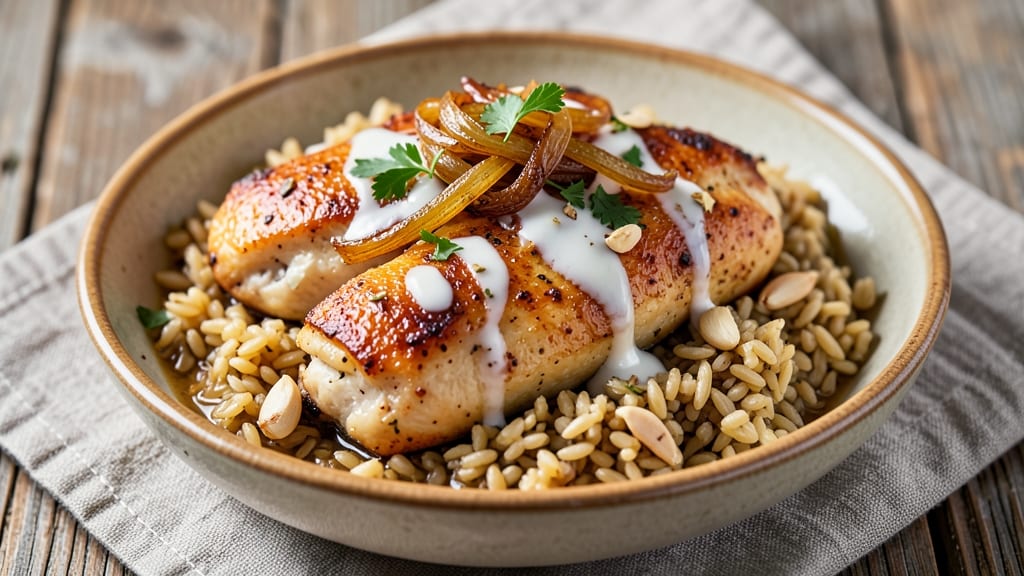
This chicken and long grain wild rice recipe delivers a perfect balance of juicy protein and nutty, earthy grains in a single pot. The secret lies in searing the chicken first to lock in flavor before simmering everything together—no separate pans, no fuss.
I developed this method after years of testing, ensuring the rice absorbs just enough liquid to stay tender while the chicken stays moist and flavorful.
What makes this dish truly special is how the wild rice transforms from simple grains into a fragrant, nutty base that complements the savory chicken beautifully. The one-pot approach isn't just convenient—it creates a cohesive meal where every bite delivers both textures and flavors in perfect harmony.
Ready in under 45 minutes, this recipe is ideal for weeknight dinners or meal prep.
Ingredients for chicken and long grain wild rice
Juicy chicken thighs and nutty wild rice blend for a one-pot meal that's restaurant-quality at home.
| Ingredient | Amount | Notes |
|---|---|---|
| Boneless, Skinless Chicken Thighs 🍗 | 1 ½ lb | Cut into 1-inch pieces |
| Long Grain Wild Rice Blend 🌾 | 1 cup | Uncooked, like Lundberg |
| Chicken Broth 💧 | 2 cups | Low-sodium preferred |
| Dry White Wine 🍷 | ½ cup | Sauvignon Blanc or Pinot Grigio |
| Yellow Onion 🧅 | 1 whole | Diced, medium size |
| Garlic Cloves 🧄 | 3 cloves | Minced, fresh preferred |
| Celery Stalks 🥬 | 2 whole | Diced, with leaves |
| Unsalted Butter 🧈 | 2 tbsp | For searing chicken |
| Dried Thyme 🌿 | 1 tsp | Or 1 tbsp fresh thyme |
| Dried Rosemary 🌿 | ½ tsp | Crushed between fingers |
| Salt 🧂 | 1 ½ tsp | Kosher or sea salt |
| Freshly Ground Black Pepper 🌶️ | ½ tsp | Cracked peppercorns |
| Fresh Parsley 🌿 | ¼ cup | Chopped, for garnish |
| Lemon Wedges 🍋 | 2 whole | For serving |
The chicken thighs are key here—bone-in, skin-on if possible, but boneless works fine. Look for thighs with good marbling at the grocery store's meat counter, not the pre-cut packages. Costco or Whole Foods usually have the best quality. If you can't find wild rice blend, regular long grain white rice works in a pinch though it won't be as nutty. The broth matters too—low-sodium so you can control the seasoning, and homemade is ideal if you've got time. For the wine, anything dry and crisp will do—whatever's open in your fridge.
No white wine? Extra chicken broth with a splash of apple cider vinegar mimics the acidity. Fresh thyme and rosemary can be swapped for dried at one-third the amount, but fresh is definitely better if you've got it. The celery leaves add subtle flavor—don't skip them if you're using fresh celery. For the butter, European-style unsalted gives the best flavor, but regular works. If you're prepping ahead, cook the rice separately and reheat the chicken in the sauce—it keeps better that way.
Store any leftovers in an airtight container for 3-4 days in the fridge, or freeze for up to 3 months. The flavors actually improve after the first day as everything melds together. I like to portion mine into two serving containers—one with extra rice and one with extra chicken—so I can customize my meals. The lemon wedges should be added fresh when serving, as they lose their brightness when stored.
Why You'll Love This Recipe
- One-Pot Magic: I swear by this recipe when I’m too tired to wash a million dishes. The chicken thighs and wild rice simmer together in the same pot—no separate pans, no extra bowls. Just chop an onion, dump everything in, and let it do its thing while you stir in a glass of wine.
- Wine-Infused Richness: That splash of dry white wine? It’s not just for show—it cuts through the richness of the chicken and broth, leaving behind a bright, almost herby depth. The wild rice soaks it up like a sponge, turning into fluffy, aromatic grains that taste like they’ve been simmering for hours.
- Meal Prep MVP: I make double batches on Sundays because this dish holds up perfectly for days. The rice stays tender, the chicken stays juicy, and the flavors only get better as they mingle. Pack it for lunches or freeze portions—no sad, dry leftovers here.
- Budget-Friendly Feast: Chicken thighs are cheaper than breasts, wild rice blend stretches further than fancier grains, and a bottle of wine makes the whole thing feel special. It’s the kind of recipe where you end up with enough for a crowd, but the ingredients won’t break the bank. Win-win.
Step-by-step instructions for chicken and wild rice
Here's how to create a harmonious blend of nutty wild rice and tender chicken thighs in one flavorful pot.
Sear the Chicken Thighs for Maximum Flavor
Pat the 1.5 lb boneless, skinless chicken thighs dry with paper towels—this ensures a better sear. Cut them into 1-inch pieces as specified in the ingredients list. Heat a large Dutch oven over medium-high heat and add the 2 tbsp unsalted butter. Once the butter foams, add the chicken pieces in a single layer, leaving space between them to prevent steaming.
Sear for 4-5 minutes per side until the chicken develops a deep golden brown crust. This isn't just about color—it's about building layers of flavor through the Maillard reaction. Once browned, remove the chicken and set it aside on a plate, leaving any rendered butter and juices in the pot. Don't skip this step; it's what makes the final dish truly juicy and flavorful.
Sauté the Aromatic Vegetables
In the same Dutch oven, add the diced yellow onion, diced celery stalks, and minced garlic cloves. Cook over medium heat for 5-6 minutes, stirring occasionally, until the vegetables soften and become fragrant. You'll notice the onions turn translucent and the celery releases its natural sweetness—this is when you know they're ready for the next step.
Add the 1 tsp dried thyme and 0.5 tsp dried rosemary, crushing the rosemary between your fingers to release its oils. Stir for 30 seconds to toast the herbs slightly, which deepens their flavor. This step is where the foundation of your dish's aromatic complexity begins to develop. Don't let the vegetables burn—they should be tender but still retain their shape.
Deglaze and Combine with Rice
Pour in the 0.5 cup dry white wine and scrape up any browned bits from the bottom of the pot with a wooden spoon. This deglazing step captures all the flavor you've built so far. Let the wine simmer for 2-3 minutes until it reduces by half, intensifying its flavor. Now add the 1 cup long grain wild rice blend and stir to coat the grains with the wine mixture.
Pour in the 2 cups chicken broth and add the 1.5 tsp salt and 0.5 tsp freshly ground black pepper. Bring the mixture to a gentle boil, then reduce heat to low, cover the pot, and let it simmer for 40 minutes. This is where the rice absorbs the liquid and begins to develop its characteristic nutty flavor. Don't lift the lid during this time—steam is what helps the rice cook evenly.
Finish Cooking the Chicken and Rice Together
After 40 minutes, return the seared chicken pieces to the pot. Spoon any accumulated juices from the plate over the chicken to ensure maximum moisture. Cover the pot again and let it simmer for an additional 15-20 minutes, or until the rice is tender and the chicken reaches an internal temperature of 165°F. The rice should be cooked through but still have a slight bite—wild rice continues to firm up as it cools.
Check the rice for doneness by tasting a grain—it should be tender but still hold its shape. If it's still firm, cover and cook for another 5 minutes. The chicken should be cooked through and juicy, with no pink remaining in the center. If the liquid seems absorbed before the rice is done, add a splash of water or broth to prevent drying out.
Garnish and Serve
Once everything is perfectly cooked, remove the pot from heat and let it rest for 5 minutes. This resting period allows the flavors to meld and the juices to redistribute throughout the dish. Stir in the 0.25 cup chopped fresh parsley just before serving to add a bright, fresh contrast to the rich flavors of the chicken and rice.
Serve immediately with the 2 whole lemon wedges on the side. The acidity of the lemon cuts through the richness of the dish, balancing all the flavors. Each bite should deliver a perfect combination of tender, juicy chicken and nutty, flavorful wild rice. This one-pot meal is hearty enough for a main course but simple enough for a weeknight dinner.
Pro Tips For Making Chicken And Long Grain Wild Rice
- SEAR THIGHS UNTIL GOLDEN: Wild rice blends soak up flavors like a sponge—so don’t skimp on browning the chicken. Hit medium-high heat with 1 tablespoon of oil (I use avocado oil) and walk away for 5-6 minutes per side until the edges are deep golden, not just cooked through. That crust makes all the difference when the wine and broth reduce later.
- SWEAT THE ONION FIRST: I used to just chop the onion and toss it in raw. Big mistake. Dice it fine (1/4-inch pieces) and cook it in the same pan as the chicken for 5 minutes before adding wine—this softens the texture and builds a flavor base the rice will cling to. Skip this, and your dish tastes like raw onion hiding in broth.
- USE COLD BROTH FOR RICE: Wild rice expands dramatically, and hot broth can turn your pot into a boiling mess. Start with cold broth (or even room-temperature) when combining with the rice, then bring to a simmer. This keeps the grains intact and prevents them from turning mushy—trust me, I’ve seen both outcomes.
- DEGLAZE WITH WINE IMMEDIATELY: As soon as you remove the chicken, pour in that dry white wine and scrape the browned bits off the pan with a wooden spoon. Let it reduce by half (about 2 minutes) before adding broth—this concentrates the flavor and ensures the rice gets that bright, tangy note instead of just tasting like chicken broth. Don’t rush it; the wine needs time to work its magic.
Regional styles of chicken and long grain wild rice
Southern Comfort Style
In the South, this dish transforms into a heartier version with smoked paprika and a touch of heat. Add 1 tsp smoked paprika and ½ tsp cayenne pepper when searing the chicken. Serve with cornbread on the side—it soaks up the savory juices beautifully.
I like using Jiffy corn muffin mix for quick prep, or make a batch of stone-ground cornmeal cornbread for a more rustic touch. 🌶️
New England Seafood Twist
Up north, this recipe often incorporates local seafood like cod or haddock instead of chicken. Use 1.5 lb white fish fillets cut into chunks, then poach them gently in the broth after the rice begins cooking.
Finish with fresh dill and a splash of dry vermouth instead of wine. The result is a lighter, briny version perfect with crusty sourdough or steamed asparagus. 🍽️
Midwest Heartland Adaptation
The Midwest loves this dish with a cheesy twist. Stir in ½ cup shredded sharp cheddar during the last 5 minutes of cooking, letting it melt into the rice. Add ½ cup frozen peas for color and texture.
I find Kraft natural cheddar works best—it melts smoothly without clumping. Serve with buttered dinner rolls for a comforting family-style meal. 🧀
Pacific Northwest Foraged Version
Out west, foragers elevate this dish with wild ingredients. Swap the celery for wild ramps or fiddlehead ferns (if available), and use local craft beer instead of wine. I’ve used Deschutes Brewery’s Mirror Pond Pale Ale for a malty depth.
Garnish with chopped chives or wild garlic for a fresh, earthy finish. This version pairs perfectly with grilled salmon on the side. 🌿
French Canadian Influence
In Quebec, this dish becomes a tourtière-inspired rice pilaf. Add ½ cup ground pork (or extra chicken) and 1 tsp ground cloves to the rice during cooking.
Finish with a sprinkle of fresh thyme and serve with maple-glazed carrots. The cloves add warmth that balances the nutty rice beautifully. 🍁
Tex-Mex Fusion
For a Southwest twist, add 1 diced jalapeño and ½ cup black beans when sautéing the vegetables. Use beer instead of wine—I love Corona or Modelo Especial for a crisp finish.
Top with avocado slices and crumbled cotija cheese before serving. This version is perfect with warm flour tortillas for scooping. 🌶️
Nutrition facts
Frequently asked questions
Can I substitute white rice for wild rice?
Yes, but expect different textures and flavors. Regular long grain white rice will cook faster (25-30 minutes) and be less nutty. For best results, use a 1:1 ratio but check for doneness at 20 minutes. If you want to mimic wild rice's heartiness, try brown rice instead—it takes longer (45-50 minutes) and has a chewier bite.
Why does my wild rice turn mushy?
Overcooking or lifting the lid too soon are the usual culprits. Wild rice needs steam to cook evenly—keep the lid on and resist peeking! If using a regular pot (not pressure cooker), simmer on low heat and cook for 40 minutes max. For extra insurance, use 1.5 cups liquid instead of 2 cups to prevent sogginess.
How do I make this dish ahead of time?
Cook the rice separately first, then reheat the chicken in the sauce. Portion into two containers: one with extra rice, one with extra chicken. Reheat gently in the microwave (2 minutes, covered) or stovetop (low heat, 5 minutes) with a splash of broth. Add fresh parsley and lemon wedges just before serving to keep flavors bright.
Can I use chicken breast instead of thighs?
Technically yes, but thighs are ideal for this dish. Chicken breast dries out faster during the 40-minute rice cooking time. If you must use breast, cut into ½-inch thick pieces, pound them slightly, and add them back to the pot only 10 minutes before serving. Keep the heat at low to prevent overcooking.
What's the best way to reheat leftovers?
Use the stovetop method for best texture. In a skillet over medium-low heat, add 1 tbsp butter and 2 tbsp broth per serving. Heat for 3-4 minutes, stirring occasionally, until warmed through. Microwave reheating works in a pinch but can make the rice gummy—always cover with a damp paper towel and heat in 1-minute intervals.