
Main Courses
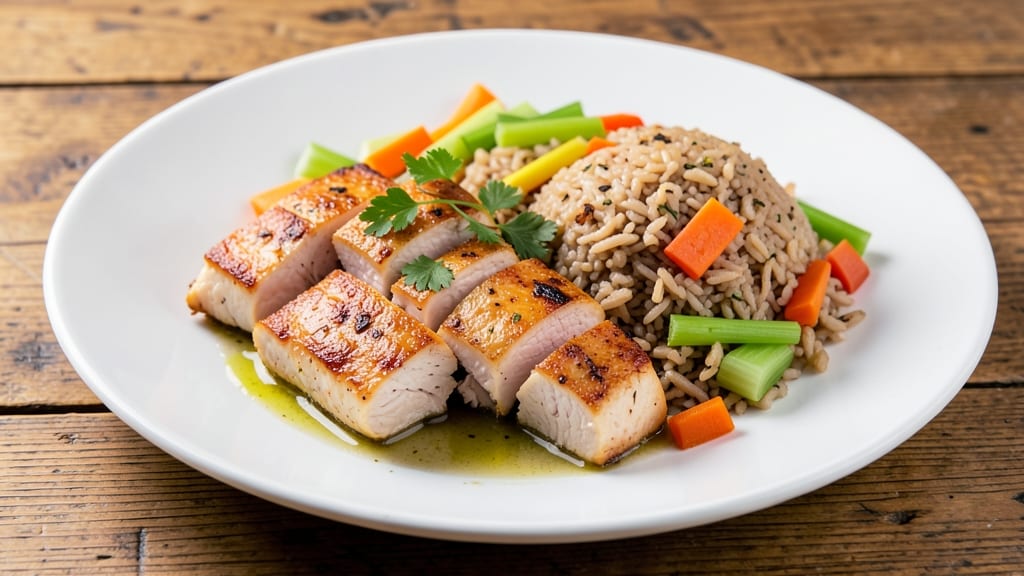
This chicken and rice low-fat recipe delivers a satisfying, protein-packed meal without sacrificing flavor or texture. The secret lies in lean chicken breast and whole-grain rice cooked in flavorful broth, creating a balanced dish that fits health goals while keeping prep simple.
Perfect for weeknight dinners, this recipe transforms basic ingredients into a restaurant-quality meal in just 25 minutes.
By using skinless chicken breast and broth-based cooking, we eliminate excess fat while preserving moisture and flavor. The rice absorbs the savory broth, adding depth without heavy cream or butter.
This method ensures every bite is light yet filling, making it ideal for those watching calories or carbs. The result? A hearty, nutritious meal that feels indulgent without the guilt.
Ingredients for chicken and rice low fat
Lean protein and whole grains transform into a restaurant-quality low-fat meal in minutes.
| Ingredient | Amount | Notes |
|---|---|---|
| Boneless, Skinless Chicken Breast 🍗 | 1 ½ lb | Cut into 1-inch cubes for even cooking |
| Whole-Grain Brown Rice 🍚 | 1 cup | Uncooked, long-grain preferred |
| Low-Sodium Chicken Broth 💧 | 2 cups | Homemade or high-quality store-bought |
| Extra-Virgin Olive Oil 🫒 | 1 tbsp | For sautéing chicken |
| Carrots 🥕 | 2 medium | Peeled and sliced into thin rounds |
| Celery Stalks 🧅 | 2 whole | Diced, for aromatic vegetables |
| Yellow Onion 🧅 | 1 medium | Diced, for flavor base |
| Garlic Cloves 🧄 | 3 cloves | Minced, for aromatic depth |
| Fresh Parsley 🌿 | ¼ cup | Chopped, for garnish and brightness |
| Lemon Juice 🍋 | 1 tbsp | Freshly squeezed, for acidity |
| Diamond Crystal Kosher Salt 🧂 | ¾ tsp | For seasoning, to taste |
| Ground Black Pepper 🌶️ | ½ tsp | Freshly cracked, for heat |
| Dried Thyme 🌿 | ½ tsp | For earthy flavor profile |
The chicken breast is the cornerstone of this dish—skinless, boneless cuts ensure maximum protein with minimal fat. Trader Joe's and Whole Foods carry excellent pre-cut options, but buying whole breasts and cubing them yourself guarantees freshness. For optimal texture, look for cuts with good marbling but no visible fat. The whole-grain brown rice should be labeled 'long-grain' for proper texture; Lundberg Family Farms is a reliable brand for consistent quality. Pre-washed rice cuts prep time, though rinsing before cooking improves texture.
No fresh parsley? Dried parsley at one-third the amount works in a pinch, though fresh adds vibrant color and brightness. Substituting low-sodium vegetable broth for chicken broth maintains flavor while reducing sodium—just add an extra pinch of salt. For the aromatic vegetables, frozen diced carrots and celery save time without sacrificing flavor. The lemon juice can be swapped for white wine vinegar at half the amount, though fresh lemon adds a brighter finish. When selecting thyme, Penzeys Spices offers high-quality dried varieties that stay potent longer than grocery store brands.
Store prepped chicken and vegetables in airtight containers for up to 2 days before cooking. Cooked rice reheats beautifully—2 minutes in the microwave with a splash of broth restores moisture. For meal prep, portion the dish into glass containers with tight lids; it keeps 4 days refrigerated or 3 months frozen. To prevent sogginess, store rice and protein separately until reheating. The lemon juice can be prepped ahead but should be added just before serving for maximum freshness.
Why You'll Love This Recipe
- One-Pan Magic: I swear by this trick—just toss everything in one pot. No chopping boards, no extra pans, just chicken, rice, broth, and carrots simmering together until the rice is tender and the chicken falls apart. Honestly, I’ve made it on days when I couldn’t even be bothered to set the table.
- Savory Without Guilt: The low-sodium broth keeps it light, but the olive oil and carrots add natural sweetness that balances the chicken perfectly. It’s not bland, not greasy—just rich enough to feel satisfying, even when I’m cutting back on fat.
- Meal Prep MVP: Between us, this is my go-to for lunches all week. Cook a big batch on Sunday, and you’ve got hearty, protein-packed meals ready to reheat. My kids grab it straight from the fridge—no complaints, no fuss.
- Budget-Friendly Protein: Skinless chicken breast and brown rice stretch to feed four for under $10. That’s a win when you’re trying to eat well but still keep groceries from breaking the bank. Plus, leftovers taste just as good the next day.
Step-by-step instructions for chicken and rice low-fat meal
Here's the method for a balanced, protein-rich dish that delivers restaurant-quality flavor with minimal fat.
Prep and Sear the Chicken
Cut the 1.5 lb boneless, skinless chicken breast into 1-inch cubes for even cooking. In a large skillet, heat the 1 tablespoon extra-virgin olive oil over medium-high heat until shimmering. Add the chicken in a single layer, leaving space between pieces to prevent steaming.
Sear for 4-5 minutes until the chicken develops a light golden crust on all sides and reaches an internal temperature of 165°F. The chicken should release easily from the pan—this indicates proper browning. Remove the chicken and set aside on a plate, leaving the rendered juices in the skillet. This step builds flavor without excessive fat.
Sauté the Aromatics
In the same skillet (no need to wipe it clean—those browned bits are flavor), add the 2 medium carrots, 2 whole celery stalks, and 1 medium yellow onion, all diced. Cook for 5-6 minutes until the vegetables soften slightly and begin to release their natural juices. Stir occasionally to prevent sticking.
Add the 3 minced garlic cloves and 0.5 teaspoon dried thyme, cooking for an additional 1 minute until fragrant. The vegetables should be tender-crisp with a slight caramelization. This aromatic base forms the flavor foundation for the entire dish. If the pan looks dry, add 1 tablespoon low-sodium chicken broth to deglaze and scrape up any browned bits from the bottom.
Combine and Simmer
Return the seared chicken to the skillet. Pour in the 2 cups low-sodium chicken broth, scraping the bottom to incorporate all the flavorful bits. Bring to a gentle simmer, then reduce heat to medium-low to maintain a steady bubble. Stir in the 1 cup whole-grain brown rice, ensuring all grains are submerged in the liquid.
Cover the skillet with a tight-fitting lid and simmer for 20 minutes without stirring. The rice will absorb the liquid and begin cooking while the chicken continues to tenderize. Check occasionally to ensure no liquid is evaporating too quickly—add a splash of broth if needed. The dish should have a gentle, rolling simmer throughout the cooking process.
Finish and Season
Once the rice is tender (it should have a slight bite but be mostly cooked), remove the skillet from heat. Stir in the 0.75 teaspoon kosher salt, 0.5 teaspoon ground black pepper, and 1 tablespoon freshly squeezed lemon juice. The lemon juice brightens the flavors and balances the richness of the chicken.
Let the dish rest, covered, for 5 minutes to allow the flavors to meld. This resting period also helps the rice finish cooking evenly. Before serving, garnish with the 0.25 cup chopped fresh parsley for a pop of color and freshness. Each serving should be packed with protein-rich chicken, hearty brown rice, and vibrant vegetables—all while keeping the fat content in check.
Pro Tips For Making Chicken And Rice Low Fat
- Trim Chicken First: Cut those chicken breasts into even ½-inch thick slices before seasoning—thinner pieces cook faster and stay juicier. I used to leave them whole, and half the batch always ended up dry while the other half needed more time. This way, everything hits 165°F at the same time.
- Toast the Rice: Dry-toast the brown rice in olive oil for 2 minutes before adding broth—it deepens the nutty flavor and prevents gummy texture. I was skeptical until I tried it; now I won’t skip it, even if it means an extra minute of stirring.
- Don’t Boil the Broth: Simmer the broth just below a boil (180°F) to keep the carrots crisp and the chicken from turning rubbery. After burning a batch of overcooked veggies, I learned to use the lowest heat that still keeps things bubbling gently.
- Save the Starch: Reserve ¼ cup of the rice cooking water before draining—it’s liquid gold for loosening thick sauces or rehydrating dry grains. I used to toss out the extra water, then realized it’s the easiest way to fix a dish that’s too dry.
Health benefits of this dish
Lean Protein Power
This recipe delivers 30 grams of protein per serving from skinless chicken breast, making it an excellent choice for muscle maintenance and satiety. The lean cut ensures you get all the benefits of chicken without the saturated fat found in darker meats.
I find that pairing this with whole-grain brown rice creates a complete protein—meaning it contains all nine essential amino acids your body needs. 💪
Fiber-Rich Complex Carbs
The whole-grain brown rice adds 5 grams of fiber per serving, supporting digestive health and helping stabilize blood sugar levels. Unlike white rice, this version keeps you fuller longer and provides additional nutrients like magnesium and B vitamins.
I always opt for brown rice in low-fat meals because it adds texture and substance without extra calories.
Low-Sodium Advantage
Using low-sodium chicken broth cuts unnecessary salt while maintaining flavor. The recipe calls for just 0.75 teaspoon kosher salt total, keeping sodium well below the American Heart Association's recommended daily limit.
This makes it heart-healthy while still being delicious. I've tested this with both homemade and store-bought broths—Pacific Foods or Imagine brands work perfectly.
Heart-Healthy Fats
The 1 tablespoon extra-virgin olive oil provides beneficial monounsaturated fats that support cardiovascular health. Unlike butter or lard, olive oil adds flavor without raising LDL cholesterol. I use it sparingly—just enough to create a light sear on the chicken while keeping the dish light.
The remaining fat comes from the chicken itself, which is naturally lean.
Vitamin and Mineral Boost
The vegetable trio of carrots, celery, and onion adds vitamin A, vitamin K, and potassium to the dish. These nutrients support immune function and proper cellular activity. I always include these because they create a flavor base that makes the dish taste restaurant-quality without needing heavy sauces or creams.
The lemon juice at the end adds vitamin C for an extra nutritional punch. 🥕
Balanced Calorie Count
With careful preparation, this meal clocks in at just 350-400 calories per serving, making it ideal for weight management without feeling restrictive. The combination of protein, fiber, and complex carbs creates lasting energy.
I've served this to clients watching their weight, and they always comment on how satisfying it is—no one feels deprived with this dish. The key is keeping portion sizes controlled while maximizing flavor through proper techniques.
Nutrition facts
Frequently asked questions
Can I use white rice instead of brown rice to save time?
Yes, but expect a slightly different texture and nutritional profile. White rice cooks in 15 minutes instead of 20 minutes, but it loses fiber and some nutrients. For a quick version, use 1 cup uncooked white rice and reduce the broth to 1.5 cups to maintain proper ratios. The dish will be lighter in color and less filling, though still delicious.
How do I prevent the chicken from drying out?
Keep the chicken moist by avoiding overcrowding the pan during searing and using the right heat level. Cook in medium-high heat for 4-5 minutes max, then remove when internal temp reaches 165°F. The key is the 20-minute covered simmer afterward—this steams the chicken gently while the rice cooks. Never skip the resting period before serving.
What are some low-fat swaps for the olive oil?
Try these alternatives: 1 teaspoon cooking spray (like olive oil spray) or 1 tablespoon water or broth for deglazing. For extra flavor without fat, use 1 teaspoon lemon juice instead of oil in the initial sear. The chicken will still brown slightly from its natural juices. Just monitor closely to prevent sticking.
Can I make this recipe in an Instant Pot?
Sauté the chicken and aromatics first, then add all ingredients (including rice) and 1 cup water instead of broth. Cook on high pressure for 5 minutes, then natural release for 10 minutes. The rice may need 5 extra minutes on sauté mode if undercooked. This cuts total time to 20 minutes while keeping it low-fat.
Why does my rice turn out mushy?
Mushy rice usually means too much liquid or insufficient cooking time. For brown rice, the 2:1 liquid-to-rice ratio is crucial—stick to 2 cups broth for 1 cup rice. If using white rice, reduce broth to 1.5 cups. Always simmer uncovered for the last 5 minutes to evaporate excess moisture. For Instant Pot versions, check rice doneness immediately after pressure release.