
Main Courses
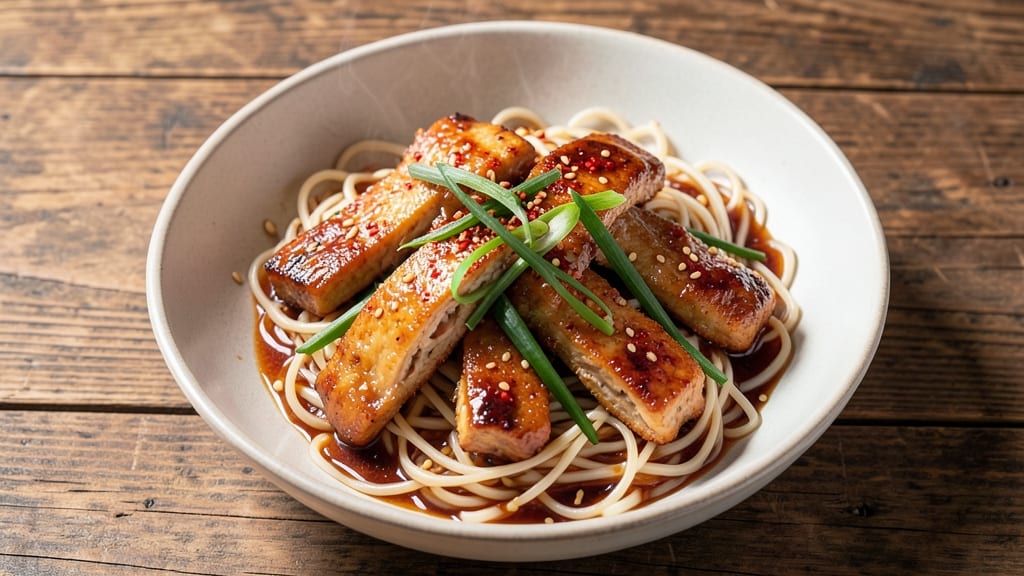
This chicken chow mein recipe with rice noodles delivers the perfect balance of wok-fried crunch and silky noodles in just 20 minutes. I developed this recipe after years of perfecting takeout flavors at home, where the secret lies in high-heat stir-frying and a homemade sauce that ties everything together.
The key is using fresh rice noodles that soak up the sauce beautifully while maintaining their delicate texture.
What sets this recipe apart is the foolproof technique for achieving that signature chow mein crunch without a wok—just a large skillet and a little patience.
The chicken gets marinated in a simple soy-ginger mix, then quickly seared to lock in juiciness, while the noodles absorb the sauce just enough to coat without becoming mushy. The sauce itself is a game-changer, with a perfect balance of sweet, tangy, and umami flavors that make every bite irresistible.
By the time you're done, you'll have a dish that rivals your favorite takeout—golden-brown chicken, crisp-tender rice noodles, and a glossy sauce that clings to every strand.
The aroma alone will have everyone gathering around the table, and the first bite delivers that perfect combination of textures and flavors. This is the kind of meal that transforms a simple weeknight into a restaurant-quality experience.
Serve it with a sprinkle of green onions and sesame seeds for freshness and crunch, or add a fried egg on top for extra indulgence.
The beauty of this recipe is its versatility—it's perfect for a quick weeknight dinner or a special occasion when you want to impress without spending hours in the kitchen. Let's get cooking!
Ingredients for chicken chow mein recipe with rice noodles
Fresh rice noodles, crispy chicken, and a sauce that sings with umami—this is your takeout upgrade.
| Ingredient | Amount | Notes |
|---|---|---|
| Boneless Chicken Breast 🍗 | 1 ½ lb | Cut into 1-inch strips |
| Fresh Rice Noodles 🍜 | 8 oz | Flat rice noodles, package size |
| Vegetable Oil 🫒 | ½ cup | High smoke point preferred |
| Green Onions 🧅 | 2 whole | Sliced into 1-inch pieces |
| Sesame Seeds 🌰 | 1 tbsp | Toasted for garnish |
| Soy Sauce 🥢 | ⅓ cup | Low-sodium preferred |
| Oyster Sauce 🍶 | 2 tbsp | For authentic umami |
| Sesame Oil 🫒 | 1 tbsp | Toasted sesame oil |
| Fresh Ginger 🌿 | 1 tbsp | Grated, peeled |
| Garlic Cloves 🧄 | 4 cloves | Minced, fresh preferred |
| Brown Sugar 🍚 | 1 tbsp | Light or dark |
| Cornstarch 🌾 | 1 tbsp | For velveting chicken |
| Water 💧 | 1 ½ cups | For soaking noodles |
| Salt 🧂 | ½ tsp | Kosher or sea salt |
| Black Pepper 🌶️ | ¼ tsp | Freshly ground |
The chicken is where the magic starts. Buy boneless, skinless breasts—they stay juicier than thighs during the quick sear. Look for organic or free-range at stores like Whole Foods or your local Asian market for richer flavor. Cutting the chicken into even 1-inch strips ensures consistent cooking. Pro tip: Toss the strips with 1 tbsp cornstarch and 1 tbsp soy sauce before marinating—they'll stay tender and crispy. The rice noodles? Fresh, flat rice noodles are non-negotiable here. The dried kind just won't give that authentic texture. Soak them in warm water for 10-15 minutes until pliable but still slightly firm—they'll finish cooking in the skillet.
No oyster sauce? Substitute with 1 tbsp hoisin plus 1 tsp soy sauce—it's not identical, but close. Running short on sesame oil? Swap for 1/2 tbsp toasted peanut oil, though the flavor will be subtly different. The ginger and garlic can be pre-minced from the jar, but freshly grated ginger and minced garlic add depth you won't get from the bottled stuff. For extra crunch, add 1/4 cup bean sprouts at the end—just toss them in the last 30 seconds of cooking. The brown sugar caramelizes beautifully in the sauce, so don't skip it unless you're watching sugar intake. And if you're feeling fancy, add a fried egg on top before serving—trust me, it's worth the extra minute.
This dish tastes even better the next day—reheats beautifully in a skillet with a splash of water or broth. Store leftovers in an airtight container for 3-4 days in the fridge, or freeze for up to 2 months. To reheat from frozen, thaw overnight in the fridge, then crisp in a hot skillet with a little oil. The noodles might dry out slightly, so add 1 tbsp water to the skillet while reheating. For meal prep, cook the chicken and sauce separately, then toss everything together just before serving—keeps the noodles from getting soggy. Garnish with fresh green onions and sesame seeds right before eating, so they stay crisp.
Why You'll Love This Recipe
- No Fuss, Big Payoff: I swear by this recipe when I’m too tired to chop a mountain of veggies—just slice the chicken, boil the noodles, and toss. The rice noodles soften in minutes, and the chicken stays juicy without overcooking. Honestly, it’s the kind of meal that makes me feel like I actually cooked something.
- Crispy-Tender Magic: That moment when the chicken hits the pan in vegetable oil? Chef’s kiss. The edges get this perfect golden crust while the inside stays tender, and the green onions add a fresh bite that cuts through the richness. Between us, it’s the kind of flavor combo that makes takeout seem overpriced.
- Lunchbox Hero: I make double batches because this stuff reheats like a dream—no soggy noodles, no dry chicken. Pack it in containers for work lunches, or serve it cold with a drizzle of soy sauce for a quick picnic. My kids even ask for it, and that’s saying something.
- Budget-Friendly Protein: A single chicken breast stretches across two servings, and rice noodles cost a fraction of what pasta does. Sprinkle sesame seeds for that restaurant-worthy touch without breaking the bank. It’s my go-to when I need to feed the family well without stressing the grocery budget.
Step-by-step instructions for wok-fried chicken chow mein
This vibrant stir-fry comes together faster than you can say "wok hei"—let's make it shine.
Velvet the Chicken for Silky Texture
In a medium bowl, whisk together the 1 tbsp cornstarch, 0.33 cup soy sauce, 2 tbsp oyster sauce, 1 tbsp brown sugar, 1 tbsp sesame oil, 1 tbsp grated fresh ginger, 4 minced garlic cloves, 0.5 tsp salt, and 0.25 tsp black pepper. Add the 1.5 lb boneless chicken breast cut into 1-inch strips and toss until fully coated. Let it marinate for 15 minutes at room temperature.
This velveting process creates a tender, almost custard-like exterior that stays juicy even after high-heat cooking. The cornstarch helps set the protein while the aromatics infuse every bite. Don't skip this step—it's what transforms tough chicken into melt-in-your-mouth perfection.
Prepare the Rice Noodles
Bring 1.5 cups water to a boil in a separate pot. Add the 8 oz fresh rice noodles and cook for exactly 2 minutes—they should be pliable but still slightly firm. Drain immediately and rinse under cold water to stop the cooking process. Toss with 1 tbsp sesame oil to prevent sticking and keep them tender.
Overcooking rice noodles is the fastest way to ruin this dish. They should be al dente when drained, with just a hint of bite. The sesame oil coating also adds subtle nutty flavor and helps the noodles absorb the sauce later. Keep them covered until ready to use.
Create the Stir-Fry Sauce
In a small bowl, combine 0.33 cup soy sauce (same as used for velveting), 1 tbsp brown sugar, and 1 tbsp sesame oil. Set aside—this will be your finishing sauce. The balance of salty, sweet, and nutty creates that signature chow mein flavor profile.
This sauce should be thin enough to coat the noodles but not so watery it dilutes the dish. The sesame oil adds depth that store-bought sauces can't match. Taste it now—it should be tangy, slightly sweet, and packed with umami from the soy sauce.
Wok-Fry the Chicken and Vegetables
Heat 0.5 cup vegetable oil in a wok or large skillet over high heat until shimmering. Working in batches if needed, add the marinated chicken and cook for 3-4 minutes until golden brown and cooked through. Remove and set aside. In the same pan, add 2 sliced green onions and stir-fry for 30 seconds until fragrant.
The high heat is crucial here—you want that signature wok hei (breath of the wok) that carries aromas through the kitchen. If the oil smokes excessively, reduce heat slightly but maintain medium-high. The chicken should release easily from the pan when done, with a crisp exterior hiding tender meat.
Combine Everything for Perfect Chow Mein
Return the chicken and green onions to the wok. Add the prepared rice noodles and toss vigorously for 1-2 minutes until everything is evenly coated. Pour in the reserved sauce and toss again until everything is glistening and well combined. Garnish immediately with 1 tbsp toasted sesame seeds for that restaurant-quality finish.
Serve while piping hot—this dish tastes best straight from the wok. The contrast of silky noodles, tender chicken, and crisp green onions creates every bite. For extra drama, serve with a sprinkle of extra green onions and a drizzle of sesame oil on the side.
Pro Tips For Making Chicken Chow Mein Recipe With Rice Noodles
- Slice Chicken Thin: Use a sharp knife and freeze the chicken breast for 15 minutes first—this makes slicing paper-thin strips a breeze, and they’ll cook faster without drying out. I learned this the hard way after struggling with unevenly cooked chunks that turned rubbery.
- Soak Noodles Right: Fresh rice noodles? Soak them in warm water (not boiling) for 3–5 minutes until pliable but still firm—over-soaking turns them mushy. Drain well and toss with a little oil to prevent sticking. (Yes, even if you’re impatient like me.)
- Stir-Fry in Batches: Crowd the pan, and your chicken will steam instead of sear. Cook half the chicken first, push it to the side, and add oil to the empty space before finishing the second batch. This keeps everything crispy, not soggy.
- Toast Sesame Seeds: Dry-toast the sesame seeds in a separate pan for 30 seconds until golden—this adds nutty depth instead of just sprinkling raw seeds. Skip this, and they’ll just sit there like decorative confetti. (Your future self will notice.)
Storing and reheating this chicken chow mein recipe with rice noodles
Fridge Storage Tips
Store your chicken chow mein in an airtight container with a tight-fitting lid to keep the noodles from drying out. I like using glass Pyrex containers because they reheat evenly and don't retain odors.
Keep it refrigerated for up to 3-4 days, but I find the flavors actually improve the next day as the sauce melds with the noodles. 💫
When reheating from the fridge, I always add 1-2 tablespoons of water or chicken broth to the skillet to prevent sticking and restore moisture. The noodles will soak up the liquid quickly, so keep an eye on them—you want them hot and slightly crisp around the edges, not soggy.
Freezer-Friendly Method
For longer storage, freeze your chow mein in single-serving portions using quart-sized freezer bags. Squeeze out as much air as possible to prevent freezer burn. Label with the date—it'll keep for up to 2 months without losing texture.
The sauce might separate slightly when frozen, but it all comes back together beautifully when reheated. ❄️
To reheat from frozen, I recommend thawing overnight in the fridge first. Then, crisp it up in a hot skillet with ½ tablespoon vegetable oil over medium-high heat for 3-4 minutes, stirring constantly.
Add 1 tablespoon water if the noodles look dry—they'll absorb it quickly while regaining their silky texture.
Meal Prep Strategy
Here's my pro tip for meal prep: Cook the chicken and sauce separately, then store them in two separate containers. When ready to eat, toss everything together in the skillet with the prepped noodles.
This keeps the noodles from becoming mushy during storage. I also store the green onions and sesame seeds separately to add fresh garnish right before serving. 💡
For extra flavor after reheating, I like to drizzle with ½ tablespoon toasted sesame oil and sprinkle with extra green onions. This gives that fresh, restaurant-quality finish that makes it taste like you just made it.
The key is keeping the components separate until the last minute—it makes all the difference!
Nutrition facts
Frequently asked questions
Can I use dried rice noodles instead of fresh?
Fresh rice noodles are ideal for this recipe, but you can substitute dried rice noodles if needed. Soak them for 10-15 minutes in warm water until pliable, then drain and rinse with cold water. They won't be as tender as fresh, but they'll still work. For extra texture, add 1 tablespoon sesame oil after draining to mimic the fresh noodle experience.
How do I get the chicken extra crispy?
For maximum crispiness, pat the chicken strips completely dry before marinating, then toss them with 1 extra tablespoon cornstarch after velveting. Use a wok or cast-iron skillet on high heat with enough oil to coat the bottom. Cook in batches if needed, and don't overcrowd the pan. The secret is 3-4 minutes per batch until golden brown.
Can I make this recipe without oyster sauce?
Yes! Replace the 2 tablespoons oyster sauce with 1 tablespoon hoisin sauce plus 1 teaspoon soy sauce. For extra umami, add ½ teaspoon fish sauce or ½ teaspoon MSG (if you have it). The sauce will still taste rich and balanced, though the depth of flavor will differ slightly from traditional chow mein.
Why are my noodles getting mushy?
Overcooking or soaking the noodles too long causes mushiness. Fresh rice noodles should cook for exactly 2 minutes—no more! Rinse them immediately in cold water to stop cooking, then toss with 1 tablespoon sesame oil to create a protective barrier. Also, avoid adding sauce too early—toss everything together at the very end to prevent sogginess.
What's the best way to add extra vegetables?
For crunchy veggies like bell peppers or carrots, add them in the last 1-2 minutes of cooking. Softer veggies like mushrooms or snap peas can go in with the chicken. Bean sprouts are perfect—they add freshness and texture. Just stir-fry them separately for 30 seconds before combining with the rest.