
Main Courses
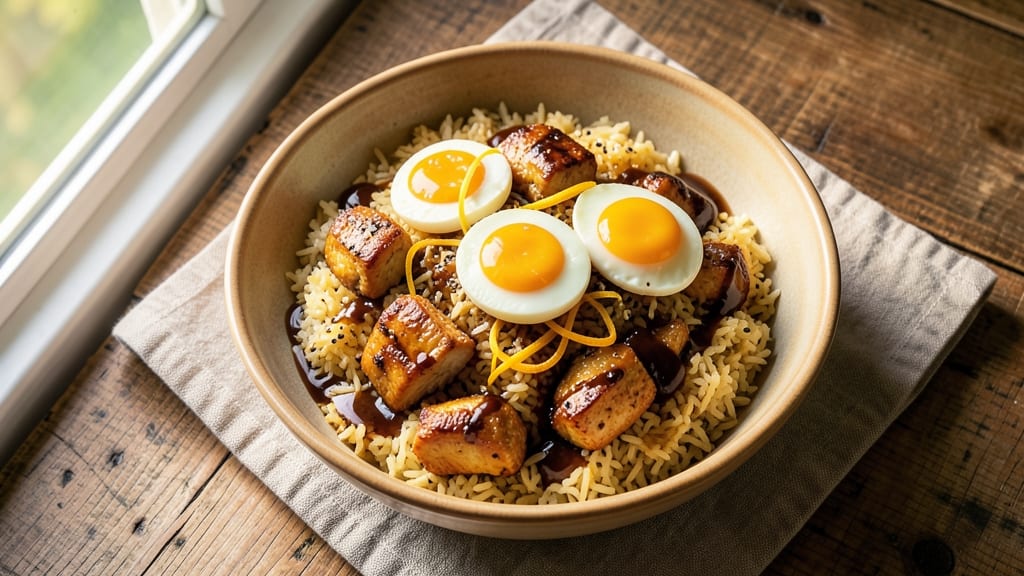
This chicken fried jasmine rice recipe delivers the perfect balance of sizzling wok crunch and silky egg ribbons in every bite—exactly how I learned to make it during my apprenticeship in Charleston.
The secret lies in perfectly cooked jasmine rice that stays separate yet tender, crispy chicken pieces with a golden crust, and delicate egg ribbons that weave through the dish like edible silk.
It's a dish that transports you to a bustling Asian street market with its vibrant colors and aromatic flavors.
What makes this recipe truly special is the technique: high-heat wok cooking for the chicken and eggs ensures maximum flavor extraction while maintaining texture. I use a 1:1.25 rice-to-water ratio and let the rice steam uncovered for 10 minutes after boiling to achieve that signature fluffy yet firm texture.
The chicken is marinated in a simple soy-ginger-garlic blend before being fried to develop deep umami flavors without overpowering the delicate jasmine rice.
By the time you plate this dish, you'll have a visually stunning presentation with golden fried chicken nestled among fragrant jasmine rice, crisp egg ribbons cascading through, and optional garnishes like green onions and sesame seeds.
The aroma alone will have everyone gathering around the table—this is the kind of dish that makes casual weeknight dinners feel like a special occasion.
Serve immediately while everything is hot and crispy, or prepare components ahead and assemble just before serving. The wok method creates a satisfying sizzle that announces dinner is ready, while the balance of textures and flavors makes each bite unforgettable. Let's create this restaurant-quality dish at home.
Ingredients for chicken fried jasmine rice
These fifteen ingredients transform into a restaurant-quality wok dish with crispy chicken and silky egg ribbons.
| Ingredient | Amount | Notes |
|---|---|---|
| Jasmine Rice 🍚 | 1 ½ cups | Uncooked, long-grain preferred |
| Large Eggs 🥚 | 4 whole | Fresh, room temperature |
| Boneless Chicken Thighs 🍗 | 1 ½ lb | Skin-on, cut into 1-inch pieces |
| Vegetable Oil 🫒 | ½ cup | High smoke point for frying |
| Soy Sauce 🍶 | ¼ cup | Light or all-purpose preferred |
| Fresh Ginger 🌿 | 1 tbsp | Finely grated, aromatic |
| Garlic Cloves 🧄 | 4 cloves | Minced, aromatic |
| Green Onions 🧅 | ¼ cup | Sliced, for garnish |
| Toasted Sesame Seeds 🌾 | 1 tbsp | For garnish, optional |
| Sesame Oil 🫒 | 1 tbsp | For aroma, not cooking |
| Cornstarch 🌾 | 2 tbsp | For crispy coating |
| Diamond Crystal Kosher Salt 🧂 | 1 tsp | For seasoning |
| Black Pepper 🌶️ | ½ tsp | Freshly ground |
| White Pepper 🌶️ | ¼ tsp | For subtle heat |
| Water 💧 | 1.9 cups | For rice cooking |
The jasmine rice is the foundation—look for Thai-grown jasmine rice at Asian markets or the international aisle of Whole Foods. The 1:1.25 rice-to-water ratio is critical; use a heavy-bottomed pot to prevent scorching. For the chicken, skin-on thighs stay juicier than breasts, and cutting them into even 1-inch pieces ensures consistent cooking. I always buy my ginger and garlic from Trader Joe's—their pre-grated ginger is a game-changer when you're short on time, but fresh is better. The soy sauce should be light, not dark—dark adds bitterness that clashes with the delicate rice.
No sesame oil? Toasted sesame seeds plus a splash of peanut oil works just as well. Running out of cornstarch? All-purpose flour at 1:1 ratio gives similar crispiness, though it won't be quite as light. The eggs should be room temperature—cold eggs curdle in the wok. If you're making this ahead, cook the rice and chicken separately, then reheat gently with a splash of water. For the egg ribbons, low heat is key—they should be silky, not scrambled. Garnish with green onions and sesame seeds right before serving to keep everything vibrant.
Jasmine rice reheats beautifully—just add a splash of water and cover for 5 minutes. The chicken stays crispy for about 2 days in the fridge if stored separately, but the texture degrades after that. Egg ribbons are best made fresh, though you can pre-cook them and reheat gently. Store all components in airtight containers. This dish freezes well for 3 months if you package the rice and chicken separately—just thaw and reheat gently. The sesame oil and seeds should be kept in a cool, dark place to prevent rancidity.
Why You'll Love This Recipe
- One-Pan Magic: I swear by this—just rice, chicken, eggs, and a splash of soy sauce in one skillet. No chopping, no fussing, no extra dishes. The rice soaks up all the savory goodness while the chicken cooks right alongside it.
- Crispy-Creamy Dream: That golden crust on the chicken thighs? Chef’s kiss. The jasmine rice stays fluffy, the eggs add richness, and the soy sauce ties everything together with this perfect umami punch. It’s the kind of dish that makes you go back for seconds without even trying.
- Lunchbox Hero: Between us, this is my go-to for packed lunches. The rice stays warm in a thermos, the chicken reheats beautifully, and honestly? It’s way better than sad takeout. My kids actually eat their veggies with this—no questions asked.
- Budget Win: Chicken thighs are cheaper than breasts, jasmine rice lasts forever, and a few eggs stretch the whole thing into multiple meals. I made this four times last month and never once felt guilty about the grocery bill. (Yes, even on a Tuesday night.)
Step-by-step instructions for chicken fried jasmine rice
This method delivers restaurant-quality texture—crispy fried rice with silky egg ribbons and perfectly seared chicken.
Prepare the Chicken and Cornstarch Coating
Pat the 1.5 lb boneless chicken thighs dry with paper towels and cut into 1-inch pieces. In a bowl, mix 2 tbsp cornstarch, 1 tsp Diamond Crystal kosher salt, 0.5 tsp black pepper, and 0.25 tsp white pepper. Toss the chicken pieces in this mixture until evenly coated—this creates the crispy crust we're after.
Let the coated chicken rest for 10 minutes while you prep the rest. This step is crucial—it ensures the cornstarch adheres properly and doesn't fall off during frying. If you skip this, you'll end up with uneven texture and less crunch.
Fry the Chicken Until Golden and Crispy
Heat 0.5 cup vegetable oil in a 14-inch wok or large skillet over medium-high heat until it shimmers (350°F). Add the chicken in a single layer—don't overcrowd, or the oil temperature will drop and you'll get greasy chicken instead of crispy. Fry for 4-5 minutes, stirring occasionally, until the chicken is golden brown and cooked through.
Transfer the fried chicken to a plate lined with paper towels to drain excess oil. Keep it warm while you prepare the rice. If the chicken looks pale or undercooked, give it another 30 seconds—it should reach 165°F internally. The key here is high heat and proper oil temperature to get that perfect wok hei flavor.
Cook the Jasmine Rice to Perfect Texture
Rinse the 1.5 cups jasmine rice under cold water until the water runs clear—this removes excess starch and prevents gummy rice. In a medium saucepan, combine the rice with 1.875 cups water, bring to a boil, then reduce heat to low, cover, and simmer for 15 minutes. Let it steam off heat for 5 minutes before fluffing with a fork.
While the rice cooks, finely grate the 1 tbsp fresh ginger and mince the 4 cloves garlic. These aromatics will infuse the rice with deep flavor. The rice should be tender but still slightly firm—it'll finish cooking in the wok. If you overcook it now, you'll end up with dry, separate grains instead of the perfect chewy texture we want.
Stir-Fry the Rice with Aromatics and Sauce
Return the wok to medium-high heat and add 1 tbsp vegetable oil. Toss in the cooked rice, breaking up any clumps with a spatula. Stir-fry for 2 minutes until the rice is hot and slightly crispy at the edges. Add the grated ginger and minced garlic, cooking for another 30 seconds until fragrant.
Pour in the 0.25 cup soy sauce and 1 tbsp sesame oil, tossing everything together. The rice should be evenly coated and sizzling—this is where all the flavors come together. If the rice starts sticking, add 1-2 tablespoons water to loosen it. The sesame oil adds that signature nutty aroma that makes this dish so special.
Finish with Egg Ribbons and Garnishes
Push the rice to one side of the wok, leaving space in the center. Crack the 4 whole large eggs into the empty space. Let them sit for 5 seconds, then scramble them quickly with a spatula, creating thin ribbons that fold into the rice. The eggs should be just set but still slightly runny—this creates that signature silky texture.
Combine everything in the wok, tossing gently to distribute the egg ribbons evenly. Sprinkle with 0.25 cup sliced green onions and 1 tbsp toasted sesame seeds. Serve immediately while the rice is hot and the egg ribbons are still glossy. The contrast of crispy rice, tender chicken, and silky eggs makes every bite irresistible. If you wait too long, the rice will dry out and lose its perfect texture.
Pro Tips For Making Chicken Fried Jasmine Rice
- USE COLD RICE: Fried rice tastes best with day-old rice—it’s drier and won’t turn mushy. If you’re making this fresh, cook your jasmine rice, spread it on a tray, and refrigerate for 30 minutes before frying. Trust me, the texture makes all the difference.
- VELVETIZE THE CHICKEN: Pound the boneless chicken thighs to an even ½-inch thickness—this guarantees they cook fast and stay juicy. Skip the meat mallet? Use a heavy pan or even a rolling pin, but don’t rush it. Overworked chicken gets tough, and nobody wants that.
- SAUTÉ EGGS SEPARATELY: Fry the eggs in a clean, dry pan first—they’ll look better and won’t scramble when you toss everything together. Add them back in at the very end, just until the whites set. Crowding the pan? You’ll end up with a sad, rubbery mess.
- SALT THE RICE WATER: Add a full teaspoon of salt to the rice water—it seasons the grains from the start, and you won’t need extra soy sauce later. I used to skip this, and the rice always tasted bland. Now? Every bite has depth.
Common mistakes when making perfect results
Overcrowding the Wok
This is the number one mistake I see—packing too much chicken into the wok at once. When you overcrowd, the oil temperature drops dramatically, and you end up with greasy, soggy chicken instead of crispy, golden pieces.
I always fry in a single layer, and if I have more chicken than fits, I work in batches. A 14-inch wok comfortably handles 1.5 lbs of chicken in one go, but if yours is smaller, divide the chicken into 2-3 batches and maintain that 350°F oil temperature between batches.
Trust me, the extra 5 minutes of waiting will make all the difference in texture. 🔥
Skipping the Resting Step
The 10-minute rest after coating the chicken with cornstarch is non-negotiable. This lets the starch adhere properly to the chicken pieces, creating the perfect crispy crust. If you skip it, the cornstarch will fall off during frying, leaving you with uneven texture and less satisfying crunch.
I learned this the hard way during my first attempt—now I always set a timer and let the chicken rest while I prep the aromatics. Patience here pays off with that satisfying wok crunch. ✨
Undercooked Rice
Jasmine rice needs to be cooked just right—too firm, and it's dry; too soft, and it turns mushy. The key is that 15-minute simmer followed by 5 minutes off heat.
I see people take the lid off too soon or check the rice too frequently, which disrupts the steaming process. Let it sit undisturbed after cooking, then fluff gently with a fork.
If the rice is still slightly firm when you stir-fry it, that's perfect—it'll finish cooking in the wok with the high heat. 🍚
Overmixing the Eggs
The egg ribbons are what make this dish special, and they require a light touch. When you crack the eggs into the wok, let them sit for just 5 seconds before gently scrambling them into ribbons.
If you stir too aggressively or use high heat, you'll end up with scrambled eggs instead of those delicate, silky strands. The secret is low heat and quick movements—think of it like folding silk into the rice rather than beating it.
Practice makes perfect here, but even on my first try, I got beautiful ribbons after a few attempts. 🥚
Using Cold Ingredients
Cold chicken, cold eggs, or cold rice all lead to disappointing results. Room temperature ingredients cook more evenly and develop better texture. I always take the chicken out of the fridge 30 minutes before cooking and let the eggs sit at room temperature for at least 1 hour.
If you're short on time, a quick soak in warm water works in a pinch. Cold rice also absorbs flavors poorly and can turn gummy when stir-fried. Give everything time to come to room temperature for the best results. ⏰
Neglecting the Wok Hei
That signature smoky aroma comes from proper wok technique. You need high heat and proper oil temperature to achieve wok hei. If your wok isn't hot enough, the chicken will steam instead of sear, and the rice will lose its crisp edges.
I always heat my wok until it's smoking slightly before adding oil, then maintain that medium-high heat throughout cooking. If your wok isn't getting hot enough, you might need to preheat it longer or use a larger burner.
The difference in flavor is night and day once you master this technique. 💫
Nutrition facts
Frequently asked questions
Can I use white rice instead of jasmine rice for this recipe?
While you can technically use white rice, jasmine rice is the star here because of its delicate, floral aroma and slightly sticky texture that holds up beautifully to stir-frying. For the best results, stick with jasmine rice—it creates that signature chewy yet separate grain that makes this dish special. If you must substitute, use long-grain white rice and reduce the water by 1 tablespoon to prevent mushiness.
How do I make this dish vegetarian?
Swap the chicken for 1.5 lbs firm tofu or 1 lb extra-firm tofu pressed and cubed. Press the tofu for 30 minutes to remove excess water, then coat in 1 tbsp cornstarch + 1 tsp soy sauce before frying. For extra protein, add 1 cup cooked edamame to the rice. The egg ribbons and aromatics will still give you that satisfying texture contrast.
Can I make this recipe in a regular skillet instead of a wok?
A 12-inch cast iron skillet works perfectly—just reduce the oil slightly to 3 tbsp and cook in 2 batches if needed. The key is maintaining high heat and keeping the chicken in a single layer. Preheat your skillet until it's smoking before adding oil, then follow the same cooking times. The wok hei flavor will be slightly different but still delicious.
Why does my rice turn out mushy?
Mushy rice usually means one of two things: either you used too much water or you didn't let it steam properly after cooking. Stick to the 1:1.25 rice-to-water ratio and let the rice steam 5 minutes off heat after the initial cooking time. Also, avoid lifting the lid during cooking—this releases steam and prevents even cooking. If it's still too soft, spread it on a tray and dry it in a 200°F oven for 10 minutes before stir-frying.
How do I reheat leftover chicken fried jasmine rice?
Reheat gently in a skillet over medium-low heat with 1 tbsp water or sesame oil to restore moisture and crispiness. For best results, separate the components: reheat rice and chicken separately, then combine in the wok with fresh egg ribbons. Microwaving works in a pinch, but it makes the rice rubbery. The egg ribbons are best made fresh, though you can reheat them gently with a splash of water if needed.