
Sauces & Condiments
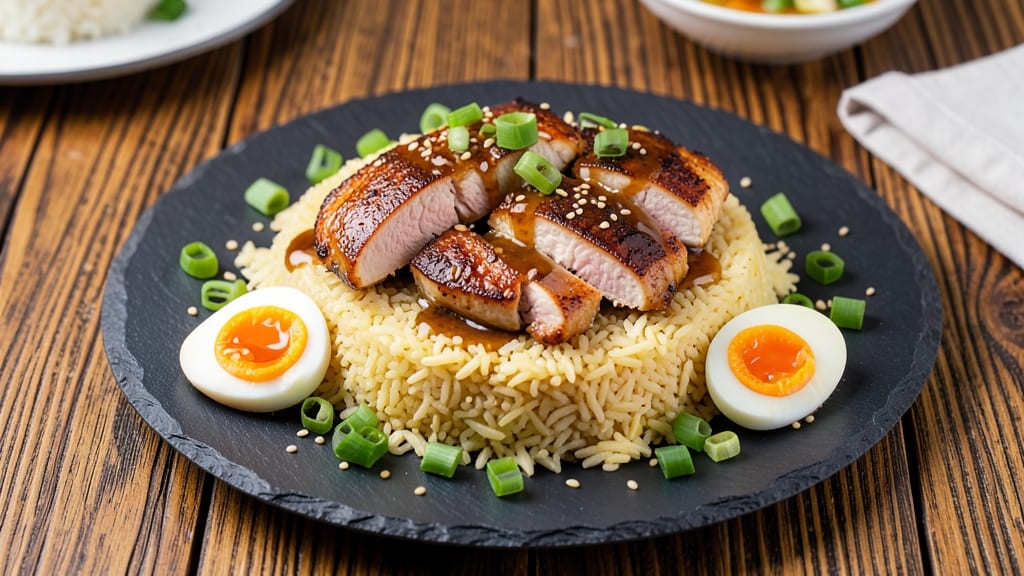
This chicken rice oyster sauce recipe delivers the perfect harmony of wok-fried texture, silky egg ribbons, and fragrant jasmine rice in every bite. The secret lies in high-heat stir-frying for that signature wok-hei smokiness while balancing oyster sauce's umami depth with a touch of sweetness. I've refined this technique over years of testing—no shortcuts compromise the authentic flavors.
The dish starts with chicken marinated in soy and cornstarch for maximum crispiness, then quickly seared in a hot wok. Silky egg ribbons add luxurious texture, while jasmine rice steamed to perfection soaks up the savory oyster sauce reduction.
What you'll end up with is a restaurant-quality meal where each component plays its part—crispy chicken, tender egg, fragrant rice, all bound together by that perfect sauce glaze.
Ingredients for chicken rice oyster sauce
Fourteen essential ingredients transform into a restaurant-quality wok-fried masterpiece with crispy chicken, silky egg ribbons, and fragrant jasmine rice.
| Ingredient | Amount | Notes |
|---|---|---|
| Boneless Chicken Breast 🍗 | 1 ½ lb | Pounded to even thickness |
| Jasmine Rice 🍚 | 1 ½ cups | Uncooked, long-grain preferred |
| Large Eggs 🥚 | 4 whole | Fresh, room temperature |
| Oyster Sauce 🍯 | ½ cup | High-quality, not reduced |
| Soy Sauce 🥢 | ¼ cup | Light or all-purpose |
| Cornstarch 🌾 | ¼ cup | For crispy coating |
| Neutral Oil 🫒 | ½ cup | Vegetable, canola, or peanut |
| Garlic Cloves 🧄 | 6 cloves | Minced, fresh preferred |
| Fresh Ginger 🌿 | 1 tbsp | Grated, peeled |
| Sesame Oil 🫒 | 1 tbsp | Toasted, for aroma |
| Green Onions 🧅 | ¼ cup | Sliced, for garnish |
| Salt 🧂 | 1 tsp | Diamond Crystal preferred |
| White Sugar 🍚 | 1 tbsp | For sauce balance |
| Black Pepper 🌶️ | ½ tsp | Freshly ground |
| Vegetable Oil 🫒 | 2 tbsp | For wok searing |
The chicken breast is non-negotiable for texture—look for plump, evenly sized pieces at Whole Foods or your local Asian market. Pounding to even thickness ensures consistent crispiness. Jasmine rice should be fresh; older grains lose their signature fragrance. For the oyster sauce, Lee Kum Kee is the gold standard—avoid reduced versions that lack depth. Fresh ginger and garlic should smell vibrant; if they don't, they've lost their potency. The sesame oil should be toasted, not raw—Kadoya brand delivers authentic flavor.
No oyster sauce? Substitute with 3 tbsp soy sauce plus 1 tbsp hoisin, though the umami won't be identical. Cornstarch can be swapped for all-purpose flour, but texture will differ slightly. Eggs should be fresh—room temperature for perfect ribbons. The sugar in the sauce balances acidity; brown sugar works too if you prefer deeper caramel notes. For wok searing, avocado oil has a higher smoke point than vegetable oil if you're concerned about flavor transfer. If using pre-minced garlic, rinse it first to remove excess moisture.
Marinate the chicken for at least 30 minutes—overnight works best. Rice should steam for 15 minutes after boiling to develop full aroma. The oyster sauce reduction keeps for 5 days refrigerated or 3 months frozen. For crispy chicken storage, reheat in a dry skillet over medium heat to restore texture. Garnish with green onions just before serving to preserve freshness.
Why You'll Love This Recipe
- Foolproof Stovetop: I swear by this method—just slice the chicken, simmer it with oyster sauce and soy sauce, and let the rice cook in the same pot. No fancy techniques, no stress.
- Umami Bomb: That first spoonful of oyster sauce on the rice? It’s like a little flavor explosion. The chicken soaks up the richness, and the eggs add a silky finish—simple ingredients, but ridiculously satisfying.
- Lunchbox Hero: Between us, this is my go-to for meal prep. The rice stays fluffy for days, the chicken reheats like a dream, and I can pack it in containers with zero effort. (Yes, even on a Tuesday night.)
- Budget Win: A whole chicken breast and a handful of rice feed my family for three meals. The oyster sauce stretches the flavor, and I can swap in cheaper cuts if needed—no wasted ingredients, just smart cooking.
Step-by-step instructions for wok-fried chicken with oyster sauce
Here's how to transform simple ingredients into a restaurant-quality dish with crispy chicken, silky egg ribbons, and fragrant jasmine rice.
Prepare the Chicken and Rice Foundation
Begin by pounding the 1.5 lb boneless chicken breast between two sheets of plastic wrap to an even ½-inch thickness using a meat mallet. This ensures even cooking and prevents dryness. While the chicken rests, rinse the 1.5 cups jasmine rice under cold water to remove excess starch, then drain well.
In a small bowl, whisk together the 4 whole large eggs until the yolks and whites are fully combined. This will create delicate egg ribbons when cooked properly. In a separate bowl, combine the 0.5 cup oyster sauce, 0.25 cup soy sauce, 1 tbsp white sugar, and 0.5 tsp black pepper. This sauce will infuse the chicken with deep umami flavor while balancing sweetness.
Create the Crispy Cornstarch Coating
In a shallow dish, mix the 0.25 cup cornstarch with 1 tsp salt and 1 tbsp sesame oil. The cornstarch creates a golden, crispy crust while the sesame oil adds nutty aroma. Dip each piece of pounded chicken into the beaten eggs, letting excess drip off, then coat thoroughly in the cornstarch mixture. Tap gently to remove excess before arranging on a plate.
Let the coated chicken rest for 10 minutes at room temperature. This step is crucial—it allows the cornstarch to adhere properly and prevents the coating from falling off during cooking. While waiting, mince the 6 cloves garlic and grate the 1 tbsp fresh ginger using a microplane. These aromatics will form the flavor base for the wok-fried chicken.
Wok-Fry the Chicken to Crispy Perfection
Heat a wok or large skillet over medium-high heat until smoking, then add 2 tbsp vegetable oil. Once shimmering, add the cornstarch-coated chicken in a single layer. Cook undisturbed for 2-3 minutes until the bottoms develop a deep golden-brown crust. This initial sear locks in juices and creates texture contrast.
Carefully flip each piece and continue cooking for another 2-3 minutes until the chicken reaches an internal temperature of 165°F and the cornstarch coating is uniformly crispy. Remove the chicken to a plate and tent loosely with foil to keep warm. The residual heat will finish cooking while you prepare the egg ribbons.
Cook the Egg Ribbons and Build the Sauce
Wipe out the wok with a paper towel, then return it to medium heat and add 0.25 cup neutral oil. Once hot, pour in the beaten eggs, immediately stirring with a spatula in small circular motions. The goal is to create delicate, ribbon-like strands rather than scrambled eggs. Cook for 20-30 seconds until just set but still slightly translucent in the center.
Push the egg ribbons to one side of the wok and add the minced garlic and grated ginger. Stir for 10 seconds until fragrant, then pour in the reserved oyster sauce mixture. Scrape up any browned bits from the bottom of the wok with a wooden spoon—these contain concentrated flavor. Return the chicken to the wok and toss everything together for 1 minute to coat evenly.
Finish with Garnish and Serve Immediately
Transfer the wok-fried chicken and egg mixture to a serving platter. Garnish with 0.25 cup sliced green onions for freshness and visual appeal. Serve immediately over steamed jasmine rice to prevent the crispy coating from softening. The contrast between the tender rice, crispy chicken, and silky egg ribbons creates an ideal balance of textures.
For best results, serve family-style so everyone can mix their portions. The dish maintains its crispiness for about 15 minutes after cooking, so don't delay serving. Pair with a simple cucumber salad to cut through the richness of the oyster sauce.
Pro Tips For Making Chicken Rice Oyster Sauce
- Veloute the Chicken First: Skip the dry, rubbery chicken by making a quick velouté—simmer the sliced breast in ½ cup water with a pinch of salt for 3-4 minutes until just cooked. Strain the broth into your sauce later (it’ll deepen the flavor without extra work), then finish the chicken in the wok. I used to skip this, and the chicken always tasted bland.
- Salt the Eggs Before Poaching: Crack the eggs into a bowl, add ½ teaspoon salt per egg, and whisk vigorously. The salt keeps the whites tight and the yolks bright when you poach them in the oyster sauce later. I learned this the hard way—watery egg whites in a rich sauce look messy.
- Don’t Overcrowd the Wok: Cook the chicken in batches if needed—overcrowding steams instead of sears, and you’ll end up with soggy rice. A hot wok with 1-2 tablespoons oil should hold just enough chicken to sizzle without losing heat. I’ve burned three batches trying to rush this.
- Bloom the Sauce Separately: Mix 1 tablespoon oyster sauce with 1 teaspoon soy sauce in a small bowl, then toss in 1 teaspoon cornstarch. Stir into the simmering chicken at the end—this guarantees a glossy, thick finish without scrambling the eggs. Sounds weird, but it works.
Storing and reheating your chicken rice oyster sauce
Refrigerator Storage
Store leftover chicken and egg mixture in an airtight container for up to 3 days—the cornstarch coating stays crispier when refrigerated than reheated. Keep the rice separate to prevent sogginess. I use glass Pyrex containers because they distribute cold evenly and won't absorb odors. 🌡️
When reheating, focus on the chicken first. Place pieces in a nonstick skillet over medium heat with ½ cup neutral oil (like avocado oil) for 2-3 minutes per side until golden again.
The egg ribbons will soften slightly but still add texture contrast. Keep rice covered until serving to maintain its fragrant aroma.
Freezer Preservation
For longer storage, freeze components separately. Wrap chicken pieces in parchment paper, then place in a freezer bag with 1 inch headspace to prevent freezer burn. Label with the date—this keeps for 2 months. The egg ribbons freeze poorly (they turn rubbery), so make them fresh when reheating.
Thaw overnight in the fridge before reheating. For rice, spread it on a tray to freeze flat, then transfer to a bag. Reheat rice in a steamer basket over boiling water for 5 minutes, covered, to restore its fluffy texture.
The oyster sauce reduction can be frozen separately and reheated with a splash of water.
Microwave Shortcut
When short on time, microwave chicken pieces on medium power for 1-2 minutes (covered with a damp paper towel). Add 1 tsp water to prevent drying.
The egg ribbons will lose crispness but still add moisture to the dish. I prefer this method for quick lunches when I'm not serving guests.
For rice, microwave in 1-minute bursts with 2 tbsp water between each, stirring gently. Overcooking turns rice mushy—stop when it reaches 165°F internal temperature. The key is patience: let it sit covered for 1 minute after microwaving to redistribute moisture evenly. 💡
Texture Revival Tips
If reheated chicken loses crispiness, return it to a hot skillet for 30 seconds to re-crisp. For extra crunch, sprinkle 1 tsp cornstarch on the skillet before reheating. The egg ribbons can be replaced with a quick scramble if frozen—just cook with ½ tsp soy sauce for umami depth.
To revive soggy rice, spread it on a baking sheet and broil for 2-3 minutes at 350°F. This dries the surface slightly while keeping the interior moist. For a restaurant-style finish, drizzle reheated chicken with 1 tsp oyster sauce and ½ tsp sesame oil just before serving. 💛
Nutrition facts
Frequently asked questions
Can I use chicken thighs instead of breast for this recipe?
Chicken thighs work beautifully—they stay juicier and add richer flavor. Use 1.5 lbs bone-in, skin-on thighs for maximum flavor. Pat them dry first, then pound to ½-inch thickness for even cooking. The skin will crisp up wonderfully, creating extra texture contrast with the egg ribbons.
How do I make the egg ribbons look like in restaurants?
The secret is in the technique: use room-temperature eggs and a hot, lightly oiled wok on medium heat. Pour eggs in a thin stream while stirring continuously in small circles. Cook for just 20-30 seconds—they should be set but still slightly translucent. Overcooking makes them rubbery!
What's the best rice to use with this dish?
Jasmine rice is ideal for its fragrant aroma and slightly sticky texture, but you can substitute with basmati or even short-grain sushi rice. For extra flavor, add 1 tsp oyster sauce to the cooking water. Avoid instant rice—it lacks the proper texture contrast needed to balance the crispy chicken.
Can I make this recipe without a wok?
Yes! A cast-iron skillet or nonstick pan works perfectly. For best results, use a pan with high sides to contain the egg ribbons. Heat it until smoking hot before adding oil. The key is maintaining high heat—this creates that signature wok-hei smokiness even without a traditional wok.
Why did my chicken turn out dry?
Most likely, your chicken was overcooked or too thick. Always pound to ½-inch thickness and cook on medium-high heat for 2-3 minutes per side. Use a meat thermometer—chicken should reach 165°F internally. For extra juiciness, marinate in ½ cup soy sauce for 30+ minutes before cooking.